
If you're struggling with lower back pain, you might be looking for gentle relief that doesn't involve harsh medications or invasive procedures. Instead, consider exploring mindful techniques, targeted stretches, and core strengthening exercises that can help ease your discomfort. These approaches not only offer immediate relief but also contribute to your long-term well-being. As you think about integrating these practices into your routine, it's crucial to understand the various options available to you and how they can fit your lifestyle. What strategies could make a difference for you?
Understanding Lower Back Pain
Lower back pain affects about 80% of people at some point in their lives, making it a common yet often misunderstood ailment. You might experience this pain due to various reasons, ranging from muscle strains to more complex conditions like herniated discs.
It's important to recognize that lower back pain isn't just a single issue; it can stem from a combination of factors that include poor posture, sedentary lifestyle, or even stress.
When you're dealing with lower back pain, it's vital to pay attention to your body. You may notice that certain movements exacerbate the discomfort, while gentle stretching may alleviate it. It's common to feel a dull ache or sharp pain, and this can range from mild to debilitating.
Understanding the specific nature of your pain can help you communicate better with healthcare professionals, who can then provide tailored advice.
Another factor to take into account is the role of your daily activities. If you spend long hours sitting, you might be putting extra strain on your lower back. Engaging in regular physical activity, even light exercises, can help strengthen the muscles that support your spine.
It's also worthwhile to note that emotional and psychological factors can contribute to your experience of pain. Stress can lead to muscle tension, which may worsen your discomfort.
Benefits of Gentle Relief
Gentle relief techniques can help you relax and feel more calm, making it easier to cope with pain.
By supporting your body's natural healing process, these methods promote recovery without strain.
Plus, they effectively reduce muscle tension, allowing you to move more freely and comfortably.
Promotes Relaxation and Calm
Finding relief from lower back pain often leads to a sense of tranquility that can transform your entire day. When you experience gentle relief, it's not just about easing discomfort; it's about promoting relaxation and calm in your life.
This peaceful state can enhance your overall well-being, making daily activities more enjoyable.
Here are some benefits that come with achieving that calm:
- Improved Mood: A pain-free back can uplift your spirits, allowing you to engage more positively with others.
- Better Sleep: Reduced pain often leads to improved sleep quality, helping you wake up refreshed and ready to tackle the day.
- Enhanced Focus: When discomfort fades, your mind can concentrate on tasks without the distraction of pain.
- Stress Reduction: Gentle relief helps lower stress levels, letting you approach challenges with a clearer mind.
- Increased Mobility: With reduced tension, you're more likely to move freely, whether it's stretching, exercising, or simply enjoying a walk.
Embracing these benefits can make a significant difference in your daily life, helping you feel more at ease and centered.
Supports Natural Healing Process
When you achieve a state of relaxation and calm, your body can more effectively support its natural healing processes.
Gentle relief techniques, such as stretching, yoga, or gentle massage, encourage blood flow and oxygen delivery to your lower back. This increased circulation helps nourish your muscles and tissues, promoting faster recovery from pain and discomfort.
By relieving stress and tension, these methods create an ideal environment for healing. Your body can focus on repairing itself rather than battling stress or discomfort.
Additionally, gentle relief can stimulate the release of endorphins, your body's natural painkillers, further enhancing your ability to heal.
Incorporating gentle movement into your routine not only aids in recovery but also helps maintain flexibility and strength.
You'll find that as your body heals, your overall well-being improves, allowing you to engage more fully in your daily activities.
Listening to your body is essential. If you notice discomfort while practicing gentle relief techniques, adjust your approach accordingly.
Remember, the goal is to support your healing process without adding unnecessary strain.
Prioritizing this gentle approach can lead to long-term benefits, empowering you to manage and alleviate lower back pain effectively.
Reduces Muscle Tension Effectively
One of the most significant benefits of gentle relief techniques is their ability to effectively reduce muscle tension. When you incorporate these methods into your routine, you'll likely find that your lower back feels more relaxed and less stiff. This relaxation can lead to improved mobility and a greater sense of well-being.
Gentle relief approaches, such as stretching, yoga, and gentle massage, help release tight muscles and promote better blood circulation. As you engage in these practices, you may notice several positive changes, including:
- Decreased discomfort in your lower back
- Enhanced flexibility and range of motion
- Improved posture and alignment
- A reduction in stress and anxiety levels
- Increased overall relaxation and calmness
Stretching Exercises for Relief
Stretching is essential for relieving lower back pain and improving flexibility.
By incorporating effective stretching techniques into your routine, you can ease tension and enhance mobility.
Establishing a daily stretching routine will help you maintain a healthy back and prevent future discomfort.
Importance of Stretching
Although many people overlook it, incorporating stretching into your daily routine can greatly alleviate lower back pain. Stretching helps improve flexibility and strengthen the muscles that support your spine.
When you stretch regularly, you can reduce tension and promote better posture, which is essential for preventing further discomfort.
Here are some key benefits of stretching for your lower back:
- Increases flexibility: Enhanced flexibility can lead to a greater range of motion, making daily activities easier.
- Reduces muscle tension: Stretching helps release tight muscles, providing relief and comfort.
- Improves circulation: Increased blood flow to your muscles can promote healing and reduce stiffness.
- Enhances posture: Good posture can alleviate pressure on your lower back, preventing future pain.
- Boosts overall wellness: Stretching contributes to your physical and mental well-being, making you feel more relaxed.
Effective Stretching Techniques
Incorporating effective stretching techniques into your routine can greatly enhance the relief you experience from lower back pain. Stretching helps improve flexibility, strengthens muscles, and reduces tension in your lower back.
Try the following stretches to alleviate discomfort.
Start with the child's pose. Kneel on the floor, sit back on your heels, and stretch your arms forward on the ground. Hold for 20-30 seconds, breathing deeply to relax your back.
Next, do the cat-cow stretch. Position yourself on all fours, arch your back upwards while exhaling, then lower your belly while inhaling. Repeat this for about 30 seconds.
Another beneficial stretch is the seated forward bend. Sit on the floor with your legs extended and slowly reach towards your toes, keeping your back straight. Hold this position for 20-30 seconds.
Finally, perform the knee-to-chest stretch. Lie on your back, pull one knee towards your chest, and hold for 20 seconds. Switch legs and repeat.
These stretches can help you regain mobility and minimize pain. Remember to listen to your body and never push beyond your comfort zone. Regular practice can make a significant difference in your overall well-being.
Daily Stretching Routine
To ease lower back pain effectively, you can establish a daily stretching routine that targets key muscle groups. This routine not only promotes flexibility but also strengthens the muscles supporting your spine.
Incorporating stretches into your day can really make a difference in how you feel. Here are some effective stretches you can include:
- Knees-to-Chest Stretch: Lie on your back and pull your knees toward your chest. Hold for 20-30 seconds.
- Cat-Cow Stretch: On all fours, alternate between arching your back and dipping your spine. Repeat 5-10 times.
- Child's Pose: Kneel and sit back on your heels, stretching your arms forward. Hold for 30 seconds to relax your back.
- Seated Forward Bend: Sit with your legs extended and reach for your toes. Hold for 20-30 seconds to stretch your hamstrings.
- Standing Side Stretch: Stand tall, raise one arm overhead, and lean to the opposite side. Hold for 15 seconds on each side.
Incorporate these stretches into your daily routine, and you'll likely notice improved flexibility and reduced pain over time.
Remember to listen to your body and adjust the stretches as needed!
Strengthening Your Core
Strengthening your core is essential for alleviating lower back pain and enhancing overall stability. A strong core supports your spine, which can reduce strain on your lower back and help prevent injuries. You don't need to be a fitness expert to start; simple exercises can make a big difference.
Begin with planks. Position yourself face down, resting on your forearms and toes. Keep your body in a straight line from head to heels, engaging your abdominal muscles. Hold this position for 20 to 30 seconds, gradually increasing the duration as you get stronger.
Next, try bridges. Lie on your back with your knees bent and feet flat on the floor, hip-width apart. Press through your heels, lift your hips towards the ceiling, and squeeze your glutes at the top. Hold for a few seconds, then lower back down. Repeat this 10 to 15 times.
Don't forget about bird-dogs. Start on your hands and knees. Extend your right arm forward and your left leg back, keeping your hips level. Hold for a moment, then return to the starting position and switch sides. Aim for 10 repetitions on each side.
Incorporating these exercises into your routine can build core strength, improving your posture and reducing lower back strain. Aim to strengthen your core three times a week for the best results.
Heat and Cold Therapy
After building core strength, it's time to explore how heat and cold therapy can further aid in relieving lower back pain. Both methods offer unique benefits, and knowing when to use each can make a significant difference in your recovery process.
Heat therapy helps increase blood flow to the affected area, promoting healing and relaxation of tense muscles. You can use a heating pad, warm towel, or take a warm bath to enjoy its soothing effects.
On the other hand, cold therapy reduces inflammation and numbs sharp pain. Ice packs or cold compresses applied for 15-20 minutes can provide immediate relief after activity or injury.
Here's a quick guide on when to use heat or cold therapy:
- Heat is great for:
- Chronic pain or muscle tightness
- Relaxing stiff joints
- Pre-workout warm-ups
- Stress relief
- Improving blood circulation
- Cold is ideal for:
- Recent injuries or inflammation
- Immediate pain relief after strenuous activities
- Reducing swelling
- Numbing sharp pain
- Treating bruises
Choosing the right therapy can enhance your healing journey.
Remember to always place a cloth between your skin and the heat or cold source to avoid burns or frostbite.
Experiment with both therapies to see what works best for you, and don't hesitate to consult a healthcare professional if your pain persists.
Mindfulness and Relaxation Techniques
When it comes to managing lower back pain, mindfulness and relaxation techniques can be incredibly beneficial.
You can try breathing exercises to relieve tension, guided meditation for mental clarity, and progressive muscle relaxation to ease physical discomfort.
Incorporating these practices into your routine might just help you find the relief you're looking for.
Breathing Exercises for Relief
Breathing exercises can be a powerful tool in managing lower back pain, offering both mindfulness and relaxation. By focusing on your breath, you can help reduce tension in your body and promote a sense of calm.
Here are some effective techniques to incorporate into your routine:
- Diaphragmatic Breathing: Inhale deeply through your nose, letting your belly rise, then exhale slowly through your mouth. This helps engage the diaphragm and relax your back muscles.
- Box Breathing: Inhale for a count of four, hold for four, exhale for four, and hold again for four. This structured rhythm can help clear your mind and reduce stress.
- Nasal Breathing: Breathe in and out through your nose, which can help increase oxygen flow and promote relaxation.
- Progressive Muscle Relaxation: As you breathe, tense and then relax each muscle group from your toes to your head, releasing built-up tension.
- Mindful Breathing: Simply focus on your breath, noting each inhale and exhale. This practice can help shift your focus away from pain.
Try integrating these exercises into your daily routine for gentle relief.
Guided Meditation Practices
Guided meditation practices can often provide profound relief for those dealing with lower back pain. By focusing your mind and cultivating a sense of relaxation, you can reduce tension in your body and promote a more peaceful state of being.
Start by finding a comfortable position, either sitting or lying down, and close your eyes.
Listen to a guided meditation recording or app that focuses on mindfulness and relaxation. As you follow the narrator's voice, you'll be encouraged to breathe deeply and release any thoughts that contribute to stress.
Visualize warmth and comfort spreading through your lower back, allowing your muscles to loosen and your pain to fade.
Take a moment to acknowledge any sensations in your body without judgment, and gently guide your focus back to your breath.
Regularly practicing guided meditation can help you develop a greater awareness of your body, making it easier to respond to pain with calmness rather than tension.
Over time, you may notice not only a reduction in discomfort but also an improved ability to manage stress, which can further alleviate your lower back pain.
Embrace this gentle yet powerful tool in your pain relief journey.
Progressive Muscle Relaxation Techniques
Progressive muscle relaxation (PMR) is a valuable technique that can help ease lower back pain by systematically tensing and then relaxing different muscle groups. This method not only promotes relaxation but also enhances your awareness of physical tension, allowing you to release it more effectively.
To practice PMR, find a quiet space and get comfortable. Start at your feet, tensing your muscles for a few seconds, then releasing and noticing the difference. Work your way up through your body, targeting each muscle group.
Here are some tips to make your experience more effective:
- Breathe deeply: Inhale through your nose, hold for a moment, and exhale slowly.
- Focus on sensation: Pay attention to how your muscles feel when tensed versus relaxed.
- Use visualization: Imagine stress leaving your body as you release tension.
- Set a routine: Practice PMR daily to establish a calming habit.
- Be patient: It might take time to notice significant changes, so keep at it.
Incorporating PMR into your routine can lead to gentle relief from lower back pain and enhance your overall sense of well-being.
Ergonomic Adjustments at Home
Since you likely spend a significant amount of time at home, making ergonomic adjustments can greatly alleviate lower back pain.
Start by evaluating your workspace. If you work from a desk, guarantee your chair supports your lower back. Look for a chair with adjustable height and lumbar support. Your feet should rest flat on the floor, or use a footrest if needed.
Next, position your computer monitor at eye level. This helps maintain a neutral neck position and reduces strain on your back. Keep your keyboard and mouse close enough that your elbows remain at a 90-degree angle. Try to avoid leaning forward or hunching over, as these postures can exacerbate discomfort.
When it comes to sitting, remember to change positions frequently. Set a timer to remind yourself to stand, stretch, or walk around every 30 minutes. You might also consider using a standing desk or a desk converter to alternate between sitting and standing.
In your living spaces, think about how you arrange furniture. Confirm your seating encourages good posture. If you're lounging on the couch, use cushions to support your lower back.
When it's time to lift objects, bend your knees and keep your back straight to minimize strain.
Finally, pay attention to your sleeping environment. Choose a mattress that provides adequate support, and consider using pillows to maintain spinal alignment while sleeping.
These adjustments can lead to significant improvement in your comfort and overall well-being.
Natural Supplements and Remedies
After optimizing your workspace and living environment for better posture, you might want to explore natural supplements and remedies that can further support lower back health. These options can help alleviate pain and promote overall well-being without relying solely on medication.
Here are some effective supplements and remedies you can incorporate into your routine:
- Turmeric: This powerful anti-inflammatory herb contains curcumin, which can reduce pain and improve mobility. You can take it as a supplement or add it to your meals for a flavorful boost.
- Ginger: Known for its anti-inflammatory properties, ginger can help ease muscle soreness. Try ginger tea or capsules to manage discomfort.
- Magnesium: This essential mineral plays a significant role in muscle function and can help prevent muscle cramps. Consider magnesium supplements or increasing your intake of leafy greens, nuts, and seeds.
- Omega-3 Fatty Acids: Found in fish oil, these fatty acids can help reduce inflammation. You can take fish oil supplements or eat fatty fish like salmon and mackerel.
- Willow Bark: Often used as a natural pain reliever, willow bark contains salicin, which is similar to aspirin. You can find it in capsules or teas.
Incorporating these natural options into your health regimen may provide gentle relief from lower back pain.
Always consult your healthcare provider before starting any new supplement to verify it's right for you.
Professional Therapeutic Options
When lower back pain persists despite natural remedies, exploring professional therapeutic options can be a smart next step. These options often provide targeted relief and address underlying issues that home treatments may not resolve.
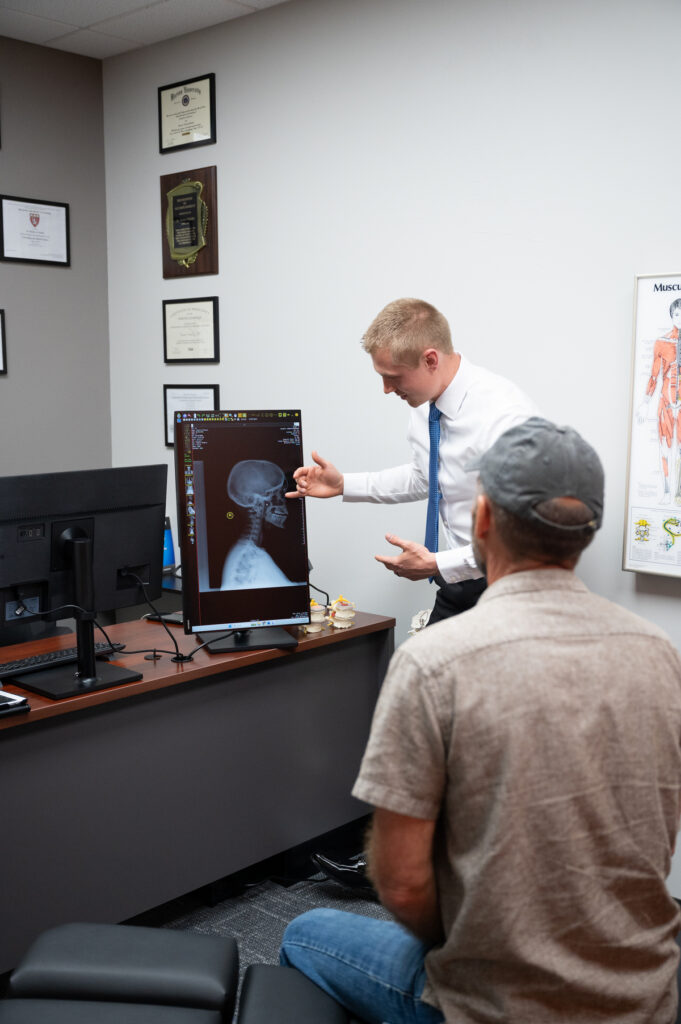
One effective option is physical therapy. A skilled physical therapist can develop a personalized regimen aimed at strengthening your core muscles, improving flexibility, and correcting posture. They'll guide you through exercises that not only alleviate pain but also enhance your overall mobility, helping you return to daily activities more comfortably.
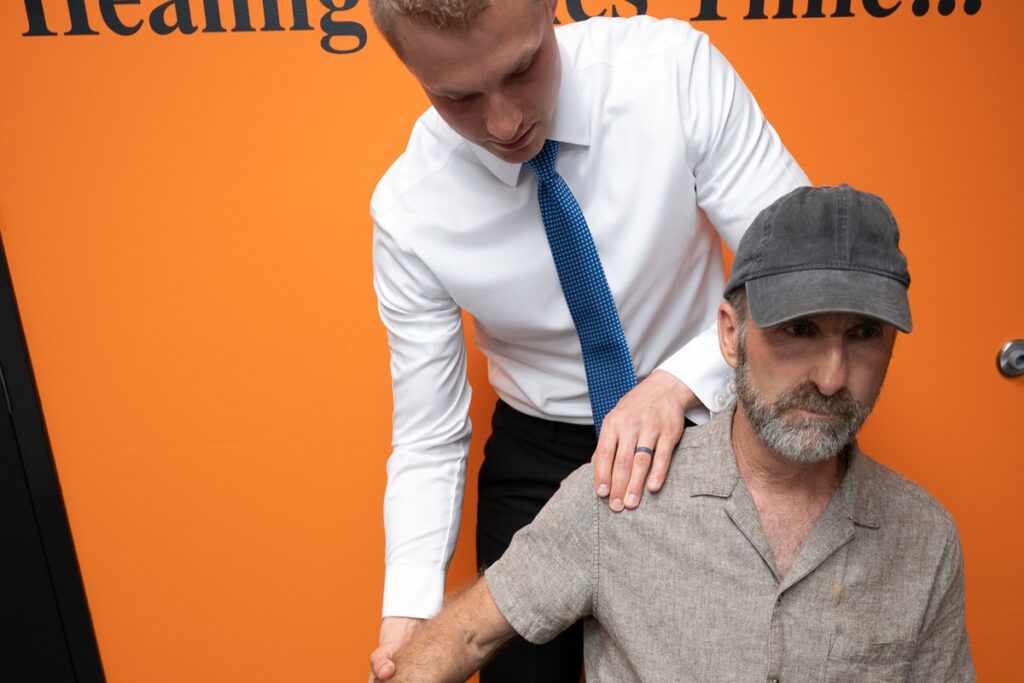
Chiropractic care is another avenue worth considering. Chiropractors focus on spinal alignment and can perform adjustments that may relieve pressure on nerves and improve your body's function. Many patients experience immediate relief after a session, making it a popular choice for those with acute pain.
Acupuncture is another professional option that's gaining traction. This ancient practice uses thin needles to stimulate specific points, promoting blood flow and reducing inflammation. Many people find relief through acupuncture, often experiencing fewer episodes of pain over time.
For more severe cases, consulting a pain management specialist may be necessary. They can explore options like corticosteroid injections or other medications to help manage your pain and improve your quality of life.
Whatever path you choose, working with professionals can help provide the relief you need while ensuring a safe approach to managing your lower back pain.
Maintaining Long-Term Back Health
To maintain long-term back health, it's essential to adopt proactive habits that support your spine and muscles. By making small adjustments to your daily routine, you can greatly reduce the risk of back pain and enhance your overall well-being.
Here are some effective strategies to keep in mind:
- Stay Active: Regular exercise strengthens your back muscles and improves flexibility. Aim for activities like walking, swimming, or yoga to keep your body moving.
- Practice Good Posture: Whether you're sitting at a desk or standing, maintaining proper posture helps distribute weight evenly across your spine. Keep your shoulders back and your feet flat on the floor.
- Lift Smart: When lifting heavy objects, bend your knees, not your back. Hold the object close to your body to maintain balance and reduce strain.
- Invest in Supportive Gear: A good quality mattress and ergonomic chair can provide the support your back needs. Don't underestimate the importance of proper footwear too!
- Stay Hydrated: Drinking enough water is essential for spinal health. Hydration keeps the discs in your spine healthy and reduces the risk of injury.
Conclusion
Incorporating gentle relief techniques into your routine can greatly ease lower back pain and improve your overall well-being. By practicing mindfulness, stretching, and strengthening your core, you'll not only find immediate comfort but also support long-term spinal health. Don't forget to explore heat and cold therapy and make ergonomic adjustments at home. With these strategies, you're on your way to a healthier back and a more active lifestyle. Prioritize your back health, and you'll feel the difference!