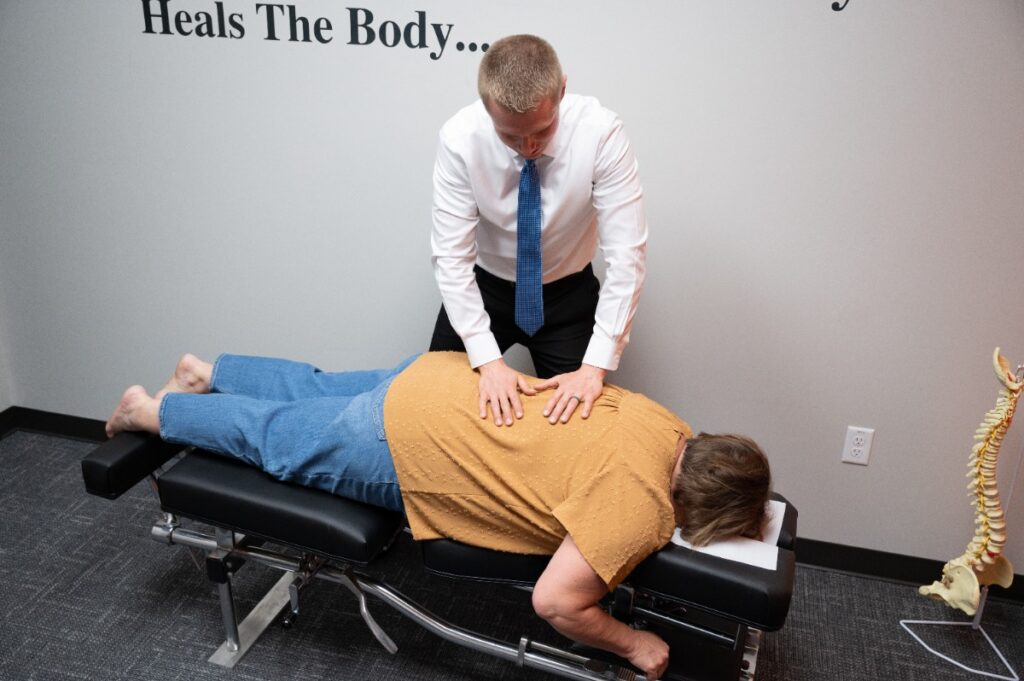

If you’re experiencing back pain, it’s important to consider how your posture may be affecting your condition. Many individuals overlook the profound influence that small adjustments in their daily habits can have on their well-being. By consciously improving your alignment—something I focus on in my chiropractic practice—you can significantly alleviate discomfort. But how can you pinpoint the habits that may be causing you strain? Taking the time to explore this question could lead you to effective solutions that not only relieve your pain but also enhance your overall health. As your chiropractor, I’m here to guide you through understanding these connections and finding natural, holistic ways to achieve lasting relief.
Understanding the Causes of Back Pain
As a local chiropractor, I want to help you understand the various factors that can contribute to back pain. Many people experience discomfort due to improper lifting techniques, particularly when lifting heavy objects without the right form.
It’s important to be mindful of how you lift to prevent muscle strains and sprains that can arise from sudden movements or overexertion. Chronic pain can also be linked to underlying conditions such as herniated discs or arthritis, which may require a more nuanced approach to treatment.
If you find yourself sitting for long periods, your muscles may weaken, leading to discomfort when you stand or move. It’s not just about posture; stress and tension can also play a significant role in back pain, often showing up as muscle tightness.
Your sleeping position is another critical factor to consider. An unsupportive mattress can lead to misalignment of your spine, which can exacerbate discomfort.
By recognizing these potential causes of your back pain, you can take proactive steps toward addressing them. Here at our practice, we focus on identifying the root causes of your discomfort to help you find relief through natural healing methods.
Understanding these factors is the first step in your journey toward better spinal health and overall well-being.
The Importance of Good Posture
As a chiropractor, I often see how many people underestimate the significance of good posture in their daily lives.
However, it’s crucial for maintaining a healthy spine and preventing back pain. By paying attention to your posture, you can greatly enhance your overall health and well-being.
Let me share a few important reasons why maintaining good posture is vital for everyone:
- Reduces strain: When your body is properly aligned, it minimizes the stress placed on your muscles and ligaments. This not only reduces the risk of injury but also helps alleviate discomfort that many individuals unknowingly experience.
- Enhances breathing: Good posture allows your chest to open up, enabling deeper, more efficient breaths. This can lead to increased energy levels and improved concentration, making it easier to tackle your daily tasks.
- Improves confidence: Standing tall doesn’t just make you look more confident; it can also enhance your mood and self-esteem. When you present yourself with good posture, you may find that you feel more empowered and ready to face challenges.
As we explore the connection between posture and your health, remember that small changes in how you carry yourself can lead to significant benefits.
I encourage you to be mindful of your posture, as it plays a vital role in your overall well-being.
Identifying Your Posture Habits
As your local chiropractor, I want to emphasize the importance of recognizing your posture habits in order to improve your back health.
It’s essential to start by paying attention to how you sit, stand, and move throughout your daily life. Are you often slouching while seated or leaning forward when you stand? Take note of any discomfort you may experience in different positions, as certain habits—like crossing your legs or hunching your shoulders—can significantly contribute to your back pain.
I recommend keeping a journal for a week to track your posture during various activities. This exercise will help you become more aware of your posture patterns and the triggers that lead to poor alignment.
Don’t overlook your posture while using your phone or computer; these common activities often promote unhealthy habits.
By identifying these tendencies, you can start to make conscious adjustments to your posture. This self-awareness is a crucial step towards developing healthier posture habits and alleviating your back pain over time.
Ergonomic Adjustments for Your Workspace
As a local chiropractor dedicated to helping you achieve optimal health, I want to share some important tips to alleviate back pain through proper workspace ergonomics.
It all starts with your chair; ensure it’s adjusted so your feet can rest flat on the floor, with your knees forming a perfect right angle. This simple adjustment can significantly reduce strain on your back.
Next, let’s talk about your computer screen. It’s crucial to position it at eye level. This way, you can avoid unnecessary strain on your neck and back, promoting better posture.
Remember, creating a comfortable and ergonomic workspace is an essential step towards reducing pain and enhancing your overall well-being.
If you have any questions or need further guidance, I’m here to help!
Chair Height Optimization
As a local chiropractor, I’m here to help you understand the importance of proper chair height in supporting your back. Many people overlook how their seating arrangements can affect their spinal health. To ensure your chair provides the best support, it’s essential to adjust its height to suit your body.
Start by ensuring your feet are flat on the floor; this helps distribute your weight evenly and supports your spine. Your knees should form a 90-degree angle, allowing for good posture and reducing any strain on your back.
Here are a few key points to keep in mind when optimizing your chair height:
- Foot Placement: Make sure your feet are fully supported and not dangling, as this can lead to discomfort and poor alignment.
- Thigh Position: Your thighs should be parallel to the ground. This alignment is crucial for healthy circulation and can prevent numbness or tingling in your legs.
- Arm Support: Adjust your armrests so that your arms are at a comfortable angle. This can significantly reduce tension in your shoulders and neck, allowing for a more relaxed posture.
Taking these small steps can make a big difference in your overall comfort and spinal health. If you have any questions or need further assistance, don’t hesitate to reach out!
Screen Position Alignment
As a chiropractor, I want to emphasize the importance of proper screen positioning to enhance your overall comfort and well-being, especially when it comes to preventing strain on your neck and eyes.
Start by positioning your monitor an arm’s length away from your body; it should be at eye level. Ideally, the top of your screen should be at or slightly below your eye line. If you need to look down a bit, that’s acceptable, but it’s crucial to avoid extreme angles that can lead to discomfort.
Adjusting your screen’s brightness and contrast is also vital, as this helps reduce glare and minimizes eye fatigue.
For those of you using laptops, I highly recommend a separate keyboard. This simple adjustment can promote better posture and reduce the risk of musculoskeletal issues.
Lastly, don’t forget the importance of regular breaks. Stand up, stretch, and make it a habit to blink frequently to keep your eyes refreshed.
These small changes can significantly impact your daily comfort and align with our holistic approach to health and natural healing. Remember, the way you position your screen can make a world of difference in how you feel throughout the day.
Exercises to Strengthen Your Back
As a local chiropractor, I want to emphasize the critical role a strong back plays in your overall health and well-being. Many individuals may not realize that strengthening your back can significantly improve your posture, alleviate discomfort, and enhance your stability, ultimately reducing your risk of injury.
Here are three effective exercises that you can easily incorporate into your daily routine to help support your back health:
- Superman Exercise: Begin by lying face down on a comfortable surface. Extend your arms forward and legs backward, then lift both off the ground simultaneously. Hold this position for a few seconds to engage your back muscles, then lower them back down. Aim for 10-15 repetitions. This exercise not only strengthens your back but also engages your core.
- Bent-Over Rows: With a dumbbell in each hand, slightly bend at your hips while keeping your back straight. Pull the weights towards your waist, focusing on squeezing your shoulder blades together as you lift. Strive for 10-12 repetitions. This movement helps to strengthen the upper back and improve your posture.
- Plank: Position your body in a straight line from your head to your heels, supporting yourself on your forearms and toes. Maintain this posture for 20-30 seconds, and gradually increase the duration as you build strength. The plank is a fantastic way to engage your entire core, including your back muscles.
Incorporating these exercises into your regular routine can lead to noticeable improvements in your back strength and overall comfort.
As your chiropractor, I encourage you to prioritize these movements to support your spinal health and enhance your quality of life. If you have any questions or need further guidance, don’t hesitate to reach out!
Stretching Techniques for Spinal Relief
As a local chiropractor, I want to share some effective stretching techniques that can help you manage back pain and promote spinal relief in a natural way. Incorporating these stretches into your daily routine can make a significant difference in how you feel.
Let’s start with the cat-cow stretch. While on all fours, alternate between arching your back (like a cat) and rounding it (like a cow). This gentle movement helps increase flexibility in your spine and can relieve tension.
Next, consider the seated forward bend. Sit with your legs extended in front of you and reach towards your toes. This stretch targets your lower back and hamstrings, providing a soothing release.
Another beneficial stretch is the child’s pose. Kneel down, sit back on your heels, and stretch your arms forward while lowering your torso. This position is great for promoting relaxation and stretching the spine.
Make sure to hold each stretch for at least 20-30 seconds, and focus on your breathing to enhance the relaxation effect.
Don’t overlook the figure-four stretch, either. While lying on your back, cross one ankle over the opposite knee and gently pull your thigh towards you. This stretch can help alleviate tension in your hips and lower back.
By integrating these simple stretches into your day, you can relieve tension, improve mobility, and enjoy lasting relief.
Mindfulness and Body Awareness
As a local chiropractor, I want to share with you the importance of mindfulness and body awareness in managing back pain and promoting your overall well-being. Many patients aren’t aware that by simply tuning into your body, you can identify tension and discomfort early. This awareness allows you to adjust your posture or movements before pain escalates, which can be a game-changer in your healing process.
Mindfulness not only helps you stay present but also reduces stress, a common factor that can intensify pain. Here are some effective techniques that I recommend to cultivate mindfulness and body awareness:
- Breathing Exercises: Take time to focus on deep, rhythmic breathing. This simple practice can help calm your mind and release tension from your muscles, making it easier for your body to heal.
- Body Scans: Periodically check in with yourself. Notice areas of tightness or discomfort, and gently encourage relaxation in those spots. This practice can help you become more attuned to your body, which is crucial in our quest for better health.
- Mindful Movement: Incorporate gentle activities such as yoga or tai chi into your routine. These practices emphasize awareness of your body’s position and movements, enhancing your body’s natural healing ability.
By integrating these practices into your daily life, you won’t only improve your ability to cope with back pain but also enhance your overall health and well-being.
As your chiropractor, I’m here to support you in discovering the best path towards a pain-free life.
Proper Techniques for Lifting and Carrying
As a local chiropractor, I want to emphasize the importance of being mindful of your body mechanics when lifting and carrying objects. Proper techniques can significantly reduce the risk of injury and promote overall spinal health.
When you approach an object to lift, it’s essential to position yourself close to it. Bend your knees and keep your back straight while engaging your core muscles. This helps maintain stability and support for your spine. Remember, twisting your torso can lead to strain, so instead, pivot your feet to change direction.
When lifting, use the strength of your legs, not your back. This is crucial for preventing back injuries. If you’re carrying something heavy, make sure to hold it close to your body to better distribute the weight. Using both hands will give you enhanced control and balance, which is vital for preventing falls or injuries.
When it’s time to set the object down, remember to reverse the lifting technique: bend your knees and lower it with your legs. It’s also essential to avoid overreaching or attempting to lift items that are too heavy for you. Don’t hesitate to ask for assistance or utilize tools like dollies or lifting straps—these can be invaluable in preserving your back health.
Creating a Daily Routine for Better Posture
As a local chiropractor, I want to emphasize how establishing a daily routine can significantly enhance your posture and alleviate back pain.
Begin each day with a morning stretch routine to gently awaken your muscles and prepare your body for the day ahead.
It’s essential to set up an ergonomic workspace that supports your posture while you work; this can make a world of difference in preventing discomfort.
As your day winds down, incorporate evening relaxation exercises to help your body unwind and recover.
By integrating these simple yet effective practices into your daily life, you can develop healthier posture habits that will benefit you in the long run.
Morning Stretch Routine
As a local chiropractor, I want to emphasize the importance of a morning stretch routine for enhancing your posture and alleviating back pain.
Many people aren’t aware that simple stretches can significantly improve your overall spinal health and well-being. By incorporating these stretches into your morning ritual, you can warm up your muscles, boost your flexibility, and promote better alignment throughout the day.
Here are a few stretches I recommend:
- Cat-Cow Stretch: This dynamic stretch is excellent for warming up your spine and relieving tension in your back. It helps to mobilize the vertebrae and encourages proper spinal alignment.
- Standing Forward Bend: This stretch is ideal for lengthening your spine and engaging your hamstrings while relieving tightness in your lower back. It encourages a gentle forward fold that can reset your posture for the day ahead.
- Chest Opener: Stand tall and stretch your arms back to open up your chest. This stretch is particularly helpful in counteracting the effects of slouching, which can lead to discomfort and misalignment.
Incorporating these simple yet effective stretches into your daily routine can set a positive tone for your day while supporting your chiropractic care.
Ergonomic Workspace Setup
As a local chiropractor, I want to emphasize the importance of creating an ergonomic workspace to support your overall health and well-being. Proper workspace setup is crucial for maintaining good posture, which can greatly reduce your risk of experiencing back pain during your workday.
To start, make sure your chair is adjusted so that your feet rest flat on the floor, and your knees are at a 90-degree angle. This positioning helps to keep your spine aligned. Your desk should be at elbow height, which allows your arms to remain relaxed while you type, minimizing unnecessary strain on your shoulders and neck.
When it comes to your computer monitor, position it about an arm’s length away, with the top of the screen at or slightly below eye level. This setup helps to alleviate neck strain, which is a common issue I see in patients who spend long hours at their desks.
I also recommend using a headset or speakerphone for calls to avoid the habit of cradling your phone, which can lead to further neck and shoulder discomfort. Additionally, keep frequently used items within easy reach to reduce the need to twist or stretch awkwardly, which can contribute to musculoskeletal pain.
Lastly, don’t forget the importance of regular breaks. Take time to stand, stretch, and walk around throughout your day. This simple routine can help you stay comfortable and focused while working, and it plays a significant role in your overall health.
Evening Relaxation Exercises
As a local chiropractor, I understand that many of you spend long hours at your desk, which can take a toll on your posture and overall well-being.
To combat the negative effects of prolonged sitting, I encourage you to consider integrating some evening relaxation exercises into your routine. These simple activities can help release tension in your body and promote better alignment, which is essential for maintaining a healthy spine.
Here are a few effective exercises you can try:
- Child’s Pose: This gentle stretch is excellent for relieving lower back tension. To perform it, kneel on the floor, sit back on your heels, and stretch your arms forward while resting your forehead on the ground. Take slow, deep breaths as you hold this position to enhance relaxation.
- Cat-Cow Stretch: This dynamic movement improves spinal flexibility and encourages proper posture. Start by getting on all fours. As you inhale, arch your back (Cat), and as you exhale, sink your back down (Cow). Repeat this rhythmically to help mobilize your spine.
- Seated Forward Bend: This stretch is beneficial for your back and hamstrings. Sit down with your legs extended in front of you. Reach for your toes, allowing your back to stretch naturally. Focus on your breath as you hold this position, which will further encourage relaxation.
By incorporating these exercises into your evening routine, you can promote rejuvenation and support your posture in a natural way.
Conclusion
As a local chiropractor, I want to emphasize the importance of good posture in alleviating back pain. By making small, conscious adjustments to your daily routine, you can significantly ease discomfort. Start by paying attention to your body and recognizing any habits that may be contributing to strain.
Incorporating ergonomic changes in your workspace can make a substantial difference. Simple adjustments to your chair height, desk setup, and computer screen position can help support your spine. Alongside these changes, I recommend integrating strengthening exercises and stretching techniques into your daily activities to enhance your overall back health.
Moreover, practicing mindfulness can increase your awareness of your posture throughout the day. By being mindful of how you sit, stand, and move, you can actively promote a healthier spine. Commit to these changes, and you’ll be well on your way to achieving a pain-free back naturally. Remember, taking care of your posture is a vital step towards optimal health, and I’m here to support you on this journey.