
As a local chiropractor, I understand that many of you have experienced the burden of back pain, whether it manifests as a dull ache or a sudden jolt that disrupts your daily life. The journey toward relief begins with understanding the triggers of this discomfort. By recognizing common causes, we can explore a range of treatment options that may be effective for you.
However, I invite you to consider that the solution may not solely reside in conventional physical remedies. Instead, it could involve a holistic shift in your approach to well-being. Chiropractic care focuses on the relationship between the spine and the nervous system, promoting natural healing and overall health. Together, we can delve into the layers of this complex issue, exploring how chiropractic adjustments, lifestyle changes, and mindful practices can lead you toward lasting relief. Let's embark on this journey to restore your well-being and vitality.
Understanding Back Pain
Back pain is a prevalent issue that impacts countless individuals around the globe, and as your local chiropractor, I want to help you understand this complex condition. It can present itself in many ways, from dull aches to sharp, debilitating sensations, and it may be localized or radiate throughout your entire back. The intensity and duration of your pain can significantly affect your daily activities and overall quality of life.
As we explore the nature of back pain, it's essential to pay attention to your body's signals. Often, back pain is a warning sign indicating that something is amiss, whether it relates to posture, muscle strain, or even emotional stress. When you experience discomfort, your body is communicating a need for change.
I encourage you to reflect on your lifestyle habits: Are you sitting for extended periods? Are you lifting heavy objects without proper technique? These everyday factors can contribute to the discomfort you're feeling.
Additionally, it's vital to recognize that back pain encompasses more than just physical symptoms; it can also have emotional and psychological aspects. Stress and anxiety can heighten your experience of pain, making it feel more intense than it may actually be. Understanding this connection can empower you to pursue comprehensive solutions, not just temporary relief.
As a chiropractor, my goal is to support you in finding natural healing methods that address both the physical and emotional components of your back pain. Together, we can work on improving your posture, strengthening your muscles, and developing healthier lifestyle habits to help alleviate your discomfort and enhance your overall well-being.
Common Causes of Back Pain
As a local chiropractor dedicated to helping patients understand the roots of their back pain, I'm here to shed light on some common causes that may be affecting your comfort.
Recognizing these factors is the first step towards effective relief and natural healing. Let's explore four prevalent contributors to back pain:
1. Muscle Strain: Many individuals experience back pain from muscle strain, which can result from overexertion, improper lifting techniques, or sudden awkward movements.
This strain can lead to discomfort that may limit your daily activities.
2. Poor Posture: One of the most overlooked causes of back pain is poor posture.
Whether you're sitting hunched over a desk for long hours or slouching on the couch, the stress placed on your spine can lead to significant discomfort.
I encourage you to evaluate your posture and make adjustments that promote spinal health.
3. Herniated Discs: As a chiropractor, I often see patients with herniated discs, where the cushioning discs between vertebrae slip or rupture.
This condition can press on surrounding nerves, causing intense pain.
Often, it stems from age-related wear and tear, but with the right care, we can address the underlying issues.
4. Arthritis: Conditions like osteoarthritis can also contribute to lower back pain by causing inflammation and discomfort.
As we age, our risk for arthritis increases, making it a common challenge for many.
Chiropractic adjustments and other natural therapies can help manage these symptoms effectively.
By understanding these common causes, you can take proactive steps toward alleviating your back pain naturally.
As always, I'm here to guide you on your journey to better spinal health and overall wellness.
Symptoms to Watch For
As a local chiropractor dedicated to your well-being, I want to help you understand the common causes of back pain and the symptoms that may arise. It's essential to listen to the signals your body is sending when you experience back pain. While symptoms can differ from person to person, there are some key indicators that are frequently encountered.
One of the most common signs is persistent pain in the lower back. This discomfort can manifest as either a sharp or dull ache, depending on the underlying cause. You might find that this pain intensifies when you stand, sit, or bend, making everyday activities much more difficult.
Alongside this, you may experience stiffness in your back that restricts your range of motion, leading to challenges with tasks that were once simple for you.
Another critical symptom to be aware of is radiating pain. If you notice pain that travels from your lower back into your buttocks, legs, or even down to your feet, it may indicate nerve involvement. Often, this type of discomfort is accompanied by tingling or numbness in the affected areas, which is a signal that you should seek further evaluation.
Muscle spasms are also something to keep an eye on. Sudden, involuntary contractions in your back muscles can suggest strain or injury. Furthermore, feelings of fatigue or weakness in your legs can serve as warning signs, especially when accompanied by pain.
Lastly, if you experience any additional symptoms such as fever, unexplained weight loss, or issues with bowel or bladder control, I urge you to seek medical attention promptly. These could indicate more serious conditions that require immediate care.
Diagnosis and Evaluation
As a local chiropractor, I want to help you understand the diagnosis and evaluation process for back pain, which is crucial for effective treatment. When you experience discomfort, identifying the underlying cause is essential for creating a personalized care plan that works for you. Here's what you can expect during your evaluation with me:
1. Comprehensive Health History: I'll begin by gathering information about your symptoms, any previous injuries, and your family history regarding back problems.
It's important to share details about your daily activities and lifestyle, as these can provide valuable insights into your condition.
2. Thorough Physical Assessment: You can expect a detailed physical examination where I'll assess your posture, flexibility, and any areas of tenderness.
I'll also evaluate your strength and reflexes to identify any potential issues that may be contributing to your pain.
3. Diagnostic Imaging: If necessary, I may recommend imaging tests such as X-rays, MRIs, or CT scans.
These imaging tools help us visualize the structures in your spine, allowing us to detect any abnormalities or injuries that need to be addressed.
4. Further Testing: In certain cases, I may suggest additional tests, including blood tests or nerve studies, to rule out infections, inflammatory conditions, or any nerve damage that might be affecting your back health.
Throughout this process, open communication is essential.
Please feel free to ask questions or express any concerns you may have. Understanding your diagnosis is key to empowering you on your journey toward relief.
Treatment Options Available
As a local chiropractor, I want to help you understand the various treatment options available for back pain, particularly those that align with natural healing methods. Many individuals begin their journey to relief by considering over-the-counter pain relievers, such as ibuprofen or acetaminophen. While these can temporarily reduce inflammation and discomfort, it's important to recognize that they're just a short-term solution.
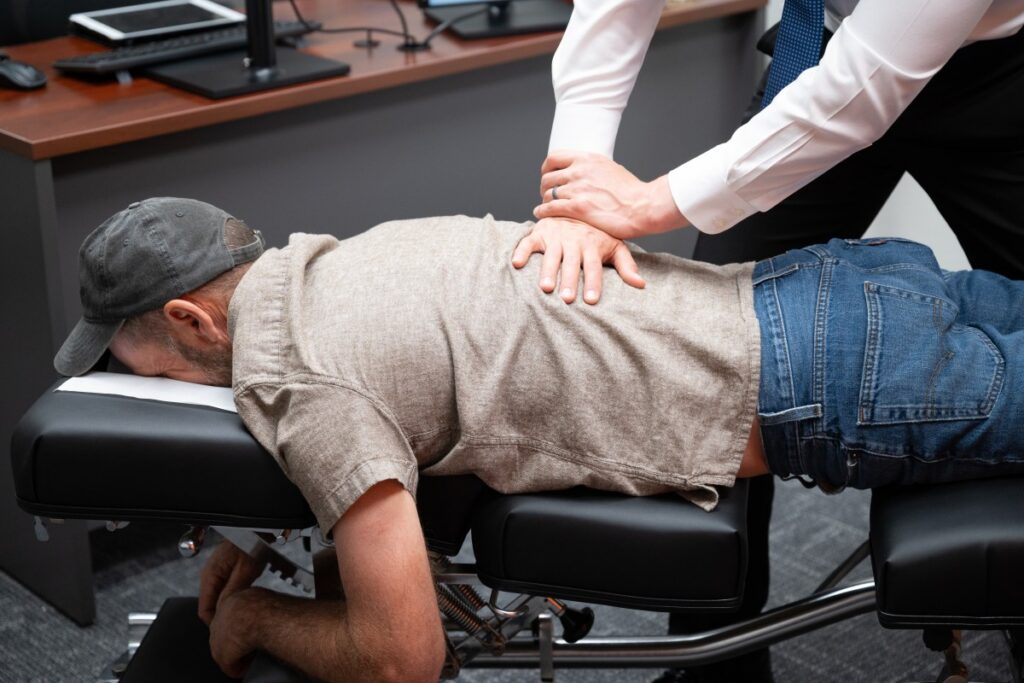
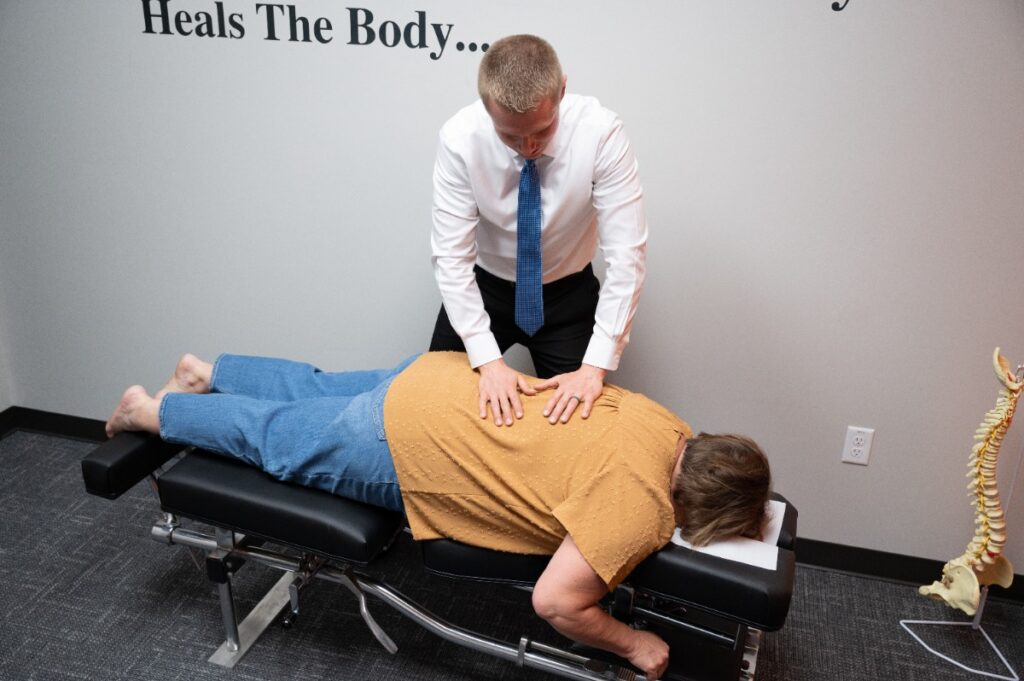
Instead, I encourage you to explore chiropractic care as a holistic approach to managing your back pain. Chiropractic adjustments focus on aligning the spine and improving the function of your nervous system, which can lead to significant relief. Our goal is to identify and treat the root cause of your pain, rather than just masking the symptoms.
Physical therapy is often a complementary avenue we recommend. A skilled therapist can develop a customized exercise regimen that strengthens your core, enhances flexibility, and improves your posture, all essential components for long-term relief. Additionally, learning proper body mechanics during your treatment can help prevent future injuries and promote a healthier lifestyle.
In cases where conservative methods aren't yielding the desired results, we may discuss the possibility of more advanced treatments. While injections like corticosteroids can provide temporary relief by reducing inflammation, they may not address the underlying issue. As a chiropractor, I prefer to focus on natural healing techniques that promote the body's innate ability to heal itself.
Surgical options are typically considered a last resort and are generally unnecessary when pursuing chiropractic care and other natural therapies. Procedures such as discectomy or spinal fusion may be warranted for severe structural problems, but we prioritize non-invasive treatments first.
It's crucial to assess your unique condition with a healthcare professional who understands chiropractic care. Together, we can tailor a treatment plan that suits your specific needs, ensuring you remain proactive and dedicated to achieving lasting relief from back pain.
Let's work together to find the approach that resonates with you and supports your journey to wellness.
Alternative Therapies
As a local chiropractor, I want to share how alternative therapies can be a vital part of managing back pain, complementing traditional treatments.
These methods take a holistic approach, focusing on both the physical and emotional facets of your discomfort. By integrating alternative therapies into your routine, you may uncover new pathways to relief.
Here are four popular options that I often recommend to my patients:
- Acupuncture: This ancient Chinese practice uses thin needles placed at specific points on the body to help balance your energy and alleviate pain. Many of my patients have experienced significant reductions in back pain after just a few acupuncture sessions.
- Chiropractic Care: My primary focus as a chiropractor is diagnosing and treating musculoskeletal issues. Through spinal adjustments and manipulations, I work to restore proper alignment in your spine. This realignment can lead to considerable pain relief and improved functionality.
- Massage Therapy: Therapeutic massage is another effective option for reducing muscle tension and enhancing circulation in your back. Whether you prefer deep tissue techniques or relaxation massage, I can recommend skilled therapists who can tailor treatments to address your specific pain areas.
- Yoga: Incorporating gentle stretches and strengthening exercises, yoga can improve flexibility and promote better posture. I often suggest that my patients practice yoga regularly, as it may help alleviate back pain and contribute to their overall well-being.
Exploring these alternative therapies can help you find the combination that works best for your unique situation.
It's essential to consult with me or another healthcare professional before starting any new treatment, ensuring that it aligns with your overall wellness plan.
Lifestyle Changes for Relief
As your local chiropractor, I want to share some valuable insights on how simple lifestyle changes can significantly alleviate your back pain. One of the first steps is to pay attention to your posture throughout the day. Proper alignment can make a world of difference in how you feel.
Additionally, incorporating stretching and strengthening exercises into your routine can help support your spine and enhance your overall flexibility.
Another important aspect to consider is the ergonomics of your workstation. Ensuring that your desk, chair, and computer setup are designed to support your body properly can prevent unnecessary strain on your back.
Posture Improvement Techniques
As a local chiropractor, I want to share some valuable insights about how improving your posture can significantly alleviate back pain. Many of my patients are surprised to learn that adopting better posture habits not only relieves discomfort but also helps prevent future issues.
Here are four effective techniques you can begin implementing today:
- Sit Smart: It's essential to choose a chair that provides adequate support for your lower back. When you sit, keep your feet flat on the ground and ensure that your knees are at the same level as your hips. This positioning can enhance your spinal alignment and reduce strain.
- Stand Tall: When standing, make sure to distribute your weight evenly across both feet. Keeping your shoulders back and aligning your head with your spine is crucial. A slight bend in your knees can also help maintain a comfortable, balanced posture.
- Mind Your Screen: If you spend a lot of time at a computer, it's vital to position your screen at eye level. This simple adjustment can help prevent neck strain and encourages a more neutral spine, which is key for overall spinal health.
- Take Breaks: Remember to get up and stretch every 30 minutes. This practice can reset your posture and relieve built-up tension in your muscles. Regular breaks aren't just beneficial for your posture; they also promote better circulation and overall well-being.
By incorporating these techniques into your daily routine, you can experience significant improvements in your posture and, consequently, your back health.
If you're interested in learning more about how chiropractic care can support your journey to better posture, feel free to reach out!
Stretching and Strengthening Exercises
As a local chiropractor dedicated to helping patients understand the benefits of natural healing, I want to emphasize the importance of incorporating stretching and strengthening exercises into your daily routine for back pain relief. These exercises play a critical role in enhancing flexibility and building the muscles that support your spine, both of which are essential for maintaining a healthy back.
To begin, I recommend starting with gentle stretches such as the cat-cow pose or child's pose. These stretches are designed to alleviate tension in your back and improve your range of motion. When performing these stretches, hold each position for about 15 to 30 seconds while focusing on your breath. Deep breathing can significantly enhance relaxation and effectiveness during your stretching routine.
Once you've incorporated stretching, it's crucial to shift your focus to strengthening your core muscles. A strong core is vital for providing support to your back and preventing pain. Exercises like planks, bridges, and pelvic tilts can be incredibly beneficial. I suggest aiming for two to three sets of 10 to 15 repetitions for each exercise, gradually increasing the intensity as you become stronger.
Remember, consistency is key. I encourage you to set aside time each day to engage in these exercises. You might even integrate them into your warm-up routine before any physical activity.
It's important to listen to your body; if you experience any pain, please stop and adjust your technique. By committing to this routine, you'll likely notice a reduction in back pain, along with an overall improvement in your posture and mobility. This holistic approach can greatly enhance your well-being and support the healing process.
Ergonomic Workstation Setup
As a chiropractor dedicated to helping patients understand the importance of spinal health, I want to emphasize the significance of setting up an ergonomic workstation to manage and alleviate back pain.
A thoughtfully arranged workspace not only enhances your comfort but also reduces your risk of injury, which is essential for maintaining a healthy spine.
Here are four key components to consider when creating your ergonomic setup:
- Chair: Select an adjustable chair that provides adequate support for your lower back. Ensure that your feet can rest flat on the floor or on a footrest, as this promotes proper alignment and reduces strain on your spine.
- Desk Height: Your desk should be positioned at elbow height when you're seated. This setup allows your arms to rest comfortably while typing, which is crucial for preventing tension and discomfort in your shoulders and neck.
- Monitor Position: It's important to set your monitor at eye level, about an arm's length away. This prevents you from straining your neck and encourages better posture, making a significant difference in your overall spinal health.
- Keyboard and Mouse: Place your keyboard and mouse close enough that you don't have to reach for them. Your wrists should remain straight, and your hands should hover comfortably above them. This simple adjustment can help prevent repetitive strain injuries.
By incorporating these ergonomic principles into your workspace, you can support your spinal health and reduce the likelihood of experiencing discomfort or pain.
Personal Stories of Triumph
As a local chiropractor, I've witnessed countless individuals overcome debilitating back pain and reclaim their lives through determination and the natural healing methods we offer. If you're grappling with discomfort, I encourage you to find inspiration in the journeys of those who've faced similar struggles.
Take Sarah, for example. After years of discomfort from her desk job, she reached a turning point and decided to seek help. By integrating chiropractic adjustments into her routine along with daily stretches and strength-building exercises, she experienced a remarkable transformation. Within months, she felt stronger and more energized, effectively leaving her back pain behind.
Then there's Mike, who faced a more significant challenge after a sports injury left him in agony. Rather than giving into despair, he sought my help, where we developed a targeted rehabilitation plan that included chiropractic care and specific exercises. Mike committed to this process, and after several months, not only did he regain his mobility, but he also discovered a newfound passion for yoga. This practice helped him maintain his progress and further support his well-being.
You may also relate to Emma's journey. After years of battling chronic pain, she explored various treatment options, including chiropractic care. Through consistent adjustments and the incorporation of alternative therapies like acupuncture and mindfulness meditation, she learned to manage her pain effectively.
Emma's experience shows that recovery can indeed come from unexpected places, and that a holistic approach can lead to significant improvements.
These stories highlight that the road to recovery isn't always straightforward, but it's very much possible. You have the power to change your narrative. Whether it's through chiropractic care, exercise, or additional therapies, there's hope and healing available to you.
Embrace your journey towards wellness, and remember that triumph over pain is within your reach. I'm here to help guide you every step of the way.
Moving Forward With Confidence
As your local chiropractor, I want to emphasize the importance of incorporating physical activity into your recovery journey.
Embracing movement isn't solely about strengthening your body; it's also crucial for building mental resilience. By addressing both your physical and mental health, you'll become more capable of tackling challenges and rediscovering the joy in everyday life.
Chiropractic care plays a vital role in this process by ensuring your body is aligned and functioning optimally, which can enhance your ability to engage in physical activities.
Together, we can work towards a healthier, more confident you!
Embracing Physical Activity
As a local chiropractor, I want to share how embracing regular physical activity can significantly aid in managing back pain while boosting your overall confidence.
Moving your body not only strengthens your muscles but also enhances flexibility, both of which are crucial for supporting your spine. Here are four effective ways to incorporate physical activity into your routine:
- Start Slow: If you're new to exercise, it's essential to ease into it. Begin with gentle activities such as walking or simple stretching. Gradually increase the intensity and duration as your body becomes more accustomed to the movements.
- Focus on Core Strength: A strong core is fundamental for a healthy back. Incorporate exercises that engage your core muscles, such as planks and bridges. These exercises provide essential support for your spine and can help alleviate discomfort.
- Stay Consistent: Aim for at least 150 minutes of moderate exercise each week. Consistency is crucial in building strength and reducing pain over time. Regular movement can significantly enhance your overall well-being.
- Listen to Your Body: It's important to tune in to how your body reacts during and after physical activities. If you experience pain or discomfort, don't hesitate to modify your routine. Your body will guide you in finding what works best for you.
By incorporating these practices into your lifestyle, you can take an active role in your recovery and overall health.
Building Mental Resilience
Building mental resilience is crucial for managing the challenges associated with back pain, and as your local chiropractor, I want to help you understand how to cultivate this resilience. When you're dealing with discomfort and physical limitations, feeling overwhelmed or defeated is a common reaction. However, developing a resilient mindset can empower you to face these challenges head-on with confidence.
First and foremost, it's important to acknowledge your feelings. Frustration and sadness are natural responses to pain. Rather than pushing these emotions aside, embrace them as part of your healing journey. Techniques such as mindfulness meditation and deep breathing exercises can help center your thoughts and alleviate anxiety, aiding in your overall recovery.
I encourage you to set small, attainable goals each day. This could be something as simple as taking a short walk or experimenting with a new relaxation technique. Celebrate these achievements, no matter how insignificant they may seem. Each small victory reinforces your ability to cope and adapt, which is vital in the healing process.
Surrounding yourself with supportive friends and family who understand your experiences can also make a significant difference. Sharing your journey and listening to others can help you feel less isolated in your struggles.
Lastly, remember that setbacks are a normal aspect of recovery. I want you to see each challenge as an opportunity for growth and learning. By building mental resilience, you'll discover that you aren't just coping with back pain—you are thriving despite it.
As your chiropractor, I'm here to guide you on this journey towards both physical and mental wellness.
Conclusion
As a local chiropractor, I want to emphasize that finding relief from back pain is a journey that requires both patience and persistence. It's important to first understand the nature of your pain, as this knowledge will guide us in exploring various treatment options tailored to your individual needs.
Chiropractic care focuses on the relationship between the spine and the nervous system, and it can be a powerful tool in alleviating back pain. By realigning the spine through gentle adjustments, we can help restore proper function and mobility, reducing pain and discomfort. Additionally, I encourage you to consider complementary therapies such as massage, physical therapy, and acupuncture, which can enhance your recovery process.
Lifestyle changes play a crucial role in managing back pain as well. Incorporating regular exercise, maintaining a healthy diet, and practicing good posture can significantly improve your overall well-being. Prioritizing your mental health is equally important; stress management techniques can contribute positively to your healing journey.
Remember, you are not alone in this process. Many have successfully overcome similar challenges with the right support and determination. Together, we can work towards reclaiming your active and fulfilling life, so you can move forward with confidence. I'm here to guide you every step of the way on your path to natural healing.