
If you're dealing with chronic back pain, you may feel overwhelmed by the options available to you. Non-invasive solutions like physical therapy, chiropractic care, and even innovative technologies can offer relief without the risks associated with surgery. You might be surprised to learn how these approaches not only ease pain but also empower you to take charge of your health. So, what are the most effective methods you can explore, and how can they fit into your daily routine?
Understanding Chronic Back Pain
Chronic back pain can be a frustrating experience, especially when it lingers for weeks or even months. You might find yourself struggling to perform daily tasks, from simple chores to enjoying favorite activities. Understanding the nature of your back pain is essential for managing it effectively.
Back pain often stems from various sources, such as muscle strain, ligament injuries, or degenerative conditions. You may have overexerted yourself or experienced poor posture, leading to strain on your back muscles and ligaments. In some cases, underlying issues like herniated discs or arthritis can contribute to ongoing discomfort.
It's important to recognize that chronic pain can also be influenced by emotional and psychological factors. Stress, anxiety, and depression can heighten your perception of pain, making it feel more severe.
Diagnosing the root cause of your chronic back pain typically involves a thorough evaluation by a healthcare professional. They may recommend imaging tests or physical exams to pinpoint the issue. Once you understand the cause, you can adopt strategies to alleviate your discomfort.
You should also pay attention to your body's signals. Maintaining a healthy weight, practicing good posture, and engaging in regular exercise can help ease your pain. Staying informed about your condition empowers you to take control and seek appropriate remedies.
Ultimately, understanding chronic back pain is the first step in reclaiming your life and finding relief.
Benefits of Physical Therapy
Physical therapy offers you a pathway to enhanced mobility and strength, helping you regain control over your body.
You'll learn effective pain management techniques tailored to your specific needs, making daily activities easier.
With consistent effort, you can experience significant improvements in your quality of life.
Enhanced Mobility and Strength
Improved mobility and strength are vital components in managing back pain, and physical therapy offers targeted strategies to achieve both. When you engage in a personalized physical therapy program, you'll learn exercises designed to enhance your flexibility and strengthen the muscles that support your spine. This approach not only alleviates pain but also helps prevent future injuries.
As you progress through your therapy, you'll notice an increase in your range of motion. Simple activities like bending, lifting, or even sitting will become more manageable. Your therapist will guide you through specific movements that focus on core stability, which is essential for maintaining proper posture and reducing strain on your back.
Incorporating strength training into your routine can also lead to better overall body mechanics. Stronger muscles provide better support for your spine, which means less discomfort during daily activities.
Additionally, as you build strength, you may find that you can engage in activities you once avoided, improving your overall quality of life.
Ultimately, enhanced mobility and strength through physical therapy empower you to take control of your back pain, leading to a more active and fulfilling lifestyle.
Pain Management Techniques
Managing back pain effectively often requires a multifaceted approach, and physical therapy provides several valuable techniques to alleviate discomfort. Through targeted exercises, you'll strengthen the muscles supporting your spine, which can lead to improved posture and reduced pain.
A physical therapist will tailor a program specifically for you, addressing your unique needs and limitations.
Manual therapy, another key component, involves hands-on techniques that help relieve tension in tight muscles and improve circulation. This can enhance your mobility and promote relaxation, making daily activities more manageable.
Additionally, your therapist may incorporate modalities like heat or cold therapy to further alleviate pain.
Education is also an essential part of physical therapy. You'll learn about proper body mechanics, ergonomic practices, and techniques to prevent future injuries.
This knowledge empowers you to take control of your pain management and make informed decisions about your activities.
Role of Chiropractic Care
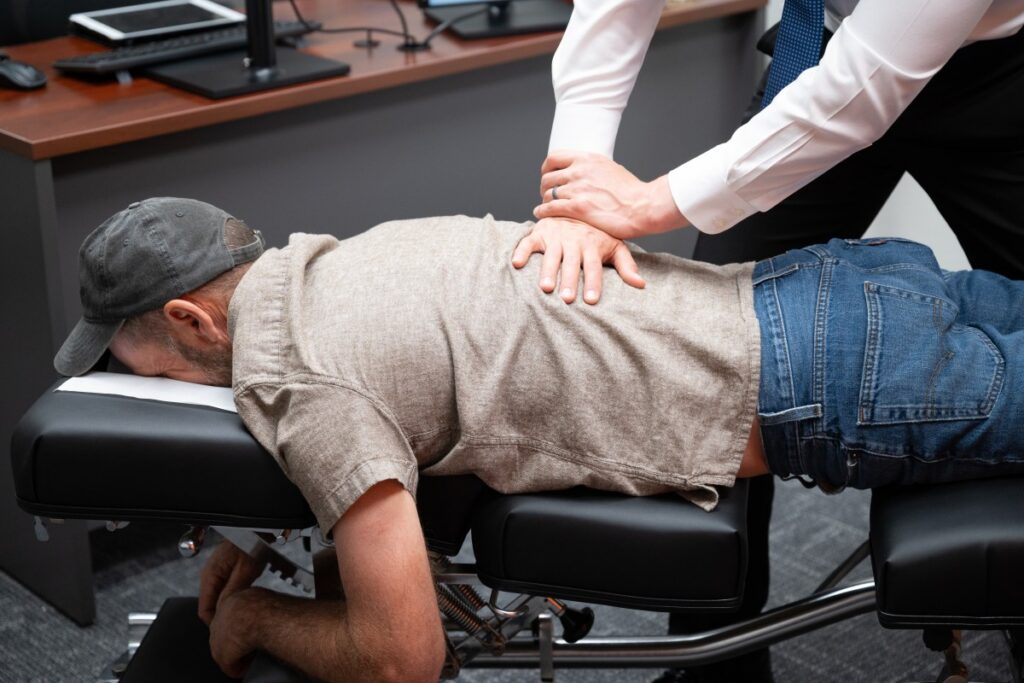
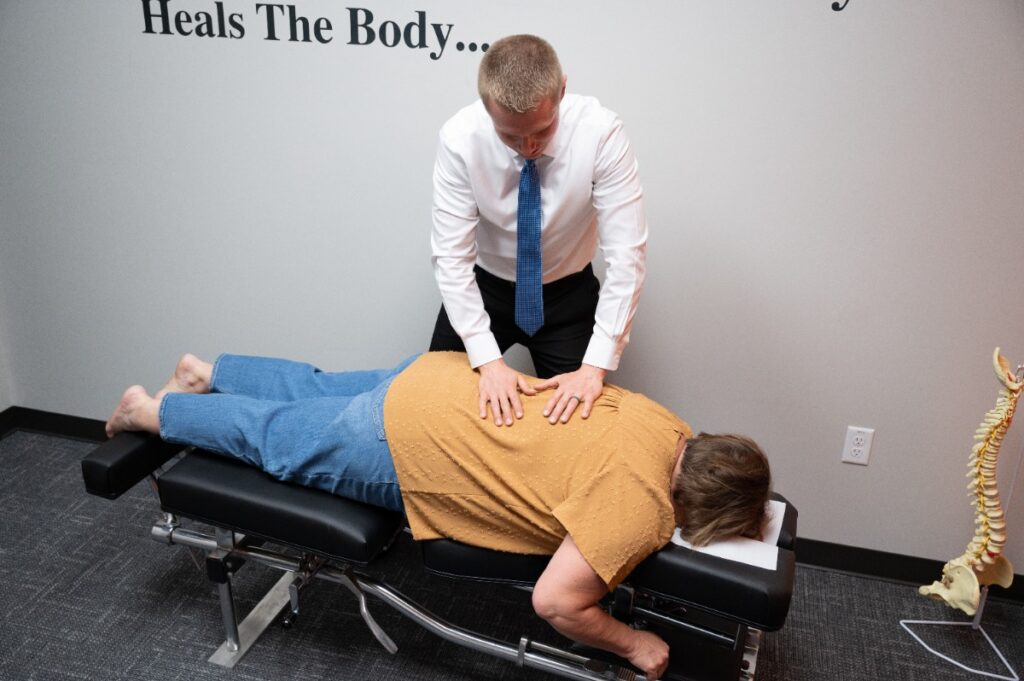
When it comes to addressing chronic back pain, chiropractic care stands out as a promising non-invasive option. This approach focuses on diagnosing and treating musculoskeletal issues, particularly those related to the spine. By realigning misaligned vertebrae, chiropractors aim to alleviate pain, improve mobility, and enhance overall function.
You might find that regular chiropractic adjustments can help reduce tension in your muscles and joints. This not only eases discomfort but can also prevent future flare-ups. Many patients report significant improvements in their pain levels and a greater range of motion after just a few sessions.
The best part is that chiropractic care often works well in conjunction with other non-invasive treatments, making it a versatile addition to your pain management plan.
During your visits, your chiropractor will likely perform a thorough assessment to identify the root causes of your back pain. They may use various techniques, such as spinal manipulation, soft tissue therapy, and therapeutic exercises tailored to your specific needs.
These approaches can empower you to actively participate in your recovery.
It's important to remember that while chiropractic care can be effective, it isn't a one-size-fits-all solution. You'll want to communicate openly with your chiropractor about your symptoms and treatment goals.
Mindfulness and Pain Management
Incorporating mindfulness into your pain management strategy can complement the benefits gained from chiropractic care. Mindfulness practices, such as meditation and focused breathing, encourage you to become more aware of your body and its sensations, allowing you to respond to pain with greater clarity and calmness. Instead of getting overwhelmed by discomfort, you can learn to observe it without judgment.
When you practice mindfulness, you train your mind to stay present. This focus can help reduce anxiety and stress, which often exacerbate chronic back pain. By acknowledging your pain without fear or resistance, you can create a sense of distance, making it easier to manage. Techniques like body scans can help you identify areas of tension, guiding your awareness to release tightness and promote relaxation.
Additionally, mindfulness can enhance your overall well-being. It encourages healthier coping mechanisms, steering you away from negative thought patterns that can contribute to your pain experience. When you're more mindful, you're less likely to dwell on past discomfort or worry about future flare-ups. Instead, you can cultivate a more positive outlook, which can greatly impact your pain perception.
Incorporating mindfulness into your daily routine doesn't require hours of practice. Just a few minutes of focused breathing or meditation each day can make a difference. With consistency, you'll likely find that mindfulness becomes a valuable tool in your journey to manage chronic back pain more effectively.
Innovative Technologies in Treatment
When it comes to managing chronic back pain, innovative technologies are changing the game.
You might find relief with wearable pain relief devices, explore virtual reality therapy, or consider neuromodulation techniques.
Each of these options offers unique benefits, making it easier for you to find the right approach for your needs.
Wearable Pain Relief Devices
Wearable pain relief devices are revolutionizing the way we manage chronic back pain, offering a convenient and innovative approach to treatment. These devices, which often resemble smartwatches or fitness bands, utilize advanced technology to provide targeted relief. Whether through electrical stimulation, heat therapy, or ultrasound, they can help alleviate discomfort right where you need it.
You might find these devices particularly appealing because they're designed for everyday use. Simply strap one on and go about your daily activities, allowing the device to work discreetly while you live your life.
Many wearable devices come with customizable settings, letting you adjust the intensity and mode to suit your specific needs. Moreover, they often sync with smartphone apps, enabling you to track your pain levels and treatment effectiveness over time. This data can empower you to make informed decisions about your pain management strategies.
With their non-invasive nature, these devices can serve as a valuable addition to your overall treatment plan. If you're seeking a modern solution to chronic back pain, consider exploring the various wearable options available. You might just find the relief you've been searching for.
Virtual Reality Therapy
Virtual reality therapy presents an exciting frontier in the treatment of chronic back pain, merging technology with therapeutic techniques to create immersive experiences that distract the mind and alleviate discomfort.
Imagine putting on a VR headset and being transported to a serene beach or a tranquil forest, where you can engage in guided exercises designed to relieve tension in your back.
This innovative approach not only offers a break from the pain but also encourages movement and physical therapy in a controlled, enjoyable environment. You've got the opportunity to practice deep breathing and relaxation techniques while feeling immersed in a calming landscape, which can enhance your overall healing process.
Studies show that patients using virtual reality therapy report reduced pain levels and improved emotional well-being. It's not just about the visuals; the interactive nature of VR keeps you engaged, making it easier to forget about the sensations of pain.
If you're looking for a fresh perspective on managing your chronic back pain, consider exploring virtual reality therapy. It might just provide the distraction and relief you've been seeking, all while incorporating a fun and innovative approach to your treatment plan.
Neuromodulation Techniques
Neuromodulation techniques are revolutionizing the way chronic back pain is treated, offering innovative solutions that target nerve activity to alleviate discomfort. These methods adjust the way your nervous system processes pain signals, providing a more effective approach than traditional treatments.
One popular technique is transcutaneous electrical nerve stimulation (TENS), which uses low-voltage electrical currents to disrupt pain signals before they reach the brain. You can apply TENS units at home, making it a convenient option for daily management.
Another promising technique is spinal cord stimulation (SCS). This involves implanting a device that sends electrical impulses to the spinal cord, effectively masking pain sensations. While SCS requires a minor surgical procedure, many patients report significant pain relief and improved quality of life.
You might also consider peripheral nerve stimulation, which targets specific nerves responsible for pain transmission. This outpatient procedure has shown positive results for many chronic back pain sufferers.
As these neuromodulation techniques continue to advance, they offer hope for long-lasting relief without the need for invasive surgeries or opioid medications. By exploring these options, you're taking an important step towards managing your chronic back pain effectively.
Lifestyle Changes for Relief
Making simple lifestyle changes can greatly relieve chronic back pain over time. Start by focusing on your posture. Whether you're sitting at a desk or standing in line, maintaining a neutral spine can reduce strain on your back. Invest in an ergonomic chair and take regular breaks to stretch and move around.
Next, incorporate regular physical activity into your routine. Low-impact exercises like walking, swimming, or yoga can strengthen your back muscles and improve flexibility. Aim for at least 30 minutes of moderate exercise most days of the week. Don't forget to listen to your body—if something hurts, modify your approach.
Nutrition also plays an essential role in pain management. A balanced diet rich in anti-inflammatory foods, such as fruits, vegetables, whole grains, and healthy fats, can help reduce inflammation and support overall health. Staying hydrated is equally important, so drink plenty of water throughout the day.
Consider your sleep habits too. A good night's sleep is vital for recovery, so invest in a supportive mattress and pillow. Try to stick to a consistent sleep schedule, aiming for 7-9 hours each night.
Lastly, manage stress through mindfulness techniques or deep breathing exercises. Stress can exacerbate pain, so find activities that help you relax, whether it's meditation, reading, or spending time in nature.
Conclusion
In your journey to manage chronic back pain, embracing non-invasive solutions can transform your life. By exploring physical therapy, chiropractic care, and innovative technologies, you can find effective relief without resorting to surgery. Incorporating mindfulness and making lifestyle changes, like improving your posture and exercising regularly, empowers you to take charge of your pain management. Remember, you're not alone in this; countless options are available to help you live a healthier, more comfortable life.