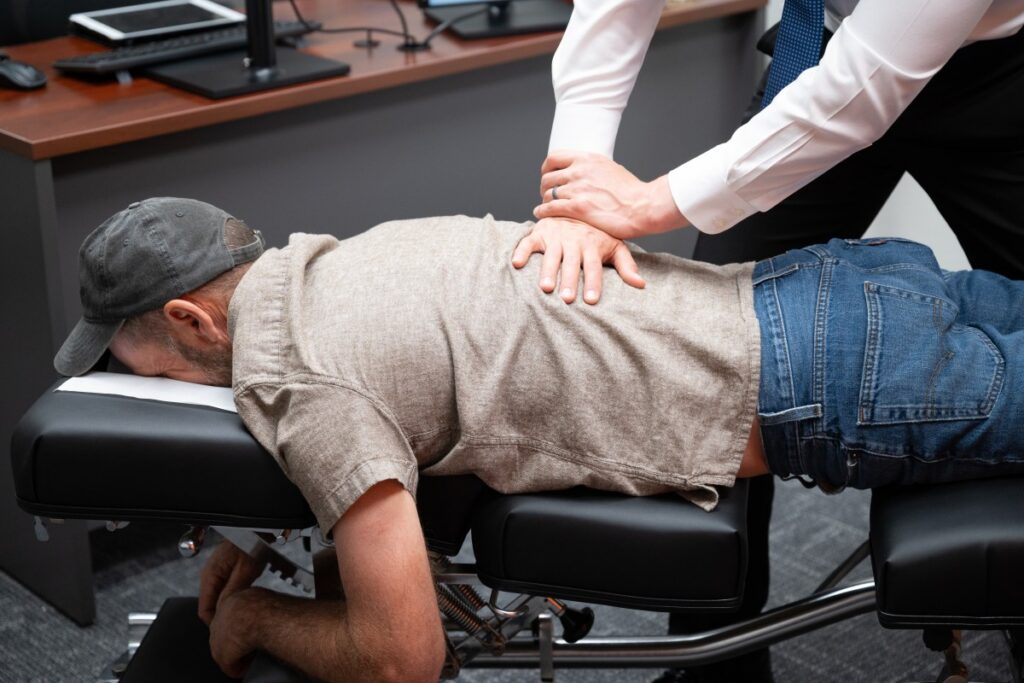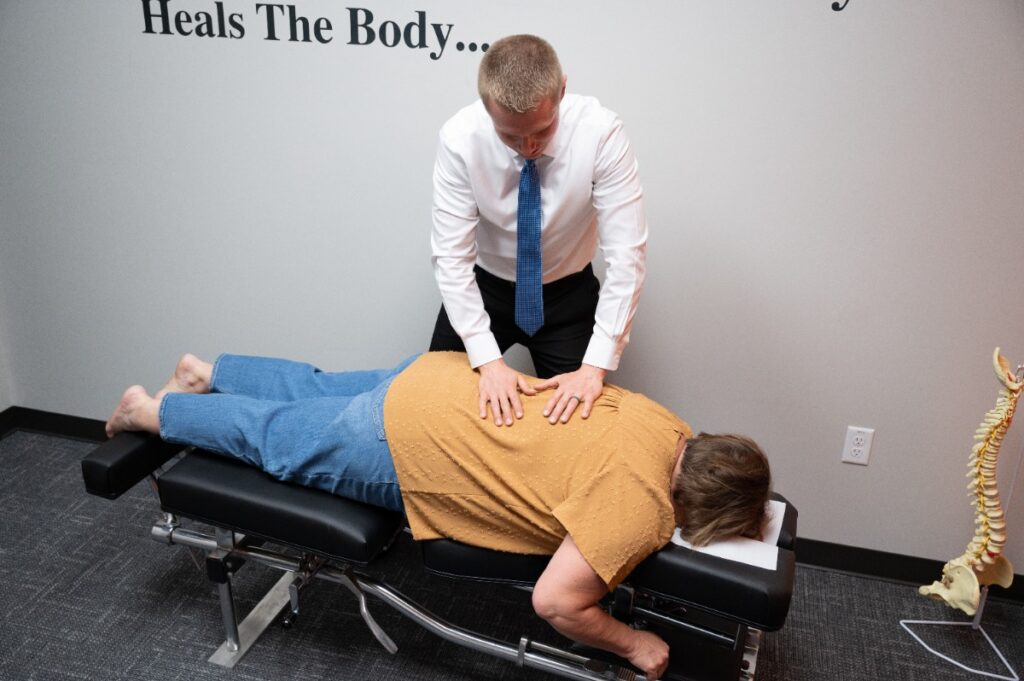

When dealing with a sports injury, it's crucial to understand the right recovery techniques to enhance your healing process. As your local chiropractor, I want to emphasize the importance of early intervention; addressing an injury promptly can lay the groundwork for effective rehabilitation.
Incorporating targeted chiropractic adjustments and exercises, alongside proper nutrition, can significantly aid your recovery and help you prepare for a stronger comeback. Additionally, we must not overlook the mental aspect of healing. Exploring psychological strategies can foster resilience and improve your overall recovery experience.
So, what steps should you take to ensure a thorough recovery? By working with a chiropractor, you can receive personalized care that supports both your physical and mental well-being, guiding you on your journey back to peak performance.
Understanding Sports Injuries
When it comes to sports injuries, it's crucial to recognize that they can affect anyone, regardless of your level of experience. Whether you play sports on the weekends or compete at a professional level, injuries can unexpectedly occur. As a chiropractor, I want to help you understand the types of injuries you might encounter and how you can prevent and recover from them naturally.
Common injuries I see in my practice include sprains, strains, fractures, and tendonitis. Sprains and strains typically result from twisting or overstretching, while fractures may occur due to direct impact or falls. Tendonitis is often linked to repetitive movements and overuse. Being aware of the signs—such as swelling, pain, or limited mobility—can enable you to seek care sooner, which is vital for effective recovery.
It's also important to identify risk factors that could lead to injuries. Poor technique, skipping warm-ups, and lack of conditioning can significantly increase your chances of getting hurt. Understanding your physical limitations is essential; pushing yourself too hard can lead to injuries that may keep you on the sidelines longer than you'd like.
As a chiropractor, I emphasize the importance of understanding your body's mechanics during physical activities. Maintaining proper posture and alignment can help reduce stress on your muscles and ligaments, which is key in preventing injuries.
Additionally, incorporating strength training and flexibility exercises into your routine can improve your overall stability and resilience.
By being informed about sports injuries and how they relate to your body, you can make smarter decisions about your activities. This knowledge allows you to enjoy your favorite sports while minimizing the risk of injury.
Importance of Early Intervention
As a local chiropractor, I want to emphasize the critical role of early intervention in recovering from sports injuries. If you've experienced an injury, addressing it promptly is key to ensuring a smoother healing process. Delaying treatment or ignoring symptoms can lead to complications that may prolong your recovery and even result in long-term damage.
When you notice signs such as pain, swelling, or decreased mobility, it's essential to seek professional help as soon as possible. In the chiropractic realm, early intervention often involves techniques like rest, ice, compression, and elevation (RICE) to help reduce inflammation and alleviate pain. These initial measures lay the groundwork for a more effective recovery.
Seeking chiropractic care early on also allows for accurate diagnosis of your injury. As a trained professional, I can assess the severity of your condition and develop a personalized treatment plan that addresses your specific needs. This may include recommendations for imaging tests, like X-rays or MRIs, which can uncover underlying issues that require attention.
Taking swift action not only aids your physical recovery but also helps prevent secondary injuries. If you alter your movement patterns to compensate for an injury, you risk straining other muscles or joints. By addressing the primary injury right away, we can minimize the likelihood of additional complications.
Furthermore, early intervention has mental health benefits as well. Knowing that you're taking proactive steps towards recovery can alleviate anxiety and keep you motivated. It reinforces the idea that you're engaged in your own healing process.
Rehabilitation Exercises
As a local chiropractor, I want to emphasize the importance of rehabilitation exercises in your recovery journey after a sports injury. These exercises are crucial for restoring strength, flexibility, and functionality to the affected area, allowing you to safely return to the activities you love. By incorporating rehabilitation exercises into your daily routine, you can significantly speed up your healing process.
Begin with gentle movements to evaluate what your body can handle. Range-of-motion exercises are vital in maintaining flexibility and preventing stiffness, which can hinder your recovery. As you become more comfortable, it's important to gradually introduce strength training. This helps build muscle support around the injured area. Using resistance bands or bodyweight exercises can be particularly effective in this stage. Remember to focus on controlled movements to prevent any risk of re-injury.
Balance and proprioception exercises are particularly important, especially for injuries to the lower limbs. Simple activities like standing on one leg or incorporating a balance board can greatly enhance your stability and coordination. These exercises not only improve your overall performance but also foster confidence in your physical abilities as you heal.
It's crucial to listen to your body during this rehabilitation process. If you encounter pain or discomfort, please stop and consult with your healthcare provider before continuing. Consistency is vital; aim to engage in your exercise routine several times a week. Keeping track of your progress can serve as a powerful motivator and help you stay committed to your recovery.
Lastly, I recommend adding variety to your exercises to keep your routine fresh and engaging. Incorporating different movements can target various muscle groups and prevent monotony in your workouts. By committing to these rehabilitation exercises, you're taking significant strides toward a successful recovery and a return to your peak performance.
Role of Physical Therapy
Chiropractic care plays a vital role in your recovery from sports injuries, complementing the rehabilitation exercises you may have already started.
Working with a chiropractor can significantly enhance your healing process by offering targeted adjustments and personalized care. We'll assess your specific injury and create a tailored treatment plan designed for your unique needs.
Here are three key benefits of chiropractic care during your recovery:
- Pain Relief: Chiropractors utilize various techniques, including spinal adjustments and soft tissue therapy, to help alleviate pain. These methods can ease discomfort and make your rehabilitation exercises more manageable and effective.
- Enhanced Mobility: A chiropractor focuses on restoring your range of motion and flexibility. We guide you through specific adjustments and exercises aimed at reducing stiffness and improving mobility, which is essential for your return to sports.
- Strengthening Support: After an injury, rebuilding strength is crucial. Your chiropractor will introduce gradual strengthening exercises that help restore muscle function and minimize the risk of future injuries. We closely monitor your progress to ensure you're on the right track.
Incorporating chiropractic care into your recovery strategy not only accelerates the healing process but also provides you with the tools to prevent re-injury down the line.
By actively engaging in your recovery, you'll be setting yourself up for long-term success and a safe return to your favorite sports activities.
Embrace the benefits of natural healing through chiropractic care, and let's help you get back to doing what you love!
Nutrition for Recovery
As a local Chiropractor, I want to emphasize the crucial role nutrition plays in your recovery from sports injuries. Your body's healing process is directly influenced by what you eat, and by focusing on a balanced diet rich in essential nutrients, you can significantly enhance your recovery.
First and foremost, let's talk about protein. It's vital for repairing tissues and building muscle, so prioritize lean sources like chicken, fish, beans, and legumes in your meals. Consuming protein shortly after an injury can be particularly beneficial, as it kickstarts the healing process.
In addition to protein, it's important to include plenty of fruits and vegetables in your diet. These foods are packed with vitamins and minerals that support recovery. For instance, Vitamin C, found in oranges and strawberries, is essential for collagen formation, which is crucial for tissue repair. Zinc, which you can find in nuts and seeds, plays a key role in wound healing and boosting your immune system.
Let's not forget about healthy fats! Omega-3 fatty acids, found in fatty fish like salmon, can help reduce inflammation and promote healing. You might also consider adding sources like walnuts and flaxseeds to your meals for an extra boost.
Hydration is another critical aspect of recovery. Water is essential for nutrient transport and maintaining optimal bodily functions. Dehydration can slow down your healing process, so it's important to drink plenty of fluids throughout the day, especially after exercise.
Lastly, consider the timing of your meals. Eating small, frequent meals can provide a steady supply of nutrients to support your recovery. It's best to avoid processed foods and sugars, as these can hinder your healing.
By focusing on a nutrient-dense diet, you're not only laying the groundwork for a successful recovery but also empowering your body to bounce back stronger than ever.
As your Chiropractor, I'm here to support you in your healing journey. Together, we can explore how nutrition, alongside chiropractic care, can aid in your recovery and overall well-being.
Mental Strategies for Healing
As a local chiropractor, I want to emphasize how your mindset is a vital component in the recovery process from sports injuries. By incorporating mental strategies into your healing journey, you can enhance your recovery and regain confidence more swiftly.
Here are three effective techniques I recommend to support your rehabilitation:
- Visualization: Take a moment to visualize yourself fully healed and back to your favorite activities. This technique can be incredibly powerful, as imagining your progress can reinforce positive outcomes and motivate you to stay dedicated to your rehabilitation. Envision every detail, from how you move to the excitement of competing again.
- Positive Affirmations: The way you speak to yourself matters. It's essential to replace any negative thoughts with positive affirmations that encourage healing and strength. Simple phrases like "I am strong," "I am healing daily," or "I will return better than before" can significantly shift your mindset and enhance your determination.
- Mindfulness and Relaxation Techniques: I encourage you to incorporate mindfulness practices, such as meditation or deep breathing exercises, into your daily routine. These techniques can help reduce anxiety and enable you to stay present, allowing your body to concentrate on healing rather than fixating on pain or setbacks.
Preventing Future Injuries
As a local chiropractor, I want to share some valuable insights on how to prevent injuries and maintain your overall health through natural approaches.
It's essential to adopt a proactive mindset when it comes to your training and daily activities. One of the foundational steps is to incorporate a thorough warm-up routine before engaging in any physical activity. This should include dynamic stretches and mobility exercises that specifically target the muscles and joints you'll be using. Proper warming up can enhance blood circulation and prepare your body for the physical demands it will face.
Strength training is another critical component of injury prevention. By building strength in key muscle groups, you can help stabilize your joints and absorb impact, significantly reducing the risk of injuries. I recommend a balanced strength training program that addresses all major muscle groups, with special attention to any areas that may feel weak or vulnerable.
Flexibility is equally important. Incorporating regular stretching into your routine can improve your range of motion and alleviate muscle tension. Activities like yoga or Pilates can be particularly beneficial, as they not only enhance flexibility but also strengthen your core, which is vital for overall stability.
It's important to emphasize the role of rest and recovery in your training regimen. Overtraining can lead to fatigue and increase your chances of injury. Be sure to schedule regular rest days and listen to your body. If you experience pain or discomfort, it's crucial to allow yourself time to heal rather than ignoring the signals your body is sending.
Lastly, don't underestimate the importance of the right gear. Proper footwear and equipment tailored to your specific sport can significantly lower your risk of injury. Prioritize comfort and support to help you perform optimally while minimizing risks.
When to Seek Professional Help
When it comes to injury recovery, even the best prevention strategies can't always shield you from needing professional assistance. As a local chiropractor dedicated to natural healing, I want to share some important signs that indicate it may be time for you to consult with a healthcare professional, like myself, for a thorough evaluation.
- Persistent Pain: If you're dealing with pain that lingers for days despite rest, ice, or over-the-counter medications, it's crucial to seek help. Continuous pain can be a sign of an underlying issue that requires expert assessment. Chiropractic care can often identify and address the root cause of your discomfort.
- Swelling or Bruising: Significant swelling or bruising, especially when paired with intense pain, shouldn't be ignored. These symptoms may point to a sprain, strain, or even a fracture that needs immediate attention. As a chiropractor, I can provide gentle adjustments and therapies that may help reduce inflammation and promote healing.
- Inability to Move: If you find it difficult to move a joint or limb without experiencing significant discomfort, or if you're unable to bear weight on an injured area, seeking professional intervention is essential. Limited mobility can lead to further complications if not addressed promptly. Chiropractic care can enhance your range of motion and support your body's natural healing process.
By recognizing these signs and seeking professional help early on, you can prevent long-term damage and ensure a smoother recovery. It's always wise to trust your instincts—if something doesn't feel right, don't hesitate to reach out to a healthcare provider like myself.
Your body deserves the best care, and chiropractic care can be a valuable part of your journey back to the activities you love.
Conclusion
As a local chiropractor, I want to emphasize the importance of a comprehensive approach to recovering from sports injuries. When you sustain an injury, it's crucial to act swiftly using the RICE method—Rest, Ice, Compression, and Elevation—to start the healing process. However, recovery doesn't stop there. Engaging in targeted rehabilitation exercises is essential to restore strength and flexibility, and I can guide you in creating a tailored program that suits your needs.
Nutrition plays a pivotal role in healing as well. A balanced diet rich in anti-inflammatory foods can help expedite your recovery. Additionally, I encourage incorporating mental strategies to keep your motivation high and anxiety at bay during this challenging time.
Prevention is key; understanding how to avoid future injuries is just as critical as recovery. If you have any questions or concerns about your healing journey, I'm here to help. Seeking professional guidance can make a significant difference in your health and athletic performance. Remember, your well-being is our priority!