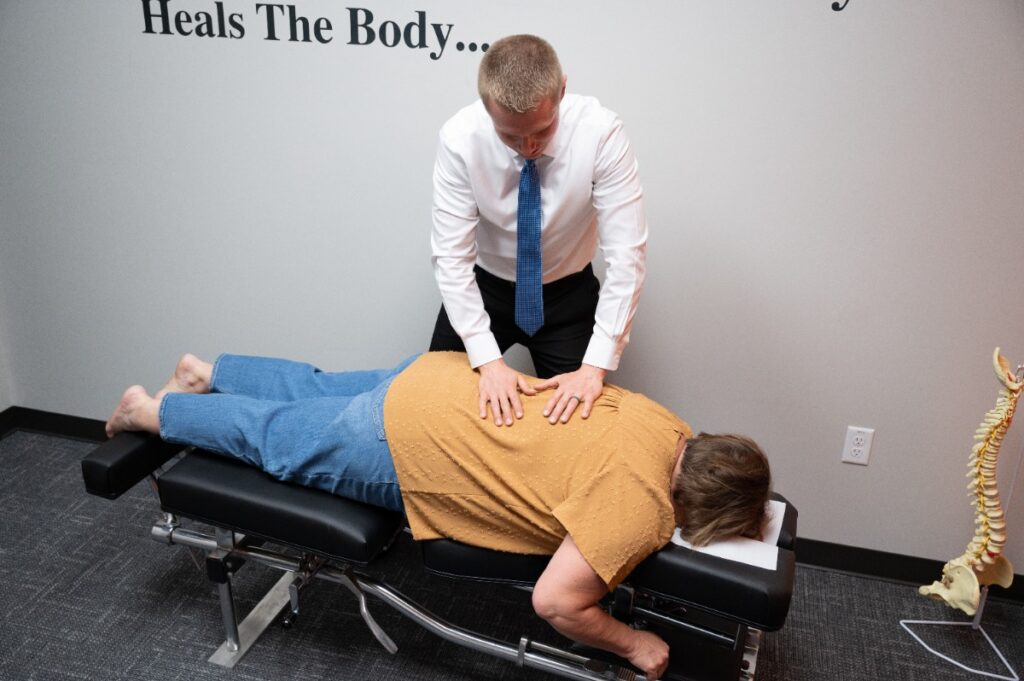

As a local chiropractor, I often see patients struggling with back pain that can significantly impact their daily lives. Many people are unaware that simple, essential exercises can play a pivotal role in alleviating this discomfort. By focusing on strengthening your core and enhancing flexibility, you can create a solid foundation for a healthier back.
Incorporating specific movements that engage your back, abdominals, and hips not only boosts your stability but also promotes better posture, which is vital for overall spinal health. If you’re curious about which exercises can truly make a difference in preventing back pain, I’m here to guide you through some of the most effective routines. Together, we can work towards keeping your back healthy and pain-free through natural healing methods.
The Importance of Core Strength
As your local chiropractor, I want to emphasize the importance of core strength for your overall health and well-being. When you strengthen your core, you do more than just improve your posture; you provide essential support for your back, which is vital for preventing pain and injuries.
A strong core acts like a natural brace for your body, stabilizing your pelvis and spine, which in turn alleviates strain on your spine during everyday activities. This support is crucial, especially if you find yourself lifting heavy items or sitting for prolonged periods.
Incorporating core exercises into your routine—such as planks and bridges—can significantly enhance your balance and coordination, leading to smoother, safer movements throughout your day. You might be surprised at how much easier daily tasks can become, from lifting groceries to maintaining proper posture at your desk.
The great news is that you don’t need to spend hours on these exercises. Just a few minutes each day can lead to substantial benefits.
As your core becomes stronger, you’ll likely feel more energetic and experience less fatigue, as your body begins to operate more efficiently. Strengthening your core is a vital step in alleviating back pain and enhancing your overall physical health.
I encourage you to make core exercises a priority; the positive impact on your well-being will be well worth it!
Stretching for Flexibility
As a local chiropractor, I want to emphasize the importance of stretching for enhancing flexibility and preventing back pain. Incorporating specific stretching techniques into your daily routine can yield numerous benefits for your overall well-being.
Let’s delve into some effective stretches and a simple daily routine that can help maintain a healthy, pain-free back.
Stretching isn’t just about flexibility; it’s a natural way to support your spine and improve your posture. By committing to a few minutes of stretching each day, you can alleviate tension in your muscles, enhance circulation, and promote better alignment of your spine.
This practice can significantly reduce the risk of back pain and discomfort, which many of my patients experience.
I encourage you to explore these stretches and consider integrating them into your lifestyle. By doing so, you can take a proactive approach to your spinal health and overall wellness.
Benefits of Stretching
As a local chiropractor, I often see patients who underestimate the importance of flexibility in their overall health, particularly when it comes to alleviating back pain.
Integrating regular stretching into your daily routine can have a profound impact on your well-being. Stretching isn’t just about maintaining flexibility; it’s an essential component of overall muscle health and spinal alignment.
Here are some key benefits you can experience by incorporating stretching:
- Improved range of motion: By stretching regularly, you’ll notice that daily activities become easier and more comfortable, allowing you to move with greater ease.
- Reduced muscle tension: Consistent stretching helps to release tightness in your muscles, leading to a more relaxed state and alleviating discomfort that may be affecting your daily life.
- Better posture: Stretching can strengthen your muscles, promoting proper alignment of your spine. This not only enhances your posture but also reduces strain on your back, preventing pain and discomfort.
I encourage you to take just a few minutes each day to incorporate simple stretches into your routine.
You’ll be surprised at how significantly this can improve your back health and overall quality of life.
Remember, a flexible body is a healthier body! If you have any questions or need guidance on specific stretches, feel free to reach out.
Your journey to better health starts with small steps!
Key Stretching Techniques
As a local chiropractor, I want to share how incorporating key stretching techniques into your daily routine can significantly improve your flexibility and overall back health.
It’s essential to focus on stretches that engage the major muscle groups, particularly in your back, hips, and legs. One of my favorite stretches to recommend is the cat-cow stretch. This movement is fantastic for enhancing spinal flexibility, as it encourages you to alternate between arching and rounding your back, promoting a healthy range of motion.
Another important stretch is the hamstring stretch, which can help relieve tension in your lower back—a common issue for many people. Additionally, the seated forward bend not only enhances flexibility in your spine but also stretches your hamstrings effectively.
Don’t overlook the child’s pose, a gentle stretch that offers a soothing way to relieve tension in your back while encouraging relaxation. I recommend holding each stretch for about 15-30 seconds and focusing on your breath to truly maximize the benefits.
Daily Stretching Routine
As a chiropractor, I want to emphasize the importance of incorporating a daily stretching routine into your wellness regimen. Many patients often overlook the profound impact that stretching can have on their flexibility and overall health.
Regular stretching not only helps alleviate discomfort in the back but also improves your range of motion, which is vital for maintaining a healthy and active lifestyle. By dedicating just a few minutes each day to these exercises, you can experience long-lasting benefits for your body.
Here are three essential stretches I recommend you include in your daily routine:
- Cat-Cow Stretch: This dynamic movement is excellent for warming up your spine and relieving tension. It encourages flexibility in the spine and helps promote better posture, which is beneficial for your overall spinal health.
- Child’s Pose: This gentle stretch is a fantastic way to promote relaxation while lengthening your back. It can help calm the mind and alleviate stress, making it a perfect addition to your daily practice.
- Seated Forward Bend: This stretch effectively targets your hamstrings and lower back, helping to ease tightness and discomfort. By incorporating this stretch, you can improve your overall mobility and reduce the risk of injuries.
By integrating these stretches into your daily routine, you may be surprised by the positive changes in how your body feels.
Strengthening the Lower Back
As a local chiropractor, I want to emphasize the importance of strengthening your lower back to alleviate back pain effectively. A robust lower back plays a crucial role in supporting your spine, which can significantly reduce the risk of injury and discomfort.
Let me introduce you to some foundational exercises that can help you on your journey to a stronger back. One great exercise is the bird dog. To perform this, get on all fours, extend one arm while simultaneously stretching the opposite leg out behind you, and remember to engage your core throughout the movement. Hold this position for a few seconds, then switch sides.
Another beneficial exercise is the superman. For this, lie face down on the floor, lift both your arms and legs off the ground at the same time, and hold for a few seconds before relaxing back down. This move helps to build strength in your lower back and core.
Incorporating hip bridges is also advantageous. Lie on your back with your knees bent, then lift your hips toward the ceiling while squeezing your glutes. This exercise not only fortifies your lower back but also enhances overall stability. Aim for 10-15 repetitions of each exercise, and as you become stronger, you can gradually increase the number of repetitions.
It’s crucial to listen to your body during these exercises. If you experience any pain, please stop immediately.
Consistent practice of these movements can lead to a stronger back and improved overall stability, contributing to better health and wellness. As always, if you have any questions or concerns about your back health, feel free to reach out to me for guidance and support.
Engaging the Abdominals
As a local chiropractor, I want to emphasize the importance of engaging your abdominals for core stability. A strong core is crucial for supporting your back during everyday activities and can significantly impact your overall well-being.
Many of my patients have discovered that effective abdominal exercises not only strengthen their core but also help alleviate back pain.
Additionally, incorporating proper breathing techniques while working on your abs can enhance the effectiveness of your workouts. By focusing on these elements, you can’t only improve your physical health but also contribute to a more natural healing process, promoting a healthier spine and reducing discomfort.
Core Stability Importance
As a local chiropractor, I want to emphasize the importance of core stability in managing and preventing back pain. Your core, which encompasses the strength and coordination of your abdominal muscles, plays a crucial role in supporting your spine.
When you actively engage your core, you not only provide better support for your back, but you also reduce strain on your spine and improve your overall posture. This strong foundation is essential for moving efficiently throughout your daily activities, contributing significantly to your overall health and well-being.
Here are some key reasons why focusing on core stability is vital:
- Injury Prevention: A strong core can be your best defense against injuries during physical activities. By stabilizing your body, you minimize the risk of strains and sprains.
- Enhanced Performance: When you engage your abdominals, you may find that your strength and endurance in various exercises are significantly improved. This can help you achieve your fitness goals more effectively.
- Better Balance: Core stability is directly linked to improved balance. By strengthening your core, you reduce the risk of falls, which is particularly important as we age.
Incorporating core stability exercises into your routine can be a fundamental step towards better health and pain management.
If you’re new to these concepts, I’m here to guide you on this journey toward a healthier spine and a more active lifestyle.
Effective Abdominal Exercises
As a chiropractor, I want to emphasize that abdominal exercises aren’t just about aesthetics; they play a crucial role in enhancing your core stability and supporting your spine. Proper engagement of your abdominal muscles can significantly lower your risk of back pain, which is something I see frequently in my practice.
I recommend starting with planks, as they activate your entire core. Aim to hold a plank position for 20 to 30 seconds, and as your strength improves, gradually extend that time.
Next, incorporate dead bugs into your routine. To perform this exercise, lie on your back, extend your arms and legs, and then lower opposite limbs while keeping your core engaged. This movement helps to stabilize your spine and improve coordination.
Lastly, don’t overlook bridges. This exercise is excellent for strengthening your glutes and lower back. Begin by lying on your back with your knees bent, then lift your hips towards the ceiling and hold for a few seconds.
Incorporating these exercises into your regular routine will help you build a stronger core, which is essential for supporting your back and promoting overall spinal health.
Proper Breathing Techniques
As a local chiropractor, I want to emphasize the crucial role that proper breathing techniques play in engaging your abdominals and supporting overall spinal health. Many individuals may not realize that the way you breathe can significantly influence your core strength and even reduce back pain.
Here’s how to harness the power of your breath effectively:
- Begin by breathing deeply through your nose, allowing your diaphragm to fully expand. This technique not only engages your core muscles but also helps stabilize your spine, which is essential for maintaining a healthy back.
- As you exhale slowly through your mouth, consciously pull your navel towards your spine. This action activates your abdominal muscles and encourages proper posture, which is vital for preventing discomfort and injuries.
- Try incorporating this breathing technique during exercises such as planks or sit-ups. You’ll likely notice a marked improvement in your stability and strength, which can enhance your overall physical performance.
Integrating these breathing techniques into your exercise routine won’t only elevate your workouts but also contribute to better back health.
Hip Flexor Stretches
As a local chiropractor, I want to emphasize the importance of hip flexor stretches in relieving back pain and enhancing your overall mobility. Many of my patients are surprised to learn that tight hip flexors can contribute to discomfort by pulling on the spine.
To help you stretch these crucial muscles effectively, I recommend incorporating the following exercises into your routine.
One of the most beneficial stretches is the kneeling hip flexor stretch. To perform this stretch, kneel on one knee with the other foot positioned in front, bent at a 90-degree angle. Gently push your hips forward while maintaining a straight back. Hold this position for 20-30 seconds before switching to the other side. This stretch not only targets the hip flexors but also helps to improve your posture.
Another effective option is the standing quad stretch. While standing, grab one ankle behind you and gently pull it toward your glutes. Be sure to keep your knees close together and your torso upright throughout the stretch. Hold this position for the same duration as the kneeling stretch before switching legs. This stretch can also help alleviate tension in your hips and thighs.
By incorporating these stretches into your daily routine, you can alleviate tension, improve flexibility, and help prevent future back pain.
Remember to breathe deeply and relax during each stretch for maximum effectiveness. If you have any questions or would like personalized guidance, feel free to reach out—I’m here to support your journey towards natural healing and wellness!
Glute Activation Exercises
As a local chiropractor, it’s important to emphasize the role of glute activation exercises in maintaining a healthy lower back and preventing pain. Many people may not realize that tight hip flexors can lead to muscle imbalances in the lower body, contributing to discomfort and strain in the back.
Strengthening your glutes is essential not just for supporting the lower back, but also for enhancing overall stability and mobility.
Allow me to introduce you to three effective glute activation exercises that you can easily incorporate into your daily routine:
- Glute Bridges: Begin by lying on your back with your feet flat on the ground. Gently lift your hips toward the ceiling, squeezing your glutes at the top of the movement for optimal activation. This exercise helps engage the glute muscles and promotes better alignment in the spine.
- Clamshells: Lie on your side with your knees bent. With your feet together, lift your top knee while keeping your pelvis stable. This exercise is particularly beneficial for targeting the gluteus medius, which plays a crucial role in stabilizing the pelvis and improving overall hip function.
- Single-Leg Deadlifts: Stand on one leg and hinge at your hips, lowering your torso while maintaining a straight back. Return to a standing position by engaging your glutes. This exercise not only strengthens the glutes but also enhances balance and coordination.
Integrating these glute activation exercises into your routine can be a powerful strategy for preventing back pain and promoting a healthier, more active lifestyle.
If you have any questions or need guidance on how to perform these exercises correctly, feel free to reach out for assistance. Your journey to better health starts with understanding your body and taking proactive steps toward wellness!
Standing and Seated Posture Practices
As a local chiropractor, I want to share with you how crucial your everyday posture is for maintaining a healthy back. Many people don’t realize that the way you stand and sit can significantly impact your spinal health and help reduce the risk of back pain.
When you stand, it’s important to distribute your weight evenly on both feet. Make sure to keep your shoulders back and engage your core muscles. This proper alignment supports your spine and helps prevent unnecessary strain.
For those times when you’re seated, choosing a chair that provides support for your lower back is key. Keep your feet flat on the floor and ensure your knees are at hip level. Be mindful to avoid slouching or leaning forward, as these habits can lead to discomfort and exacerbate back issues.
If you find yourself sitting for long periods, remember to take breaks and stretch to keep your muscles relaxed and engaged.
By incorporating these simple adjustments into your daily routine, you can improve your posture and make a significant difference in how your back feels. Good posture isn’t just about looking confident; it’s vital for your overall spinal health.
As your chiropractor, I’m here to help guide you on this path to better posture and natural healing.
Incorporating Yoga for Balance
As your local chiropractor, I want to share some valuable insights on how incorporating yoga into your daily routine can significantly improve your balance and stability, both of which are crucial for a healthy back.
Yoga is a holistic practice that not only strengthens your core muscles but also enhances flexibility and fosters a deeper awareness of your body. By engaging in specific yoga poses, you can gain better control over your movements, which ultimately helps in minimizing the risk of injury.
Here are a few key yoga poses that I recommend to enhance your balance:
- Tree Pose (Vrksasana): This foundational pose is excellent for strengthening your legs and enhancing your focus, effectively grounding your body and promoting stability.
- Warrior III (Virabhadrasana III): This dynamic pose requires balancing on one leg, which actively engages your core and improves overall stability, making it a great addition to your routine.
- Half Moon Pose (Ardha Chandrasana): This pose not only opens up your hips but also challenges your balance, leading to improved coordination and body awareness.
Incorporating these poses into your practice can complement the care you receive here at our chiropractic office, supporting your journey toward natural healing and overall wellness.
Tips for Maintaining a Healthy Back Throughout the Day
As your local chiropractor, I want to emphasize the importance of maintaining a healthy back throughout your daily activities. It’s crucial to be mindful of your posture and movement habits. Aim to keep your spine aligned by sitting with your back straight and using chairs that offer proper support for your lower back.
When you’re standing, make sure to distribute your weight evenly on both feet and avoid locking your knees, as this can strain your back.
If you find yourself sitting at a desk for extended periods, it’s vital to take regular breaks. Stand up, stretch, and move around to relieve tension and improve circulation in your back.
Remember, when lifting heavy objects, always bend at your knees instead of your waist to protect your spine from injury.
Incorporating core-strengthening exercises into your routine is also essential. A strong core provides support to your spine and helps prevent back pain.
Additionally, pay attention to your sleeping position; using a supportive mattress and pillow can significantly impact your spinal health.
Lastly, staying active with regular exercise is fundamental. It not only helps maintain flexibility and strength but also promotes overall well-being.
Conclusion
As a local chiropractor, I want to share with you how incorporating essential exercises into your daily routine can significantly help in preventing back pain. By concentrating on building core strength, improving flexibility, and maintaining proper posture, you can not only relieve discomfort but also boost your overall health and well-being.
It’s important to be consistent with these exercises and to listen to your body as you begin to integrate them into your life. Remember, with dedication and the right approach, you can achieve a healthy back and enjoy a more active, pain-free existence. Start today, and trust me, your back will be grateful for the care you provide it! If you have any questions or need guidance, don’t hesitate to reach out—I’m here to help you on your journey to better health through natural healing.