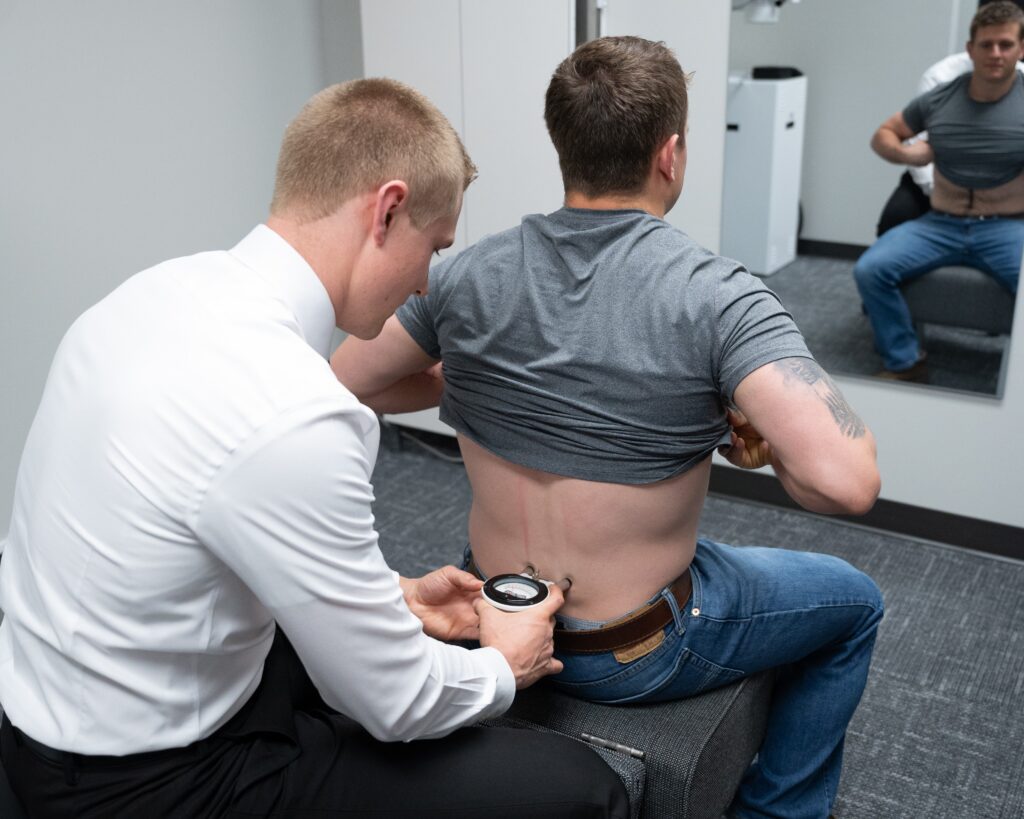

As a local chiropractor, I want to emphasize that recovering from a sports injury goes beyond simply resting—it's about embracing a comprehensive approach to therapy that caters to your unique needs. Many people are unaware of how effective chiropractic care can be in the healing process. By using specialized techniques, we can not only aid in your physical recovery but also support your mental readiness to return to the game you love.
Chiropractic care focuses on aligning the spine and enhancing overall body function, which can significantly speed up your recovery time. Additionally, incorporating therapies like physical therapy and acupuncture can further complement your healing journey. Have you considered exploring some of these innovative therapies? They could be the key to getting you back to peak performance faster than you thought possible. By understanding the benefits of natural healing methods, you'll be better equipped to make informed decisions about your recovery.
Importance of Recovery in Sports
As a local chiropractor, I want to emphasize the critical role recovery plays in sports and overall health. When athletes push their bodies to the limit, it's essential to prioritize recovery to maintain peak performance. This recovery phase is where your muscles repair, energy stores are replenished, and your body prepares for the next challenge. Neglecting recovery can lead to fatigue, diminished performance, and potentially serious injuries that could keep you sidelined for extended periods.
Many people believe that pushing through pain or fatigue is a sign of dedication, but this mindset can be counterproductive. Recovery isn't merely about taking a break; it's a strategic element of your training that allows your body to adapt to the stresses of physical activity, ultimately making you stronger and more resilient. Overlooking recovery can lead to overtraining, which hinders progress and performance.
Incorporating recovery techniques like chiropractic care, stretching, proper hydration, and nutrition is vital for enhancing your athletic abilities. As a chiropractor, I encourage you to listen to your body and recognize when it needs a break. Engaging in active recovery—such as light exercise or mobility work—can promote blood flow and aid in muscle repair without stressing your system.
Moreover, prioritizing recovery not only benefits your physical health but also supports your mental well-being. When you give your body the time it needs to heal, you'll feel more energized and motivated to train.
Overview of Therapy Options
When you're recovering from a sports injury, it's important to know that you have a variety of therapy options available to you.
As a local chiropractor, I want to emphasize how chiropractic care can play a vital role in your healing process. Our techniques focus on restoring proper alignment and function to your body, which can significantly enhance your strength and mobility.
In addition to traditional chiropractic adjustments, we also incorporate alternative therapy approaches that can provide unique benefits tailored to your specific needs.
These methods can complement your recovery and promote overall well-being.
Moreover, engaging in structured rehabilitation programs under our guidance can help you navigate your recovery journey more effectively.
We're here to support you with natural healing methods that prioritize your body's innate ability to heal itself, ensuring you get back to your active lifestyle as soon as possible.
#
Physical Therapy Techniques
As a local chiropractor, I want to share how chiropractic care and natural healing techniques can significantly aid in your recovery from sports injuries. When you come in for your first visit, I'll conduct a thorough assessment to understand your injury and create a personalized treatment plan tailored to your specific needs.
One effective approach we often use is manual therapy, which involves hands-on techniques to enhance mobility and alleviate pain. This method not only helps break down scar tissue but also promotes blood flow, which can accelerate your healing process.
Additionally, we incorporate stretching and strengthening exercises into your regimen. These exercises are crucial for restoring flexibility and building muscle strength, ensuring you regain full functionality.
Another beneficial technique we utilize is electrical stimulation. This involves applying low-level electrical currents to stimulate your muscles, which can help reduce pain and facilitate healing.
We may also use ultrasound therapy, which employs sound waves to penetrate tissues and improve circulation, further aiding your recovery.
Furthermore, we focus on balance and proprioception training to enhance your body's awareness and control. This proactive approach is essential for preventing future injuries.
Alternative Therapy Approaches
As a local chiropractor, I want to share with you the benefits of exploring alternative therapy approaches for enhancing your recovery from sports injuries. Many athletes have found that integrating these methods alongside traditional treatments can significantly speed up their healing process.
One effective alternative is acupuncture. This ancient practice involves inserting thin needles into specific points on your body, which can promote healing and provide relief from pain. Many of my patients have experienced remarkable results in reducing muscle tension and inflammation through acupuncture.
Another valuable option is massage therapy. This technique not only improves circulation but also helps relax tight muscles, which is crucial for a smooth recovery. Whether you prefer deep tissue, sports, or trigger point massage, we can tailor the approach to meet your individual needs and support your healing journey.
Chiropractic care is essential to consider as well. Through gentle adjustments, we can help restore proper alignment and enhance mobility. This is particularly important for addressing underlying issues that may be contributing to your injury, ultimately promoting a more efficient recovery.
Lastly, I encourage you to explore herbal treatments and nutritional supplements. Certain herbs, such as turmeric and ginger, are known for their anti-inflammatory properties and can be beneficial in supporting your healing process. However, it's important to consult with a healthcare professional before adding any new supplements to your routine.
At our clinic, we're dedicated to helping you understand and navigate these alternative therapies, ensuring a comprehensive approach to your recovery. Your well-being is our priority, and we're here to support you every step of the way.
Rehabilitation Programs Overview
Rehabilitation programs are a vital component of your recovery from sports injuries, and as a chiropractor, I want to help you understand how these programs can facilitate your healing journey through natural methods.
These structured approaches focus on restoring strength and mobility, often utilizing a combination of chiropractic adjustments, physical therapy, and targeted exercises specifically designed for your injury.
Initially, we'll conduct a thorough assessment to pinpoint your unique needs and establish realistic recovery goals. Based on this evaluation, I'll create a personalized program that gradually increases in intensity, ensuring that your recovery is both safe and effective.
Techniques such as manual adjustments and soft tissue therapy can be included in your regimen, promoting better circulation and alleviating pain.
As you progress, your rehabilitation plan may shift towards functional training, which emphasizes movements relevant to your specific sport. This not only supports your recovery but also plays a crucial role in preventing future injuries.
Regular evaluations will be essential to adapt your program according to your healing progress, keeping you on a steady path back to your sport.
It's important to recognize that consistency and commitment are key in your rehabilitation journey. With the right approach, a bit of patience, and dedicated effort, you can return to your sport feeling stronger than before.
## Physical Therapy Techniques
When it comes to recovering from sports injuries, various chiropractic techniques can significantly enhance your healing process. These approaches are designed to restore function, improve mobility, and alleviate pain, helping you return to your favorite activities more quickly and safely.
One foundational technique in chiropractic care is therapeutic exercise. This involves engaging in specific movements tailored to strengthen your muscles, improve flexibility, and enhance coordination. As your chiropractor, I'll develop a personalized exercise program that ensures you're working at the appropriate intensity and progression, helping you avoid any risk of further injury.
Manual therapy is another effective method we use in chiropractic practice. This hands-on technique involves my skillful manipulation of your muscles and joints, which can relieve pain, reduce swelling, and improve your range of motion. This allows you to move more freely as you recover from your injury.
You may also benefit from electrical stimulation therapy, which employs electrical impulses to stimulate your muscles, promoting healing and reducing discomfort. This technique can be particularly helpful for muscle re-education after an injury or surgery.
Additionally, we often utilize modalities such as ultrasound therapy or cryotherapy. These methods employ sound waves or cold therapy to decrease inflammation and enhance circulation in the injured area, thus speeding up the recovery process.
Lastly, proprioceptive training may be integrated into your treatment plan to improve your balance and coordination. This is especially important if you're recovering from an injury that affects your stability.
The Role of Massage Therapy
As a local chiropractor, I want to highlight the significant role massage therapy can play in your recovery from sports injuries.
Many individuals aren't fully aware of the benefits this holistic approach can offer.
Massage therapy can effectively reduce muscle tension and improve circulation, both of which are vital for speeding up your healing process.
By integrating specific massage techniques into your rehabilitation routine, you can greatly enhance your overall recovery experience.
This natural healing method complements chiropractic care and can help you regain strength and mobility more efficiently.
Benefits of Massage Therapy
As a local chiropractor, I often emphasize the importance of incorporating massage therapy into your recovery routine, especially if you're an active individual or an athlete. This natural healing method can significantly enhance your healing process by promoting increased circulation throughout the body. Improved blood flow is essential as it delivers vital nutrients and oxygen to injured tissues, thereby accelerating healing and reducing inflammation. This means you can get back to your favorite activities more quickly.
In addition to improving circulation, massage therapy is excellent for alleviating muscle tension and soreness. After engaging in intense workouts or competitions, it's common to feel tightness and fatigue in your muscles. Regular massage can help relax these muscles, leading to improved flexibility and a greater range of motion. You might find that discomfort diminishes, making it easier to participate in rehabilitation exercises necessary for your recovery.
There's also a significant mental aspect to consider. Injuries can often bring about stress and anxiety, which can hinder your recovery. Massage therapy promotes relaxation, allowing you to alleviate these negative feelings and focus better on your recovery goals. You'll likely feel more in control and motivated to adhere to your rehabilitation plan.
Finally, massage therapy fosters a deeper connection between your body and mind. This increased awareness can lead to better body mechanics, which may help prevent future injuries.
Techniques for Injury Recovery
As a local chiropractor, I want to share with you how incorporating various techniques for injury recovery can greatly enhance the benefits of your chiropractic care.
When you combine chiropractic adjustments with other healing methods, you're likely to experience a more significant improvement in your overall recovery process.
One important technique is the practice of stretching both before and after your chiropractic sessions.
Stretching helps maintain flexibility and prevent stiffness, which in turn allows your muscles and joints to recover more efficiently.
Another beneficial approach is using heat or cold therapy.
Applying heat prior to your chiropractic adjustment can help relax your muscles, making it easier for the chiropractor to perform the necessary adjustments.
On the other hand, utilizing cold therapy afterward can help reduce inflammation and numb any discomfort, further aiding in your recovery.
In addition, consider adding breathing exercises to your routine.
Deep, controlled breathing can help manage stress and pain during your sessions, allowing you to focus on relaxation and healing.
Staying hydrated is also essential; drinking plenty of water supports muscle recovery and helps flush out toxins released during treatment.
Lastly, don't overlook the importance of rest.
Providing your body with the time it needs to heal is crucial, so be sure to balance your chiropractic care with adequate downtime.
Incorporating Therapy Into Rehab
As a local chiropractor, I want to emphasize the importance of integrating massage therapy into your rehabilitation plan, especially if you're recovering from sports injuries. This natural treatment method can significantly enhance your recovery process, not only by relieving muscle tension but also by improving blood circulation, which promotes faster healing.
Massage therapy can be a crucial component of your recovery journey, helping you regain strength and flexibility in a holistic way.
Here are some key benefits you can experience with massage therapy during your rehabilitation:
- Reduced Muscle Soreness: Massage therapy is effective in alleviating pain and soreness, allowing you to engage in your rehabilitation exercises with greater comfort and ease.
- Improved Range of Motion: Regular massage sessions can enhance your flexibility, making it easier for you to perform the movements essential for your sport.
- Stress Relief: The soothing effects of massage can help to decrease anxiety and stress, enabling you to maintain a positive mindset throughout your recovery journey.
Incorporating massage therapy into your routine not only supports your physical healing but also nurtures your mental well-being.
As you work towards recovery, I encourage you to collaborate with a licensed massage therapist who specializes in sports injuries. They can customize your sessions to meet your specific needs.
This partnership can significantly enhance your overall rehabilitation experience and help you return to your sport faster and stronger than before.
Innovations in Cryotherapy
As a local chiropractor, I want to introduce you to an innovative recovery method that's transforming how we manage sports injuries: cryotherapy. If you've faced challenges in your athletic journey, you understand how crucial it's to discover effective ways to heal and recover.
Cryotherapy utilizes cold temperatures to help reduce inflammation, alleviate pain, and speed up the healing process, making it a valuable tool in your recovery arsenal.
When you enter a cryotherapy chamber, you're exposed to sub-zero temperatures for a brief period, usually around three minutes. This experience activates your body's natural healing mechanisms, enhancing circulation and promoting the release of endorphins, which are your body's natural pain relievers.
Recent advancements have made these chambers more user-friendly and efficient, allowing you to reap the benefits without enduring prolonged discomfort from extreme cold.
Additionally, localized cryotherapy options—like cryo guns or specialized ice packs—are becoming increasingly popular. These tools enable you to focus on specific areas of injury, providing targeted relief exactly where you need it most.
Some clinics, including ours, are now integrating cryotherapy with other natural healing methods to enhance overall recovery outcomes.
As you consider cryotherapy as part of your sports injury rehabilitation, I want you to know that this isn't merely a passing trend; it's a scientifically validated approach supported by many athletes and healthcare professionals alike.
With ongoing innovations in this field, cryotherapy is becoming more accessible and effective, empowering you to return to your sport with renewed strength and vitality.
Benefits of Electrical Stimulation
As you navigate through different recovery methods for sports injuries, I want to introduce you to the remarkable benefits of electrical stimulation—a technique that can significantly enhance your healing journey. This therapy employs electrical impulses to activate your muscles and nerves, providing a natural and effective way to aid your recovery.
One of the standout advantages of electrical stimulation is its capacity to alleviate pain. By sending electrical impulses to the affected area, this method can effectively block pain signals and stimulate the release of endorphins—your body's natural pain relievers. This offers you a way to find relief without having to depend solely on medication, allowing for a more holistic approach to managing your discomfort.
In addition to pain relief, electrical stimulation promotes improved muscle strength and function. It encourages muscle contractions, which helps maintain muscle tone during periods of inactivity or immobilization caused by your injury. This is particularly beneficial for those who are unable to engage in their usual physical activities as they recover.
Moreover, electrical stimulation enhances blood flow to the injured area. Increased circulation not only delivers essential nutrients and oxygen but also accelerates the healing process, helping you bounce back more quickly.
As you consider your recovery options, here are some key benefits of incorporating electrical stimulation into your plan:
- Natural pain relief: Enjoy relief from pain without the need for medication through the power of electrical impulses.
- Muscle preservation: Keep your muscles engaged and strong even when you're unable to exercise regularly.
- Accelerated healing: Foster improved blood flow to speed up your recovery times.
Embracing electrical stimulation as part of your recovery strategy can be a game-changer in your path to wellness. If you have any questions about this technique or how it can fit into your care plan, don't hesitate to reach out. I'm here to help guide you on your journey to optimal health.
Incorporating Therapy Into Training
Incorporating chiropractic care into your training routine can significantly enhance your performance and recovery. By integrating holistic healing practices with your workouts, you not only boost your physical capabilities but also minimize the risk of injuries. Chiropractic techniques, along with complementary therapies such as massage and modalities like ultrasound and cryotherapy, can help you maintain optimal condition and promote faster recovery.
Start by assessing your individual needs. If you have a history of specific injuries, I encourage you to consult with a chiropractor to develop a personalized program that addresses those issues. For instance, if you're susceptible to ankle sprains, we can create a regimen focused on improving your balance and strengthening the surrounding muscles. This proactive approach allows you to train smart while actively preventing future challenges.
Beyond injury prevention, chiropractic care can elevate your overall athletic performance. Regular adjustments can improve your spinal alignment, enhance nerve function, and promote better range of motion. These benefits can translate to improved performance in your chosen sport. Additionally, therapies like myofascial release and targeted muscle work can alleviate tension and help you recover more quickly after intense training sessions.
It's also beneficial to schedule chiropractic sessions around your training cycles. For example, leading up to a major competition, we can emphasize recovery-focused therapies to ensure your body is functioning at its best. After the competition, restorative care can be prioritized to facilitate muscle healing and reduce soreness.
Ultimately, integrating chiropractic care into your training routine goes beyond recovery; it's about optimizing your entire athletic journey. By making chiropractic a consistent part of your regimen, you'll be positioning yourself for long-term success in your sporting endeavors.
Mental Health and Recovery
As a local chiropractor, I want to emphasize the importance of mental health in your recovery from sports injuries.
Many people overlook this aspect, but building emotional resilience is crucial for healing. Integrating mindfulness practices can help you stay present and manage stress during your recovery journey.
Additionally, don't underestimate the power of your support network. Surrounding yourself with friends, family, and professionals who understand your situation can provide the encouragement you need to bounce back stronger than ever.
Let's work together to address both your physical and mental well-being for a holistic recovery approach.
Emotional Resilience Building
Building emotional resilience during your recovery from a sports injury is essential for your overall mental health, and as your local chiropractor, I want to help you understand its importance.
Healing from an injury can be challenging, and nurturing your emotional well-being is just as critical as the physical rehabilitation you receive.
Here are some effective ways to build your emotional resilience during your recovery journey:
– Connect with your support network: I encourage you to reach out to friends, family, or teammates. Their encouragement and understanding can make a significant difference.
Sharing your feelings and experiences not only lightens your emotional load but also fosters a sense of community and support.
– Set realistic goals: As you recover, it's beneficial to break your healing process into smaller, attainable milestones. Celebrate each achievement, regardless of how small it may seem.
This practice will help boost your confidence and maintain a positive outlook, which is vital in your healing journey.
– Practice self-compassion: It's important to recognize that setbacks are a normal part of recovery. Allow yourself to feel your emotions without being overly critical.
Treat yourself with kindness and understanding, as this will help you navigate the emotional ups and downs more effectively.
Remember, as your chiropractor, I'm here to support you not just physically but emotionally as well.
Embracing these strategies can significantly enhance your recovery experience and overall well-being.
Mindfulness Practices Integration
As a local chiropractor, I want to share how mindfulness practices can play a crucial role in your recovery from sports injuries, enhancing not only your physical healing but also your mental well-being.
When you embrace mindfulness, you develop a stronger connection between your mind and body. This awareness allows you to tune into your thoughts, emotions, and physical sensations more effectively, helping you manage pain and anxiety during your recovery process.
By practicing mindfulness, you can learn when to challenge yourself and when to take a step back, leading to a more balanced and effective recovery approach. Techniques such as meditation and deep-breathing exercises can significantly reduce stress and improve your overall mental health.
Focusing on the present moment can ease worries about future performance and help you cope with any frustrations related to your current limitations. This shift in mindset fosters patience and resilience, both of which are essential for a successful recovery journey.
In addition, incorporating mindful movement practices like yoga or tai chi into your routine can support your physical rehabilitation while promoting mental clarity.
These gentle movements not only aid in your body's healing process but also help cultivate a sense of inner calm, keeping you motivated and positive throughout your recovery.
By integrating mindfulness into your rehabilitation plan, you can create a more holistic healing experience, allowing you to return to your activities stronger, both physically and mentally.
As your chiropractor, I encourage you to explore these practices as part of your path to recovery.
Support Network Importance
A strong support network is crucial for your mental well-being and healing process, especially when recovering from sports injuries. As a chiropractor, I've seen firsthand how challenging it can be to stay positive and motivated during recovery. Surrounding yourself with supportive friends, family, and teammates can make a significant difference in navigating the emotional and psychological hurdles that often accompany an injury. Their encouragement can lift your spirits, help you adhere to your rehabilitation plan, and remind you that you're not alone on this journey.
Here are some important aspects of building a robust support network:
- Emotional Support: Friends and family can provide a listening ear or comforting words when you need them most. Their presence can help alleviate anxiety and foster a more positive mindset, which is essential for healing.
- Accountability: Having someone to check in with regarding your rehabilitation exercises can keep you motivated and on track. This accountability is key to ensuring you follow through with your treatment plan and maximize your recovery.
- Shared Experiences: Connecting with others who've experienced similar injuries can provide valuable insights and reassurance. They can share their recovery stories and strategies, which can be incredibly encouraging as you navigate your own path to healing.
Building and maintaining a strong support network goes beyond just having people around; it's about nurturing relationships that positively impact your recovery journey. Embrace this support, and you'll discover that it plays a vital role in your return to the sport you love.
Preventing Future Injuries
As a local chiropractor, I want to emphasize the importance of preventing future injuries, especially for those of you who are athletes or enjoy an active lifestyle. Maintaining peak performance and enjoying longevity in your activities requires a proactive approach that includes not only proper training and conditioning but also a keen awareness of your body and its needs.
One of the first steps you can take is to develop a tailored strength and conditioning program. This should involve exercises that focus on strengthening your muscles and stabilizing your joints. By doing so, you can safeguard yourself against the strains and stresses that come with physical activity. I can help guide you in creating a program that fits your specific needs and goals.
Technique is another crucial factor in injury prevention. Whether you're running, jumping, or lifting weights, using the correct form can drastically reduce your risk of injury. I encourage you to work with a coach, trainer, or even me, as I can provide valuable insights and feedback on your movement patterns. I can help identify any deficiencies that could lead to injury and offer strategies to correct them.
Incorporating warm-up and cool-down routines into your activities is essential. A proper warm-up increases blood flow and prepares your muscles for action, while a cool-down aids in recovery and promotes flexibility. I often recommend adding stretches and mobility exercises to your regular routine to help enhance your range of motion and prevent tightness.
Most importantly, listen to your body. If you feel something isn't right or if you experience pain, it's vital to address these issues early on. Ignoring discomfort can lead to more severe injuries down the line. Additionally, ensure that you're giving your body adequate rest and recovery time, as overtraining can lead to burnout and injuries.
Real-Life Success Stories
As a local chiropractor, I understand that recovery from sports injuries can be a daunting journey, whether you're a seasoned athlete or someone who enjoys physical activity on the weekends.
Real-life success stories can serve as powerful motivation, showing how individuals have navigated their own paths to healing and regained their strength.
Take, for instance, a local runner who faced a severe knee injury. With a comprehensive recovery plan that included chiropractic care and rehabilitation techniques, she not only returned to her running routine but also completed her first marathon post-injury.
Her experience underscores the importance of a tailored approach to recovery and the resilience that comes with it.
Then we've a high school football player who sustained an ankle sprain during the championship game. Thanks to physical therapy and chiropractic adjustments focusing on restoring strength and flexibility, he was able to bounce back in just a few weeks.
His story illustrates that injuries don't have to mean the end of your athletic pursuits; with the right care, you can return to the field stronger than ever.
Finally, consider the amateur cyclist who struggled with a shoulder injury. Through consistent chiropractic treatments and a commitment to his recovery process, he not only healed effectively but also achieved a personal best in his next race.
These success stories highlight three key aspects of recovery that I emphasize in my practice:
- Following a structured therapy plan is crucial for healing and regaining function.
- Mental toughness and a positive mindset play a significant role in recovery.
- Community support, whether from family, friends, or healthcare professionals, can provide the encouragement needed to stay motivated.
As you embark on your own rehabilitation journey, remember that with the right approach and support, you too can overcome challenges and thrive in your athletic endeavors.
Conclusion
As a local chiropractor, I want to share how incorporating various therapeutic options into your recovery routine can significantly impact your journey back to peak performance. Techniques such as chiropractic adjustments, physical therapy, massage, and even innovative treatments like cryotherapy can not only accelerate your healing process but also improve your overall well-being.
Chiropractic care focuses on aligning your spine and improving your nervous system function, which is essential in supporting your body's healing capabilities. By addressing any misalignments, we can enhance mobility, reduce pain, and encourage proper function in your muscles and joints.
It's important to remember that prioritizing both your physical and mental health is crucial in preventing future injuries. A holistic approach to recovery not only addresses the symptoms but also the underlying causes, helping you to build strength and resilience. With the right combination of treatments, you'll be well-equipped for a successful return to your sport, feeling stronger and more capable than ever.