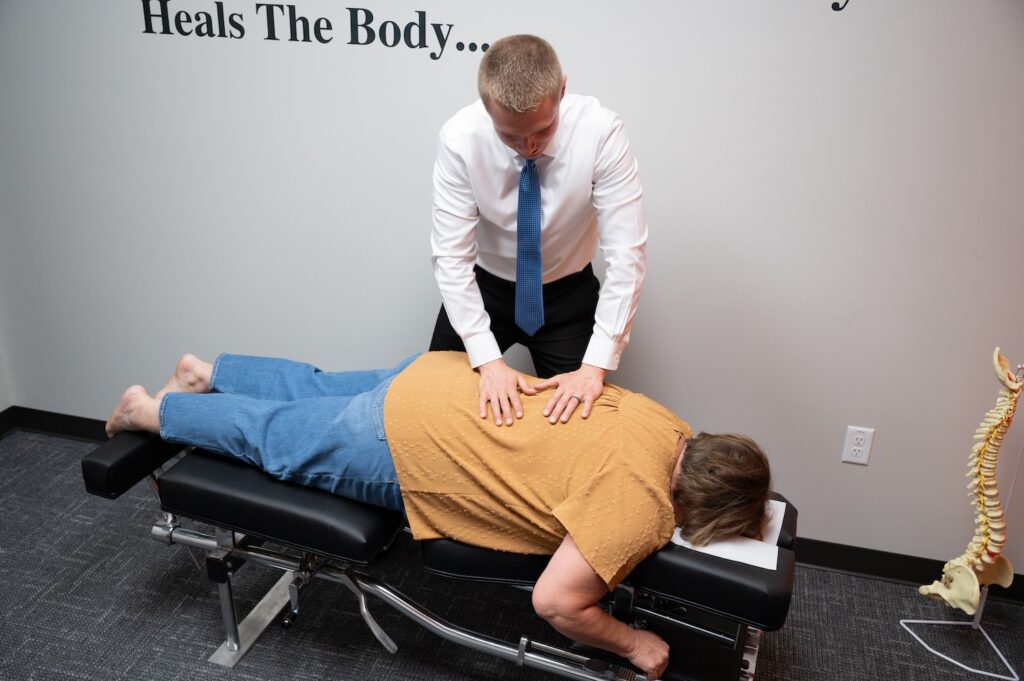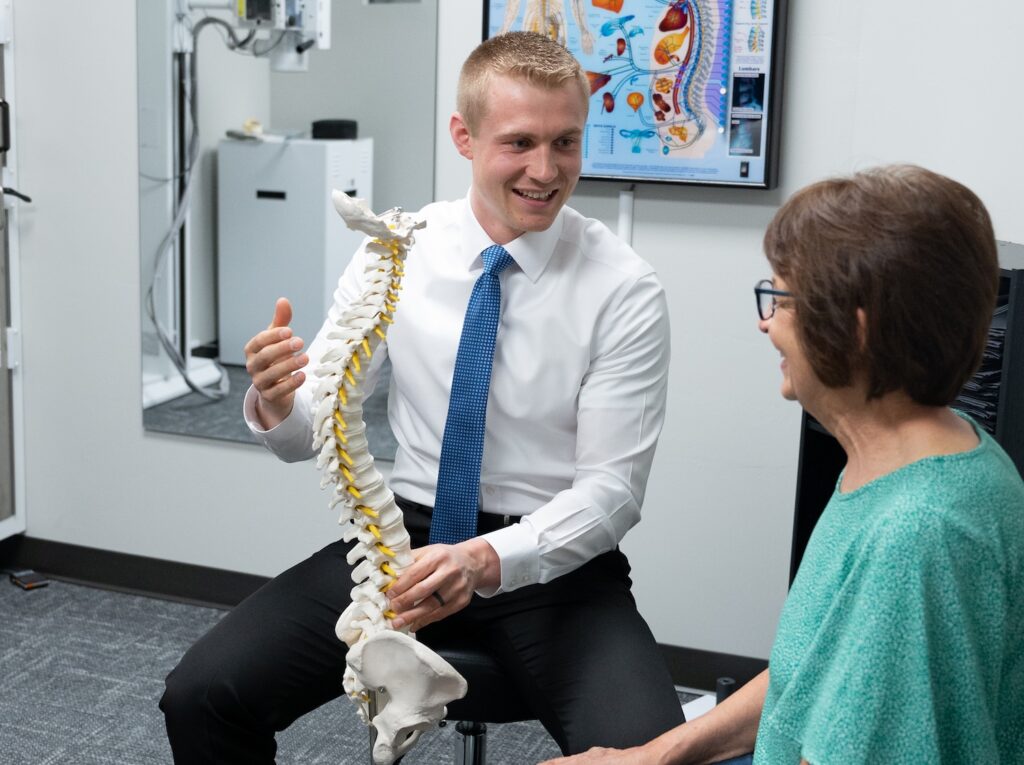

As a local chiropractor, I often see patients who are navigating the recovery process from sports injuries. It’s important to understand that a natural approach can truly enhance your healing journey. Instead of solely focusing on rest, I encourage you to consider how nutrition, gentle movement, and mindfulness techniques can actively support your recovery.
Incorporating specific foods into your diet can provide your body with the nutrients it needs to heal effectively. Gentle exercises tailored to your condition can help maintain mobility without placing undue stress on your injury. Additionally, practicing mindfulness techniques can assist in managing pain and reducing stress, which are crucial for recovery.
If you’re interested in how these natural strategies can work in synergy with chiropractic care to facilitate your healing, I’m here to guide you through the process. Let’s explore these methods together and empower your body to recover optimally.
Understanding Sports Injuries and Their Impact on Performance
As a local chiropractor, I want to help you understand the potential impact of sports injuries on both your body and mind. When you participate in sports, injuries can occur unexpectedly, and their effects on your performance and overall well-being can be significant.
It’s important to be aware of the types of injuries you may face, such as sprains, strains, fractures, and overuse injuries. Each of these can affect your body in different ways. For example, a sprain can limit your mobility, while an overuse injury may lead to chronic pain, making it difficult to maintain your training regimen.
Injuries can also affect your mental well-being. It’s common to feel frustration or anxiety about getting back to your sport after an injury. This mental stress can create a cycle that hinders your recovery, making it more challenging to return to your previous performance levels.
By understanding how injuries impact both your physical and mental health, you can adopt a balanced mindset during your recovery. Chiropractic care can play a crucial role in your healing process, helping to alleviate pain, improve mobility, and restore balance.
My goal is to ensure you remain focused and motivated as you heal, so you can return to your sport stronger than ever.
The Role of Nutrition in Recovery
As a local chiropractor, I want to emphasize how crucial nutrition is to your recovery from sports injuries. Many people may not realize that what you eat significantly impacts your body’s ability to heal. When you’re dealing with an injury, your body needs specific nutrients to repair tissues, lower inflammation, and regain strength.
That’s why consuming a balanced diet, rich in vitamins, minerals, and protein, can help speed up your recovery process. Incorporating lean proteins, such as chicken, fish, and legumes, is essential for muscle repair. Whole grains are also important, as they provide sustained energy that your body needs while healing.
Additionally, fruits and vegetables are packed with antioxidants, which help combat oxidative stress and promote healing. Don’t forget about hydration—water is vital for transporting nutrients throughout your body and keeping your joints lubricated.
Remember, a well-rounded diet not only supports faster healing but also prepares you for a safe return to your sport. By prioritizing nutrition during your recovery, you can significantly enhance your chances of getting back to peak performance levels.
As your chiropractor, I encourage you to focus on these dietary choices as part of your healing journey.
Anti-Inflammatory Foods to Include in Your Diet
As a local chiropractor, I want to emphasize the significant role that nutrition plays in your recovery from a sports injury. What you choose to eat can greatly impact your healing process. By incorporating anti-inflammatory foods into your diet, you can help reduce swelling and promote faster recovery.
Let’s take a closer look at some of the top foods that can support your healing journey. For example, fatty fish like salmon and mackerel are rich in omega-3 fatty acids, which are known for their anti-inflammatory properties.
Leafy greens like spinach and kale are also beneficial, as they’re packed with antioxidants that help combat inflammation. Additionally, incorporating nuts, seeds, and berries into your meals can provide essential nutrients that support overall health.
And don’t forget about spices like turmeric and ginger, which have been recognized for their powerful anti-inflammatory effects.
Top Anti-Inflammatory Foods
As a local chiropractor, I want to emphasize the importance of nutrition in your recovery from sports injuries. Incorporating anti-inflammatory foods into your diet can significantly support your healing process.
For instance, fatty fish like salmon and mackerel are excellent sources of omega-3 fatty acids, which are known to help reduce inflammation in the body.
Consider adding a variety of berries to your meals, particularly blueberries, as they’re rich in antioxidants that help combat oxidative stress and promote recovery.
Leafy greens such as spinach and kale are also vital, providing essential vitamins and minerals that support overall health.
Another powerful ally in fighting inflammation is turmeric, which contains curcumin, known for its anti-inflammatory properties.
Don’t overlook the benefits of nuts, particularly walnuts and almonds, which offer healthy fats and protein that can aid in your recovery.
Lastly, when it comes to cooking, olive oil is a fantastic choice due to its natural anti-inflammatory qualities.
By integrating these foods into your diet, you can enhance your recovery and overall well-being, complementing the chiropractic care you receive.
Meal Ideas for Recovery
As a local chiropractor, I want to emphasize the importance of proper nutrition in your recovery journey, especially when dealing with sports injuries. The right meals can significantly impact how quickly you heal and regain your strength.
Start your day with a nutritious smoothie that includes spinach, berries, and a scoop of protein powder. This combination not only provides essential nutrients but also has anti-inflammatory properties that can aid in your recovery.
For lunch, consider a quinoa salad filled with cherry tomatoes, avocado, and grilled salmon. Salmon is particularly beneficial due to its high omega-3 fatty acid content, which is known to reduce inflammation and promote healing.
As a healthy snack, reach for walnuts or almonds. These nuts are excellent choices for keeping inflammation in check and providing healthy fats that support overall recovery.
For dinner, a turmeric-spiced chicken stir-fry with broccoli and bell peppers can be a delicious way to incorporate healing foods into your diet. Turmeric is a powerful anti-inflammatory spice, while the vegetables provide essential vitamins and minerals necessary for recovery.
Remember to stay well-hydrated by drinking plenty of water and herbal teas throughout the day.
These meal ideas not only support your recovery but also help reduce inflammation, allowing you to get back to your peak performance levels more effectively. Embracing these nutritional strategies alongside your chiropractic care can lead to a more holistic and successful healing process.
Herbal Supplements for Enhanced Healing
As a local chiropractor, I want to share how herbal supplements can support your recovery from sports injuries. Many people may not realize the impact that natural remedies can have on healing and reducing inflammation.
For example, turmeric contains an active compound called curcumin, which is renowned for its powerful anti-inflammatory effects. This can significantly help in easing pain and speeding up your recovery process.
Another beneficial herb is ginger. It not only helps to reduce swelling but also enhances circulation, which is essential for delivering nutrients to your injured tissues.
You might also want to consider arnica, which is commonly used as a topical treatment to alleviate soreness and bruising.
Additionally, boswellia, also known as frankincense, can help inhibit inflammatory pathways, further supporting your recovery efforts.
Moreover, adaptogens like ashwagandha can be very helpful as they assist your body in managing stress during the recovery phase.
Before you start any supplement regimen, I always recommend consulting with a healthcare professional, such as myself, to ensure that you select the right herbal options tailored to your specific needs.
The Benefits of Mindfulness and Stress Reduction
As a local chiropractor, I want to share with you how incorporating mindfulness techniques can significantly aid in your recovery from a sports injury. Many people may not realize that stress plays a crucial role in the healing process.
By practicing stress management strategies, you can foster a positive environment that not only enhances your recovery but also promotes overall well-being.
When you focus on mindfulness, you can improve your mental clarity and reduce anxiety, which can be especially helpful during rehabilitation.
This holistic approach, combined with chiropractic care, can help you regain your strength and focus more effectively.
Let’s explore how these natural healing methods can work together to support your journey back to optimal health.
Mindfulness Techniques for Healing
As a local chiropractor, I understand that dealing with injuries can be quite a challenge physically. However, I want to share how incorporating mindfulness techniques into your recovery journey can significantly enhance the healing process. Practicing mindfulness allows you to stay present, which can help reduce anxiety and create a sense of calm during this time.
One of the simplest ways to start is through breathing exercises. By focusing on your breath, you can ground yourself, easing stress and fostering a positive mindset—both of which are crucial for your recovery.
You might also find visualization techniques beneficial. Picture your body healing and regaining strength; this mental imagery can be a powerful tool in your healing journey.
In addition, regular meditation can build resilience, enabling you to better cope with the frustrations that often accompany injuries.
By integrating these mindfulness practices into your daily routine, you may find yourself experiencing a more balanced emotional state, which ultimately supports your physical healing and enhances your overall well-being.
Stress Management Strategies
As a local chiropractor, I want to emphasize the importance of integrating mindfulness into your recovery process. Not only does it promote healing, but it also plays a crucial role in managing stress.
By incorporating mindfulness techniques such as deep breathing and meditation into your routine, you can significantly reduce anxiety and enhance your focus. When your stress levels are lower, your body can devote more energy to the recovery process, allowing you to heal more quickly from injuries.
Taking time for mindfulness practices also helps you connect with your body, enabling you to recognize its needs and limits. This increased self-awareness is key in preventing overexertion and potential further injury.
Additionally, employing stress-reduction strategies, like progressive muscle relaxation or guided imagery, can greatly enhance your overall well-being.
Remember, managing stress isn’t just about coping; it’s about cultivating a supportive environment that allows your body to heal effectively.
As you explore chiropractic care and natural healing, keep in mind that mindfulness is an invaluable tool on your journey to recovery.
Incorporating Gentle Movement and Stretching
As a local chiropractor, I want to share the importance of gentle movement and stretching in your recovery process. These practices are vital for maintaining flexibility and promoting blood flow to areas that may be injured. By incorporating gentle movement into your routine, you can significantly enhance your healing journey.
Start with simple, non-strenuous movements that are easy on your body. Activities such as walking, yoga, or gentle tai chi can be incredibly beneficial. It’s important to focus on stretching the muscles surrounding your injury; this can help relieve tension and improve your overall mobility.
Always listen to your body during these activities. If you experience pain, don’t hesitate to adjust your movements to ensure comfort. A consistent routine is key—try to dedicate time each day to these gentle exercises.
You might also consider using tools like a foam roller or a massage ball to target any tight areas, which can help ease discomfort. Remember, balancing rest with movement is crucial; too much inactivity can lead to stiffness and hinder your recovery.
By integrating gentle movement and stretching into your daily life, you’ll not only enhance your recovery but also pave the way for a quicker return to the sports and activities you love, all while feeling more at ease in your body.
If you have any questions or need guidance on how to get started, don’t hesitate to reach out!
The Importance of Hydration in Recovery
As a local chiropractor, I want to emphasize the crucial role hydration plays in your recovery from sports injuries. Many people may not realize that staying properly hydrated significantly affects your body’s ability to heal.
When you drink enough water, you support your circulation, which is vital for delivering essential nutrients to injured tissues and flushing out waste products. This process not only accelerates healing but also helps reduce inflammation, making it easier for your body to recover.
On the flip side, dehydration can hinder your recovery and increase the likelihood of experiencing muscle cramps, fatigue, and joint pain. To ensure you’re on the path to optimal recovery, it’s important to drink plenty of water throughout the day, particularly during and after any physical activity.
Listen to your body—if you’re feeling thirsty, that’s a clear indication that it’s time to hydrate.
If you’ve been sweating a lot, consider adding electrolyte-rich drinks to your routine, as these can help restore the minerals your body loses.
Sleep and Its Critical Role in Healing
As a local chiropractor, I want to emphasize an often-overlooked aspect of your recovery from sports injuries: the importance of quality sleep.
While physical therapy and nutrition are crucial components of healing, sleep plays a fundamental role in your body’s ability to recover. It’s essential for repairing tissues, reducing inflammation, and maintaining your energy levels.
Let me share three key benefits of sleep that can significantly aid your recovery:
- Muscle Repair: When you enter deep sleep, your body releases growth hormones that are vital for repairing and building muscle tissue. This process is essential, especially after an injury.
- Inflammation Reduction: Getting enough sleep helps lower stress hormones in your body. This reduction in stress can lead to decreased inflammation, promoting a quicker healing process.
- Cognitive Function: A good night’s sleep enhances your focus and decision-making abilities. This is important not just for your rehabilitation exercises but also for your overall training regimen.
By prioritizing sleep, you can greatly enhance your recovery journey.
Aim for 7-9 hours of quality sleep each night to support your healing process and help you return to peak performance more quickly.
Building a Supportive Recovery Environment
As a local chiropractor, I want to emphasize that quality sleep is just one aspect of your recovery journey from sports injuries. To truly enhance your healing process, it’s essential to create a supportive environment around you.
Begin by surrounding yourself with positive influences—friends and family who uplift and encourage you during this time. Their emotional support can significantly improve your morale and motivation to heal.
Another important step is to declutter your space. A tidy and organized environment can help minimize stress and distractions, allowing you to concentrate on your recovery.
Consider incorporating calming elements such as soft lighting, soothing music, or even essential oils to establish a relaxing atmosphere that promotes healing.
It’s also crucial to have the right tools readily available, such as ice packs or compression wraps, which can aid in your recovery process.
Don’t hesitate to express your needs; communicate with those around you about how they can assist you. By fostering a nurturing environment, not only will you feel better physically, but you’ll also enhance your mental well-being, which is a vital component of a successful recovery journey.
Conclusion
As a local chiropractor, I want to share with you some effective ways to enhance your recovery from sports injuries naturally. It’s important to adopt a holistic approach that brings together nutrition, gentle movement, and mindfulness practices. Focus on incorporating anti-inflammatory foods into your diet, staying adequately hydrated, and utilizing stress reduction techniques to promote overall well-being.
By embracing these strategies, you’ll not only facilitate your healing process but also cultivate a positive mindset that supports your recovery journey. Remember, healing is a gradual process—take it one step at a time, and don’t hesitate to reach out for support when you need it. Your body will truly appreciate the care you give it! If you’re interested, I can guide you through specific chiropractic techniques and natural healing practices that can aid in your recovery.