
You might not realize how much your posture affects your daily life, from how you feel to how others perceive you. Professional adjustments can play an essential role in correcting those subtle misalignments that lead to discomfort and fatigue. By exploring tailored techniques, you could discover a path toward improved alignment and enhanced well-being. But what exactly can you expect from these adjustments, and how can they transform your posture for the better? Let's unpack the vital elements that could change the way you carry yourself.
Understanding Posture and Its Importance
Posture plays an essential role in your overall health and well-being. When you maintain a good posture, you align your body properly, which can enhance your physical performance and prevent injuries. Good posture involves keeping your spine in a neutral position, allowing your muscles, ligaments, and joints to work efficiently.
It not only affects your physical health but also influences your mental well-being, boosting your confidence and mood.
You mightn't realize it, but your posture impacts how others perceive you. Standing tall and sitting straight conveys confidence and authority, while slouching may suggest insecurity or lack of interest. Being aware of your posture in different situations—whether you're at work, exercising, or socializing—can greatly influence your interactions and the way people respond to you.
Moreover, maintaining proper posture can alleviate unnecessary strain on your muscles and joints. This can lead to less discomfort and fatigue, allowing you to focus better on daily tasks. As you become more aware of your posture, you'll start to notice how it affects your energy levels and overall comfort throughout the day.
Incorporating posture awareness into your daily routine is critical. Simple adjustments, like aligning your head over your shoulders and keeping your feet flat on the ground while sitting, can make a considerable difference.
Common Posture Problems
You mightn't realize it, but slouching and a forward head position are common issues that many people face.
These habits can lead to uneven shoulder alignment and discomfort over time.
Let's explore how to identify and correct these posture problems for a healthier you.
Slouching and Forward Head
Many people don't realize how slouching and forward head posture can negatively impact their overall health. When you hunch your shoulders and allow your head to jut forward, it creates unnecessary strain on your neck and spine. This poor alignment can lead to discomfort, headaches, and even long-term issues like spinal degeneration.
You might find that slouching affects your breathing as well. With your chest compressed, it can be harder to take deep breaths, which means less oxygen for your body. This can leave you feeling fatigued and less focused throughout the day.
Additionally, forward head posture can alter the natural curvature of your spine, leading to muscle imbalances and further discomfort.
To combat these issues, pay attention to how you sit, stand, and move. Make a conscious effort to keep your shoulders back and your head aligned over your spine.
Incorporating stretches and exercises that strengthen your upper back and neck can also help improve your posture. By addressing slouching and forward head posture now, you'll set yourself up for better health and greater comfort in the long run.
Uneven Shoulder Alignment
Uneven shoulder alignment can considerably impact your overall posture and well-being. When one shoulder sits higher than the other, it can create muscle imbalances, leading to discomfort and potential injuries. You might notice this misalignment when you look in the mirror or feel tightness in your neck and upper back.
Several factors can contribute to uneven shoulder alignment. Poor ergonomics at your workspace, carrying heavy bags on one shoulder, or even certain sports activities can exacerbate the issue.
If you frequently find yourself slouching or leaning to one side, it's time to take action. To correct uneven shoulders, start by being mindful of your posture throughout the day. Adjust your workstation to promote a neutral spine and avoid leaning.
Incorporate stretches and strengthening exercises targeting your shoulders and upper back. Professional adjustments from a chiropractor or physical therapist can also help realign your shoulders and relieve tension.
Benefits of Professional Adjustments
Experiencing the benefits of professional adjustments can greatly enhance your posture and overall well-being. When you receive professional adjustments, you're not just addressing alignment issues; you're also alleviating tension and stress in your body. This process helps to free up your spine and joints, allowing for improved mobility and flexibility.
You may notice an immediate reduction in discomfort, particularly in the neck and back areas. By correcting misalignments, professional adjustments can help prevent future pain, reducing the likelihood of injuries that stem from poor posture. As your body becomes more aligned, you'll likely experience increased energy levels, enabling you to engage more fully in daily activities.
Moreover, professional adjustments can improve your body awareness. You'll start to recognize how your posture affects your overall health, leading you to make better choices throughout your day. This awareness can also enhance your focus and productivity, as you'll find it easier to concentrate when your body is in balance.
Additionally, regular adjustments can contribute to better circulation and enhanced nerve function. As your spine aligns properly, blood flow improves, ensuring that your organs and tissues receive the nutrients they need.
Types of Professional Adjustments
When it comes to enhancing your posture, understanding the different types of professional adjustments can make a big difference.
Chiropractic adjustments focus on realigning your spine, while osteopathic manipulation techniques offer a more holistic approach.
You might also find physical therapy approaches beneficial for strengthening and improving your overall posture.
Chiropractic Adjustments Explained
Understanding chiropractic adjustments is essential for anyone looking to improve their posture and overall well-being. These adjustments focus on aligning your spine and joints to enhance your body's natural function. Chiropractors employ various techniques tailored to your specific needs, making each session unique.
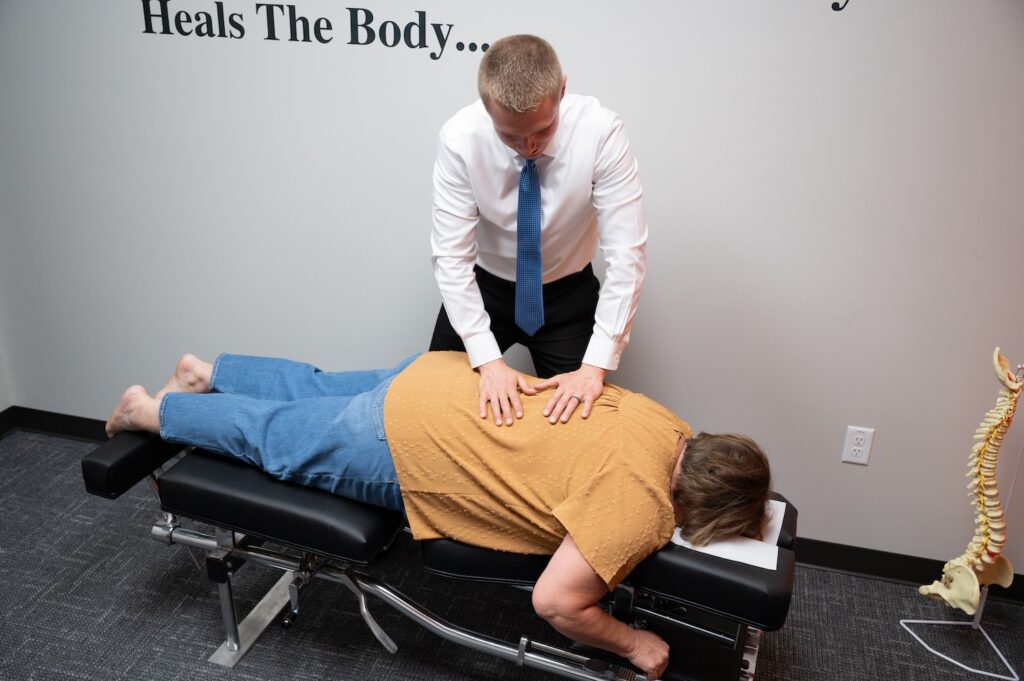
One common type is spinal manipulation, where the chiropractor uses controlled force on your spine to restore proper alignment. This technique can alleviate pain and tension, helping you stand taller and move more freely.
Another method is soft tissue therapy, which targets muscles and connective tissues to release tension and improve flexibility.
You might also encounter instrument-assisted adjustments, where specialized tools are used to apply precise pressure without the traditional manual thrusts. This approach can be especially beneficial for those who prefer a gentler technique.
Additionally, some chiropractors utilize ergonomic assessments, offering guidance on proper posture and movement in your daily activities.
Chiropractic adjustments can greatly enhance your posture, reduce discomfort, and boost your overall health. By working with a qualified chiropractor, you'll discover the most effective adjustments for your unique situation, paving the way for a healthier, more aligned you.
Osteopathic Manipulation Techniques
Osteopathic manipulation techniques offer a holistic approach to enhancing your body's alignment and function. These hands-on methods focus on the body's musculoskeletal system, aiming to improve mobility, relieve pain, and promote overall wellness.
You'll find various techniques that target specific issues, such as muscle tension or joint restriction. One popular method is the soft tissue technique, where practitioners apply gentle pressure to loosen tight muscles and fascia. This can help increase blood flow and reduce discomfort.
Another effective approach is the myofascial release technique, which targets the connective tissue surrounding muscles, promoting relaxation and flexibility. You might also encounter the high-velocity low-amplitude (HVLA) thrust technique. This involves quick, controlled movements to realign joints and restore proper function.
It's particularly beneficial for addressing spinal misalignments that contribute to poor posture. Incorporating these osteopathic techniques into your routine can lead to significant improvements in your posture and overall health.
Physical Therapy Approaches
While exploring ways to improve your posture, consider the various physical therapy approaches that can provide professional adjustments tailored to your needs.
Physical therapy offers a range of techniques designed to correct alignment and enhance your overall posture.
One common method is manual therapy, where a therapist uses hands-on techniques to manipulate soft tissues and joints. This can relieve tension and improve mobility.
Another approach is therapeutic exercise, focusing on strengthening weak muscles and stretching tight ones. These exercises can help you develop a muscular balance that supports proper posture.
Postural training is also essential. Your therapist can guide you through specific movements and positions, teaching you how to maintain alignment throughout daily activities.
Additionally, modalities like ultrasound or electrical stimulation can aid in reducing pain and inflammation, making it easier for you to engage in corrective exercises.
Lastly, your physical therapist may incorporate ergonomic advice, helping you adjust your workspace and daily habits to support better posture.
By combining these approaches, you can achieve lasting improvements in your posture and overall well-being.
Don't hesitate to consult a professional to determine the best plan for your unique situation.
What to Expect During a Session
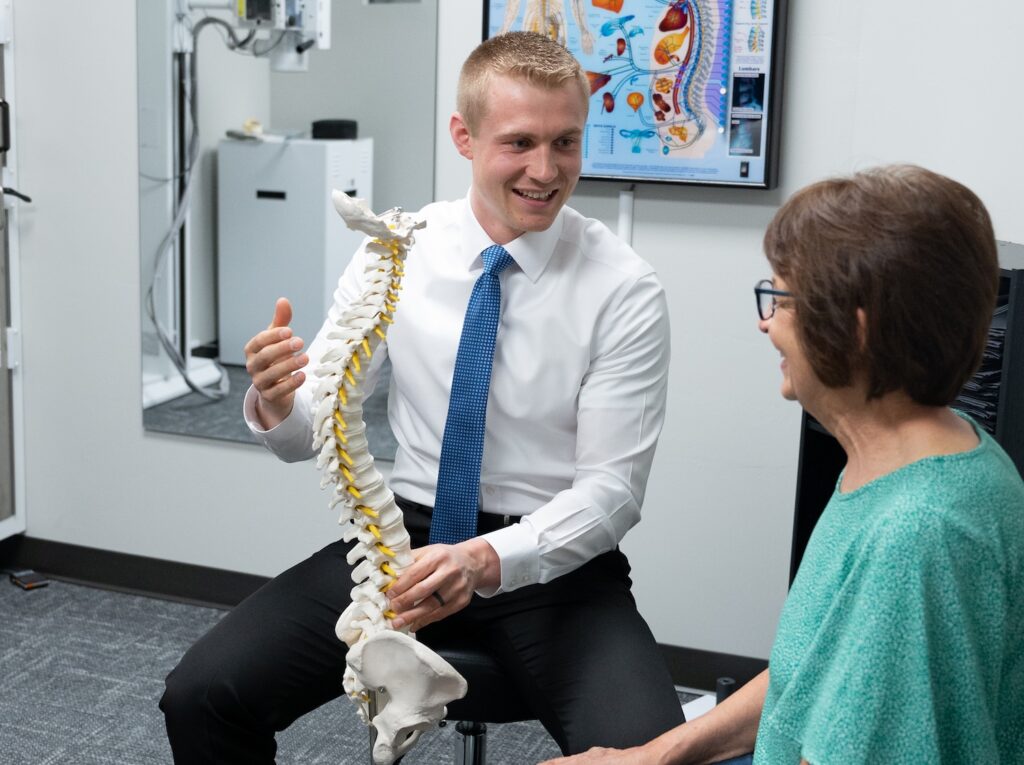
When you step into a posture enhancement session, you can expect a personalized experience tailored to your needs. Your practitioner will begin with a thorough assessment of your posture, movement patterns, and any discomfort you might be experiencing. This initial evaluation sets the stage for a targeted approach that directly addresses your unique situation.
Here's what you can typically expect during your session:
- Assessment: The practitioner will analyze your posture using various techniques, including visual inspection and movement tests. This helps identify any misalignments or areas of tension.
- Hands-on Adjustments: After the assessment, you'll receive specific adjustments aimed at correcting your posture. These may involve gentle manipulations, stretching, or strengthening exercises. The goal is to realign your body and alleviate tension.
- Personalized Exercises: You'll leave with tailored exercises designed to reinforce the adjustments made during the session. These exercises will help you develop better muscle memory and awareness of your posture throughout your daily activities.
Throughout the session, communication is key. Feel free to share any discomfort or ask questions, as your comfort is essential for the best outcomes.
Tips for Maintaining Good Posture
Good posture is a lifelong commitment that requires consistent effort and awareness. To maintain good posture, start by being mindful of your body alignment throughout the day. When you sit, make sure your feet are flat on the floor, your knees are at a right angle, and your back is straight against the chair.
Don't forget to keep your shoulders relaxed and your arms comfortably positioned. When standing, distribute your weight evenly on both feet, keeping your shoulders back and head level. Engaging your core muscles can help support your spine.
If you're at a desk, position your computer screen at eye level to avoid leaning forward or straining your neck. Using ergonomic furniture can also make a big difference in your posture.
Incorporating regular movement into your day is essential. Take breaks to stretch or walk around, especially if you're sitting for long periods. Simple stretches can relieve tension and promote better alignment.
You might also consider exercises that strengthen your core, back, and shoulder muscles, as these play a significant role in maintaining good posture. Lastly, pay attention to your posture while using your phone or other devices. Hold them at eye level to minimize slouching.
When to Seek Professional Help
How do you know when it's time to seek professional help for your posture? Recognizing the signs your body sends can be essential in preventing long-term damage. If you're experiencing any of the following, it's best to consult a professional:
- Chronic Pain: If you feel persistent discomfort in your back, neck, or shoulders, it might indicate that your posture is seriously misaligned. Ignoring this pain can lead to further complications.
- Frequent Headaches: Regular headaches, especially tension headaches, can stem from poor posture. If you notice they occur after long periods of sitting or standing, it's a signal to get help.
- Limited Mobility: If you find it hard to move your neck or shoulders freely, or if you struggle with basic movements due to stiffness, don't wait. A professional can assess your posture and help restore your mobility.
Getting a professional assessment can provide valuable insights tailored to your specific needs. They can develop a personalized plan that includes adjustments, exercises, and education to improve your posture effectively.
Conclusion
Improving your posture through professional adjustments can transform your well-being. By addressing misalignments and strengthening supportive muscles, you'll not only relieve discomfort but also enhance your confidence and mobility. Regular sessions can lead to lasting benefits, allowing you to enjoy life to the fullest. Remember, maintaining good posture is an ongoing journey, so keep practicing the tips you've learned and don't hesitate to seek professional help when needed. Your body will thank you!