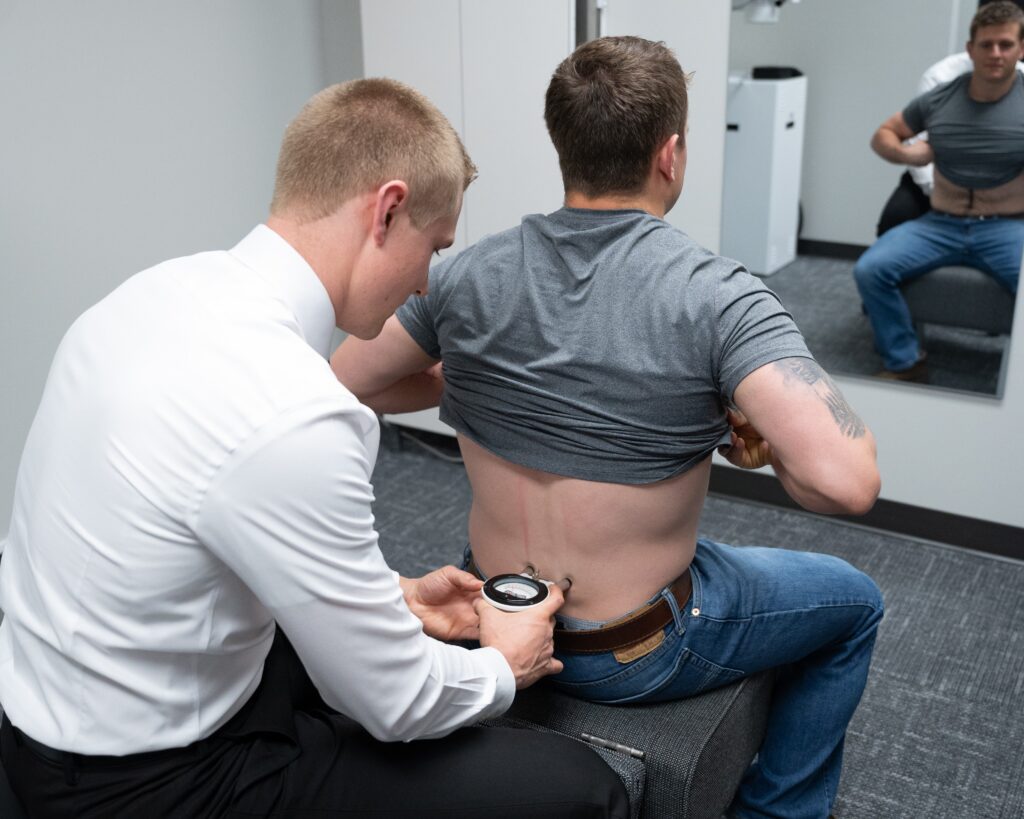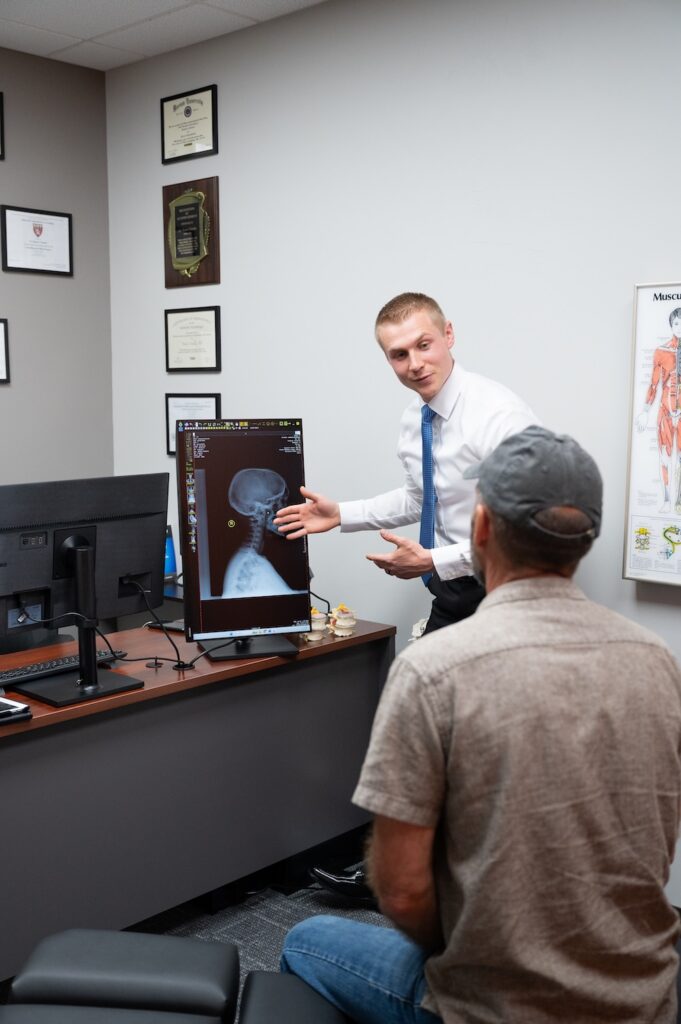

If you've struggled with migraines, you might be surprised to learn how spinal adjustments can offer effective relief. By realigning your spine, these adjustments help reduce nerve irritation and muscle tension, which are often key contributors to headaches. Many patients report a noticeable decrease in both the frequency and intensity of their migraines after treatment. But what does the process involve, and how can complementary therapies enhance these benefits? Exploring these aspects can reveal a thorough approach to managing your migraines effectively.
Understanding Migraines
Migraines affect around 12% of the population, and if you're one of the many who experience them, you know how debilitating they can be. These intense, often pulsating headaches can last from a few hours to several days, and they usually come with symptoms like nausea, vomiting, and sensitivity to light and sound.
You might notice that certain triggers set off your migraines, such as stress, hormonal changes, or specific foods. Understanding these triggers is essential, as it allows you to take proactive steps in managing your condition.
Migraines often stem from a combination of genetic, environmental, and neurological factors. For some, it's a family history of migraines that plays a significant role. If your parents or siblings suffer from them, you're at a higher risk.
On top of that, your brain's sensitivity to stimuli can also influence the frequency and severity of your migraines. It's important to pay attention to your body and how it reacts to different situations.
Many people find it helpful to keep a migraine diary, tracking when and where their headaches occur, as well as any potential triggers. This can provide you with valuable insights into patterns and help you identify the best strategies for prevention.
While you can't always avoid migraines, knowing what to look for can empower you to take control of your health. By understanding the underlying mechanisms, you'll be better equipped to seek effective treatments and find relief.
The Role of Spinal Adjustments
Spinal adjustments play an essential role in alleviating migraine pain by targeting the root causes.
When your spine is properly aligned, it can enhance nervous system function, leading to reduced tension and improved overall health.
Pain Relief Mechanism
Many individuals suffering from migraines find that spinal adjustments can greatly alleviate their pain. When you undergo spinal adjustments, it directly impacts your body's alignment and muscle tension. By realigning your spine, you reduce the strain on your muscles and nerves, which can trigger migraine attacks. This process helps to release endorphins, your body's natural painkillers, promoting a sense of relief.
Moreover, spinal adjustments enhance blood flow to the brain. Improved circulation means that more oxygen and nutrients reach your brain, which can help reduce the frequency and severity of your migraines.
You might also notice that spinal adjustments decrease overall tension in your neck and shoulders, areas often associated with migraine pain.
Another key aspect is the reduction of inflammation. By correcting spinal misalignments, you lower the inflammatory responses that can contribute to migraine symptoms.
All of these factors combine to create an effective pain relief mechanism that many individuals find beneficial.
Improved Nervous System Function
A considerable benefit of spinal adjustments is their ability to enhance nervous system function. When your spine is properly aligned, communication between your brain and body improves. This means your nervous system can send and receive signals more efficiently, reducing stress on your body and allowing it to respond better to various stimuli.
By correcting misalignments, or subluxations, spinal adjustments help improve the flow of information throughout your nervous system. This can lead to improved coordination, better reflexes, and increased overall health. When your nervous system functions effectively, it can greatly lower the frequency and intensity of migraines.
Additionally, spinal adjustments can reduce tension in surrounding muscles and tissues, which often contribute to migraine triggers. As your body becomes more balanced and less stressed, you may find that your migraine symptoms decrease, allowing you to enjoy life more fully.
How Spinal Misalignments Affect Headaches
Misalignments in your spine can greatly contribute to the onset of headaches. When your vertebrae shift out of their proper position, they can irritate the surrounding nerves and muscles. This irritation often leads to tension and discomfort, manifesting as headaches. Your spine plays a crucial role in maintaining overall body function, including the way your brain processes pain signals.
Additionally, spinal misalignments can hinder blood flow to your brain. When the blood vessels in your neck are compressed due to improper spinal alignment, it can reduce oxygen and nutrient delivery to your brain. This lack of proper circulation may trigger headaches, as your brain becomes deprived of what it needs to function at its best.
Moreover, misalignments can lead to muscle tension in your neck and shoulders. When your spine isn't aligned correctly, it puts extra stress on your muscles, leading to tightness and discomfort. This tension can radiate upwards, causing headaches that may feel like they're coming from the base of your skull or the temples.
Addressing spinal misalignments through chiropractic care can help alleviate these issues. By restoring proper alignment, you can relieve nerve irritation, improve blood flow, and reduce muscle tension.
As a result, you might find that your headache frequency and intensity decrease, helping you regain control over your well-being. Taking care of your spine can greatly impact your overall health and enhance your quality of life.
Research Supporting Chiropractic Care
When considering chiropractic care for migraine relief, it's crucial to look at the scientific studies that support its effectiveness.
You'll find various chiropractic techniques and how they can specifically address your symptoms.
Plus, patient outcomes often highlight significant improvements, making a compelling case for this natural approach.
Scientific Studies Overview
Numerous scientific studies have explored the effectiveness of chiropractic care in alleviating migraines, revealing promising results. For instance, a study published in the "Journal of Manipulative and Physiological Therapeutics" found that spinal manipulation appreciably reduced the frequency and intensity of migraine attacks in participants. Many individuals reported fewer migraine days and less reliance on medication after receiving chiropractic adjustments.
Another research effort, published in "Headache: The Journal of Head and Face Pain," highlighted that patients receiving chiropractic care experienced substantial improvements in their quality of life. By addressing spinal misalignments, chiropractors can alleviate tension and improve overall nervous system function, which may contribute to reduced migraine occurrence.
Moreover, a systematic review indicated that chiropractic treatment can be an effective complementary option for those seeking alternative migraine relief. Participants often noted enhanced pain relief and fewer side effects compared to conventional medication.
These studies underscore chiropractic care's potential role in managing migraines. If you're struggling with migraine pain, considering chiropractic adjustments could be a beneficial avenue for relief, allowing you to regain control over your health and well-being.
Chiropractic Techniques Explained
Chiropractic techniques play an essential role in managing migraines through targeted spinal adjustments. These approaches aim to restore proper alignment in your spine, which can alleviate tension and improve overall function.
Here are some key techniques you might encounter:
- Cervical Manipulation: Adjustments focusing on the neck to relieve pressure and improve blood flow.
- Thoracic Adjustments: Targeting the upper back to enhance mobility and reduce nerve irritation.
- Soft Tissue Therapy: Techniques such as massage to reduce muscle tension and promote relaxation.
- Diversified Technique: A manual adjustment method that includes a variety of techniques tailored to your specific needs.
- Activator Method: A gentle, instrument-assisted technique designed to deliver precise adjustments without high-velocity thrusts.
Patient Outcomes Highlighted
Research consistently shows that patients experiencing migraines often report significant relief after undergoing chiropractic care. In various studies, individuals who received spinal adjustments noted a considerable reduction in the frequency and intensity of their migraine attacks. Many of you may find that after just a few sessions, the debilitating symptoms that once ruled your life begin to diminish.
Chiropractic care focuses on aligning the spine to improve nervous system function, which can play an essential role in migraine management. A study published in the "Journal of Manipulative and Physiological Therapeutics" highlighted that nearly 80% of participants experienced a reduction in headache frequency after receiving chiropractic adjustments.
Moreover, patients often comment on improved overall well-being, including better sleep and reduced tension, which are vital for managing migraines. It's not just about treating the symptoms; you're also addressing underlying issues that contribute to these painful episodes.
With consistent care, you can expect to see not only relief but also a more holistic approach to your health. If you've been struggling with migraines, consider exploring chiropractic care as a promising avenue for relief.
Benefits of Spinal Adjustments for Migraines
For those suffering from migraines, spinal adjustments can offer significant relief by addressing underlying issues in the nervous system. Many individuals find that these adjustments not only alleviate pain but also enhance overall well-being.
Here are some key benefits you can experience from spinal adjustments in relation to migraines:
- Reduced Frequency: Regular adjustments can decrease the number of migraine episodes you experience.
- Less Intensity: Many report that when migraines do occur, they're less severe and easier to manage.
- Improved Blood Flow: Spinal adjustments may enhance blood circulation, delivering more oxygen and nutrients to your brain.
- Nervous System Harmony: Aligning the spine helps your nervous system function effectively, reducing stress and tension that can trigger migraines.
- Holistic Approach: This treatment addresses the root cause rather than just masking symptoms, promoting long-term relief.
Incorporating spinal adjustments into your migraine management plan can lead to a more balanced lifestyle.
You might find yourself not only experiencing fewer headaches but also enjoying an overall boost in energy and mood. Many patients notice improvements in sleep quality and daily functioning as well.
Plus, with the added benefit of personalized care, your chiropractor can tailor treatments to your specific needs.
This holistic approach to migraine relief empowers you to take control of your health and well-being. The journey to a migraine-free life could be just an adjustment away!
What to Expect During Treatment
When you seek treatment for migraines through spinal adjustments, you can expect a thorough initial assessment. Your chiropractor will review your medical history, focusing on your migraine patterns, triggers, and any previous treatments you've tried. They'll likely ask detailed questions about your symptoms, lifestyle, and overall health to tailor a treatment plan that best suits your needs.
After the assessment, you'll undergo a physical examination. This may include checking your posture, range of motion, and spinal alignment. Your chiropractor might also perform neurological tests to determine if there are any underlying issues contributing to your migraines. Based on the findings, they'll explain how spinal adjustments can help alleviate your symptoms.
During your first adjustment, you'll lie on a treatment table while your chiropractor applies specific techniques to realign your spine. You might hear some cracking or popping sounds, which is normal and indicates that your joints are moving back into proper alignment. The process typically takes only a few minutes and is generally painless.
After the adjustment, you may experience some mild soreness, similar to post-exercise discomfort, but this usually subsides quickly. Your chiropractor will discuss follow-up appointments and may recommend a series of adjustments for ideal results.
They'll also provide guidance on lifestyle changes and exercises to support your treatment, helping you manage and potentially reduce your migraine frequency effectively.
Complementary Therapies for Migraine Relief
Alongside spinal adjustments, several complementary therapies can enhance migraine relief and improve overall well-being. These approaches can work in tandem with your chiropractic care, providing you with a more thorough strategy to manage your migraines.
Here are some effective therapies you might consider:
- Acupuncture: This ancient practice involves inserting thin needles into specific points on your body, which may help reduce the frequency and intensity of migraines.
- Massage Therapy: Regular massages can relieve muscle tension and stress, two common migraine triggers. It promotes relaxation and improves blood circulation, which may help prevent episodes.
- Herbal Supplements: Certain herbs, like feverfew and butterbur, have shown promise in reducing migraine frequency. Always consult with a healthcare provider before starting any new supplements.
- Biofeedback: This technique helps you gain more control over physiological functions. By learning to manage your body's responses to stress, you can potentially reduce the intensity of your migraines.
- Yoga and Meditation: Both practices foster relaxation and stress reduction, which can be beneficial in managing migraines. They also promote overall mental and physical well-being.
Incorporating these complementary therapies into your routine can make a significant difference in your migraine management.
Always remember to discuss these options with your healthcare provider to make sure they fit well with your overall treatment plan. By taking a holistic approach, you can empower yourself in the journey toward better migraine relief.
Choosing the Right Chiropractor
Finding the right chiropractor can greatly enhance your migraine relief journey, especially when combined with complementary therapies. When you're seeking a chiropractor, start by considering their experience and expertise in treating migraines specifically. Look for someone who understands the unique challenges you face and has a track record of success with migraine patients.
Next, check their qualifications and certifications. A licensed chiropractor will have completed the necessary training and must adhere to professional standards. You can often find this information on their website or by asking during your first consultation.
It's also essential to assess their approach to treatment. Some chiropractors focus solely on spinal adjustments, while others integrate techniques like physical therapy or nutritional counseling. Make sure their methods align with your preferences and comfort level.
Don't underestimate the importance of personal rapport. You should feel comfortable discussing your symptoms and treatment goals. Schedule a consultation to gauge whether the chiropractor listens to you and values your input.
Finally, consider logistics such as location, appointment availability, and insurance coverage. A convenient location and flexible scheduling can make regular visits easier, enhancing the consistency of your treatment.
Conclusion
To sum up, spinal adjustments can be a game-changer for managing migraines. By realigning your spine, you can reduce nerve irritation and muscle tension, leading to fewer and less intense headaches. With supporting research and the option to incorporate complementary therapies like acupuncture and yoga, you have a holistic approach to finding relief. If you're struggling with migraines, consider visiting a chiropractor who understands your needs and can help you regain control over your well-being.