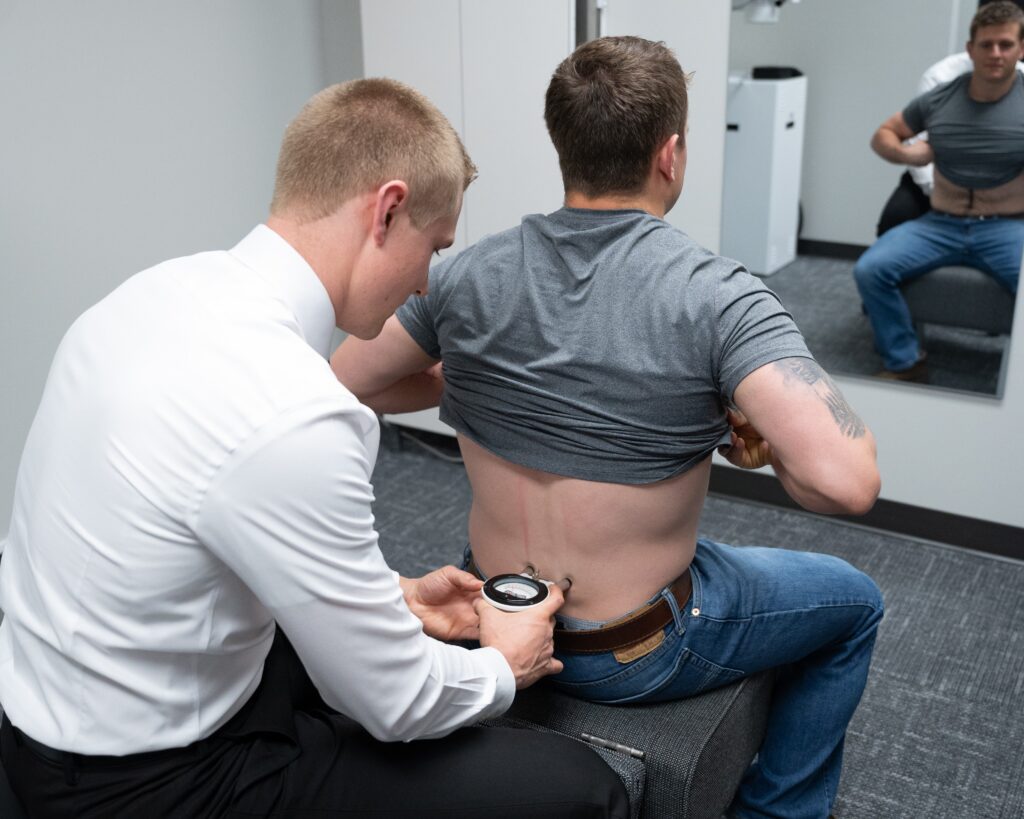

If you're struggling with back pain, you know how it can impact your daily life. Finding a personalized plan tailored to your unique situation is essential for effective relief. Each person's experience varies, influenced by factors like lifestyle and specific triggers. By evaluating your symptoms and exploring customized treatment options, you can take significant steps toward recovery. But what elements should you consider when creating a plan that truly works for you? The answers might surprise you, and they could lead you to a more manageable life.
Understanding Back Pain Types
Back pain can be a real pain in the neck, but understanding its different types is essential for effective relief. You might be dealing with acute back pain, which usually comes on suddenly and lasts for a short time. This type often results from an injury, lifting something heavy, or even a sudden movement. Knowing it's temporary can help you manage your expectations and seek appropriate treatment.
Then there's chronic back pain. Unlike acute pain, chronic pain persists for months or even years, often without a clear cause. If you're experiencing this, it's vital to identify any underlying issues, such as herniated discs or arthritis, that might be contributing to your discomfort. Recognizing the difference between acute and chronic pain can guide you in choosing the right management strategies.
Another type is radicular pain, which occurs when nerve roots in the spine become irritated. You may feel this as sharp, shooting pain that follows the path of a nerve, often radiating down your leg or arm. Understanding this can help you pinpoint where the problem lies and discuss it with your healthcare provider.
Finally, consider myofascial pain, which stems from tight muscles and can lead to referred pain in other areas. If you find that specific muscle groups are consistently tight or tender, addressing those muscle issues may be key to your relief.
Importance of Personalization
When addressing back pain, recognizing the importance of personalization in treatment can greatly enhance your recovery journey. Each individual's experience with back pain is unique, influenced by factors like lifestyle, physical condition, and pain triggers. A one-size-fits-all approach often falls short, leaving you frustrated and in search of relief that doesn't come.
Personalized plans target your specific needs and circumstances. They consider the type of pain you're experiencing, your daily activities, and any underlying health issues. This tailored strategy not only improves the effectiveness of your treatment but also boosts your motivation. When you see progress that resonates with your specific situation, you're more likely to stay committed to your recovery plan.
Moreover, personalized treatment encourages open communication with healthcare providers. You can share your concerns and preferences, allowing them to adjust the plan as needed. This collaborative approach fosters a sense of partnership in your healing process, empowering you to take an active role in your recovery.
Additionally, a customized plan often combines various therapies such as physical therapy, medication, and lifestyle changes, ensuring a thorough approach to your back pain. This versatility can lead to better results than any single intervention.
Ultimately, embracing personalization in your treatment not only addresses your immediate pain but also sets the stage for long-term health and wellness. By investing in a plan designed just for you, you're more likely to achieve lasting relief and improved quality of life.
Assessing Your Symptoms
To create an effective plan for back pain relief, you need to assess your symptoms carefully.
Start by identifying what triggers your pain, then evaluate its intensity, duration, and frequency.
This information will be essential in tailoring a treatment approach that truly works for you.
Identifying Pain Triggers
Understanding your pain triggers is essential for effective back pain management. You need to identify what exacerbates your discomfort to develop a personalized relief plan. Start by keeping a detailed diary of your daily activities, noting when and where you feel pain. This can help you spot patterns and make connections between specific movements or tasks and your pain episodes.
Consider physical factors, like poor posture, improper lifting techniques, or extended periods of sitting. These can all contribute to your back pain.
Also, evaluate emotional stressors, as anxiety and tension can lead to muscle tightness and discomfort.
Don't forget to assess your sleeping habits—an unsupportive mattress or poor sleep positions can worsen your pain. Pay attention to your body; it often signals when something's off.
Engaging in mindfulness practices may also help you tune into your body better, allowing you to recognize triggers more effectively.
Evaluating Pain Intensity
Recognizing your pain triggers sets the stage for gauging pain intensity, which is essential for tailoring your relief strategies. Start by tuning into your body and determining how your pain feels on a scale of 1 to 10. Consider factors like sharpness, aching, and throbbing. Is it mild, moderate, or severe? This self-assessment helps you understand the degree of discomfort you're experiencing.
Next, take note of how your pain affects your daily activities. Are you able to move comfortably, or does it hinder your routine? Understanding this impact plays a significant role in your overall evaluation.
Don't forget to pay attention to specific locations where you feel the pain. Is it localized or does it radiate?
Lastly, keep a pain diary to track fluctuations in intensity over time. Documenting your experiences not only enhances your awareness but also provides valuable information to share with healthcare professionals.
Duration and Frequency
Duration and frequency of your back pain can greatly influence how you approach relief strategies. Understanding these factors is essential for tailoring an effective plan that fits your needs. Here are three key points to reflect on:
- Acute vs. Chronic Pain: If your pain is sharp and lasts less than six weeks, it's likely acute. For ongoing pain that persists for three months or longer, it's classified as chronic. This distinction helps in deciding whether to seek medical intervention or try self-care methods.
- Frequency of Episodes: Take note of how often your pain occurs. Is it a daily struggle, or does it flare up sporadically? Frequent episodes may require a more structured approach to pain management, including physical therapy or lifestyle modifications.
- Triggers and Relief: Identify what triggers your pain and how long it typically lasts. Knowing whether it's linked to specific activities can help you avoid exacerbating your symptoms and adjust your routine accordingly.
Customizing Treatment Options
Now that you've assessed your symptoms, it's time to customize your treatment options.
You'll want to identify the specific causes of your pain and create tailored exercise regimens that suit your needs.
Exploring alternative therapies can also enhance your recovery and provide additional relief.
Assessment of Pain Causes
Understanding the underlying causes of your back pain is crucial for tailoring effective treatment options. Identifying these causes can lead to a more personalized approach that directly targets your specific issues.
Here are three common factors to evaluate:
- Injury: Past accidents or injuries can result in chronic pain, affecting your mobility and daily activities.
- Posture: Poor posture, whether sitting at a desk or lifting incorrectly, can strain your back muscles and lead to pain.
- Medical Conditions: Conditions like arthritis, herniated discs, or scoliosis can greatly contribute to back pain.
To assess the causes, you'll want to consult with a healthcare professional who can evaluate your symptoms and medical history.
Diagnostic imaging, like X-rays or MRIs, may also be necessary to pinpoint the exact issue.
By understanding what's causing your pain, you can work together with your healthcare provider to create a tailored treatment plan that addresses those specific factors.
This focused approach not only enhances the effectiveness of your treatment but also empowers you to take control of your recovery journey.
Tailored Exercise Regimens
To effectively manage back pain, tailored exercise regimens play an essential role in your recovery process. These regimens focus on your unique needs, ensuring that the exercises you engage in target the specific areas causing discomfort. Rather than following a generic workout routine, customizing your approach can lead to a more effective and sustainable recovery.
Start by incorporating flexibility and stretching exercises. These can help improve your range of motion and alleviate stiffness. Gentle stretches for your back, hips, and legs can be particularly beneficial.
Next, focus on strengthening exercises. Building core strength supports your spine and reduces strain on your back. Activities like planks, bridges, and bird-dogs can help you develop the necessary muscle support.
Additionally, consider low-impact aerobic activities such as walking or swimming. These can enhance blood flow and promote healing without putting excessive pressure on your back.
Always listen to your body, and don't push through pain. If an exercise aggravates your condition, modify it or consult with a professional for alternatives.
Alternative Therapies Exploration
As you explore alternative therapies for back pain relief, you'll discover a range of options that can be customized to fit your specific needs.
Here are three popular therapies to reflect on:
- Acupuncture: This ancient Chinese practice involves inserting thin needles into specific points on your body, promoting natural pain relief and healing.
- Chiropractic Care: Chiropractors focus on spinal manipulation to correct misalignments and improve function, providing significant relief for many back pain sufferers.
- Massage Therapy: Therapeutic massage techniques can help relax tense muscles, improve circulation, and alleviate pain, tailored to your individual comfort level.
Each of these therapies can be adjusted based on your unique preferences, pain levels, and lifestyle.
For instance, you might combine acupuncture with chiropractic sessions for a more thorough approach.
It's crucial to consult with a qualified practitioner who can guide you in selecting the best combination of therapies.
Remember, exploring alternative methods not only empowers you but also opens the door to understanding what truly works for your body.
Personalizing these treatments can lead to more effective and lasting relief from back pain.
Physical Therapy Approaches
Exploring physical therapy approaches can greatly enhance your journey toward back pain relief. When you visit a physical therapist, they'll assess your specific condition, movement patterns, and physical capabilities. This personalized evaluation is essential for developing a tailored treatment plan that addresses your unique needs.
One effective approach is manual therapy, where the therapist uses their hands to manipulate soft tissues and joints. This technique can help relieve pain, improve mobility, and restore function.
Another common method is therapeutic exercise, which focuses on strengthening the muscles supporting your back. These exercises can enhance stability and flexibility, reducing the risk of future injuries.
You might also experience modalities like heat, ice, or electrical stimulation during your sessions. These treatments can alleviate pain and promote healing in your affected areas.
Additionally, education on posture and body mechanics is an important component of physical therapy. By learning how to maintain proper alignment during daily activities, you can prevent further strain on your back.
Your therapist may also introduce you to specific stretching routines to improve flexibility and reduce tension in your muscles. Remember, consistency is key. Sticking to your prescribed routine will yield the best results.
Ultimately, engaging in a thorough physical therapy program not only addresses your current pain but also empowers you with the tools and knowledge needed to manage your back health long-term. By investing in these approaches, you're taking a proactive step toward a pain-free life.
Lifestyle Modifications for Relief
Making simple lifestyle modifications can greatly contribute to your back pain relief journey. By adjusting your daily habits and routines, you can create a supportive environment for your back. Here are three effective changes you can make:
- Improve Your Posture: Whether you're sitting at a desk or standing, maintaining good posture is essential. Keep your shoulders back, head aligned with your spine, and use ergonomic furniture when possible.
- Incorporate Regular Exercise: Engaging in low-impact activities like walking, swimming, or yoga can strengthen your back muscles and improve flexibility. Aim for at least 30 minutes of activity most days of the week.
- Manage Your Weight: Carrying excess weight puts additional stress on your back. By adopting a balanced diet and monitoring your calorie intake, you can work towards a healthier weight, which can alleviate pressure and reduce pain.
In addition to these changes, consider your sleeping habits. A supportive mattress and proper pillow can make a world of difference in how you feel each morning.
Remember, consistency is key. Stick to these modifications, and you'll likely notice improvements in your back pain over time. Implementing these lifestyle changes isn't just beneficial for your back; it also enhances your overall well-being.
Alternative Therapies to Consider
Finding relief from back pain often requires a multifaceted approach, and alternative therapies can offer valuable options. These therapies can complement traditional treatments and help you manage pain more effectively.
One popular option is acupuncture. This ancient practice involves inserting thin needles into specific points on your body to promote healing and alleviate pain. Many people find it effective for reducing discomfort and improving mobility.
Another alternative worth considering is chiropractic care. Chiropractors use hands-on manipulation to adjust your spine, which can help relieve tension and pain in your back. Regular visits may lead to long-term improvements in your posture and overall spinal health.
Massage therapy is also highly regarded for back pain relief. A skilled massage therapist can target tight muscles and fascia, helping to reduce tension and improve circulation. This can lead to significant pain relief and enhanced relaxation.
You might also explore herbal remedies and supplements. Turmeric, ginger, and devil's claw are known for their anti-inflammatory properties and may help reduce pain. Always consult with a healthcare professional before trying any new supplements to ascertain they're safe for you.
Lastly, yoga and Pilates can be beneficial for back pain management. These practices focus on flexibility, strength, and proper alignment, which can help support your spine and alleviate discomfort.
Incorporating these alternative therapies into your pain management plan can offer you a holistic approach to finding relief and improving your quality of life.
Monitoring Progress and Adjustments
Tracking your progress in managing back pain is vital for effective treatment. It allows you to see what's working and what isn't, enabling you to make necessary adjustments. Here are three key reasons why monitoring your progress is essential:
- Identifying Patterns: By keeping a log of your pain levels, activities, and treatments, you can spot patterns that may reveal triggers or effective strategies.
- Enhancing Communication: Sharing your progress with healthcare providers guarantees they've the most accurate information, allowing them to tailor your treatment plan more effectively.
- Boosting Motivation: Tracking improvements, no matter how small, can motivate you to stay committed to your personalized plan.
To monitor your progress effectively, consider using a journal or a mobile app that allows you to record daily pain levels, activities, and any treatments you've tried.
Make it a habit to review your entries weekly. This will help you identify trends and make informed decisions about your treatment.
As you assess your progress, be open to adjustments. If certain exercises aren't yielding results or if a specific therapy isn't providing relief, don't hesitate to discuss these findings with your healthcare provider.
They can help you refine your plan to better suit your needs.
Conclusion
In summary, finding a personalized plan for back pain relief is essential for your recovery. By understanding your pain type and evaluating your symptoms, you can work with healthcare providers to customize treatment options that suit your lifestyle and preferences. Incorporating physical therapy, lifestyle changes, and alternative therapies will empower you to take control of your pain management. Remember to monitor your progress and make adjustments as needed, ensuring you stay on the path to lasting relief and a better quality of life.