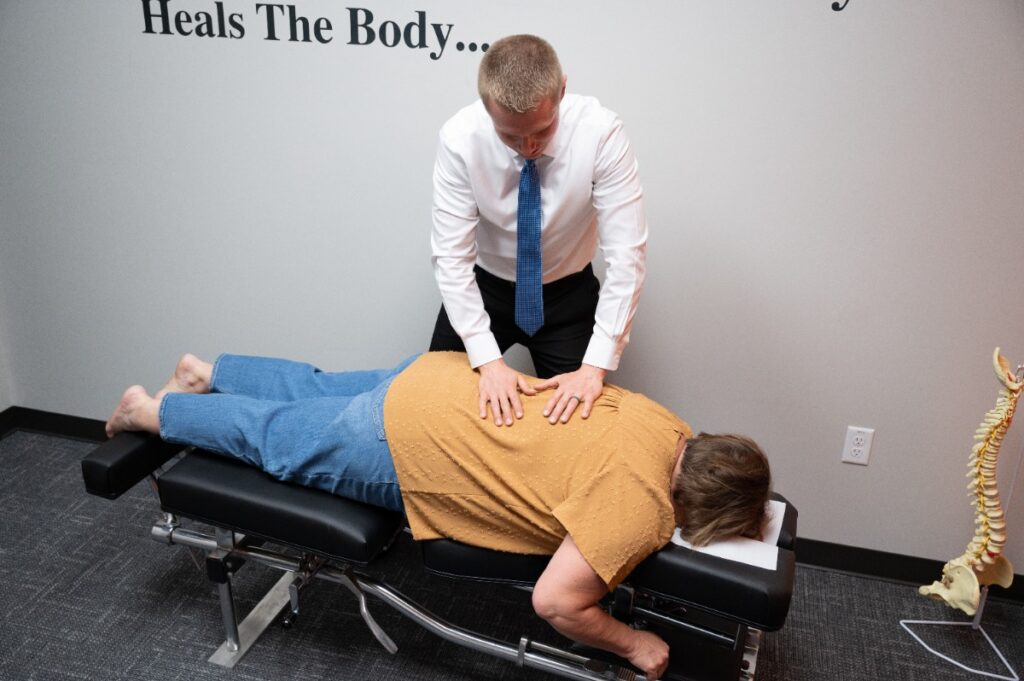

As a local chiropractor, I understand that living with chronic pain can be a daily struggle that impacts both your physical health and mental well-being. Many of my patients have found that effective relief often comes through a combination of approaches tailored to their individual needs. Chiropractic care focuses on holistic healing, emphasizing the importance of spinal alignment and nervous system function in managing pain.
In our practice, we explore a variety of techniques, from gentle adjustments to lifestyle recommendations, that may help enhance your quality of life. I know that the world of pain management can seem daunting, especially if you're new to chiropractic care. That's why I'm here to guide you through this journey, helping you understand which options may be most beneficial for you. Together, we can discover how chiropractic care and natural healing methods can transform your approach to pain management and improve your overall well-being.
Understanding Chronic Pain
Chronic pain can feel like a relentless storm, impacting the lives of many and leaving them in search of relief. As a local chiropractor, I want to help you understand this condition better and show you how chiropractic care can play a vital role in managing it. If you're experiencing discomfort that doesn't seem to fade, it can disrupt your daily activities and alter your sense of normalcy.
Chronic pain is more than just a symptom; it's a complex condition that can arise from various sources, including injuries, illnesses, or even emotional stress. You might feel this pain as sharp, dull, or throbbing sensations in different areas of your body.
Unlike acute pain, which is your body's way of signaling an injury, chronic pain can linger without an obvious cause. This ongoing discomfort may lead to feelings of frustration, anxiety, and even depression, which is why it's crucial to address both the physical and emotional aspects of your well-being.
As you embark on your healing journey, recognizing what triggers your pain can empower you. Factors like poor posture, overexertion, or emotional strain could worsen your condition. One effective approach is to keep a pain diary; this can help you identify patterns and communicate your experiences more clearly during visits to healthcare providers, including your chiropractor.
Remember, you aren't alone in this struggle—many others are facing similar challenges. There are countless resources and support available to help you understand and manage your pain effectively.
Holistic Approaches to Pain Relief
As a local chiropractor, I want to share with you the benefits of holistic approaches for pain relief, emphasizing the importance of treating the whole person instead of just addressing the symptoms.
These methods are designed to balance your mind, body, and spirit, allowing us to tackle the root causes of your pain together. By integrating various practices, we can develop a comprehensive plan tailored specifically to your unique needs.
One of the holistic strategies I often recommend is mindfulness and meditation. By practicing mindfulness, you can become more attuned to your thoughts and feelings, which is essential for managing the stress and anxiety that frequently accompany chronic pain.
Meditation not only fosters relaxation but also helps reduce muscle tension, contributing to an overall sense of well-being.
Acupuncture is another approach that many patients find beneficial. This ancient technique targets specific points on the body to help release energy blockages and encourage healing.
Many individuals experience significant pain relief after just a few sessions, making it a valuable option for those dealing with chronic discomfort.
In addition, we can't overlook the role of herbal remedies and nutritional therapy in holistic pain management. Certain herbs, such as turmeric and ginger, are known for their anti-inflammatory properties and can help alleviate pain.
Moreover, adhering to a balanced diet rich in whole foods can support your body's natural healing processes and enhance your overall health.
I also encourage gentle movement practices like yoga or tai chi. These activities not only improve your flexibility and strength but also promote relaxation and mindfulness, ultimately enhancing your quality of life.
By exploring these holistic approaches, we can work together to find effective relief from chronic pain while nurturing your entire self.
I look forward to guiding you on your journey to better health!
Physical Therapy Techniques
As a local chiropractor, I want to emphasize the importance of a holistic approach to pain management, which can be significantly enhanced by incorporating chiropractic techniques into your recovery process.
Chiropractic care is tailored to your individual needs and focuses on improving mobility, strength, and overall function. It empowers you to take charge of your pain while promoting long-term healing through natural methods.
One highly effective technique is spinal manipulation, where a trained chiropractor applies controlled force to the joints of the spine. This can alleviate tension, improve circulation, and enhance your range of motion.
You may also benefit from specific exercises designed to strengthen the muscles surrounding your spine and other affected areas, providing better support and helping to reduce pain.
Another valuable technique is therapeutic stretching. This helps improve flexibility and reduce stiffness, making daily activities easier and more comfortable.
I may guide you through targeted stretches that focus on your pain points, ensuring you perform them safely and effectively.
Additionally, I encourage you to explore the benefits of aquatic therapy. Exercising in water can significantly reduce the strain on your joints, allowing for freer movement while still building strength.
This approach can be especially beneficial for those with limited mobility or severe pain.
Don't underestimate the role of education in chiropractic care. I aim to equip you with strategies and techniques to manage your pain at home, ensuring you continue to make progress between visits.
Medications for Chronic Pain
When it comes to managing chronic pain, I want to emphasize that medications can be a part of your treatment plan, but they aren't the only solution. As a chiropractor, I believe in a holistic approach to healing, and there are many natural methods that can effectively address pain without solely relying on pharmaceuticals.
Many patients start with over-the-counter (OTC) medications like acetaminophen and nonsteroidal anti-inflammatory drugs (NSAIDs) for mild to moderate pain relief. While these can be helpful initially, they often only mask the symptoms rather than addressing the root cause of your pain. This is where chiropractic care comes into play.
If your pain is more severe or persistent, it's essential to explore other options beyond prescription medications, which can include opioids. While these medications can provide relief, they come with risks such as dependency and side effects, which can complicate your healing journey.
Instead, consider how chiropractic adjustments and therapies can help alleviate pain by improving spinal alignment, reducing muscle tension, and enhancing your body's natural ability to heal.
For conditions that involve muscle spasms or nerve pain, I often recommend complementary therapies like muscle relaxants or anticonvulsants. However, my focus is on treatments that promote long-term wellness and address the underlying issues contributing to your pain.
Techniques like spinal manipulation, therapeutic exercises, and lifestyle changes can provide significant benefits without the need for medications.
I also encourage exploring topical treatments, such as natural creams or patches, which can target specific areas of pain with minimal systemic effects. It's crucial to maintain open communication with me about your experiences, so we can collaboratively create a treatment plan that aligns with your health goals.
Alternative Therapies and Treatments
As a chiropractor, I want to share how alternative therapies and treatments can be a vital part of your journey in managing chronic pain. These natural approaches often work hand-in-hand with traditional medical treatments, providing you with additional tools to find relief and enhance your overall well-being.
One effective method we often incorporate in chiropractic care is acupuncture. This technique involves the insertion of fine needles at specific points on your body and many patients report significant reductions in pain and increased relaxation as a result.
If you're hesitant about needles, acupressure is a fantastic alternative. This method applies pressure to the same points, allowing for similar benefits without any needles involved.
Massage therapy is another essential component that complements chiropractic adjustments. Regular massage can relieve muscle tension, enhance blood circulation, and promote a general sense of relaxation.
Whether you prefer deep tissue, Swedish, or trigger point techniques, working with a skilled massage therapist can greatly improve your recovery process.
Additionally, mind-body practices such as yoga and meditation can significantly aid in managing pain. These techniques help cultivate awareness of your body and breath, empowering you to cope more effectively with pain and stress.
By incorporating mindfulness into your daily routine, you may find a more positive outlook on your health condition.
Don't overlook the potential benefits of herbal remedies and supplements. Options like turmeric and ginger have been known to reduce inflammation and provide relief.
However, it's important to discuss any new treatments with a healthcare professional to ensure they fit well into your overall health plan.
By integrating these alternative therapies into your pain management strategy, you can take charge of your health and improve your quality of life.
I encourage you to stay open-minded and explore the various options available to find what works best for you on this healing journey.
Lifestyle Changes for Management
As a local chiropractor, I want to share some valuable insights on how integrating lifestyle changes into your daily routine can significantly enhance your ability to manage chronic pain. Many of my patients have found that simple adjustments to their habits can create a more supportive environment for both their body and mind.
Let's start with the diet. Incorporating anti-inflammatory foods such as fresh fruits, vegetables, whole grains, and healthy fats can play a crucial role in reducing pain levels. It's best to steer clear of processed foods and sugars, as they can often exacerbate inflammation and discomfort.
Regular physical activity is another vital component of pain management. I encourage you to find exercises that you genuinely enjoy and can commit to regularly—whether it's walking, swimming, or yoga. Even gentle movements can improve flexibility, strength, and overall well-being, which often leads to reduced pain over time. Aim for at least 30 minutes of moderate activity on most days of the week.
Don't underestimate the importance of sleep in your pain management journey. Establishing a regular sleep schedule and creating a calming bedtime routine can significantly improve the quality of your sleep. Aim for 7-9 hours each night, as insufficient rest can heighten pain sensitivity and make it harder to cope.
Managing stress is equally essential. I recommend incorporating relaxation techniques like deep breathing, meditation, or mindfulness into your daily routine. These practices can help lower stress levels, which in turn can improve your pain experience and overall quality of life.
Finally, staying socially connected can provide much-needed emotional support and distraction from pain. Engaging with friends and family, joining support groups, or participating in community activities can make a substantial difference in your outlook and resilience when facing chronic pain.
Seeking Professional Guidance
Navigating the challenges of chronic pain can often feel daunting, but as your local chiropractor, I want to assure you that seeking professional guidance is a crucial step towards effective management and healing. You don't have to face this journey alone.
By collaborating with a chiropractor, you can develop personalized strategies that cater to your unique needs. Here are four key reasons why chiropractic care is essential for those dealing with chronic pain:
- Holistic Assessment: As a chiropractor, I focus on understanding the root causes of your pain through a comprehensive evaluation. This allows us to create a tailored treatment plan that addresses the underlying issues contributing to your discomfort.
- Natural Treatment Options: Chiropractic care offers a variety of non-invasive treatment modalities, including spinal adjustments, soft tissue therapy, and lifestyle recommendations. Together, we can explore the best combination of natural healing techniques that align with your health goals.
- Continuous Care: Chronic pain can be unpredictable, and having regular chiropractic appointments ensures you receive ongoing support. We'll regularly assess your progress and make necessary adjustments to your treatment plan, helping you stay on track towards relief.
- Mind-Body Connection: Chronic pain can take a toll on both your physical and emotional well-being. As your chiropractor, I can provide guidance on stress management techniques, exercises, and may refer you to mental health professionals if needed, ensuring a holistic approach to your healing journey.
Don't hesitate to reach out for help. Whether you're experiencing back pain, headaches, or other chronic conditions, chiropractic care can empower you to take control of your health.
Conclusion
As a local chiropractor, I want to share how a holistic approach can be transformative in your journey to manage chronic pain. Chiropractic care focuses on aligning the body's musculoskeletal system, which can significantly enhance your overall well-being. By incorporating mindfulness practices and gentle movement, alongside our specialized treatments, you can empower yourself to find relief.
I encourage you to explore alternative therapies, such as massage or acupuncture, which can complement chiropractic adjustments. Additionally, making lifestyle changes that resonate with you can further support your healing journey. It's also important to lean on your support system—friends and family play a crucial role in your recovery.
With determination and the right strategies, including chiropractic care, you can take control of your pain and improve your quality of life. I'm here to guide you through this process and help you discover the natural healing methods that work best for you.