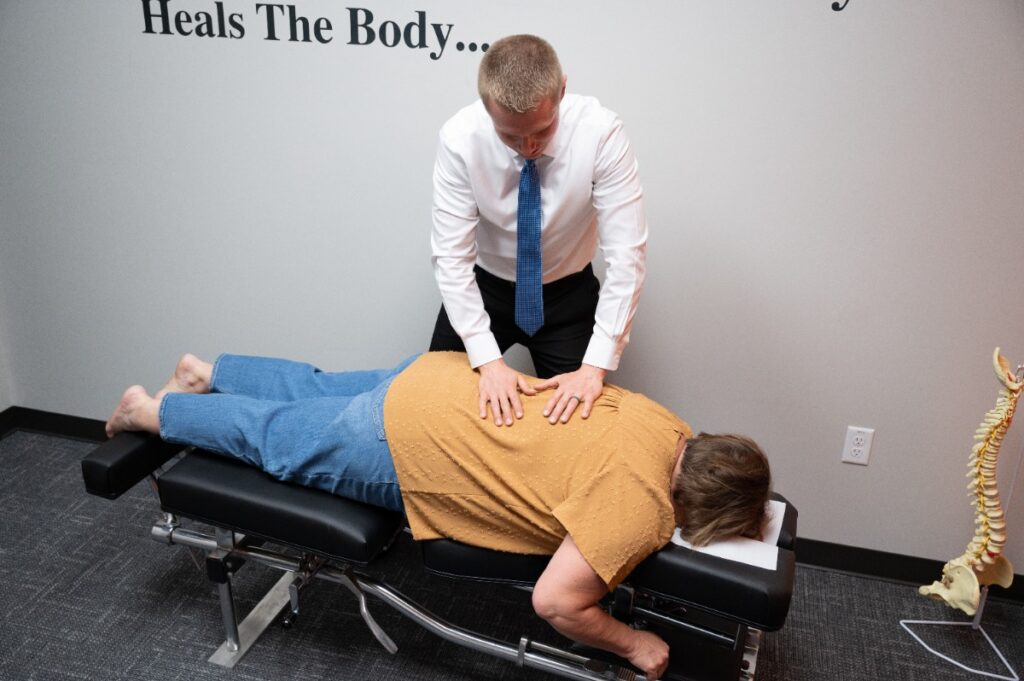

As a local chiropractor, I want to emphasize that chronic pain is not just a physical issue; it's an emotional journey that many find daunting. It's essential to consider both traditional treatments and holistic approaches to discover what truly works for your unique situation. Chiropractic care, along with techniques such as physical therapy, mindfulness, and even dietary adjustments, can play a significant role in pain management.
Imagine if your path to relief involved a blend of these methods. By understanding how to incorporate chiropractic adjustments alongside other strategies, you may find the turning point you need. Embracing a comprehensive approach to your health can lead you to solutions that you may not have previously considered, ultimately helping you reclaim control over your well-being.
Understanding Chronic Pain
Chronic pain is more than just a fleeting discomfort; it's a multifaceted condition that affects countless individuals every day. As a chiropractor, I often see patients who feel overwhelmed by the persistent aches and pains that seem to linger despite their best efforts to find relief. Unlike acute pain, which typically serves as a warning sign for an injury or illness, chronic pain can continue long after the initial issue has been addressed. This ongoing pain can become a constant presence in your life, impacting not only your physical health but also your emotional and social well-being.
To truly understand chronic pain, it's essential to recognize its complex nature. It isn't solely about the physical sensations you experience; it also deeply intertwines with your mental and emotional health. Many individuals living with chronic pain may find themselves grappling with feelings of frustration, anxiety, or even depression. These emotions can worsen your pain, creating a challenging cycle that's difficult to break.
You may notice that your chronic pain fluctuates from day to day. On some days, you might feel relatively comfortable, while on others, it can render you incapacitated. This unpredictability can complicate your ability to plan daily activities and maintain relationships. That's why it's vital to communicate openly about your pain with your loved ones and healthcare providers.
As your chiropractor, I'm here to support you and help you navigate these challenges. Understanding chronic pain is the first step toward effectively managing it. By acknowledging its complexity and recognizing how it affects your life, you can begin to explore various natural healing strategies.
Chiropractic care, for instance, focuses on improving spinal health and overall function, which can lead to significant pain relief. Together, we can work on reclaiming a sense of control over your life and finding the relief you deserve. Remember, you aren't alone in this journey, and there are holistic approaches available to help you feel better.
Common Causes and Conditions
As a local chiropractor, I want to take a moment to educate you about the common causes and conditions of chronic pain, an issue that affects many people and can greatly hinder daily life.
It's important to understand that chronic pain can arise from various sources, some of which might surprise you. One of the most common causes is injury or trauma. Even after your body has healed from an injury, you may still experience lingering discomfort.
Conditions such as arthritis, fibromyalgia, and neuropathy are also significant contributors to chronic pain. If you've ever dealt with a herniated disc or sciatica, you know that nerve compression can lead to persistent pain that disrupts your everyday activities.
Infections and diseases, like Lyme disease or certain types of cancer, can also manifest as chronic pain symptoms. Additionally, chronic conditions such as diabetes can lead to neuropathic pain, which alters how your body processes pain signals.
It's essential to recognize the connection between mental health and pain perception. Conditions like anxiety and depression can intensify your experience of pain, making it feel more severe than it actually is.
Stress is another factor that can lead to muscle tension, further worsening your pain levels. Lifestyle choices also play a crucial role in chronic pain. Factors such as poor posture, insufficient exercise, and obesity can contribute to the development of pain conditions.
By understanding these causes, you can make informed decisions about your health and explore natural healing options through chiropractic care. Recognizing the underlying issues can empower you to seek the right help and take proactive steps toward relief.
As your chiropractor, I'm here to guide you in developing a personalized plan that addresses these factors and promotes natural healing, helping you regain your quality of life.
Traditional Pain Management Approaches
When it comes to managing chronic pain, it's essential to explore a variety of approaches, including chiropractic care and natural healing methods.
As a local chiropractor, I want to emphasize that while medications can offer temporary relief, they often come with unwanted side effects. On the other hand, chiropractic care focuses on the underlying issues by aligning the spine and improving your body's overall function.
Additionally, we incorporate complementary techniques such as physical therapy, which can strengthen your muscles and enhance mobility, further supporting your healing process.
Medications and Their Effects
Pain relief can often be achieved through natural methods, and as your local chiropractor, I want to shed light on some options that may help you manage discomfort effectively. While many people turn to medications for relief, it's important to understand that there are natural approaches that can address the underlying causes of pain without relying solely on pharmaceuticals.
Over-the-counter pain relievers, such as acetaminophen and NSAIDs, can provide temporary relief for mild to moderate pain by reducing inflammation. However, these are just quick fixes and may not address the root of the issue. If your pain persists, it's crucial to explore alternative strategies that focus on healing and restoration rather than just masking symptoms.
In my practice, we often see patients with chronic pain conditions, such as fibromyalgia or neuropathy. For these cases, we emphasize holistic treatments that can help modulate pain signals naturally. Techniques like spinal adjustments, soft tissue therapy, and specialized exercises can be incredibly effective in managing pain without the risks associated with stronger prescription medications, such as opioids.
It's always wise to discuss your pain management options with a healthcare provider who understands the benefits of chiropractic care. Together, we can create a personalized treatment plan that considers your unique medical history and overall health.
Regularly reviewing your progress is key, as your body responds to treatment in different ways over time. By choosing a natural healing approach and staying active in your pain management journey, you can enhance your quality of life while minimizing any potential risks associated with medication use.
Physical Therapy Benefits
As a local chiropractor, I want to share how chiropractic care can significantly enhance your pain management journey. Our approach focuses on holistic healing that not only alleviates discomfort but also improves your overall function and mobility.
By working closely with a skilled chiropractor, you'll be guided through tailored adjustments and exercises designed to strengthen your body, improve flexibility, and boost your endurance. Chiropractic care addresses the root causes of your pain instead of merely masking the symptoms.
You'll gain valuable knowledge about your body's mechanics, which can help prevent future injuries and reduce the chances of recurring pain. In our practice, we often utilize various techniques, such as spinal manipulation, soft tissue therapy, and therapeutic exercises, to further relieve discomfort.
Regular chiropractic sessions can create a consistent routine that empowers you to take charge of your recovery. Additionally, chiropractic care fosters a nurturing environment where you can discuss your progress and challenges openly.
This supportive connection builds motivation and accountability—key elements for effective pain management. Ultimately, when you choose chiropractic care, you're investing in a natural healing approach that prioritizes your long-term wellness and enhances your quality of life.
Innovative Treatment Options
As your local chiropractor, I want to share some exciting insights about innovative treatment options for managing chronic pain that go beyond traditional methods.
Many people are unaware of the benefits of chiropractic care and natural healing, which can be incredibly effective in finding relief.
Alternative therapies, including chiropractic adjustments, can help restore balance to your body, alleviate pain, and improve overall function.
Additionally, technology-driven solutions, such as advanced therapeutic modalities, are reshaping the landscape of pain management.
These approaches not only open up new possibilities for your health but also empower you to take an active role in your pain management journey.
Alternative Therapies Overview
As a local chiropractor, I want to introduce you to the world of alternative therapies that can be incredibly beneficial for chronic pain relief. Our focus is on holistic approaches that not only target the symptoms but also address the root causes of your pain.
There are several methods you can explore that may resonate with you and fit seamlessly into your lifestyle.
- Acupuncture: This ancient technique from Chinese medicine involves stimulating specific points on your body. It promotes the flow of energy, which can significantly reduce pain and improve overall well-being.
- Herbal Remedies: Incorporating natural herbs like turmeric, ginger, and willow bark into your routine may offer anti-inflammatory benefits that help alleviate discomfort. These remedies work in harmony with your body's natural healing processes.
- Mindfulness and Meditation: By practicing mindfulness and meditation, you can enhance your ability to manage pain. These techniques help lower stress levels and boost your mental resilience, making it easier to cope with discomfort.
Integrating these alternative therapies into your pain management plan can empower you to take charge of your health.
I encourage you to consult with me or other healthcare professionals to ensure these methods complement your existing treatments. You might find that a balanced combination of traditional chiropractic care and alternative therapies provides the best relief.
Technology-Driven Solutions
As a local chiropractor, I want to share some insights about managing chronic pain through alternative therapies and the exciting advancements in technology that can complement your journey to wellness. Many people may not be familiar with chiropractic care, but it's an effective natural healing method that focuses on aligning the spine and optimizing the body's overall function.
In addition to traditional chiropractic adjustments, there are cutting-edge innovations that can enhance your pain management strategies. One such advancement is the use of transcutaneous electrical nerve stimulation (TENS) units. These portable devices deliver low-voltage electrical currents through your skin, which can help block pain signals and stimulate the release of endorphins. Many of my patients find these devices convenient, allowing them to manage their pain in a way that fits their lifestyle.
Another exciting development is virtual reality (VR) therapy. This technology immerses you in a soothing virtual environment, which can effectively distract your mind from pain and help retrain your brain's response to discomfort. It's a unique approach that's gaining popularity and can provide additional support alongside chiropractic care.
Moreover, there are various apps available that track your pain levels and identify triggers. These tools empower you to take an active role in your treatment, making informed decisions that can lead to improved outcomes.
Embracing these innovative solutions, alongside regular chiropractic adjustments, can make a significant impact on your path to relief. I encourage you to explore these options as we work together toward enhancing your quality of life and finding the relief you deserve.
The Role of Physical Therapy
As a local chiropractor, I want to share the vital role chiropractic care plays in managing chronic pain and enhancing your overall well-being. Our approach focuses on natural healing methods that can help you regain movement and improve your quality of life.
By collaborating with a licensed chiropractor, we can create a personalized treatment plan that addresses your unique needs and health goals.
Here are some key benefits of chiropractic care for chronic pain relief:
- Spinal Adjustments: Chiropractic adjustments are designed to realign your spine, which can alleviate pressure on nerves and improve communication between your brain and body, leading to pain relief and enhanced mobility.
- Soft Tissue Techniques: In addition to spinal adjustments, we utilize various soft tissue techniques to release tension in muscles and promote better circulation, helping to reduce pain and stiffness.
- Patient Education: We believe that understanding your condition is crucial. You'll receive guidance on body mechanics, ergonomic practices, and self-care strategies, empowering you to take charge of your health and recovery.
Chiropractic care goes beyond merely alleviating symptoms; it aims to address the root causes of pain. By encouraging a proactive approach to your health, we help you build resilience against future injuries and discomfort.
With dedication and regular visits, many patients experience remarkable improvements in pain levels and functional ability.
Choosing to work with a chiropractor provides you with a roadmap toward a more active and fulfilling lifestyle. It's an essential step in your journey toward natural and effective chronic pain relief.
Mind-Body Techniques for Relief
As a local chiropractor, I want to share with you the incredible benefits of mind-body techniques that can significantly enhance your ability to manage chronic pain. These approaches emphasize the vital connection between your mind and body, allowing you to tap into mental resources that can promote healing and alleviate discomfort.
Practices such as meditation, mindfulness, and guided imagery can play a crucial role in reducing your pain perception and improving your overall sense of well-being. For instance, meditation encourages you to focus and become more attuned to your thoughts and feelings. By dedicating just a few minutes each day to techniques like focused breathing or visualization, you can cultivate a sense of calm that helps counteract pain.
Mindfulness is another essential practice that I recommend. It trains you to stay present in the moment, enabling you to observe your pain without judgment. This shift in perspective can lessen the emotional weight that often accompanies chronic pain, making it more manageable.
Guided imagery is also a powerful tool in your pain management toolkit. By visualizing a peaceful scene or a comforting place, you can distract yourself from pain while promoting relaxation and reducing muscle tension.
Additionally, incorporating practices like yoga and tai chi into your routine can be beneficial. These low-impact exercises combine physical movement with breath control and mindfulness, enhancing flexibility and strength while fostering a sense of inner peace.
By integrating these mind-body techniques into your daily life, you can empower yourself to take control of your pain management. Enhancing your awareness and fostering relaxation can diminish the effects of chronic pain, ultimately improving your quality of life.
As your chiropractor, I'm here to support you on this journey towards natural healing and better health.
Dietary Adjustments and Nutrition
As a local chiropractor, I often see patients who are unaware of how their dietary choices can significantly influence their experience with chronic pain. Making the right dietary adjustments can't only help you manage pain but also enhance your overall well-being. By being mindful of what you eat, you may discover relief from some of your chronic pain symptoms.
Here are a few dietary tips that I recommend:
- Incorporate anti-inflammatory foods: Including foods such as fatty fish, nuts, and leafy greens in your diet can help combat inflammation in your body, which is often a key factor in chronic pain.
- Limit processed foods and sugars: Foods that are high in sugar and heavily processed can contribute to inflammation and exacerbate your pain. Reducing these can be beneficial.
- Stay hydrated: Adequate hydration is crucial for your overall health, as it supports your body's functions and can even play a role in pain management.
A great starting point is to increase your intake of fresh fruits and vegetables. These foods are rich in antioxidants and essential nutrients that can aid your body's healing processes.
Consider adding omega-3 fatty acids from sources like salmon or walnuts to your meals, as they're well-known for their anti-inflammatory properties.
Additionally, I encourage you to keep a food diary. Tracking what you eat and how it affects your pain levels can help you pinpoint specific triggers or identify foods that might bring you relief. This practice can be an important part of your holistic approach to managing chronic pain.
Lifestyle Changes for Pain Management
As a local chiropractor, I want to emphasize how making intentional lifestyle changes can significantly improve your ability to manage chronic pain. One of the most effective strategies is to incorporate regular physical activity into your daily routine. I recommend focusing on low-impact exercises such as walking, swimming, or yoga. These activities can help build strength and flexibility while minimizing strain on your body.
Even short sessions can yield positive results, so it's important to discover what works best for you and remain consistent.
Another crucial aspect to consider is the quality of your sleep. Chronic pain often disrupts sleep patterns, but establishing a calming bedtime routine can make a world of difference. Try to maintain a consistent sleep schedule by going to bed and waking up at the same time each day.
Create a comfortable sleep environment that's dark and quiet, and be mindful of limiting screen time before bed to help improve your overall sleep quality.
In addition, incorporating mindfulness and stress management techniques is essential in your pain management journey. Practices such as meditation, deep breathing exercises, or journaling can help you cope with pain and reduce stress levels.
When you effectively manage stress, you may notice a decrease in your perception of pain.
Don't underestimate the power of social support, either. Engaging with friends and family, or joining support groups, can provide you with a sense of community.
Sharing experiences and learning from others who face similar challenges can offer emotional relief and valuable coping strategies.
Lastly, it's important to be consistent with your lifestyle changes. While it may take time to see significant improvements, persistence is key.
With dedication to these adjustments, you're likely to experience better pain management and an overall enhanced quality of life.
Future Directions in Pain Research
As a local chiropractor, I want to share some exciting advancements in pain management that could greatly benefit you and others seeking relief from discomfort. Understanding the complexities of pain is essential, and recent trends in research are paving the way for innovative approaches that focus on natural healing and holistic care.
- Personalized Pain Treatment: Imagine therapies tailored specifically to your unique needs, taking into consideration factors like your genetics, environment, and mindset. This personalized approach could lead to more effective pain relief and a better quality of life.
- Neurotechnology Advances: While cutting-edge technologies such as brain-computer interfaces sound futuristic, they represent a new frontier in managing chronic pain. These innovations aim to target nerve pathways directly, potentially offering relief for those who struggle with persistent discomfort.
- Holistic Approaches: As your chiropractor, I advocate for integrating mind-body therapies like mindfulness and yoga into your pain management plan. These practices can complement traditional chiropractic treatments, addressing pain from multiple angles and fostering overall well-being.
The future of pain research is promising, especially in how it deepens our understanding of pain perception in the brain. This knowledge could lead to new treatment options that focus on the underlying causes of pain rather than just masking symptoms.
Additionally, leveraging artificial intelligence to analyze health data may help uncover patterns that lead to more effective, individualized interventions.
Collaboration is on the rise among experts in various fields, including chiropractic care, psychology, and pain management. This interdisciplinary approach is essential for developing innovative therapies that consider all aspects of pain, allowing us to support you better on your journey to health.
As your chiropractor, I'm here to guide you through these exciting developments and help you explore the most effective, natural healing options available. Together, we can work towards a pain-free life!
Conclusion
As your local chiropractor, I want to share some insights on relieving chronic pain through a holistic approach. It's essential to understand that managing pain effectively involves more than just traditional methods. By integrating techniques like chiropractic adjustments, mindfulness practices, and dietary modifications, you can take a proactive role in your healing journey.
Chiropractic care focuses on optimizing your body's alignment and function, which can significantly reduce pain levels and enhance overall well-being. Alongside these treatments, embracing lifestyle changes such as stress-reduction techniques and healthy eating can further empower you on your path to recovery.
I encourage you to stay engaged and explore various options as new research continues to emerge. With determination and the right strategies, you can improve your resilience and make daily life more enjoyable. Don't hesitate to reach out for guidance—I'm here to help you discover the best combination of therapies for your unique needs!