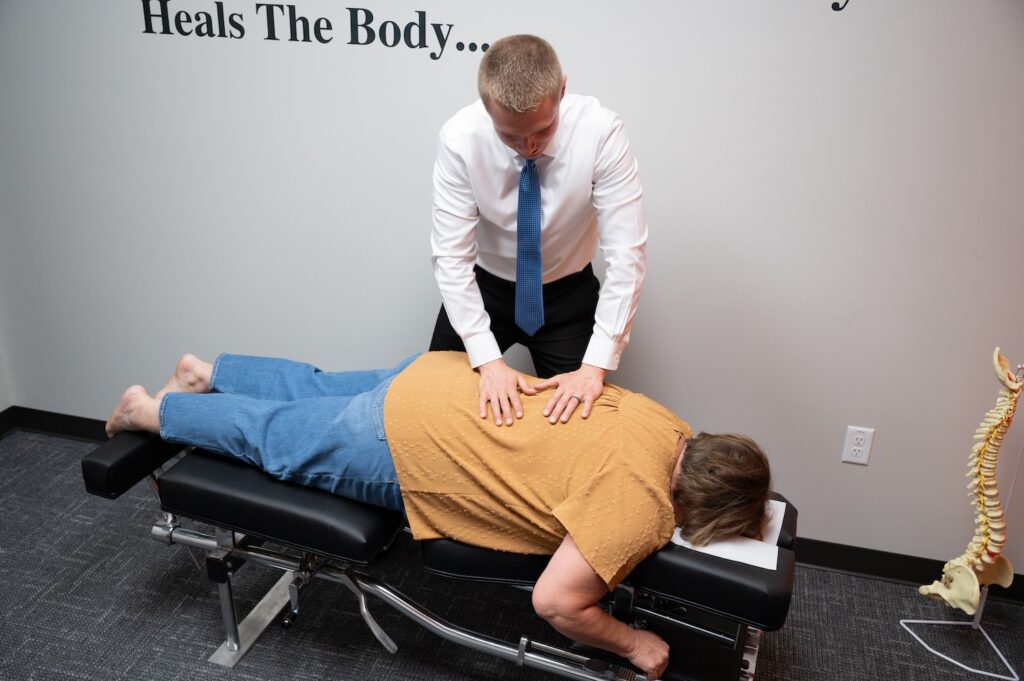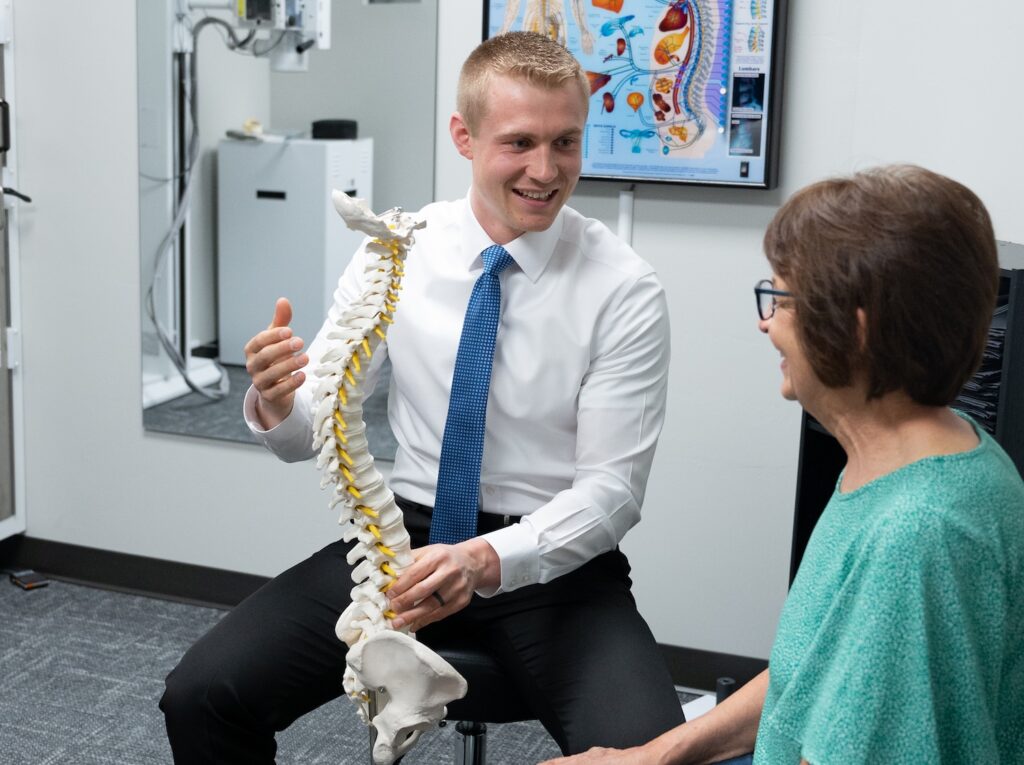

As a local chiropractor, I want to emphasize how much your everyday habits can influence your upper back pain. Many people don't realize that small changes in your routine can lead to substantial relief. Understanding the common triggers of discomfort, alongside the importance of maintaining good posture, is a crucial first step in addressing your upper back issues.
Incorporating simple stretching exercises and setting up your workspace ergonomically can significantly reduce tension in your upper back. However, it's important not to overlook the impact that stress can have on your physical symptoms. Stress often manifests in our bodies, leading to tightness and pain that can exacerbate discomfort.
As you explore these factors, you might be curious about specific techniques that can provide lasting relief. Remember, if your pain persists or worsens, it's wise to consult a professional. As a chiropractor, I can help guide you through individualized treatment options that promote natural healing and support your overall well-being. Let's work together to find the best path to relief for your upper back blues!
Understanding Upper Back Pain
As a local chiropractor, I want to help you understand upper back pain and how it can significantly impact your daily life. Many of my patients describe this discomfort as a heavy weight pressing down on their shoulders, leading to feelings of discomfort and fatigue. Often, this pain arises from a mix of poor posture, muscle strain, and a lack of movement.
If you find yourself hunched over a desk or frequently looking down at your phone, it's likely that the muscles in your upper back are becoming tight and overworked. This tension can make it difficult to sit up straight or lift your arms without experiencing pain.
Understanding upper back pain is crucial in recognizing how your daily habits contribute to your discomfort. You mightn't be aware that factors such as your sleeping position, the type of chair you sit in, and even how you lift objects can play a significant role in your upper back health.
It's important to listen to your body's signals; ignoring persistent pain can lead to chronic issues that severely affect your quality of life.
Additionally, we mustn't overlook the emotional factors that can influence upper back pain. Stress and anxiety often manifest as physical tension in the upper back, worsening your discomfort. Incorporating relaxation techniques, stretching exercises, and mindfulness practices into your daily routine can lead to noticeable improvements in alleviating this pain.
As a chiropractor, my goal is to help you understand the connection between physical and emotional factors that contribute to upper back pain. By addressing these aspects and making small lifestyle adjustments, you can begin to relieve the pressure on your upper back and enhance your overall comfort.
Take a moment to evaluate your habits, and let's work together to create a plan that promotes your well-being and helps you reclaim your comfort.
Common Causes of Discomfort
As a local chiropractor, I want to help you understand the common causes of discomfort in your upper back so you can find relief and improve your overall well-being.
One of the primary reasons many people experience upper back pain is muscle strain. This often occurs due to overexertion or awkward movements, especially if you've been lifting heavy objects or performing repetitive tasks. Your muscles may be signaling for help, and that's where we can step in.
Another frequent contributor to upper back discomfort is poor ergonomics. Many of us spend long hours hunched over computers or slouched on the couch, which puts significant strain on our upper back. It's easy to overlook your posture, but maintaining proper alignment is crucial for preventing persistent discomfort.
Stress is also a significant factor that can exacerbate upper back pain. When you're feeling stressed, it's common to tense your shoulders and upper back, resulting in muscle tightness. You might be surprised to learn that managing your stress levels can have a positive impact on your back health. We can explore natural methods to help you relax and alleviate that tension.
In addition, injuries or trauma—such as falls, sports-related incidents, or car accidents—can lead to ongoing pain in the upper back if not addressed properly. If you've experienced any trauma, it's important to seek help to ensure that your body heals correctly.
Lastly, underlying medical conditions like herniated discs or arthritis can also contribute to discomfort in the upper back. If your pain continues despite self-care efforts, I encourage you to consult a healthcare professional, like myself.
Together, we can conduct a thorough evaluation and develop a tailored plan for your treatment.
By understanding these common causes of upper back discomfort, you can take proactive steps toward alleviating your pain. Chiropractic care is a natural and effective way to promote healing and restore balance to your body.
Let's work together to get you feeling better!
Importance of Good Posture
As a local chiropractor, I want to emphasize how crucial good posture is for your overall health and well-being, particularly in preventing and alleviating upper back discomfort. When you sit, stand, or move with proper alignment, your spine benefits from optimal positioning, which significantly reduces strain on your muscles and joints.
In contrast, poor posture can lead to muscle fatigue, tension, and even chronic pain. Many people are unaware that slouching or hunching can create imbalances that exacerbate upper back issues.
Practicing good posture helps distribute your body weight evenly, allowing your muscles to function more efficiently. By aligning your head, shoulders, and hips, you minimize the risk of injury and enhance your body's overall performance.
Whether you're working at your desk or going about your day, being mindful of your posture can lead to profound improvements in how you feel.
To incorporate good posture into your daily life, start by developing an awareness of your body. Periodically check in with yourself: Are you sitting up straight? Are your shoulders relaxed?
Initially, adjusting your position may feel a bit awkward, but with consistent practice, it will become second nature. Additionally, strengthening your core and upper back muscles is vital. A strong foundation supports your spine and helps maintain its alignment, which is essential for long-term health.
Stretching Exercises for Relief
As a local chiropractor, I want to share with you the importance of incorporating effective stretching exercises into your daily routine to alleviate upper back tension.
Many of my patients have found that a consistent stretching regimen not only provides immediate relief but also fosters long-term improvements in posture and overall wellness.
Let's take a moment to explore some simple stretches that can help you feel better and maintain your flexibility.
Remember, these exercises are a natural way to support your body's alignment and health, complementing the chiropractic care you receive.
Effective Upper Back Stretches
When your upper back feels tight and uncomfortable, incorporating effective stretches into your daily routine can offer significant relief. As a chiropractor, I often recommend simple yet powerful stretches to help address tension and improve your overall well-being.
One of my favorite stretches is the "Cat-Cow" pose. To perform this stretch, start in a tabletop position on all fours, ensuring your hands are directly under your shoulders and your knees are beneath your hips. Inhale deeply as you arch your back, lifting your head and tailbone towards the ceiling (this is the Cow position).
Then, as you exhale, round your spine, tucking your chin and tailbone (this is the Cat position). Flow through this movement for about 30 seconds. It's a wonderful way to mobilize the spine and release tension.
Another excellent stretch is the "Shoulder Blade Squeeze." Whether seated or standing, maintain a tall posture and consciously draw your shoulder blades together, as if you're trying to hold a pencil between them. Hold this position for five seconds, then gently release.
Repeating this ten times can greatly improve your posture and alleviate discomfort in your upper back.
You might also find the "Thoracic Extension" beneficial. While seated on a chair, place your hands behind your head and gently lean back, allowing your chest to open up. Hold this position for five deep breaths, focusing on the stretch in your upper back.
This can help counteract the effects of prolonged sitting and poor posture.
I encourage you to incorporate these stretches into your daily routine to ease tightness and promote flexibility. Remember, consistency is crucial for achieving the best results in your journey toward better health!
If you have any questions or would like personalized guidance, feel free to reach out.
Daily Stretching Routine Tips
As a local chiropractor, I want to emphasize the significant benefits of incorporating a daily stretching routine into your life, particularly for enhancing your upper back flexibility and alleviating discomfort.
Starting each morning with dedicated stretching can set a positive tone for your day. Focus on crucial areas such as your shoulders, chest, and upper back. One effective stretch is to stand tall, clasp your hands behind your back, and gently pull your shoulders back. This opens your chest and helps release built-up tightness.
Another beneficial stretch is the cat-cow movement, which you can perform on all fours. By alternating between arching and rounding your back while syncing your breath with each motion, you not only stretch your upper back but also promote overall spinal flexibility.
I encourage you to set reminders throughout your day to take short stretching breaks, especially if you find yourself sitting for extended periods. A simple neck stretch—tilting your head to one side and holding for 15 seconds—can work wonders in relieving tension.
It's essential to listen to your body during these stretches. If you encounter tightness or discomfort, it's important to adjust your movements accordingly.
Consistency is key; aim for at least 10-15 minutes of stretching daily. By making stretching a regular habit, you're likely to experience improvements in your upper back health and overall well-being.
Benefits of Stretching Regularly
As a local chiropractor, I want to share with you the numerous advantages of incorporating regular stretching into your daily routine. Stretching goes far beyond simply improving flexibility; it plays an essential role in maintaining overall spinal health and enhancing your well-being.
One of the key benefits of regular stretching is its positive impact on your posture. Proper posture is crucial for alleviating tension in the upper back, which many of my patients experience. By helping to align your spine, stretching reduces the strain on your muscles and ligaments, promoting a healthier body.
In addition to improving posture, stretching aids in increasing blood flow to your muscles. This enhanced circulation is vital for quicker recovery from any soreness or strain you may feel, helping you feel more energized throughout your day.
Many people are also surprised to learn that stretching can significantly reduce stress and tension. Taking just a few minutes to stretch allows you to create a moment of mindfulness, providing an opportunity for both your body and mind to unwind.
Moreover, incorporating specific stretches that focus on your upper back and shoulders can lead to lasting relief and a greater sense of well-being. You'll find that your range of motion improves, making everyday activities—like reaching for items on a shelf or twisting your body—easier and more comfortable.
I encourage you to commit to a regular stretching routine. As you do, you'll likely notice both physical and mental benefits that complement the chiropractic care I provide, helping you achieve a healthier, more balanced life.
Ergonomic Workstation Setup
As a chiropractor, I often see patients struggling with upper back pain, and I can't emphasize enough the importance of a well-organized workstation in alleviating this discomfort.
Let's explore some key adjustments you can make to create an ergonomic setup that supports your spine's health.
First and foremost, your chair should provide adequate support for your lower back. Make sure you sit all the way back in your chair with your feet flat on the floor or resting comfortably on a footrest. Your knees should ideally be at or slightly below hip level. This alignment is crucial for maintaining the natural curve of your spine and preventing strain.
Next, let's talk about desk height. When you're typing, your elbows should be bent at a 90-degree angle, and your wrists should remain straight. It's important to use a keyboard and mouse that allow your arms to rest comfortably. If your desk is either too high or too low, consider investing in a desk riser or an adjustable chair to achieve the ideal height for your body.
Your computer monitor plays a significant role in your posture as well. It should be positioned at eye level and approximately an arm's length away from you. This helps prevent hunching or craning your neck, which can lead to further discomfort. If you wear glasses, ensure they're appropriate for the distance to your screen, and don't hesitate to use a monitor stand if needed.
Proper lighting is also essential in your workspace. Position your workstation to minimize glare from windows or overhead lights. This not only reduces eye strain but also encourages better posture as you won't be leaning or straining to see your screen.
Lastly, remember the importance of taking regular breaks. Stand up, walk around, or do some simple stretches throughout the day. These small actions can significantly alleviate tension in your upper back and promote overall wellness.
Mindfulness and Stress Reduction
As a local chiropractor, I want to emphasize that creating an ergonomic workstation is just one piece of the puzzle when it comes to managing upper back pain.
It's essential to recognize that stress and mindfulness play a significant role in your overall well-being and can greatly influence the tension you feel in your muscles, particularly in your upper back.
High levels of stress can lead to muscle tightness, which is why I encourage my patients to incorporate mindfulness techniques into their daily lives.
One of the simplest yet most effective practices is deep breathing exercises. I recommend taking a few minutes each day to focus on your breath—inhale deeply through your nose, hold for a moment, and then exhale slowly through your mouth. This practice not only calms the mind but also helps to release tension built up in your muscles.
Another technique I find beneficial is body scanning. I suggest finding a quiet space, closing your eyes, and mentally scanning your body from head to toe. Pay special attention to any areas of tightness or discomfort, particularly in your upper back. Acknowledge these sensations without judgment and allow yourself to relax into them. This practice can help you become more aware of your body and its needs.
Incorporating mindfulness into your routine can also include setting aside time for meditation or gentle yoga. Even dedicating just a few minutes to these activities can help you reconnect with your body and alleviate stress-induced tension.
Additionally, I encourage all my patients to take regular breaks throughout their day. Standing up, stretching, and practicing mindfulness for even a few moments can make a significant difference.
These small adjustments accumulate over time and can substantially improve your upper back pain.
By prioritizing both stress reduction and mindfulness alongside chiropractic care, you can enhance your physical and mental well-being, ultimately improving your quality of life.
Heat and Cold Therapy
As a local chiropractor, I want to share with you the benefits of heat and cold therapy for managing upper back pain. These natural techniques can truly make a difference in your healing journey.
When you apply heat to the affected area, it helps to relax tense muscles, promoting blood flow and flexibility. This can be especially beneficial if you're experiencing stiffness or tightness in your upper back.
On the other hand, cold therapy is effective for reducing inflammation and numbing sharp pain, making it an excellent option for acute injuries or flare-ups.
Understanding how to use these therapies effectively can be an important step towards finding relief. I encourage you to consider incorporating heat and cold therapy into your routine, and feel free to reach out for more personalized guidance on how to integrate these methods with your chiropractic care.
Together, we can work towards a more comfortable and pain-free life.
Benefits of Heat Therapy
As a local chiropractor, I often emphasize the benefits of heat therapy for my patients who may be unfamiliar with its healing properties. For centuries, heat therapy has been a trusted remedy for alleviating discomfort and promoting relaxation, particularly in the upper back area.
When you apply heat—be it a warm towel, a heating pad, or a soothing hot bath—it stimulates increased blood flow to the affected region. This enhanced circulation is crucial for healing, as it delivers vital oxygen and essential nutrients to the muscles that require it.
Heat therapy is particularly effective in relaxing muscle tension, which makes it an ideal choice for those experiencing stiffness and tightness. If you've spent long hours at a desk or engaged in heavy lifting, applying heat can provide significant relief.
But the benefits go beyond just physical comfort; the gentle warmth can also help reduce mental stress, offering you a much-needed respite from the hustle and bustle of daily life.
Additionally, incorporating heat therapy into your routine can improve your range of motion, facilitating smoother and more comfortable movements. Activities that once felt challenging—like reaching for an item on a high shelf or simply turning your head—can become much easier.
Cold Therapy Techniques
As a local chiropractor, I want to share some valuable insights about cold therapy techniques that can greatly assist in managing inflammation and pain, particularly in the upper back.
When you apply ice or a cold pack to the affected area, it helps constrict blood vessels, which in turn reduces swelling and numbs sharp pain. For convenience, you can use a gel pack or even a bag of frozen peas wrapped in a towel.
I recommend starting with cold therapy for about 15 to 20 minutes at a time. It's important to take breaks in between applications to prevent any skin damage. You can repeat this process several times a day, especially after engaging in activities that may aggravate your upper back discomfort.
If you're experiencing muscle spasms, an effective approach is to alternate between cold and heat therapy.
Begin with cold therapy to reduce inflammation, followed by heat to promote blood flow and muscle relaxation. This combination is proven to soothe tight muscles and enhance recovery.
Always pay attention to your body's signals; if you notice that cold therapy is increasing your pain, please stop immediately.
If your discomfort persists or worsens, I encourage you to consult with a healthcare professional for further evaluation.
By incorporating these cold therapy techniques into your daily routine, you can alleviate your upper back issues and improve your overall comfort.
Strengthening Your Back Muscles
As a local chiropractor, I want to emphasize the importance of strengthening your back muscles for optimal health. Strong back muscles are crucial for improving posture, alleviating pain, and enhancing your overall mobility. By incorporating targeted exercises into your everyday routine, you can't only build strength but also support a healthier spine.
Let's begin with some simple bodyweight exercises such as rows and bridges. These movements engage both your upper and lower back muscles, promoting better alignment and stability. For instance, the bent-over row is a fantastic exercise—grab a pair of dumbbells or resistance bands. Bend at your hips, keeping your back straight, and pull the weights towards your waist. Performing this exercise will help you develop strength in your upper back. I recommend aiming for 3 sets of 10-15 repetitions.
Another beneficial exercise is the Superman. Lie face down on the floor, extend your arms and legs, and lift them simultaneously. Hold this position for a few seconds before lowering back down. This exercise strengthens your entire back, particularly the lower region, which is key in counteracting poor posture that many of us experience.
It's also essential to address your core strength, as a strong core provides vital support for your back. Incorporate exercises like planks and side planks into your regimen. Start by holding these positions for 20-30 seconds, and gradually increase the duration as your strength improves.
Additionally, I encourage you to explore yoga or Pilates as part of your weekly routine. These practices focus on developing both flexibility and strength, which can significantly enhance your back health over time.
Always listen to your body and progress at a pace that feels comfortable for you. By regularly strengthening your back muscles, you'll pave the way for a more resilient spine and an overall happier, healthier life.
When to Seek Professional Help
As a local chiropractor dedicated to educating my patients about natural healing, I want to emphasize the importance of building strength in your back for overall health.
However, there are crucial moments when seeking professional help becomes necessary. If you're dealing with persistent pain that doesn't improve despite home remedies or exercises, it's time to reach out to a healthcare professional like myself. Ignoring continual discomfort can lead to more significant complications in the future.
It's especially important to seek assistance if you notice your pain radiating down your arms or legs. This could suggest nerve involvement, and I can perform a thorough evaluation to identify the underlying cause.
Additionally, if you experience weakness or numbness in your limbs, don't hesitate to come in. These symptoms can indicate a more serious condition that requires immediate attention.
Be mindful of any accompanying symptoms as well, such as fever, unexplained weight loss, or changes in bladder or bowel control. These are red flags that necessitate an urgent visit to a medical professional.
If your pain stems from an injury, particularly following a fall or trauma, a professional assessment is crucial. I can recommend appropriate imaging studies and develop a tailored treatment plan to ensure your recovery is on the right path.
Conclusion
As your local chiropractor, I want to share some insights on how to effectively manage and alleviate upper back pain. It's essential to take a proactive stance when it comes to your health. One of the most significant factors is your posture—being mindful of how you sit and stand can make a world of difference.
Incorporating specific stretching and strengthening exercises into your daily routine can help support your spine and reduce discomfort. Additionally, setting up an ergonomic workspace is crucial; it ensures that your body is aligned correctly while you work, minimizing strain on your back.
Don't underestimate the power of mindfulness techniques and therapeutic practices such as heat and cold therapy, which can provide immediate relief and promote healing. Remember, if your pain continues or worsens, it's important to reach out for professional help. As a chiropractor, I'm here to guide you on your journey to a healthier, pain-free back, ultimately enhancing your overall quality of life. Let's work together to find the best solutions for you!