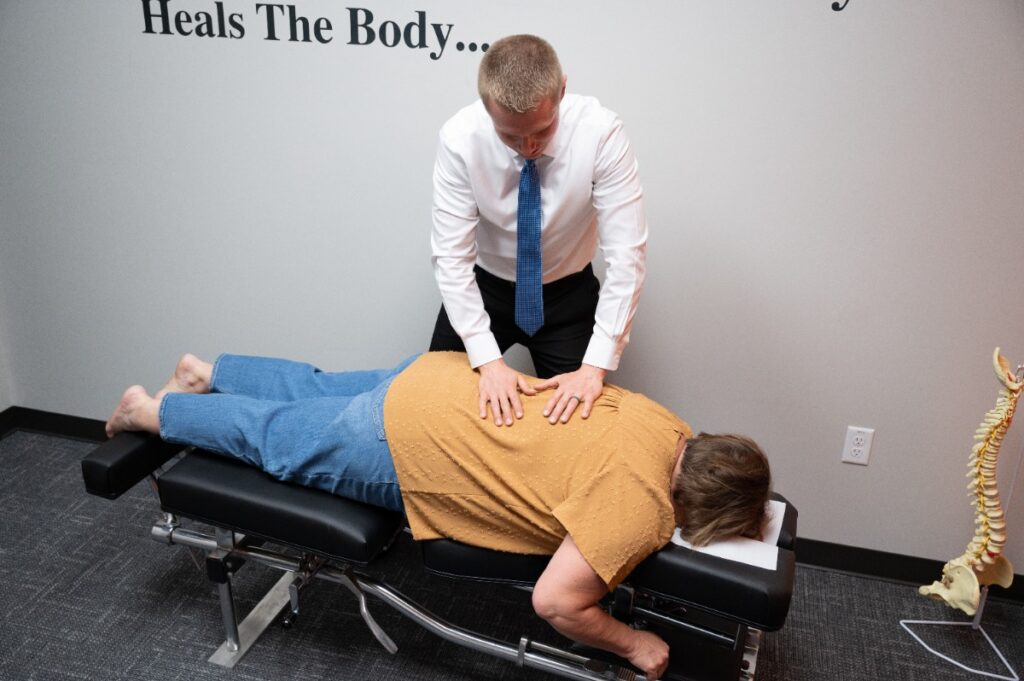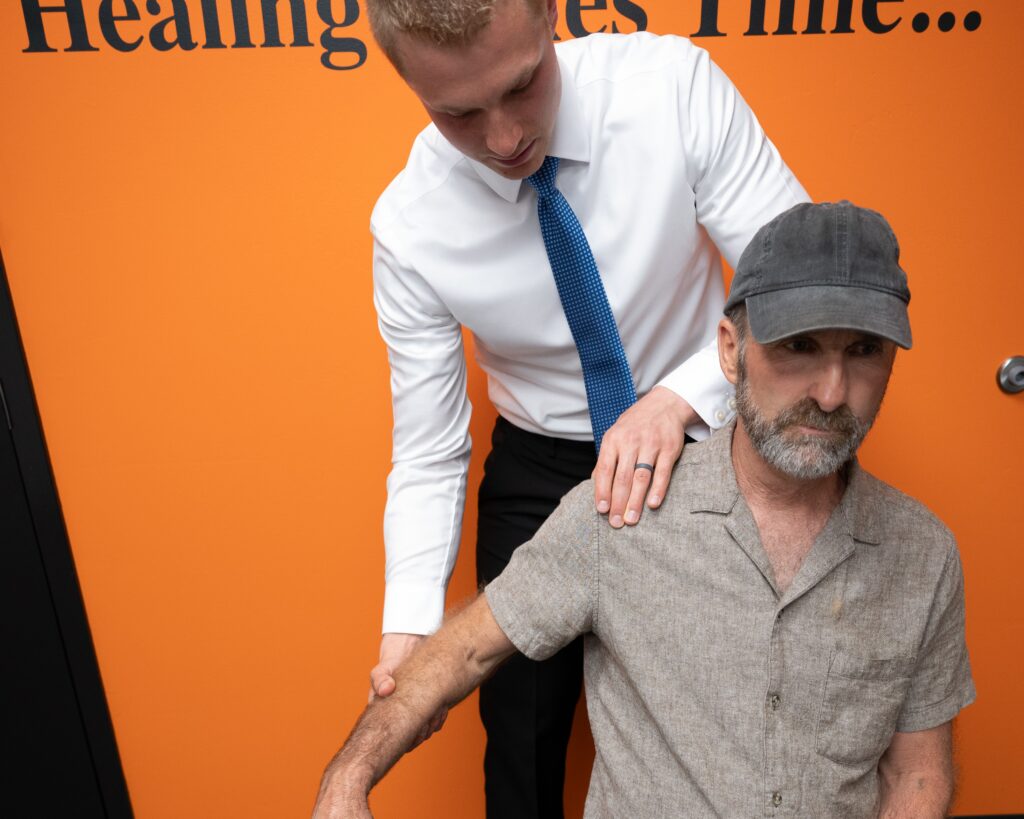

When you face a sports injury, it can feel overwhelming, but understanding the recovery process is key. You need to balance physical healing with mental resilience, and that starts with recognizing the type of injury you've sustained. Tailoring your rehabilitation program is essential, but have you considered how nutrition and mindset impact your recovery journey? As you explore these elements, you'll find there's more to regaining strength and mobility than just physical therapy. So, what strategies could set you on the path to a successful comeback?
Understanding Sports Injuries
When you engage in sports, understanding injuries is important for effective recovery. Sports injuries come in various forms, and recognizing their nature helps you tackle rehabilitation more effectively. The most common types include sprains, strains, fractures, and overuse injuries. Each of these injuries affects different parts of the body and requires specific attention.
Sprains occur when ligaments stretch or tear, often resulting from sudden twists or falls. Strains involve muscles or tendons and can happen during intense physical activity. Fractures are breaks in bones, usually due to high-impact collisions or falls. Overuse injuries develop gradually, often from repetitive motions, leading to conditions like tendinitis or stress fractures.
Understanding the symptoms of these injuries is essential. For example, swelling, pain, and limited mobility often signal a sprain or strain. If you experience sharp pain or hear a popping sound, you might be dealing with a fracture. Overuse injuries may cause ongoing discomfort that worsens over time.
Recognizing these signs enables you to seek appropriate medical attention sooner, which can greatly impact your recovery timeline. It's important not to ignore persistent pain or discomfort, as this could lead to more severe issues down the line.
Importance of Rehabilitation
Rehabilitation is essential for restoring your strength and mobility after a sports injury.
By committing to a structured rehab program, you can also greatly reduce the risk of future injuries.
It's not just about healing; it's about getting back to your game stronger than before.
Restoring Strength and Mobility
Restoring strength and mobility is essential for athletes recovering from injuries, as it directly impacts their ability to return to peak performance. After an injury, your body needs time to heal, but that doesn't mean you should remain inactive. Engaging in a tailored rehabilitation program helps you regain muscle strength and joint flexibility, which are vital for your sport.
Start with gentle exercises to avoid overloading your injured area. Gradually increase intensity as your body adapts. Incorporating resistance training can help rebuild strength, while mobility exercises improve your range of motion.
Don't forget to focus on balance and coordination, as these elements play a vital role in your overall athleticism. Listening to your body is key. If you experience pain or discomfort, adjust your routine accordingly.
Working with a physical therapist can provide you with personalized guidance, ensuring you're on the right track. Remember, restoring strength and mobility isn't just about physical recovery; it's also about rebuilding confidence.
The more you trust your body, the better prepared you'll be to tackle your sport again. Prioritize this phase in your recovery, and you'll set yourself up for a successful return.
#
Preventing Future Injuries
Injuries can feel like a roadblock, but proper rehabilitation is key to preventing future setbacks. You might think that once you've healed, you're good to go, but that's not the case. Without a solid rehab plan, you risk reinjuring yourself or developing new issues down the line.
Rehabilitation isn't just about resting; it involves targeted exercises that strengthen the affected area. These exercises can improve your flexibility, balance, and overall strength, which are essential for your performance. It's important to follow a personalized rehab plan designed by a professional who understands your specific needs.
Pay attention to your body during the recovery process. If something doesn't feel right, don't ignore it. Communicate with your therapist or coach about any discomfort so they can adjust your program accordingly.
Incorporating preventive strategies, like proper warm-ups and cool-downs, can also minimize injury risks.
Nutrition for Recovery
When you're recovering from a sports injury, the right nutrition plays a vital role in your healing process.
Essential nutrients like protein and vitamins help repair tissues, while proper hydration keeps your body functioning at its best.
Essential Nutrients for Healing
To effectively support your recovery journey, incorporating essential nutrients into your diet is important. These nutrients play a significant role in healing tissues, reducing inflammation, and boosting your immune system.
Start by focusing on protein, as it's the building block for repairing muscles and tissues. Foods like lean meats, fish, eggs, and legumes can help you meet your protein needs.
Don't overlook the importance of vitamins and minerals. Vitamin C is necessary for collagen production, which helps in healing wounds, so include citrus fruits, strawberries, and bell peppers in your meals.
Vitamin D, often found in fatty fish and fortified dairy products, supports bone health, while zinc, present in nuts and seeds, promotes cell growth and repair.
Omega-3 fatty acids, found in fish like salmon and walnuts, have anti-inflammatory properties that can help reduce pain and swelling.
Finally, consider incorporating leafy greens like spinach and kale; they're packed with antioxidants that promote overall health and recovery.
Hydration's Role in Recovery
Proper hydration is essential for a smooth recovery after a sports injury. When you stay hydrated, your body can effectively transport nutrients to the injured area and remove waste products, promoting healing. Water helps maintain blood volume, which is vital for delivering oxygen and nutrients to cells that need them.
During your recovery, you should aim for adequate fluid intake, especially if you're engaging in physical therapy or light activity. Dehydration can lead to muscle cramps, fatigue, and a slower healing process.
Keep an eye on the color of your urine; a light yellow indicates proper hydration, while darker shades signal that you need to drink more fluids.
It's not just about water; consider incorporating electrolyte-rich beverages, especially if you're sweating during rehab exercises. These can help replenish lost minerals and support muscle function.
Remember, hydration is a simple yet powerful tool in your recovery arsenal. So, make it a priority, and you'll likely notice improvements in your overall well-being and recovery speed.
Don't underestimate its role; staying hydrated can be the difference between a sluggish recovery and a swift return to your favorite sport.
Mental Resilience Techniques
Mental resilience techniques are essential for athletes recovering from injuries, as they help maintain focus and motivation during challenging times. Developing mental strength can be just as important as physical rehabilitation. Start by setting realistic, achievable goals. Break your recovery into smaller milestones, and celebrate each victory, no matter how small. This approach keeps you motivated and provides a sense of accomplishment.
Visualization is another powerful tool. Picture yourself not only recovering but also performing at your best. Imagine the movements, the feeling of strength, and the joy of competition. This mental imagery can enhance your confidence and reinforce your commitment to recovery.
Mindfulness practices, such as meditation or deep-breathing exercises, can help you stay grounded. These techniques allow you to manage stress and anxiety, keeping negative thoughts at bay. When you feel overwhelmed, take a few moments to breathe deeply and focus on the present.
Surround yourself with a supportive network. Share your feelings and challenges with friends, family, or teammates who understand your journey. Their encouragement can be a significant boost to your mental resilience.
Lastly, maintain a positive mindset. Remind yourself that setbacks are a part of the process. Embrace challenges as learning opportunities. By focusing on what you can control and fostering a resilient attitude, you'll not only recover from your injury but also emerge stronger, both mentally and physically.
## Preventing Future Injuries
Recovery from an injury isn't just about healing; it's also about learning how to prevent future issues. To avoid re-injury, you need to understand the factors that contributed to your previous injury. Start by evaluating your training routine, technique, and equipment. Often, poor form or inadequate gear can lead to setbacks, so make adjustments where necessary.
Incorporating a proper warm-up and cool-down routine is essential. These steps prepare your body for physical activity and facilitate recovery afterward. Stretching and mobility exercises can enhance flexibility, which is vital for injury prevention. Focus on strengthening the muscles around your vulnerable areas as well; this added support can greatly reduce your risk.
Pay attention to your body's signals. If something doesn't feel right during training, don't push through the pain. Instead, take a step back and assess the situation. Listening to your body will help you avoid exacerbating previous injuries or developing new ones.
Cross-training can also be a valuable strategy. By diversifying your workouts, you can reduce repetitive strain on specific muscle groups and joints. This approach not only enhances overall fitness but also keeps your routine fresh and engaging.
Finally, consider working with a coach or therapist who specializes in injury prevention. They can provide personalized insights and adjustments tailored to your specific needs. With these strategies in mind, you'll be better equipped to stay injury-free and enjoy your sport for years to come.
Tips for a Successful Comeback
After an injury, making a successful comeback requires careful planning and patience. Start by consulting your healthcare provider to develop a tailored rehabilitation plan. It's essential to understand the specifics of your injury and the timeline for recovery.
Don't rush the process; give your body the time it needs to heal properly.
Next, set realistic goals. Instead of aiming for peak performance right away, focus on gradual progress. Break your goals into smaller, achievable milestones that can keep you motivated and on track.
Celebrate each small victory to maintain a positive mindset.
Incorporate a balanced training regimen. While it may be tempting to dive back into your sport, consider cross-training to strengthen different muscle groups and improve overall fitness.
This won't only aid recovery but also enhance your performance when you return.
Stay connected with your support network. Communicate with coaches, teammates, and family about your progress and challenges.
They can provide encouragement and accountability, which are important during this phase.
Finally, listen to your body. If something doesn't feel right, don't hesitate to seek advice.
Pushing through pain can lead to setbacks. Instead, focus on being mindful of your body's signals and adjusting your training accordingly.
With patience, dedication, and the right approach, you'll be well on your way to a strong, successful comeback.
Conclusion
In your journey to recovery, remember that understanding your injury is just as crucial as rehabilitation. By embracing proper nutrition and mental resilience techniques, you can greatly enhance your healing process. Stay focused on achievable goals and lean on your support system for motivation. As you listen to your body and make gradual adjustments, you'll not only recover but also build a stronger foundation to prevent future injuries. Trust the process, and soon you'll be back at your best!