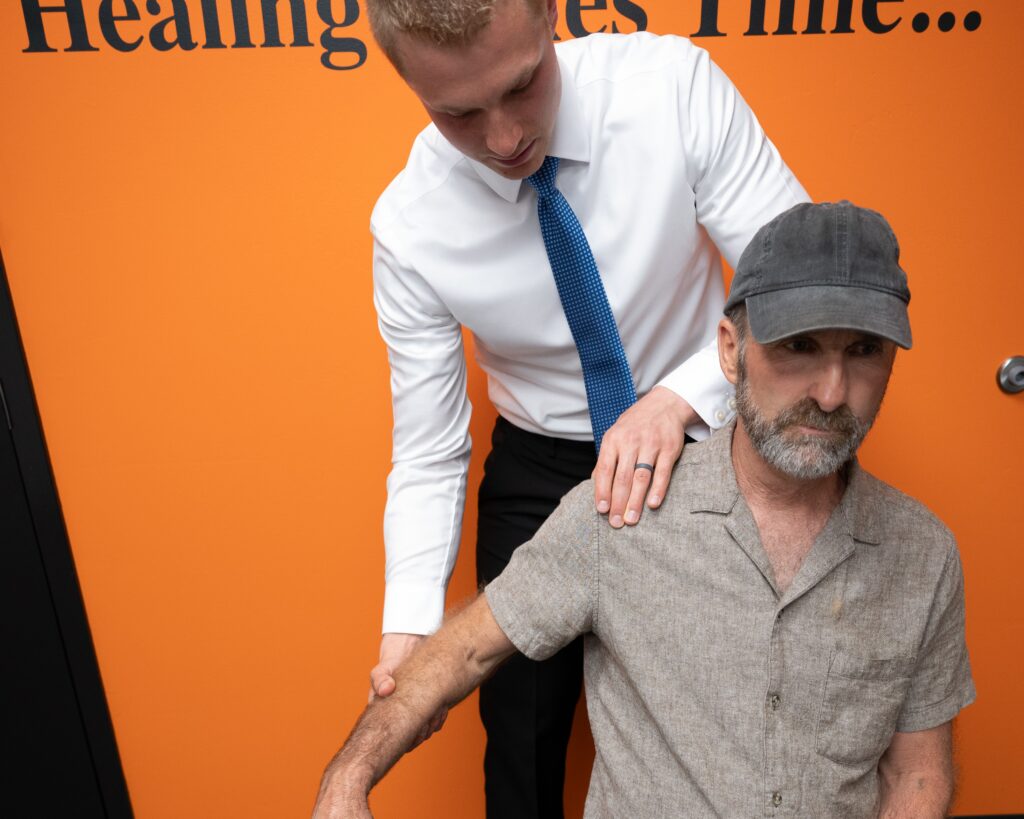
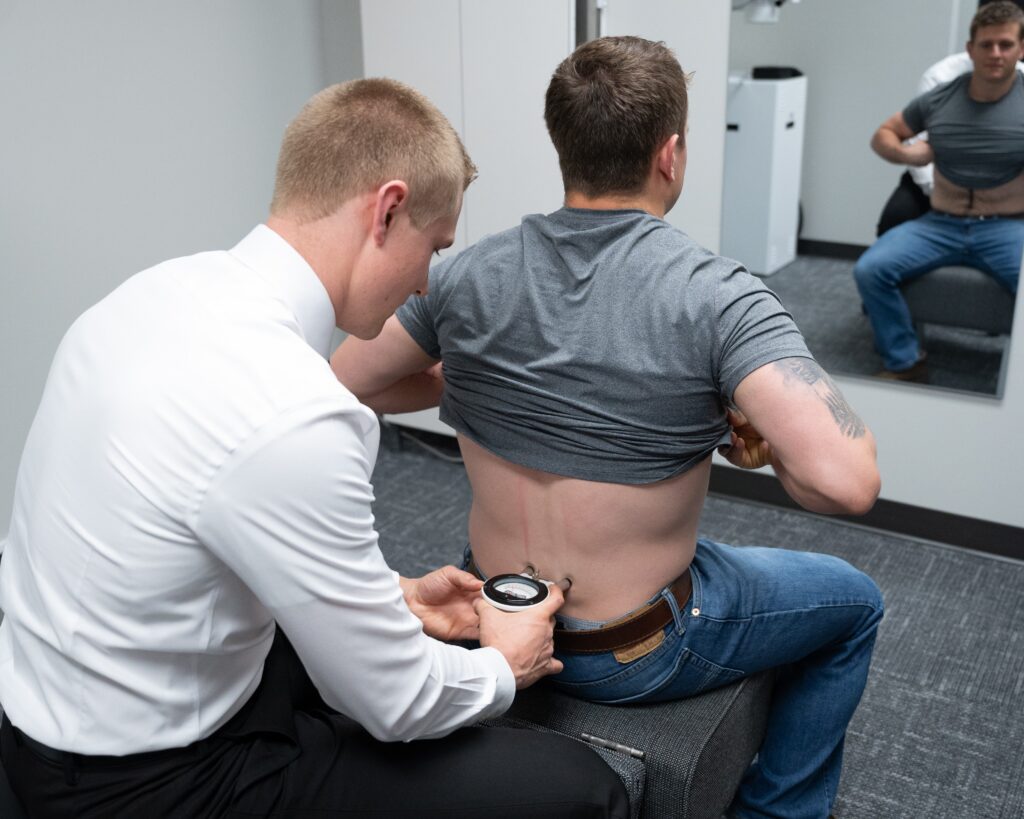
If you're struggling with back pain, you might find that a custom approach could be the key to relief. By tailoring treatment to your specific needs—considering factors like your body mechanics, lifestyle, and pain type—you can access more effective strategies for recovery. From personalized exercise plans to alternative therapies, there are numerous avenues to explore. But what does a truly individualized plan look like, and how can it transform your journey to wellness? Exploring these elements might just reveal the answers you've been searching for.
Understanding Back Pain Types
Back pain can be a frustrating and debilitating experience, but understanding the different types can help you find the right approach to relief. You might be dealing with acute pain, which typically lasts less than six weeks and often results from an injury or strain. This type of pain usually comes on suddenly and can be sharp or stabbing. Identifying this can guide you to immediate treatments like rest, ice, or over-the-counter pain relievers.
On the other hand, chronic pain persists for longer than three months and can stem from various underlying conditions like arthritis or disc herniation. If you're experiencing chronic pain, it's important to consult a healthcare provider for a thorough evaluation. They'll help you pinpoint the root cause and create a tailored treatment plan.
Another category to take into account is radicular pain, which radiates down your leg or arm due to nerve irritation. If you're feeling this type of pain, it's vital to seek professional advice, as it may indicate a serious condition.
Finally, you may encounter referred pain, where discomfort originates in one area of your body but feels like it's coming from another.
Understanding these distinctions can empower you to address your back pain effectively. Whether it's acute, chronic, radicular, or referred, knowing what type you're dealing with is the first step towards finding effective relief strategies tailored to your needs.
Importance of Personalization
When it comes to back pain, everyone's body mechanics are unique, and that's why a one-size-fits-all approach just won't cut it.
You need tailored treatment plans that address your specific issues and individualized pain management strategies to truly find relief.
Unique Body Mechanics
Understanding your unique body mechanics is vital for effective back pain management. Every person's body moves differently, influenced by factors like posture, muscle strength, and flexibility. If you don't recognize these nuances, you might struggle to identify the root causes of your discomfort.
When you pay attention to how your body functions, you can pinpoint specific movements that may exacerbate your pain. For example, if you have tight hamstrings, they can affect your pelvis and lead to lower back strain. By understanding this connection, you can make adjustments in your daily activities to minimize stress on your back.
Listening to your body also allows you to recognize patterns and triggers. You might find that certain exercises or prolonged sitting worsen your pain. This awareness is essential; it empowers you to take proactive steps to manage your condition.
Incorporating movement that aligns with your body mechanics can also improve your overall well-being. Whether it's through stretching, strengthening, or practicing better posture, tailoring your approach to your individual mechanics can make a significant difference.
Embracing this personalized perspective is key to effectively addressing your back pain.
Tailored Treatment Plans
Personalized treatment plans are essential for effectively managing back pain, as they take into account your unique needs and circumstances.
Everyone experiences back pain differently, and what works for one person mightn't work for you. By tailoring your treatment, you can target the root causes and improve your overall well-being.
Here are four key factors that influence your personalized treatment plan:
- Pain Severity: Your level of pain can guide the intensity and type of treatment you receive, ensuring it aligns with your current condition.
- Lifestyle Factors: Your daily activities, job requirements, and exercise habits shape how your back pain manifests and should inform your treatment approach.
- Medical History: Past injuries or surgeries might affect your treatment options, making it vital to take into account your health background.
- Response to Previous Treatments: Understanding what's worked (or hasn't) in the past helps in crafting a plan that maximizes effectiveness.
Individualized Pain Management
A tailored approach to back pain management recognizes that no two patients are alike. You might find that what works for someone else doesn't necessarily work for you. Individualized pain management takes into account your unique history, lifestyle, and the specific nature of your pain. This personalization helps create a treatment plan that effectively targets your symptoms.
When you engage in a custom approach, you can explore various options, including physical therapy, medications, and alternative therapies like acupuncture or chiropractic care. Your healthcare provider will work closely with you to assess your situation and adjust your plan as needed. This flexibility allows for real-time modifications based on your progress or any changes in your condition.
Moreover, individualized pain management encourages you to actively participate in your healing process. By understanding your triggers and responses to different treatments, you become empowered to make informed decisions.
Assessment Techniques for Back Pain
How can you effectively assess back pain to determine the right treatment? Accurate assessment is vital to pinpoint the cause of your discomfort and to find the most effective solutions. Here are some techniques you can use to evaluate your back pain:
- Medical History Review: Start by noting your symptoms, including the intensity, duration, and any factors that exacerbate or relieve your pain. This information will help your healthcare provider understand your situation better.
- Physical Examination: A physical exam is essential to assess the range of motion and identify any areas of tenderness or muscle spasms. Your doctor might also check your reflexes and muscle strength to rule out neurological issues.
- Diagnostic Imaging: If necessary, imaging tests like X-rays, MRI, or CT scans can provide a clear view of the spine and surrounding structures. These tests help identify conditions like herniated discs or fractures.
- Functional Assessment: Consider how your back pain affects daily activities. A functional assessment examines your ability to perform tasks like bending, lifting, or even sitting. This helps gauge the impact of your pain on your life.
Customized Exercise Plans
Creating a customized exercise plan can greatly enhance your recovery from back pain. Tailoring your workouts to meet your specific needs helps guarantee you target the right muscle groups, improve flexibility, and build strength without aggravating your pain. The key is to focus on exercises that promote spinal stability and support your overall posture.
Start by consulting with a physical therapist or a fitness professional who understands your condition. They can assess your current physical state and identify any limitations. Based on their evaluation, they'll help you create a plan that aligns with your goals and abilities. This might include a mix of stretching, strengthening, and low-impact aerobic exercises.
Incorporating core-strengthening exercises is essential, as a strong core supports your spine and reduces strain on your back. Planks, bridges, and pelvic tilts can be particularly beneficial. Additionally, you should include flexibility exercises, like yoga or gentle stretching, which help improve your range of motion and relieve tension.
Remember to start slow and gradually increase the intensity of your workouts. Listen to your body; if something doesn't feel right, don't hesitate to modify your approach.
Consistency is key, so aim to exercise regularly, even if it's just for a short duration each day. Your customized exercise plan can empower you to take charge of your recovery, helping you regain strength and mobility while reducing back pain.
Lifestyle Changes That Help
Making small but significant lifestyle changes can greatly impact your back pain management. You mightn't realize it, but everyday habits play a vital role in how you feel. By adopting a few key adjustments, you can help alleviate discomfort and promote overall well-being.
Here are four lifestyle changes to take into account:
1. Improve Your Posture: Focus on maintaining proper posture whether you're sitting, standing, or walking. Use ergonomic furniture, and be mindful of your alignment to reduce strain on your back.
2. Stay Active: Regular physical activity strengthens the muscles that support your spine. Incorporate low-impact exercises like walking, swimming, or yoga into your routine to keep your body flexible and strong.
3. Adjust Your Sleep Environment: Confirm your mattress and pillows provide adequate support. A good night's sleep can make a world of difference in how you feel during the day.
Try to sleep on your side with a pillow between your knees for spinal alignment.
4. Manage Stress: High stress levels can lead to muscle tension, exacerbating back pain. Integrate relaxation techniques such as deep breathing, meditation, or gentle stretching into your daily life to help manage stress.
Alternative Therapies to Consider
When dealing with back pain, you might want to explore alternative therapies that can offer relief.
Acupuncture and yoga are two popular options that many find beneficial in managing their discomfort.
Let's take a closer look at how these therapies can help you feel better.
Acupuncture Benefits Explained
Acupuncture offers a unique approach to alleviating back pain, tapping into the body's natural healing abilities. This ancient practice involves inserting thin needles into specific points on your body to promote energy flow and relieve tension.
Many people find relief through acupuncture, and here are some benefits you might experience:
- Pain Reduction: Studies show acupuncture can greatly reduce back pain by stimulating the release of endorphins, your body's natural painkillers.
- Improved Flexibility: Regular sessions can enhance your range of motion, making it easier to perform daily activities without discomfort.
- Reduced Inflammation: Acupuncture may help decrease inflammation in the affected areas, addressing one of the root causes of pain.
- Stress Relief: The calming environment of an acupuncture session can lower stress levels, which often contributes to muscle tension and pain.
If you're looking for a holistic way to manage your back pain, acupuncture might be worth considering.
It can complement other treatments and provide a thorough approach to your healing journey.
Yoga for Pain Relief
Have you ever considered how yoga can serve as a powerful tool for relieving back pain? Many people overlook this ancient practice, but it offers numerous benefits that can help alleviate discomfort.
By incorporating yoga into your routine, you can improve flexibility, strengthen your core, and promote better posture—all essential elements for reducing back pain.
Specific poses target the muscles in your back, hips, and abdomen, helping to release tension and increase blood flow. For instance, poses like Child's Pose, Downward-Facing Dog, and Cat-Cow can gently stretch and strengthen your spine, offering immediate relief.
In addition, yoga encourages mindfulness and relaxation, which can help manage stress that often exacerbates pain.
It's essential to find a qualified instructor who can guide you through the appropriate poses for your condition. You don't need to be an expert; even simple stretches can make a significant difference over time.
Consistency is key, so try to practice regularly. With patience and dedication, yoga can become an invaluable part of your journey toward a pain-free back.
Why not give it a try? You might just discover a new path to relief.
Long-Term Management Strategies
Managing back pain effectively over the long term requires a thorough approach that combines various strategies tailored to your specific needs.
It's vital to adopt a holistic plan that not only addresses your pain but also promotes overall well-being. Here are four key strategies to evaluate:
1. Physical Therapy: Working with a qualified physical therapist can help you strengthen your back muscles, improve flexibility, and learn proper body mechanics.
Personalized exercises can greatly reduce pain and prevent future injuries.
2. Lifestyle Modifications: Small changes in your daily routine can make a big difference.
Pay attention to your posture when sitting or standing, and contemplate ergonomic furniture. Staying active with regular, low-impact exercises like walking or swimming can also be beneficial.
3. Mind-Body Techniques: Incorporating mindfulness practices, such as meditation or deep breathing exercises, can help manage stress and improve your pain perception.
These techniques can enhance your emotional resilience, making it easier to cope with discomfort.
4. Regular Check-Ups: Establishing a routine with your healthcare provider is vital.
Regular check-ups help monitor your condition and adapt your management strategies as needed. Don't hesitate to discuss any changes in your symptoms or concerns.
Conclusion
To summarize, a custom approach to managing your back pain can truly make a difference. By understanding your specific pain type and lifestyle, you can work with healthcare professionals to create a tailored plan that includes personalized exercises and lifestyle changes. Incorporating alternative therapies can also enhance your recovery. Remember, actively participating in your healing process is key to achieving long-term relief and improving your overall well-being. Don't hesitate to explore these options for a healthier back!