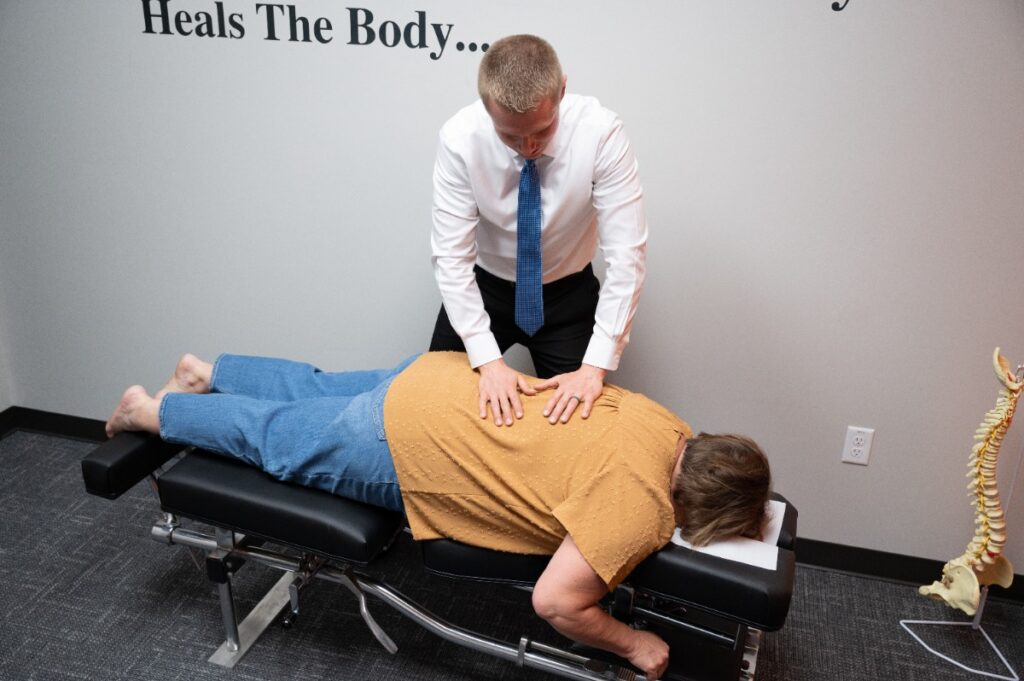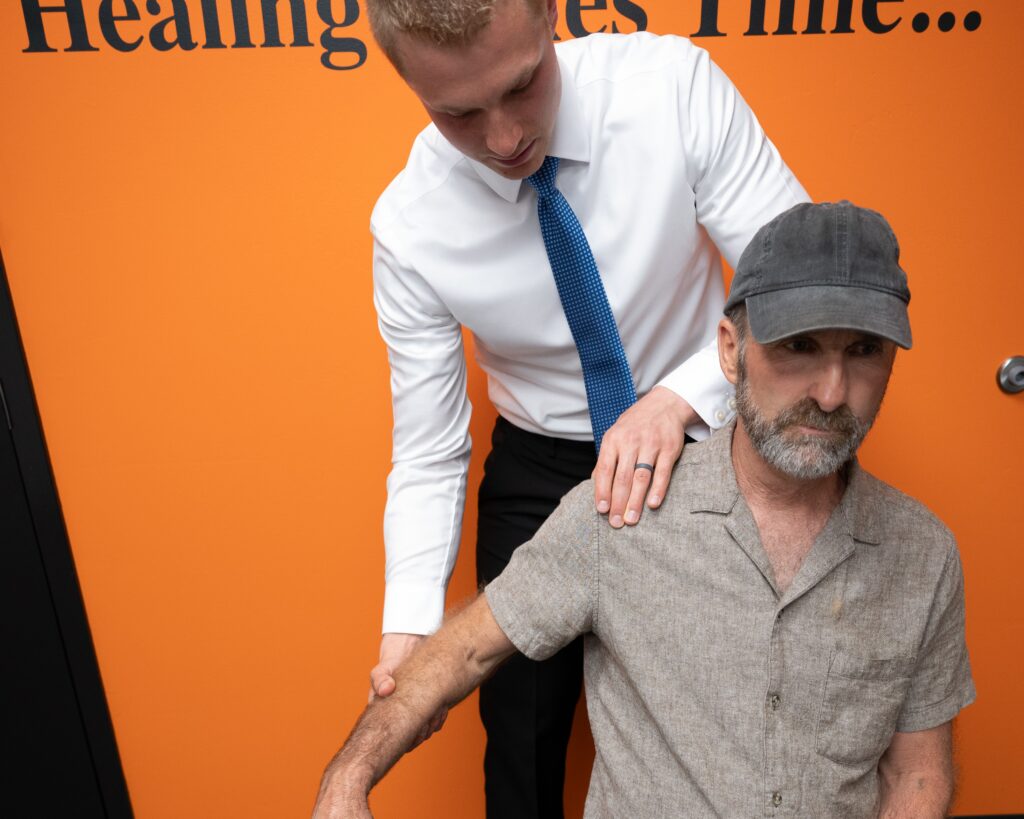

As a local chiropractor, I understand that persistent back pain can significantly impact your athletic performance. It's crucial to recognize that identifying the root causes of your discomfort is just the first step toward relief. Factors such as improper technique, insufficient core strength, and even the equipment you use can contribute to your pain.
By emphasizing effective prevention and care strategies, we can work together to help you reclaim your training and enjoy your sport once more. So, what specific steps can you take to ensure lasting relief and enhance your performance? Let's delve into some practical solutions that chiropractic care and natural healing can offer you.
Chiropractic adjustments can help realign your spine and improve your overall mobility, addressing any misalignments that may be causing pain. Additionally, we can focus on strengthening your core muscles through targeted exercises, which play a vital role in supporting your back. Choosing the right gear and ensuring proper techniques are also essential; I can guide you on how to adjust these elements for better performance and comfort.
By incorporating these strategies into your routine, you can not only alleviate your back pain but also enhance your athletic abilities. Together, we can create a customized plan that addresses your unique needs and helps you achieve your goals in your chosen sport. Let's take the next step toward your healing journey!
Understanding Back Pain
As a local chiropractor, I understand that back pain can be a frustrating challenge, particularly for those who lead active lifestyles. It's crucial to grasp the nature of back pain in order to manage it effectively and support your overall wellness. You may experience discomfort that varies in intensity and location, often influenced by your daily activities. Whether it's a dull ache or a sharp sensation, becoming aware of the characteristics of your back pain can guide you in addressing it appropriately.
Your spine is a remarkable structure comprised of bones, discs, muscles, and nerves, all working together to support your movements. However, it can be susceptible to strain. When you engage in physical activities, whether training or competing, you may inadvertently place undue stress on your back. This can lead to muscle fatigue, spasms, or even minor injuries.
It's essential to listen to your body; if you notice a twinge or ongoing discomfort, it may be a signal to modify your activities or seek professional guidance.
Mental aspects can also contribute to back pain. Feelings of anxiety related to performance or fears of injury can heighten muscle tension, exacerbating your discomfort. Taking time to relax and practice mindful breathing can be beneficial.
Additionally, incorporating stretching and strengthening exercises into your routine can enhance the support and flexibility of your back.
Ultimately, understanding your back pain involves being attentive to your body's signals and taking a proactive approach to your health. This awareness empowers you to take the necessary steps toward prevention and recovery.
As a chiropractor, I'm here to support you on this journey, helping you to achieve optimal performance and well-being through natural healing methods.
Common Causes in Athletes
As a local chiropractor, I want to share some important insights about how poor posture mechanics can contribute to significant back pain, especially for athletes.
Many may not realize that the way you hold your body during training and competition can lead to discomfort and injuries. Additionally, overuse injuries from repetitive motions can put considerable strain on your spine over time.
It's crucial to understand these common causes of back pain, as they can directly impact your performance and overall well-being.
By addressing these issues through chiropractic care, we can help you maintain proper alignment, promote healing, and support your athletic endeavors naturally.
Let's work together to keep your body functioning optimally!
Poor Posture Mechanics
As a local chiropractor, I want to emphasize the importance of maintaining proper posture, especially for those of you who lead an active lifestyle. Poor posture mechanics can lead to significant back pain and injuries, which can hinder your ability to perform at your best.
When you're training or competing, your body depends on good alignment and balance. If your posture isn't correct, it can create unnecessary strain on your spine and muscles, leading to discomfort and a decrease in performance.
Many factors contribute to poor posture mechanics, including muscle imbalances, insufficient core strength, and improper techniques during exercises. For example, if you find yourself slouching or leaning forward while running or lifting weights, you may experience increased pressure on your back.
Additionally, extended periods of sitting, whether at a desk or in a car, can worsen these issues.
To improve your posture and alleviate potential pain, I recommend focusing on strengthening your core muscles and enhancing your flexibility. Incorporating exercises that promote good alignment, such as planks and bridges, into your routine can be extremely beneficial.
It's also crucial to be mindful of your body mechanics during physical activities and make necessary adjustments. By prioritizing proper posture, you can't only prevent back pain but also improve your overall athletic performance.
As a chiropractor, I'm here to support you on your journey to better health through natural healing methods. If you have any questions or need guidance on improving your posture, feel free to reach out!
Overuse Injuries
As a local chiropractor, I want to emphasize the importance of proper posture mechanics, not just for immediate comfort, but also for preventing long-term issues like overuse injuries, especially for athletes.
When you consistently engage in repetitive movements—particularly with poor alignment—you can place excessive strain on specific muscles and joints. Over time, this strain can lead to painful conditions such as tendonitis, stress fractures, or muscle tears.
Many factors contribute to overuse injuries, including inadequate warm-ups, not allowing enough recovery time, and improper training techniques. It's crucial to give your body the rest it needs; pushing through fatigue without recovery can lead to further complications.
Additionally, it's essential to pay attention to your body's pain signals—ignoring them can worsen the situation.
Another often overlooked aspect is the role of footwear and training surfaces. Wearing the wrong shoes or training on hard surfaces can cause misalignments in your body, increasing your risk for overuse injuries.
To help prevent these issues, I recommend incorporating balanced training regimens that include rest days, focus on proper technique, and integrate flexibility exercises.
By addressing these aspects, you can significantly lower your risk of overuse injuries and enhance your overall athletic performance.
Remember, chiropractic care can also play a vital role in maintaining proper alignment and supporting your body's natural healing processes.
Let's work together to keep you healthy and performing at your best!
Importance of Prevention
Preventing sports-related back pain is crucial not only for your immediate comfort but also for your long-term athletic performance. As a local chiropractor, I want to emphasize that taking proactive measures to protect your back lays a solid foundation for achieving your goals in sports and physical activities.
Ignoring discomfort or pushing through pain can lead to serious injuries that may temporarily sideline you and impact your overall physical capabilities.
Understanding the importance of prevention means recognizing that your body is your most valuable asset when it comes to sports. Simple practices such as building strength and flexibility, maintaining proper posture, and utilizing appropriate techniques during training and competition can significantly enhance your performance.
Investing time in these preventive measures can result in improved endurance, agility, and resilience.
Moreover, focusing on prevention can save you from costly medical treatments and extended downtime. By addressing potential issues before they escalate, you can avoid the frustration and setbacks associated with rehabilitation.
This means you'll be able to fully enjoy your sports and activities without the constant worry of injury.
At my practice, we emphasize natural healing methods to support your body's innate ability to function optimally. Regular chiropractic care can help maintain a healthy spine, improve your overall physical condition, and reduce the risk of injury.
Let's work together to keep you active and thriving in your favorite sports!
Effective Stretching Techniques
As your local chiropractor, I want to emphasize the importance of maintaining a healthy back through effective stretching techniques.
Flexibility is crucial for preventing injuries and enhancing your overall physical performance. By targeting specific muscle groups, we can help support your spine and improve your body's functionality.
I encourage you to incorporate some simple yet effective stretches into your routine that can greatly benefit your back.
These stretches not only promote flexibility but also contribute to your overall well-being.
Let's work together to explore these techniques and enhance your athletic abilities while keeping your back in optimal condition.
Importance of Flexibility
As a local chiropractor, I want to emphasize the vital role that flexibility plays in your overall athletic performance and in reducing the risk of sports-related back pain.
Integrating effective stretching techniques into your routine can significantly enhance your range of motion and improve your body's ability to absorb shock. This means that your muscles and joints will work together more efficiently, which can help decrease the likelihood of injuries.
To develop flexibility, I recommend incorporating dynamic stretches before your workouts. These can include movements like leg swings, arm circles, and torso twists.
These exercises will warm up your muscles and prepare them for the demands of your sport. Following your workouts, it's crucial to engage in static stretching. Focus on holding each stretch for at least 15-30 seconds to help lengthen tight muscles and promote recovery.
It's important to listen to your body during these stretches. If you experience any discomfort, it's perfectly fine to ease off.
Remember, consistency is essential. By making stretching a regular part of your training regimen, you'll see significant improvements over time.
By prioritizing flexibility in your routine, you're not only enhancing your athletic performance but also building a more resilient body that's less prone to back pain and injury.
Targeted Muscle Groups
As a local chiropractor dedicated to educating my patients about natural healing, I want to emphasize the importance of effective stretching techniques that specifically target key muscle groups. This approach can play a significant role in preventing sports-related back pain and enhancing your overall physical performance.
Let's begin with your hamstrings. Many individuals don't realize that tight hamstrings can pull on the pelvis and lead to strain in the lower back. A simple stretch can help alleviate this: stand up, place one foot on an elevated surface, and lean gently forward. You'll feel the stretch in your hamstring, which can help prevent discomfort.
Next, we need to address the hip flexors. These muscles can become tight and contribute to lower back pain. To stretch them, kneel on one knee while positioning the other foot in front of you. As you push your hips forward, maintain a straight back. This not only relieves tension in the lower back but also enhances your mobility.
Don't overlook the importance of stretching your glute muscles. A great way to do this is by sitting on the floor, crossing one leg over the other, and gently pulling your knee towards your chest. This stretch can help loosen tight glutes, which are often a hidden contributor to back pain.
Lastly, it's essential to include your core muscles in your stretching and strengthening routine. Performing a basic plank can be very beneficial. Ensure your body forms a straight line from your head to your heels, and engage your core. This exercise builds strength and stability, which are crucial for providing support to your back.
Incorporating these targeted stretches into your daily routine can significantly reduce discomfort and enhance your athletic performance. As your chiropractor, I encourage you to make these practices a regular part of your wellness journey. Your body will thank you!
Strengthening Your Core
As a local chiropractor, I want to emphasize the importance of building a strong core for your overall health and well-being. Many people think of core strength as just having visible abs, but it actually involves all the muscles surrounding your trunk and pelvis that play a crucial role in stabilizing your spine.
By focusing on strengthening these muscles, you can't only enhance your athletic performance but also help prevent sports-related back pain.
To get started, I recommend beginning with foundational exercises such as planks and bridges. Planks are fantastic for engaging your entire core and building endurance, while bridges specifically target your glutes and lower back. Aim to hold each plank for at least 30 seconds and perform 10-15 repetitions of bridges.
As you become more comfortable, consider challenging yourself with variations like side planks or single-leg bridges.
Incorporating rotational movements is also vital for a well-rounded core workout. Exercises like Russian twists can significantly improve your core's ability to stabilize during dynamic sports activities. I suggest performing 3 sets of 10-15 repetitions on each side to boost your core strength and stability.
Moreover, don't overlook functional exercises such as squats and deadlifts. These movements engage your core while mimicking everyday activities, which can enhance your overall athletic performance and support your spine.
Remember, consistency is essential. Dedicate time each week to work on your core strength, and you'll likely notice a significant improvement in your stability and a reduction in back pain.
Role of Proper Equipment
As a local chiropractor, I want to emphasize the importance of selecting the right sports equipment to help prevent back pain.
Many people underestimate how crucial the fit and quality of your gear is to both your performance and overall comfort. It's vital to ensure that everything you use is specifically suited to your body and the sport you participate in.
Additionally, taking the time to regularly maintain and care for your equipment can significantly reduce your risk of injury, allowing you to stay active and enjoy your favorite activities for much longer.
Choosing the Right Gear
Choosing the right gear is crucial for managing sports-related back pain, and as a local chiropractor, I want to emphasize how this can significantly impact your overall well-being. The equipment you use during physical activities plays a vital role in maintaining your body's alignment and providing the necessary support.
First and foremost, let's talk about footwear. Wearing shoes that offer adequate cushioning and arch support is essential. These features help absorb shock and reduce strain on your back, which is particularly important during any sport.
It's also important to consider the specific demands of the sport you're participating in. Each activity has gear designed to provide ideal support. For instance, in tennis, using a racket that matches your skill level and playing style can help prevent overexertion and the risk of injuries.
For cyclists, a properly fitted bike is crucial for even weight distribution and minimizing pressure on your back.
Don't forget about protective gear as well—items like back braces or supports can give you extra stability during strenuous activities. While it might be tempting to choose trendy or flashy gear, I urge you to prioritize functionality and support.
Investing in the right equipment not only enhances your performance but also plays a significant role in preventing and alleviating back pain.
Take the time to research and select gear that aligns with your specific needs and the sports you enjoy. Making informed decisions about your equipment can lead to a healthier, pain-free experience in your physical activities.
If you have any questions or need further guidance, feel free to reach out to my office for more personalized advice. Your health is worth it!
Importance of Fit
As a local chiropractor, I often emphasize how crucial it's to have the right sports gear, but what's equally important is how well that gear fits your body. A proper fit can significantly help in preventing sports-related back pain, which is something I see frequently in my practice.
When selecting equipment—such as shoes or protective gear—it's essential to ensure that it's tailored to your unique measurements and requirements. Gear that doesn't fit properly can lead to misalignment and increased strain on your back, potentially resulting in chronic pain.
Take shoes, for instance. If they lack adequate support, your posture can suffer, negatively impacting the alignment of your spine. Likewise, if your sports gear is either too loose or too tight, it may restrict your movement. This restriction forces your body to compensate in unnatural ways, which can lead to discomfort or even injury over time.
I can't stress enough the importance of trying on gear before making a purchase. Move around in it—walk, run, or engage in your sport—to see how it feels during your activity.
Investing time in finding the perfect fit is well worth it. Remember, comfort and support not only enhance your performance but also reduce the risk of developing back pain.
Maintenance and Upkeep
As a local chiropractor, I want to emphasize the importance of maintaining your sports equipment, just as you'd prioritize your health and well-being. Regular upkeep of your gear is crucial in reducing the risk of injury, particularly sports-related back pain.
Whether you're a runner, cyclist, or enjoy team sports, ensuring your equipment is in optimal condition can make a significant difference.
Let's start with your footwear. It's essential to regularly inspect the soles for signs of wear and tear. Worn-out shoes can lead to improper alignment, placing undue strain on your back. If you notice any irregularities or a lack of support, it's time to invest in a new pair.
For sports like tennis or squash, don't overlook your racquet; check the strings and grips. A well-maintained racquet not only enhances your performance but also minimizes the risk of overexertion, which can lead to discomfort or injury.
When it comes to larger pieces of equipment, such as bikes or gym machines, it's vital to clean and lubricate the moving parts routinely. This practice not only extends the life of your equipment but also ensures smooth operation.
Smooth movements are key to preventing awkward motions that can strain your back and lead to pain.
Lastly, proper storage of your equipment can't be overstated. Keeping your gear in a safe and organized manner prevents damage and ensures everything is ready when you're for your next workout.
By prioritizing maintenance, you aren't only taking care of your equipment but also protecting your body from unnecessary pain and discomfort.
Rehabilitation Strategies
As a local chiropractor dedicated to helping you understand the benefits of chiropractic care and natural healing, I want to share some effective rehabilitation strategies for sports-related back pain that can support your recovery journey.
First and foremost, incorporating gentle stretching exercises into your daily routine can be incredibly beneficial. Focus on stretching your hamstrings, hip flexors, and lower back. These areas often tighten up and contribute to discomfort. As you start to feel more comfortable, gradually increase the intensity of your stretches to enhance flexibility and mobility.
Next, it's crucial to strengthen your core muscles. A robust core is vital as it supports your spine and helps prevent future injuries. Simple exercises like planks, bridges, and pelvic tilts are excellent choices to incorporate into your regimen. Aim to perform these exercises at least three times a week, ensuring that you maintain proper form to avoid any additional strain on your back.
Equally important is being mindful of your posture throughout the day. Take notice of how you sit and stand. Utilize ergonomic chairs and practice maintaining a neutral spine when lifting or bending. Developing these healthy habits will go a long way in protecting your back and preventing issues down the line.
In addition to stretching and strengthening, I recommend engaging in low-impact activities such as swimming or cycling. These forms of exercise provide gentle movement while minimizing stress on your back. Always listen to your body, and if you experience any pain, be sure to adjust your routine accordingly.
Lastly, don't underestimate the benefits of heat and cold therapy. Applying heat can help relax tight muscles, while cold therapy can effectively reduce swelling and inflammation. By integrating these strategies into your rehabilitation plan, you can set the stage for a smoother recovery and get back to enjoying the sports you love in no time.
When to Seek Professional Help
If you're dealing with persistent back pain that isn't improving with self-care, it's important to consider seeking professional help, particularly from a chiropractor. Ignoring your pain or hoping it will resolve on its own can lead to further complications, affecting not just your physical performance but also your overall well-being.
As a chiropractor, I want to help you recognize when it's time to reach out for expert support.
First and foremost, if you feel pain radiating down your legs or experience numbness, tingling, or weakness, it's crucial to act quickly. These symptoms could suggest nerve involvement, and early chiropractic intervention can help prevent more serious issues down the line.
Secondly, if you're struggling to carry out daily activities or find it challenging to maintain your usual physical routine, a consultation can provide you with a tailored assessment and a personalized treatment plan designed to help you regain your strength and mobility.
Moreover, if your back pain is accompanied by unexplained weight loss, fever, or persistent pain during the night, these could signal a more serious underlying condition that warrants immediate attention. Seeking chiropractic care sooner rather than later can significantly impact your recovery journey.
Lastly, if you've tried over-the-counter pain medications and various home remedies without any relief, don't hesitate to reach out for professional guidance.
As a chiropractor, I can offer targeted therapies such as spinal adjustments, physical therapy, and holistic approaches that focus on natural healing to address the root cause of your pain.
Lifestyle Modifications for Relief
As a local chiropractor, I want to share some valuable insights on how simple lifestyle modifications can significantly alleviate sports-related back pain and improve your overall well-being.
First, I encourage you to assess your daily habits. Are you often sitting for extended periods without taking breaks? If that's the case, it's crucial to incorporate short, frequent breaks where you can stand, stretch, or take a quick walk. These small actions can help reduce stiffness and tension in your back, promoting better mobility.
Next, let's talk about posture, which is vital for maintaining a healthy spine. Whether you're working at a desk or standing, ensuring that your spine is properly aligned can lead to considerable relief. Consider using ergonomic chairs or cushions that provide support to your lower back, and be mindful of your posture, especially when using electronic devices.
Regular exercise is another essential component of a healthy lifestyle. Focusing on strengthening your core muscles can provide your spine with the support it needs to function optimally. Engaging in activities such as swimming, yoga, or Pilates can enhance your flexibility and significantly reduce the risk of injury.
Don't overlook the importance of diet in managing back pain. Consuming a balanced diet rich in anti-inflammatory foods can have a positive impact on your discomfort. Aim to include plenty of fruits, vegetables, whole grains, and healthy fats in your meals. Staying well-hydrated is equally important, as dehydration can lead to muscle cramps and exacerbate discomfort.
Finally, let's discuss the critical role of sleep in your recovery process. A supportive mattress and proper sleeping position can greatly influence your back health. I recommend establishing consistent sleep patterns to allow your body the time it needs to recover and rejuvenate.
Long-term Management Tips
As a local chiropractor, I want to emphasize that managing sports-related back pain goes beyond just temporary relief; it requires a long-term commitment to your health and well-being. One of the first steps is to regularly check in with healthcare professionals, like myself, who can monitor your progress and tailor your treatment plan to your needs. These appointments are crucial for your ongoing health, so don't overlook them.
Staying active is vital for your recovery, but it's important to listen to your body. Engaging in low-impact exercises such as swimming or cycling can help strengthen your back while minimizing strain. Consistency is essential, so I encourage you to find physical activities you enjoy and incorporate them into your daily routine.
Additionally, stretching should be a daily habit—focus on exercises that target your back and core to improve flexibility and support.
Proper ergonomics at work and home plays a significant role in your daily comfort and recovery. Ensure that your workspace is designed to support your back; use ergonomic chairs, maintain good posture, and take regular breaks to stand up and move around.
I also recommend exploring mindfulness techniques, such as yoga or meditation. These practices not only assist with physical pain but also help reduce stress, which can often worsen discomfort.
Lastly, hydration and a balanced diet rich in anti-inflammatory foods are essential for supporting your overall wellness and recovery.
Conclusion
As your local chiropractor, I want to emphasize the importance of taking a proactive approach to your health, especially when it comes to conquering sports-related back pain. By focusing on core strength, flexibility, and employing proper techniques in your activities, you can significantly lower your risk of injury.
Many people overlook the benefits of regular chiropractic care and the impact of mindful posture throughout their daily routines. Additionally, maintaining an ergonomic workspace can make a world of difference in how your back feels.
Incorporating rehabilitation strategies, practicing yoga, and following a balanced diet are essential components in keeping your back strong and pain-free. By prioritizing these steps, you can enjoy a more active lifestyle without the burden of pain.
I encourage you to explore chiropractic care and consider how it can support your journey to better health and wellness. Together, we can work towards a future where you can participate in your favorite sports without the fear of back pain holding you back.