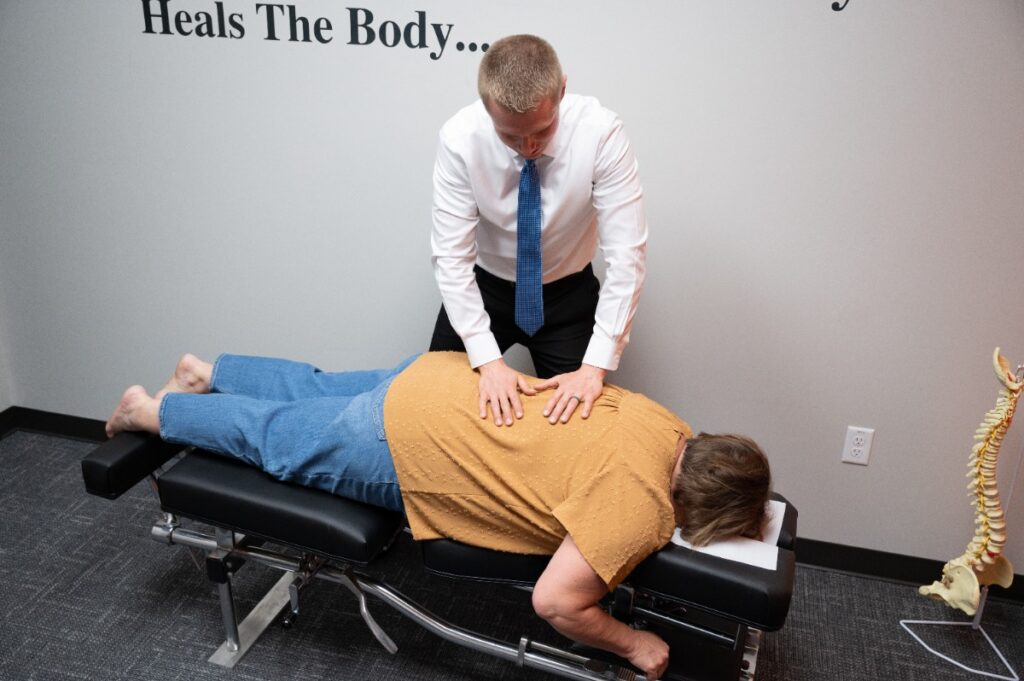

As a local chiropractor, I want to help you understand that if you’re experiencing muscle strain and back pain, you’re certainly not alone. Many individuals face discomfort that can significantly impact their day-to-day activities. It’s crucial to understand the underlying causes of your pain, as this knowledge can lead you to effective relief.
One of the key aspects of chiropractic care is promoting proper posture and spinal alignment, which can be instrumental in alleviating back pain. Additionally, I often recommend targeted exercises that can strengthen your back muscles and improve flexibility. These strategies are designed to help you regain your comfort and enhance your overall well-being.
However, if you find that these methods alone aren’t providing the relief you seek, don’t worry—there are other approaches we can explore together. Chiropractic adjustments, for instance, can help restore balance to your spine and relieve tension in your muscles. My goal is to provide you with a comprehensive plan tailored to your specific needs, so you can conquer your back pain and enjoy a more comfortable life. Let’s work together towards a pain-free future!
Understanding Muscle Strain and Back Pain
As a local chiropractor, I’d like to share some insights about muscle strain and back pain that can help you understand your body better.
Many people don’t realize that lifting heavy objects or twisting in an awkward way can easily lead to a muscle strain in the back. This happens when the muscle fibers stretch too far, resulting in pain, stiffness, or even spasms. You might feel discomfort while bending, lifting, or sitting down.
Understanding muscle strain is crucial for effectively managing back pain. It’s not just about the immediate discomfort; it can significantly impact your daily life and overall well-being. Tasks that once seemed simple may start to feel daunting, which can lead to frustration and reduced quality of life.
To support your back and promote healing, it’s important to maintain proper posture and engage your legs when lifting heavy items. Additionally, incorporating regular stretches and strengthening exercises into your routine can help prevent future strains.
If you find that your pain persists, I encourage you to seek professional advice. By gaining a deeper understanding of muscle strain and its effects, you’re taking an important step toward finding relief and achieving a healthier, pain-free back.
Identifying the Causes of Back Pain
As a local chiropractor, I want to help you understand the various factors that could be contributing to your back pain. Identifying the root causes can be quite intricate, but being aware of some common issues can guide you toward relief and better health. Here are a few key aspects to consider:
1. Poor Posture: Many people underestimate the impact of their posture. Spending long hours slouched or seated incorrectly can put unnecessary strain on your back muscles, leading to discomfort.
Maintaining proper alignment is essential for spinal health.
2. Muscle Strains: Have you ever lifted something heavy without proper technique? Sudden movements or improper lifting can cause muscle strains, which are a common source of back pain.
Learning the right ways to lift and move can help prevent these injuries.
3. Injuries: Accidents or falls, even minor ones, can lead to both acute pain and chronic issues if not properly treated.
It’s important to address any injuries promptly to avoid long-term complications.
4. Underlying Conditions: Certain medical conditions, such as arthritis, herniated discs, or sciatica, can contribute to persistent back pain.
Understanding these underlying issues is crucial for effective treatment and management.
As your chiropractor, my goal is to provide you with natural healing solutions tailored to your unique needs.
Together, we can explore these causes and develop a plan to help alleviate your discomfort and improve your overall well-being.
Effective Stretching Techniques for Relief
As a local chiropractor, I want to share how effective stretching can be for relieving back pain and enhancing your overall flexibility. Incorporating some simple yet powerful stretches into your daily routine can lead to significant improvements in your comfort and mobility.
Let’s start with the cat-cow stretch. Begin by positioning yourself on your hands and knees. As you arch your back upwards like a cat, feel the gentle mobilization of your spine. Then, dip your back down while lifting your head. This movement not only stretches your back but also promotes spinal health.
Next, I recommend the child’s pose. Sit back on your heels and extend your arms forward, resting your forehead on the ground. This stretch provides a gentle release for your lower back, allowing tension to dissipate.
Another beneficial stretch is the seated forward bend. While seated with your legs extended straight in front of you, reach towards your toes. This action creates a lovely stretch along your spine and hamstrings, helping to alleviate tightness.
Don’t overlook the standing side stretch, either. By raising one arm overhead and leaning to the opposite side, you can effectively stretch the muscles along your torso and improve your flexibility.
For each of these stretches, aim to hold for 15-30 seconds, and remember to breathe deeply. This not only enhances the relaxation effect but also allows the stretches to work more effectively.
Incorporating consistent stretching into your routine can greatly help in easing discomfort and promoting better mobility. As your chiropractor, I encourage you to explore these techniques as part of a natural approach to healing and well-being.
Strengthening Exercises to Prevent Injury
As a local chiropractor dedicated to helping our community achieve optimal health, I want to emphasize the importance of incorporating strengthening exercises into your daily routine to prevent injuries and maintain a healthy back.
By building core stability, you not only enhance your balance but also reduce the strain on your spine, which is essential for overall well-being. Here are four fundamental exercises that I recommend starting with:
- Planks: This exercise is fantastic for engaging your core. Aim to hold a plank position for 30 seconds to a minute. This will help strengthen your abdominal muscles and support your back, laying a solid foundation for spinal health.
- Bird-Dog: Begin on all fours, then extend one arm forward while simultaneously extending the opposite leg back. After a few reps, switch sides. This exercise promotes coordination and enhances stability, which is crucial for preventing injuries.
- Bridge: Lie on your back with your knees bent and feet flat on the ground. Lift your hips toward the ceiling, engaging your glutes and lower back. This exercise not only strengthens these areas but also helps in maintaining proper posture.
- Superman: For this exercise, lie face down and lift both your arms and legs off the ground at the same time. This movement strengthens your entire back, promoting better spinal alignment and function.
Incorporating these exercises into your routine can significantly contribute to your overall health and help you avoid injuries.
As your chiropractor, I’m here to guide you on your journey to natural healing and a stronger, healthier back.
The Importance of Proper Posture
As your local chiropractor, I can’t stress enough the importance of maintaining proper posture for your overall back health. Good posture isn’t just about standing up straight; it plays a crucial role in preventing pain and discomfort by alleviating unnecessary strain on your muscles and spine.
Many of you may not realize how everyday habits can contribute to poor posture, leading to a range of issues.
Let’s take a moment to discuss the numerous benefits of good posture. By aligning your body correctly, you can enhance your breathing, improve circulation, and even boost your mood!
On the flip side, common mistakes like slouching, hunching over your devices, or not using ergonomic furniture can exacerbate discomfort and lead to chronic pain.
I encourage you to consider incorporating some effective exercises into your daily routine to improve your stance. Simple stretches and strength-building moves can greatly enhance your posture and overall well-being.
Benefits of Good Posture
As a local chiropractor, I want to emphasize the importance of good posture for your overall health and well-being. Many people may not realize that maintaining proper alignment not only enhances your physical appearance but also significantly reduces the risk of back pain and other discomforts.
Here are some key benefits of good posture that I encourage my patients to consider:
- Improved Breathing: When your body is properly aligned, your lungs can expand fully, allowing for better oxygen intake. This can lead to increased energy levels and overall vitality.
- Enhanced Digestion: Good posture supports better organ function, which can aid in digestion. When your spine is aligned, your digestive organs have more space to operate efficiently.
- Increased Confidence: Standing tall not only makes you look more confident, but it can also boost your self-esteem. Good posture can positively influence how you feel about yourself and how others perceive you.
- Reduced Muscle Strain: By maintaining proper alignment, you reduce unnecessary pressure on your muscles and joints. This can lower your risk of injury and improve your overall physical performance.
Incorporating good posture into your daily routine can have a profound impact on your health.
As your chiropractor, I’m here to help you understand how to achieve and maintain proper alignment for a healthier, pain-free life.
Common Posture Mistakes
As a local chiropractor dedicated to your well-being, I want to highlight some common posture mistakes that can hinder your journey to better health. Many individuals strive for good posture, yet often fall into habits that can lead to discomfort and pain.
One of the most prevalent issues is slouching, whether while sitting or standing. This posture places unnecessary strain on your back, which can lead to chronic pain over time.
Additionally, when using your phone or computer, it’s easy to lean forward, creating tension in your neck and shoulders. This forward posture can contribute to discomfort that may be alleviated with simple adjustments.
Another critical aspect to consider is the engagement of your core muscles. Neglecting to activate these muscles can result in your lower back having to work harder, which often leads to discomfort or pain.
Footwear is another important factor in maintaining good posture. Wearing shoes that lack proper support can negatively impact your alignment, making it more difficult to maintain a healthy posture throughout the day.
Lastly, while crossing your legs may seem comfortable, it can disrupt your balance and posture. It’s essential to be mindful of how you position yourself while seated.
By identifying these common pitfalls, you can take proactive steps to enhance your posture and significantly reduce back pain in your daily life.
Exercises for Improvement
As a chiropractor dedicated to your overall well-being, I want to emphasize that correcting posture mistakes is just the beginning of your journey to better back health.
To truly enhance your posture and support your spine, it’s essential to incorporate specific exercises into your daily routine. Here are four effective exercises that I often recommend to my patients for strengthening the back and promoting proper alignment:
- Wall Angels: Stand with your back flat against a wall and raise your arms to shoulder height. As you slide your arms up and down the wall, focus on keeping your shoulders and back in contact with the surface. This exercise helps to open up your chest and improve shoulder mobility.
- Cat-Cow Stretch: Start on all fours, with your hands under your shoulders and knees under your hips. Gently alternate between arching your back upwards (like a scared cat) and dipping it downwards (like a cow), allowing your spine to mobilize. This movement is excellent for increasing flexibility and relieving tension in the back.
- Plank: Get into a plank position, either on your hands or forearms. This exercise engages your core and strengthens the muscles that support your spine, providing stability and enhancing posture. Aim to hold the position for as long as you can while maintaining proper form.
- Chest Opener Stretch: Stand tall and interlace your fingers behind your back. Gently pull your shoulders back and down, opening up your chest. This stretch is crucial for counteracting the forward hunch that many people develop from prolonged sitting or poor posture.
By incorporating these exercises into your routine consistently, you’ll be taking significant steps towards achieving lasting results for your back health.
Utilizing Heat and Cold Therapy
As your local chiropractor, I want to share some valuable insights on managing back pain through heat and cold therapy—an approach that can provide you with effective relief.
If you’re experiencing back pain, starting with cold therapy in the first 48 hours after an injury is crucial. Applying an ice pack wrapped in a cloth can help numb the affected area, reduce inflammation, and alleviate pain. I recommend using this method for about 15-20 minutes at a time.
Once the initial phase has passed, it’s time to transition to heat therapy. Utilizing a warm compress or heating pad can work wonders by relaxing tight muscles, enhancing circulation, and relieving stiffness.
Similar to cold therapy, stick to 15-20 minute sessions but be cautious not to overheat the area. You can also alternate between heat and cold as needed, paying attention to how your body responds.
Always remember to place a barrier between your skin and the heat or cold source to avoid burns or frostbite. By incorporating these natural healing methods into your routine, you can take significant steps towards effectively managing your back pain.
If you have any questions or need guidance on how to implement these therapies, don’t hesitate to reach out. Your journey to better health starts here!
Over-the-Counter Pain Relief Options
As a local chiropractor, I want to help you understand how to manage back pain effectively, especially if you’re not familiar with chiropractic care and natural healing.
Over-the-counter pain relievers, such as ibuprofen and acetaminophen, can offer quick relief, but it’s crucial to use them responsibly by adhering to the recommended dosages.
While these medications can alleviate discomfort temporarily, they don’t address the underlying causes of your pain.
Chiropractic care focuses on identifying and treating those root issues, promoting natural healing and long-term wellness.
By understanding how both pain relievers and chiropractic adjustments work, you can make more informed choices about your pain management strategy.
Common Pain Relievers
If you’re experiencing back pain, I want to share some insights as a local chiropractor on how over-the-counter (OTC) pain relievers can be part of your approach to finding relief.
While these medications may offer quick relief, it’s essential to understand how they work and what options you have available to support your healing journey.
- Ibuprofen – This is a non-steroidal anti-inflammatory drug (NSAID) that can help reduce inflammation and alleviate pain. It’s often used for conditions that involve swelling, providing both pain relief and a reduction in inflammation.
- Acetaminophen – Unlike NSAIDs, acetaminophen works primarily to relieve pain without addressing inflammation. It can be a suitable choice for managing mild to moderate discomfort, but be mindful of its limitations.
- Naproxen – Another NSAID, naproxen offers longer-lasting pain relief, making it a good option for those dealing with chronic pain. However, it’s important to use it responsibly and under guidance, especially if you have underlying health concerns.
- Aspirin – While aspirin can be effective for pain relief, it’s crucial to use it cautiously due to potential side effects, particularly for those with certain medical conditions or who are taking other medications.
As a chiropractor, I encourage you to explore not only these OTC options but also the benefits of chiropractic care and natural healing methods.
Our approach focuses on addressing the root causes of your pain and promoting overall wellness, which can lead to more sustainable relief and improved mobility in the long run.
If you’re interested, I’d be happy to discuss how we can work together to support your health naturally.
Dosage and Recommendations
As a local chiropractor, I want to help you understand how to effectively manage your back pain using both over-the-counter pain relief options and natural healing methods.
It’s important to be informed about the proper dosage and recommendations for medications like nonsteroidal anti-inflammatory drugs (NSAIDs), including ibuprofen and naproxen.
When using ibuprofen, the typical recommendation is to take 200-400 mg every 4-6 hours. However, it’s crucial not to exceed 1200 mg in a single day without first consulting a healthcare professional.
For naproxen, the usual dosage is 220 mg every 8-12 hours, with a maximum daily limit of 660 mg.
Another common option is acetaminophen, which is generally taken at a dosage of 500-1000 mg every 4-6 hours, but remember that the total shouldn’t surpass 3000 mg in a day.
While these medications can provide temporary relief, I encourage you to consider the benefits of chiropractic care and natural healing approaches. They can address the root causes of your pain and promote long-term wellness.
Always consult with your healthcare provider or chiropractor before starting any medication, particularly if you have existing health conditions or are taking other treatments.
Your well-being is our priority, and we’re here to support you on your journey to a pain-free life!
When to Seek Professional Help
As a local chiropractor, I want to help you understand when it’s important to seek professional help for back pain. Recognizing the right moment for intervention can greatly enhance your recovery and overall well-being.
Here are some key signs to watch for that indicate it’s time to reach out for chiropractic care:
- Persistent Pain: If your back pain lingers for more than a few weeks, it’s crucial to consult with a chiropractor. Ongoing pain often signals an underlying issue that deserves professional attention.
- Severe Discomfort: If you’re experiencing intense pain that disrupts your daily activities or keeps you from getting a good night’s sleep, this warrants an evaluation. As chiropractors, we specialize in identifying the root causes of such discomfort.
- Numbness or Weakness: Feelings of numbness, tingling, or weakness in your legs aren’t to be taken lightly. These symptoms may indicate nerve involvement, which is something we can effectively assess and treat through natural healing methods.
- Accompanying Symptoms: If you notice any accompanying symptoms, such as fever, unexplained weight loss, or changes in your bladder or bowel function, it’s important to seek immediate attention from a healthcare provider. These can be indicators of more serious conditions.
By paying close attention to these signs, you can take proactive steps towards getting the appropriate care.
Lifestyle Changes for Long-Term Comfort
As your local chiropractor, I want to emphasize the importance of making lifestyle changes that can help you achieve long-term comfort and prevent future back issues after addressing any acute pain with professional care.
One of the most effective steps you can take is to incorporate regular exercise into your daily routine. Activities such as walking, swimming, or practicing yoga can significantly strengthen your back and enhance flexibility.
It’s also crucial to be mindful of your posture, especially when sitting for extended periods or lifting heavy objects. Investing in ergonomic furniture can provide the necessary support for your spine, reducing the risk of strain.
Maintaining a healthy weight plays a vital role in alleviating pressure on your back. A balanced diet that includes anti-inflammatory foods can support overall health and aid in recovery.
Don’t forget the importance of staying hydrated; proper hydration is essential for muscle health and function.
Lastly, I encourage you to explore stress management techniques like meditation or deep breathing exercises. Stress can lead to muscle tension, which often exacerbates discomfort.
Conclusion
As a local chiropractor, I want to emphasize that conquering muscle strain and back pain is a journey that starts with understanding your body and making informed choices. Many patients are surprised to learn that incorporating effective stretching and strengthening exercises can significantly alleviate discomfort in the back. It’s also crucial to maintain proper posture throughout your daily activities.
In addition to these practices, I encourage you to explore the benefits of heat and cold therapy. These simple techniques can provide immediate relief and support your recovery. Over-the-counter pain relief may also be beneficial when necessary, but it’s important to use these sparingly.
If your pain persists despite these efforts, seeking professional help is crucial. As a chiropractor, I specialize in identifying the root causes of pain and providing natural, holistic treatment options. Embracing these lifestyle changes not only promotes lasting comfort but also empowers you to take charge of your back health. Let’s work together on this journey to better health and wellness!