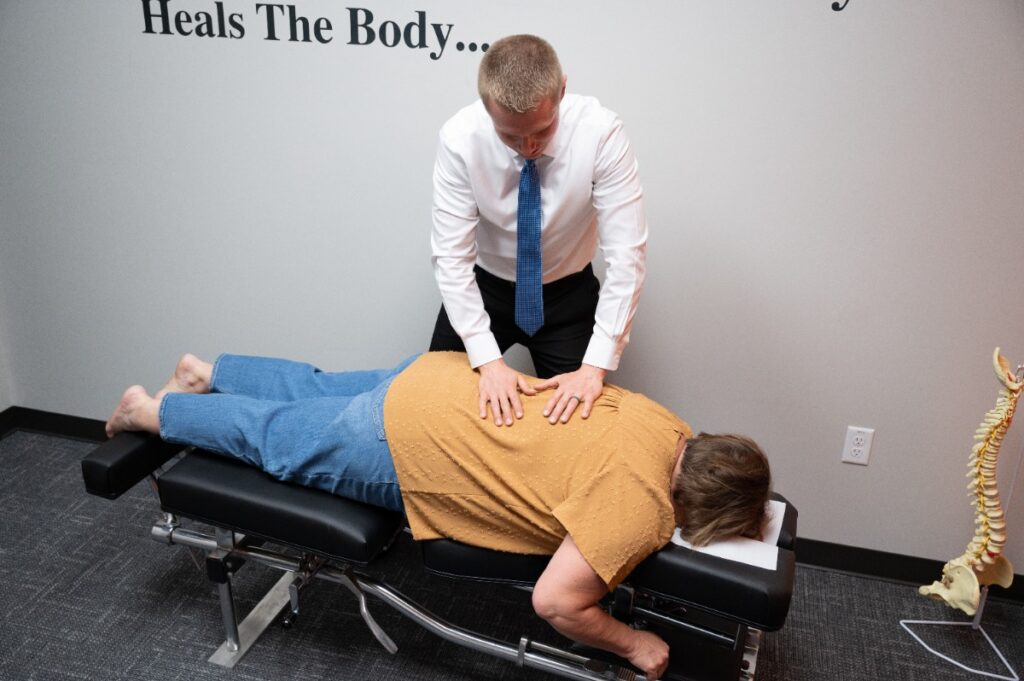
If you’re experiencing back pain, know that you’re not alone—many individuals are in the same boat. As a chiropractor, I want to help you understand the root causes of your discomfort and emphasize the importance of a comprehensive approach to healing. Chiropractic care, combined with physical therapy and ergonomic adjustments, can be highly effective in relieving pain and restoring function.
But there’s more to consider. Mindfulness practices and alternative therapies, such as acupuncture or massage, can complement your treatment and promote overall well-being. By exploring these holistic options, you may discover the key to not just alleviating your pain, but also enhancing your quality of life. Let’s work together to find the best strategies tailored for you!
Understanding the Causes of Back Pain
As a local chiropractor, I want to help you understand the various causes of back pain, which is something many people experience at some point in their lives.
Back pain can arise from a multitude of factors, such as poor posture, muscle strain, or even injuries sustained during everyday activities. If you find yourself sitting for extended periods or lifting heavy objects without proper technique, these habits could lead to discomfort and pain.
It’s also important to consider underlying health conditions like arthritis or herniated discs, which can significantly contribute to your back pain. Recognizing these signs early is crucial for effective management.
Another factor that may surprise you is the role of stress. Emotional tension can manifest physically, leading to tightened muscles in your back, which can exacerbate pain.
Lifestyle choices such as being overweight or not getting enough exercise can further complicate the situation.
By understanding these causes, you can take proactive steps toward finding relief. Start by evaluating your daily habits and routines. Look for triggers that might be contributing to your discomfort, whether it’s your posture at work or a lack of physical activity.
Simple adjustments, like improving your posture or incorporating regular movement into your day, can make a significant difference.
As your chiropractor, I’m here to guide you through this process. By understanding the root causes of your pain, we can work together to develop a personalized treatment plan that addresses your needs and promotes natural healing.
The Role of Physical Therapy
After pinpointing the underlying causes of your back pain, it’s important to explore holistic treatment options, and chiropractic care can significantly aid in your recovery journey.
As a local chiropractor, my goal is to assess your condition thoroughly and create a customized care plan that meets your individual needs. Together, we’ll develop strategies to manage pain, enhance mobility, and restore strength to your back.
During our sessions, we’ll utilize a range of chiropractic techniques, including spinal adjustments, soft tissue therapy, and rehabilitative exercises. These methods not only help alleviate pain but also address the root causes of your discomfort, promoting overall wellness.
Moreover, I’ll guide you in understanding proper body mechanics and posture, equipping you with the knowledge to prevent future injuries.
Regular visits to the chiropractor can significantly accelerate your healing process, enabling you to return to your daily activities with renewed confidence. By choosing chiropractic care, you’re making a proactive choice toward achieving a healthier, pain-free back through natural healing.
Exercises for Strengthening and Flexibility
As your local chiropractor, I want to emphasize the importance of exercises that not only strengthen your muscles but also enhance flexibility to effectively relieve back pain.
Core strengthening exercises are essential as they provide support for your spine, helping to maintain proper alignment and reduce discomfort. Additionally, incorporating stretching techniques into your routine can significantly improve your overall mobility, allowing for better movement and less strain on your back.
By making these practices a regular part of your daily life, you’ll likely experience remarkable improvements in your back health.
Core Strengthening Exercises
As a local chiropractor, I want to emphasize the importance of core strengthening exercises in supporting your spine and alleviating back pain. While many individuals often think of stretching as the primary solution for back discomfort, it’s crucial to understand that a strong core provides the necessary stability and support for your spine.
When your core muscles are well-developed, they help maintain proper posture, reducing the strain on your back. I recommend incorporating exercises such as planks, bridges, and bird-dogs into your fitness routine. These exercises target not only your abdominal muscles but also engage your entire core, which is vital for promoting balance and coordination.
To reap the benefits, aim to perform these exercises at least two to three times a week, and gradually increase the intensity as you build strength. It’s essential to prioritize proper form to avoid injury; remember, quality of movement is far more important than the quantity of repetitions.
By strengthening your core, you can enhance your overall stability, which may lead to a reduction in back pain. This improvement can significantly enhance your ability to enjoy daily activities with greater ease and comfort.
If you have any questions about incorporating these exercises into your routine or how they relate to your chiropractic care, feel free to ask!
Stretching Techniques Benefits
As a local chiropractor, I want to emphasize the significant role that stretching techniques play in enhancing your overall physical health. Many people are unaware of how beneficial stretching can be, especially when it comes to improving flexibility and minimizing the risk of injury.
By incorporating stretching into your daily routine, you can experience a host of advantages that positively impact your back health and overall well-being.
- Increased Flexibility: Regularly practicing stretching can help lengthen your muscles, which allows for a greater range of motion in your joints. This increased flexibility is crucial for maintaining mobility as you age and can enhance your performance in everyday activities.
- Improved Posture: Stretching is essential for counteracting the effects of prolonged sitting, which many of us experience in our daily lives. By promoting better alignment of your spine and reducing strain on your back, stretching can significantly improve your overall posture.
- Stress Relief: Engaging in stretching exercises helps to relax tight muscles and ease tension throughout your body. This not only contributes to physical relaxation but also promotes mental well-being, making it a valuable component of a holistic approach to health.
I encourage you to make stretching a priority in your routine. It can be a simple yet effective way to support a healthier back and improve your quality of life.
Mindfulness and Stress Reduction Techniques
As a local chiropractor, I want to share some valuable insights on how mindfulness and stress reduction techniques can profoundly benefit those suffering from back pain.
Many of my patients find that incorporating practices like breathing exercises can significantly promote relaxation in their bodies. Guided imagery, where you visualize a state of comfort, can also be an effective tool for managing pain.
Additionally, meditation is a wonderful way to help ease discomfort and cultivate a sense of calm. These holistic approaches not only help soothe your mind but also play a crucial role in enhancing your overall well-being.
Breathing Exercises for Relaxation
As a local chiropractor, I often see how stress and tension play a significant role in causing back pain for many of my patients. One effective way to combat this discomfort is through breathing exercises, which can help promote relaxation and ease tension in both the body and mind.
Allow me to share three breathing techniques that you can incorporate into your daily routine:
- Diaphragmatic Breathing: Begin by inhaling deeply through your nose, allowing your diaphragm to expand fully. This means your belly should rise as you breathe in. Then, exhale slowly through your mouth. Practicing this for several minutes can create a sense of calm and help alleviate back pain.
- 4-7-8 Method: This technique is fantastic for reducing anxiety. Inhale deeply for 4 seconds, then hold your breath for 7 seconds, and finally exhale slowly for 8 seconds. Repeating this cycle can help relax your nervous system and lower your stress levels.
- Box Breathing: This method is excellent for centering your mind and releasing tension. Inhale for a count of 4, hold your breath for another count of 4, then exhale for 4 counts, and hold once more for 4 counts. This structured breathing can help bring your focus back to the present moment.
Incorporating these breathing exercises into your routine can significantly enhance your relaxation and overall well-being, complementing the natural healing process we work on together in chiropractic care.
Guided Imagery Practices
As your local chiropractor, I want to introduce you to an effective technique that can complement your chiropractic care: guided imagery practices. This method is an excellent way to enhance your mindfulness and reduce stress, which is essential for managing back pain.
Guided imagery involves visualizing calming and peaceful scenes, allowing your mind to temporarily escape from the stressors that may be contributing to your discomfort. Imagine yourself relaxing on a serene beach or wandering through a lush forest. By engaging all your senses, you can create a vivid mental experience that promotes relaxation.
As you immerse yourself in these positive images, you may notice a decrease in tension throughout your body.
To enhance this practice, consider pairing guided imagery with deep breathing exercises. This combination can deepen your relaxation and support your overall well-being.
By incorporating these techniques into your routine, you can cultivate a more relaxed state of mind, reduce stress, and potentially alleviate some of the back pain you’re experiencing.
Meditation for Pain Relief
As a local chiropractor, I often see patients looking for effective ways to alleviate pain and reduce stress without relying solely on medication. One holistic approach that many have found beneficial is meditation. By incorporating mindfulness techniques into your daily routine, you can cultivate a sense of calm that aids in managing discomfort, including back pain.
Here are three strategies to consider:
- Breath Awareness: Start by focusing on your breath. Inhale deeply through your nose, allowing your abdomen to rise, and then exhale slowly through your mouth. This practice not only anchors your mind but also helps to reduce tension in your body, which can be particularly helpful in managing pain.
- Body Scan: Find a comfortable position, either lying down or seated, and mentally scan your body from head to toe. As you focus on each area, pay attention to any tension you may be holding. Consciously work on relaxing those areas, which can lead to a greater sense of relief and well-being.
- Guided Meditation: Consider using meditation apps or recordings specifically designed for pain relief. These guided sessions can help steer your mind away from discomfort and immerse you in a state of relaxation, making it easier to cope with pain.
By embracing these meditation practices, you may discover a significant reduction in your back pain.
Ergonomic Adjustments at Home and Work
As your local chiropractor, I want to share some insights on how making ergonomic adjustments in your home and workplace can significantly alleviate back pain and improve your overall well-being. Many people overlook the impact of their work environment, but small changes can lead to big improvements.
First, let’s take a look at your workspace. It’s essential to have a chair that supports your lower back. Ensure that your feet can rest flat on the floor, which helps maintain proper posture. Adjust your desk height so your elbows are at a 90-degree angle when you’re typing.
If you find yourself sitting for long periods, consider using a standing desk to alternate your position throughout the day.
At home, it’s equally important to be mindful of how you lift and carry items. Always bend your knees and keep your back straight to prevent unnecessary strain. Additionally, using cushions or lumbar supports can make a significant difference when sitting for extended durations.
Another key point is the positioning of your computer monitor. Keeping it at eye level can help reduce neck strain, which is often a contributing factor to back pain.
Remember, these small adjustments can have a profound impact on how you feel.
Alternative Therapies: Acupuncture and Massage
As your local chiropractor, I want to introduce you to some effective alternative therapies that can greatly enhance your journey toward relief from back pain—specifically, acupuncture and massage.
Both of these therapies are designed to alleviate discomfort and promote your overall well-being, complementing the chiropractic care I provide.
Acupuncture involves the strategic insertion of fine needles into specific points on your body. This ancient practice can stimulate the body’s healing mechanisms and provide significant pain relief.
On the other hand, massage therapy focuses on relaxing tense muscles and enhancing circulation, which can further reduce discomfort and facilitate recovery.
Here are three key benefits of incorporating these therapies into your wellness routine:
- Pain Reduction: Acupuncture and massage are both powerful tools for decreasing pain levels. They offer natural alternatives to medications, allowing your body to heal itself more effectively.
- Muscle Relaxation: Through massage therapy, we can release tight muscles that contribute to back pain. This not only improves your range of motion but also alleviates strain on your back, enhancing the results of your chiropractic adjustments.
- Stress Relief: Both therapies address the physical manifestations of pain and also help to lower stress levels, which can have a positive impact on your mental health.
Integrating acupuncture and massage into your care plan could be the solution you’ve been looking for to achieve lasting relief from back pain.
Together, we can work towards your health goals and help you feel your best!
Nutrition’s Impact on Back Health
As a local chiropractor, I want to emphasize how crucial nutrition is for maintaining a healthy back. The right nutrients can significantly strengthen your spine and enhance your overall musculoskeletal function. A balanced diet that includes ample calcium, magnesium, and vitamin D is vital for building strong bones. These nutrients work to keep your vertebrae dense and resilient, which can help reduce the risk of fractures and alleviate pain.
Incorporating omega-3 fatty acids, which are found in fish and flaxseeds, can also be beneficial as they help reduce inflammation—a common contributor to back pain. Hydration is equally important; staying well-hydrated can prevent muscle cramps and discomfort that might exacerbate any existing issues.
Additionally, consuming antioxidant-rich foods, such as berries and leafy greens, can combat oxidative stress, aiding in recovery and promoting better overall health. It’s also important to be mindful of your intake of processed sugars and trans fats, as these can trigger inflammation and negatively impact your back health.
The Importance of Sleep and Posture
As a local chiropractor, I want to emphasize that while good nutrition is vital for your back health, two other key components—sleep and posture—are equally crucial for your overall well-being.
Quality sleep allows your body to recover and alleviates tension in your back, while maintaining proper posture helps reduce strain during your daily activities. Here are three ways you can enhance both your sleep and posture:
- Choose the right mattress and pillow: It’s important to invest in a mattress and pillow that support the natural alignment of your spine. This support is essential for ensuring restful and restorative sleep, which is vital for healing.
- Adopt good posture habits: Whether you’re sitting at your desk or standing, strive to keep your shoulders back and your feet flat on the ground. Investing in ergonomic chairs can be particularly beneficial, especially if you spend long hours working at a computer.
- Create a consistent sleep routine: Going to bed and waking up at the same time every day can significantly improve your sleep quality. This consistency helps regulate your body’s internal clock, leading to deeper, more restorative sleep, which is essential for maintaining a healthy back.
By focusing on these areas, you can take significant steps toward improving your overall health and well-being.
When to Seek Professional Help
As a local chiropractor, I want to help you understand when it might be the right time to seek professional assistance for your back pain. If your discomfort has been hanging around for more than a few weeks, this is a key indicator that you should consult with a healthcare provider, like a chiropractor.
It’s important to pay attention to how your pain evolves; if it intensifies or starts to travel down your legs, this could be a sign of something more serious that warrants immediate attention.
Certain symptoms, such as numbness, weakness, or a loss of bladder control, should never be ignored and require prompt professional evaluation. Additionally, if you find that simple everyday tasks—like bending, lifting, or even sitting—become challenging, it’s time to consider reaching out for help.
If your pain arises after an injury or traumatic event, it’s crucial not to brush it off. Chronic pain that disrupts your sleep or negatively impacts your mood is another area where chiropractic care can make a significant difference.
Being proactive about your health is essential; addressing back pain early can prevent more serious complications in the future. If you’re uncertain about the best steps to take, don’t hesitate to reach out and book an appointment.
Your well-being is our priority, and we’re here to guide you through the natural healing process.
Conclusion
As a local chiropractor, I want to share with you how a comprehensive approach to relieving back pain can significantly enhance your quality of life. It’s essential to first understand the root causes of your discomfort. Many people are unaware that everyday habits can contribute to back pain, which is why I recommend starting with a thorough assessment.
Engaging in physical therapy is a vital component of the healing process. It helps strengthen the muscles that support your spine, ensuring better alignment and functionality. Additionally, practicing mindfulness can help you manage pain and stress, allowing you to connect more deeply with your body’s needs.
Ergonomics plays a crucial role in your daily life. Making simple adjustments to your workspace or how you sit can alleviate strain on your back. I also encourage exploring alternative therapies such as acupuncture and massage, which can complement chiropractic care and promote natural healing.
Don’t underestimate the power of nutrition and restful sleep—they are foundational for maintaining a healthy back. A well-balanced diet and sufficient sleep can significantly impact your overall well-being and recovery.
If your pain continues despite these efforts, it’s important to seek professional help. As a chiropractor, I’m here to guide you on your journey to becoming pain-free, so you can fully enjoy every moment of your life. Remember, you deserve to live without pain!