
When you're dealing with back pain, it's crucial to explore different solutions that suit your lifestyle and needs. You might consider over-the-counter medications for quick relief or opt for physical therapy and chiropractic care for a more lasting approach. Alternative treatments like acupuncture and massage therapy could also be worth your time, as well as making lifestyle changes that promote better posture and regular exercise. Each option has its unique advantages, but the real question is: which combination will work best for you?
Over-the-Counter Medications
When you're dealing with back pain, over-the-counter (OTC) medications can be a quick and effective solution. They provide relief without the need for a prescription, making them easily accessible for most people. Common options include nonsteroidal anti-inflammatory drugs (NSAIDs) like ibuprofen and naproxen, which help reduce inflammation and alleviate pain. Acetaminophen is another option that can relieve discomfort, especially if you're sensitive to NSAIDs.
Choosing the right medication depends on your specific symptoms and any pre-existing conditions you might have. If you've got a history of stomach issues, for example, you might want to avoid NSAIDs, as they can irritate the stomach lining. Always read the label for dosage instructions and be mindful of any potential interactions with other medications you may be taking.
It's important to remember that while OTC medications can provide temporary relief, they're not a long-term solution. You shouldn't rely on them for extended periods without consulting a healthcare professional. Overuse can lead to side effects or mask underlying issues that might require more thorough treatment.
When using OTC medications, also consider incorporating other self-care practices, like rest, heat application, or gentle stretching. These can complement the pain relief you get from the medications.
Physical Therapy Options
If OTC medications aren't providing the relief you need or if you're looking for a more thorough approach to managing your back pain, physical therapy options can be a valuable next step.
Physical therapy focuses on improving your mobility, strength, and function through tailored exercises and techniques. A licensed physical therapist will assess your specific condition and design a personalized treatment plan to address your unique needs.
One of the primary benefits of physical therapy is the hands-on approach that includes manual therapy techniques, such as mobilization and manipulation. These techniques can help alleviate pain, reduce muscle tension, and improve your range of motion.
In addition, your therapist will guide you through specific exercises aimed at strengthening the muscles supporting your spine and enhancing your overall posture.
Incorporating stretching and strengthening routines into your daily life can greatly contribute to your long-term back health. Your therapist will teach you safe and effective ways to perform these exercises, ensuring you minimize the risk of injury.
Moreover, they can provide education on proper body mechanics, ergonomics, and strategies to prevent future episodes of back pain.
Don't underestimate the importance of consistency. Regular sessions with your physical therapist can lead to lasting improvement in your condition.
By actively participating in your recovery, you're investing in your overall well-being and quality of life.
Alternative Treatments
Many individuals seek alternative treatments to complement their recovery from back pain, especially when conventional methods haven't provided sufficient relief. These options can range from herbal remedies to acupuncture, each offering unique benefits that might resonate with your personal preferences and needs.
One popular choice is acupuncture, a practice rooted in traditional Chinese medicine. This technique involves inserting thin needles into specific points in your body, which may help alleviate pain by stimulating your body's natural healing processes. Many people report significant relief after just a few sessions.
Another alternative treatment is massage therapy. By targeting tight muscles and improving circulation, massage can help reduce tension and pain in your back. Whether you opt for deep tissue, Swedish, or sports massage, you're likely to find a technique that works for you.
Herbal remedies are also worth considering. Turmeric, for example, contains curcumin, a compound known for its anti-inflammatory properties. Incorporating turmeric into your diet or taking it as a supplement may help reduce back pain over time.
Additionally, yoga and mindfulness practices can enhance your flexibility and strength while promoting relaxation. These techniques not only address physical discomfort but also help manage stress, which can exacerbate pain.
Before diving into any alternative treatment, it's crucial to consult with a healthcare professional. This guarantees your chosen method aligns with your overall treatment plan.
Exploring these options could lead you to the relief you've been searching for, helping you reclaim your daily activities without the burden of back pain.
Chiropractic Care Benefits
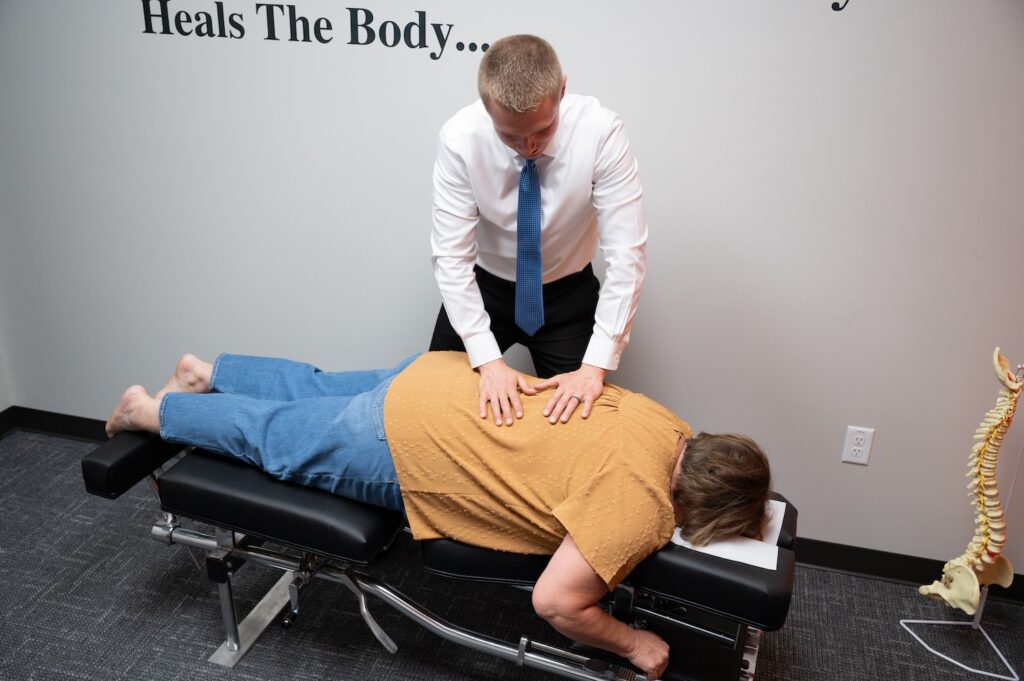
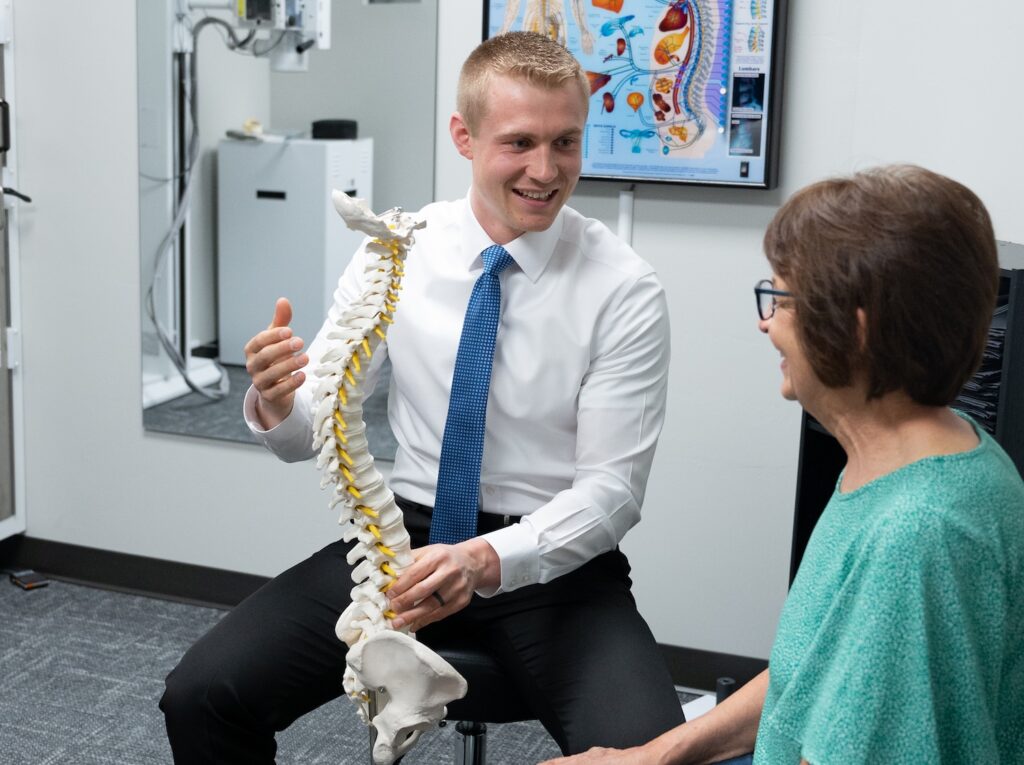
Chiropractic care offers a hands-on approach to alleviating back pain that can complement alternative treatments like acupuncture and massage. When you visit a chiropractor, they assess your spine and overall posture, pinpointing areas of misalignment or tension. This targeted approach can lead to significant improvements in your back pain.
One major benefit of chiropractic care is its focus on spinal adjustments. These adjustments aim to restore proper alignment, which can enhance your body's ability to heal itself and reduce discomfort. You might find that after a few sessions, your mobility improves and pain diminishes.
Additionally, chiropractors often provide personalized exercise and stretching recommendations tailored to your condition. This proactive approach helps strengthen the muscles supporting your spine, making it less prone to future injuries. You'll also gain insights into proper body mechanics that can prevent strain during daily activities.
Moreover, chiropractic care emphasizes a holistic view of your health. Your chiropractor may discuss lifestyle factors affecting your back pain, such as stress, nutrition, and sleep. By addressing these areas, you can create a thorough plan for relief.
Chiropractic care can be a valuable part of your back pain management strategy. It's crucial to communicate openly with your chiropractor about your symptoms and any other treatments you're considering. This collaboration guarantees you receive the most effective care tailored to your individual needs.
Embracing chiropractic care could lead you to a path of lasting relief and improved well-being.
Lifestyle Changes for Relief
Making simple lifestyle changes can greatly enhance your back pain relief efforts. Start by focusing on your posture. Whether you're sitting at a desk or standing, maintaining a neutral spine is essential. Adjust your chair, and use ergonomic supports if necessary to keep your back properly aligned.
Next, incorporate regular physical activity into your routine. Low-impact exercises like walking, swimming, or yoga can strengthen your core and improve flexibility, reducing the strain on your back. Aim for at least 30 minutes of moderate exercise most days of the week. Remember to listen to your body; if something hurts, modify your approach.
Nutrition also plays an important role in managing back pain. A balanced diet rich in anti-inflammatory foods, such as fruits, vegetables, whole grains, and healthy fats, can help reduce inflammation in your body. Staying well-hydrated is equally important, as it helps maintain the elasticity of your spinal discs.
Don't overlook the power of sleep. Prioritize good sleep hygiene by creating a comfortable sleep environment and establishing a consistent sleep schedule. Quality sleep allows your body to recover and can alleviate pain.
Lastly, consider stress management techniques like meditation or deep breathing exercises. Stress can exacerbate pain, so finding ways to relax can greatly benefit your overall wellbeing.
Conclusion
When it comes to finding relief from back pain, you've got plenty of options to contemplate. Over-the-counter medications can offer quick fixes, while physical therapy and chiropractic care focus on long-term recovery. Alternative treatments like acupuncture and massage can provide holistic benefits, and lifestyle changes can enhance your overall well-being. By exploring these solutions and tailoring them to your needs, you can effectively manage your pain and improve your quality of life.