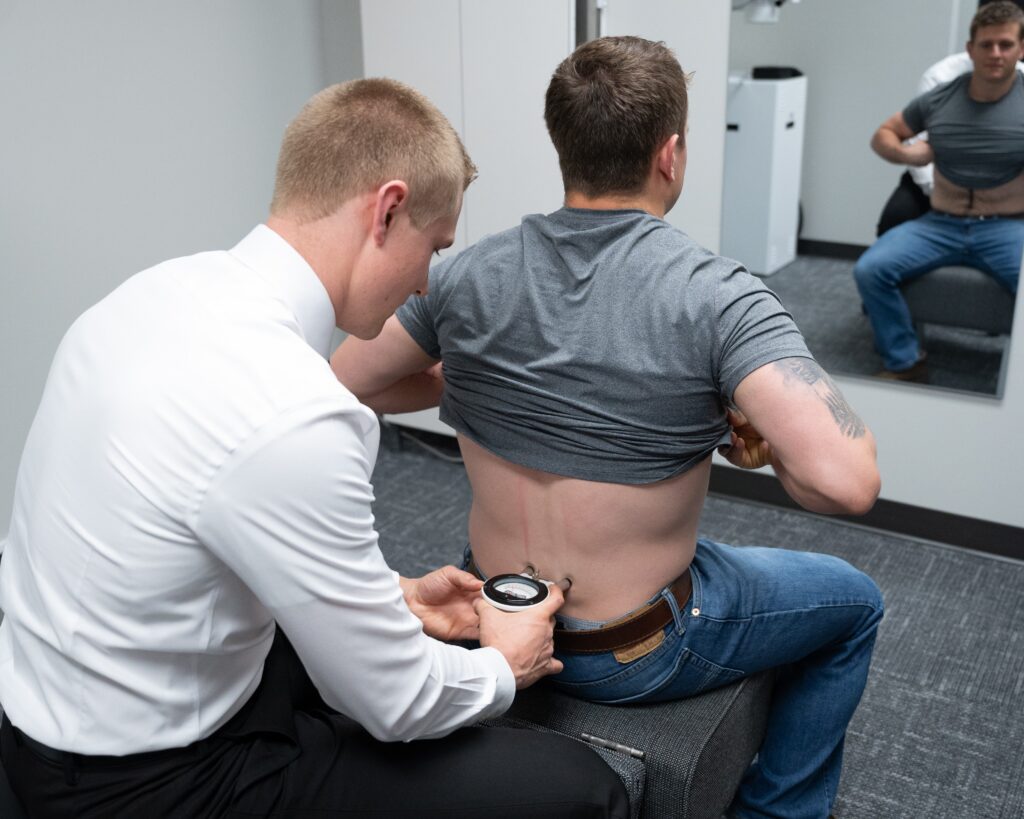

As a local chiropractor, I want to emphasize the importance of posture techniques in managing back pain. Many patients are often surprised to learn that small adjustments in their workspace or the incorporation of specific exercises can lead to significant improvements in their discomfort. With a multitude of methods available, it can be overwhelming to determine which ones are best suited to your individual needs.
By exploring various posture strategies and understanding how they align with chiropractic principles, you may discover effective ways to alleviate pain and enhance your overall well-being. Remember, our goal is to not only address your current discomfort but to empower you with the knowledge and tools for long-term health. Let’s work together to find the right approach for you!
Understanding the Impact of Poor Posture on Back Pain
As a local chiropractor, I want to take a moment to discuss the significant impact that poor posture can have on your back health. When you find yourself slouching or hunching over, you’re putting unwanted strain on your spine. This strain can lead to discomfort and pain that can be difficult to ignore.
Poor posture doesn’t just affect your back in the moment; it places excessive pressure on your spine, disrupting its natural alignment. When the spine is misaligned, it forces your muscles and ligaments to work harder to compensate, which can lead to fatigue and discomfort over time.
If you sit or stand incorrectly for extended periods, you may notice increased stiffness and reduced mobility, which can greatly affect your daily activities. Your body has a remarkable ability to adapt, but this compensation for poor posture can lead to chronic pain if not addressed.
You may find that even simple tasks become painful, making it challenging to maintain an active lifestyle. Additionally, the tension that builds up in your back can create a continuous cycle of pain and discomfort, ultimately impacting your overall well-being.
As your chiropractor, I encourage you to be mindful of your posture and consider how it affects your health. By focusing on proper alignment and posture, we can work together to alleviate pain and improve your quality of life through natural healing practices.
Ergonomic Adjustments for a Healthier Workspace
As a local chiropractor, I want to emphasize the importance of maintaining good posture in our increasingly sedentary work environments. Many individuals spend long hours at their desks, which can lead to discomfort and health issues if proper ergonomic practices aren’t implemented.
To create a healthier workspace, I recommend starting with your chair height. Make sure your feet are flat on the floor and your knees are aligned with your hips. A chair that offers lumbar support is essential for maintaining the natural curve of your spine, which can prevent back pain over time.
Your computer monitor should be positioned at eye level, approximately an arm’s length away from you. This helps to minimize neck strain, which is common when screens are set too high or too low.
When it comes to your keyboard and mouse, ensure they’re close enough so that your elbows remain at a 90-degree angle. This will reduce unnecessary tension in your shoulders and arms.
Lighting is also crucial in your workspace. To avoid glare on your screens, consider using task lighting or adjusting window shades to create a comfortable environment for your eyes.
Lastly, I can’t stress enough the importance of taking regular breaks. Stand up, stretch, or take a short walk to promote circulation and reduce fatigue.
These simple ergonomic adjustments can make a significant difference in your overall well-being, helping you maintain good posture and ultimately alleviating back pain while you work. Remember, taking care of your body now can prevent larger issues down the road!
Stretching Exercises to Alleviate Tension
As a chiropractor, I understand that many of you may spend long hours sitting at your desk, which can lead to tension and discomfort in your body. I want to emphasize the importance of incorporating stretching exercises into your daily routine, as they can significantly alleviate tension and enhance your overall comfort.
Let’s start with some simple stretches you can easily integrate into your day. Begin with neck rolls to release tension in your upper back. Gently tilt your head side to side, holding each position for a few seconds. This helps to loosen those tight muscles that often accumulate from prolonged sitting.
Next, I recommend performing shoulder shrugs. Lift your shoulders toward your ears and then let them relax down. This exercise is effective in relieving tightness in the shoulders and upper back.
For your lower back, the seated twist is a fantastic stretch. While seated, place your right hand on your left knee and gently twist your torso to the left. Hold this position for several breaths before switching sides. This movement helps to improve spinal mobility and alleviate discomfort.
Lastly, don’t forget to include a standing hamstring stretch. While standing, reach for your toes; this not only stretches your hamstrings but also promotes flexibility in your lower back.
Remember, these stretches can be performed throughout the day to keep your muscles relaxed and to promote better posture. By incorporating stretching into your routine, you can greatly reduce back pain and enhance your overall well-being.
If you have further questions about how chiropractic care can support your health, feel free to reach out!
The Role of Strengthening Exercises in Posture Improvement
As a chiropractor, I want to emphasize the importance of strengthening exercises in improving your posture. Engaging your core muscles through targeted exercises can significantly enhance your overall spinal health.
When we build strength in our bodies, we also improve our flexibility and balance—two key components for maintaining proper alignment of the spine. By focusing on these areas, many of my patients have experienced a reduction in back pain and an overall improvement in their posture.
Incorporating strengthening exercises into your routine can be a natural and effective way to support your chiropractic care and promote a healthier, more aligned body.
Core Muscle Engagement
As your local chiropractor, I want to emphasize the importance of engaging your core muscles for better health and well-being. When you actively work on strengthening your core, you’re not only boosting your stability but also creating a solid foundation for improved posture.
A robust core supports your spine, alleviating strain on your back and helping you maintain an upright position throughout your daily activities.
Incorporating core-strengthening exercises into your routine can significantly enhance your overall posture. Simple yet effective movements such as planks, bridges, and various abdominal exercises can target your core muscles.
As your core becomes stronger, you’ll likely notice that sitting, standing, and moving becomes much more comfortable.
Consistency is key when it comes to these exercises. The more regularly you engage in core strengthening, the more pronounced your posture improvements will be.
I encourage you to prioritize core engagement not just during workouts, but throughout your daily life. By doing so, you’ll not only see benefits in your posture but also in your overall back health.
Flexibility and Balance
As a local chiropractor, I want to emphasize the importance of maintaining flexibility and balance for your overall health. These aspects are crucial not only for improving your posture but also for preventing back pain, which many people experience.
By incorporating strengthening exercises into your daily routine, you can enhance your stability and provide better support for your spine. Here are some key benefits of focusing on flexibility and balance that I believe everyone should consider:
- Enhanced Muscle Control: When you strengthen your muscles, you can maintain better posture, which significantly reduces strain on your back. This is vital for avoiding discomfort and promoting a healthier spine.
- Improved Range of Motion: Having flexible muscles and joints allows for smoother movements, which minimizes the risk of injuries. This flexibility can make everyday activities easier and more enjoyable.
- Better Body Awareness: Engaging in balance exercises not only improves your stability but also increases your awareness of how your body moves. This awareness can help you make necessary adjustments to your posture throughout the day, further contributing to your overall well-being.
Incorporating these practices into your lifestyle can lead to significant improvements in your spinal health and overall quality of life.
Mindfulness Practices for Enhancing Body Awareness
As your chiropractor, I want to emphasize the importance of becoming more aware of your body, especially when it comes to managing back pain. Many patients are surprised to learn that mindfulness practices can significantly enhance their understanding of physical sensations, allowing them to better recognize tension or discomfort in their backs.
By focusing on your breath and staying present in the moment, you can start to see how different postures influence your overall comfort.
Incorporating techniques like yoga or meditation into your routine can further improve your body awareness. These practices encourage you to connect with your body’s signals and respond in a way that promotes healing. For example, when you become aware of discomfort, you can make adjustments to your posture or take necessary breaks, which can help prevent additional strain on your back.
Integrating mindfulness into your daily life not only increases your awareness but also fosters a sense of relaxation. This is important, as stress often plays a significant role in exacerbating back pain.
Comparing the Effectiveness of Various Techniques
As a local chiropractor, I understand that managing back pain can be challenging, especially when you’re not familiar with the various techniques available.
Allow me to shed some light on three popular approaches that can significantly help in alleviating your discomfort:
- Ergonomic Adjustments: Investing in a chair and desk that promote spinal support can make a world of difference, particularly if you spend long hours sitting. Proper ergonomic setups help maintain the natural curve of your spine, reducing strain and discomfort.
- Stretching Exercises: Integrating specific stretching routines into your daily life can greatly improve your flexibility and relieve tightness in your back muscles. Simple stretches can be done at home or even at the office, and they serve to keep your muscles relaxed and functioning optimally.
- Mindful Posture Awareness: One of the simplest yet most effective techniques is to cultivate an awareness of your posture throughout the day. By consciously maintaining proper alignment, you can prevent unnecessary strain and reduce the risk of injuries.
Each of these techniques offers unique benefits, and I encourage you to experiment with them to discover what works best for your body.
Remember, staying proactive and making small adjustments can lead to significant improvements in your back pain management journey.
If you have further questions or need personalized guidance, don’t hesitate to reach out for support!
Creating a Personalized Posture Improvement Plan
As a chiropractor dedicated to your overall well-being, I want to guide you in creating a personalized posture improvement plan that can significantly alleviate back pain and enhance your quality of life.
The first step is to evaluate your daily habits and the environments that might be contributing to your discomfort. Take a moment to observe how you sit, stand, and move throughout the day. Are you slouched over at your desk? Do you frequently carry heavy bags on one shoulder? Identifying these habits is crucial in setting specific goals to improve your posture.
Incorporating targeted stretches and strengthening exercises into your daily routine can make a world of difference. Focus on your back, core, and shoulder muscles, as they play a significant role in supporting your posture.
Additionally, consider making ergonomic adjustments to your workspace. A chair that offers lower back support and positioning your computer screen at eye level can greatly reduce strain on your spine.
Tracking your progress is essential, and I encourage you to adjust your plan as necessary. Consistency is key; aim to practice good posture every day.
Conclusion
As a local chiropractor, I want to share with you some effective strategies for improving your posture and managing back pain naturally. By incorporating ergonomic adjustments to your workspace, engaging in regular stretching and strengthening exercises, and practicing mindfulness techniques, you can significantly enhance your posture and alleviate discomfort.
Understanding how your body responds to these techniques is crucial. Together, we can develop a personalized plan tailored to your specific needs and lifestyle. Remember, consistency is essential—integrating these practices into your daily routine will yield long-lasting benefits.
I encourage you to take control of your posture today. With dedication and the right approach, you’ll likely notice a significant reduction in discomfort over time, allowing you to enjoy a healthier, more active lifestyle. Let’s work together on your journey to better back health!