
If you're looking to improve your flexibility and mobility, chiropractic care might be a key component of your approach. By focusing on spinal alignment and joint function, chiropractors can enhance your range of motion and reduce stiffness, making daily activities easier. But how exactly does this process work, and what other benefits might you experience? Understanding the intricate relationship between chiropractic adjustments and overall physical performance could change the way you view your body's potential. Let's explore what this means for you and how you can maximize your movement.
Understanding Chiropractic Care
While many people associate chiropractic care with back pain relief, it actually encompasses a broader approach to health and wellness. When you visit a chiropractor, you're not just seeking relief from discomfort; you're engaging in a holistic process aimed at improving your overall well-being. Chiropractors focus on the musculoskeletal system, particularly the spine, to help restore proper alignment and function.
Understanding chiropractic care means recognizing its emphasis on the body's innate ability to heal itself. By applying specific adjustments to your spine and joints, chiropractors work to eliminate interference in your nervous system. This allows your body to communicate more effectively, enhancing your body's natural healing processes.
You'll find that chiropractic care isn't just about immediate pain relief; it's also about prevention. Regular adjustments can help you maintain ideal spinal health, reducing the risk of future injuries or discomfort. It can also improve your posture, which is essential in today's world where many spend hours sitting at desks or looking at screens.
Moreover, chiropractors often provide lifestyle recommendations, including exercises and ergonomic advice, to help you stay active and healthy. By integrating chiropractic care into your routine, you're taking a proactive step towards achieving better health and well-being.
Importance of Flexibility
Flexibility plays an essential role in your overall physical performance and can greatly enhance your daily activities.
By maintaining flexibility, you can reduce your risk of injuries and support joint health, making it easier for you to stay active.
Let's explore the various benefits that flexibility brings to your life.
Enhanced Physical Performance
Achieving ideal physical performance often hinges on one key element: flexibility. When you prioritize flexibility, you're releasing your body's full potential. Enhanced flexibility allows for a greater range of motion in your joints and muscles, which directly translates to improved athletic performance.
Whether you're running, jumping, or lifting, being flexible means you can execute movements more efficiently and effectively.
Incorporating chiropractic care into your routine can greatly boost this flexibility. Chiropractors use various techniques to align your spine and improve your overall musculoskeletal function, helping your body move more freely.
You'll notice that with better alignment, your muscles can stretch and contract without restriction, increasing your power and speed.
Additionally, flexibility contributes to overall balance and coordination. You're less likely to feel stiff or fatigued during workouts, allowing you to push yourself further and achieve your goals.
As you integrate regular chiropractic adjustments and flexibility exercises into your regimen, you'll experience not just an increase in physical performance but also a profound sense of well-being.
Injury Prevention Strategies
A key component in injury prevention is maintaining ideal flexibility. When your muscles and joints are flexible, you're less likely to experience strains, sprains, or other injuries.
Here are some strategies to help you enhance your flexibility and reduce injury risk:
- Regular Stretching: Incorporate a routine that targets all major muscle groups. Stretching should be done consistently, ideally after workouts or during dedicated sessions.
- Warm-Up Properly: Before engaging in any physical activity, always perform a warm-up. This prepares your muscles and increases blood flow, making them more pliable.
- Incorporate Yoga or Pilates: These practices focus on flexibility, balance, and strength. They not only enhance your range of motion but also promote overall body awareness.
- Listen to Your Body: Pay attention to any tightness or discomfort. Ignoring these signals can lead to injuries. If something doesn't feel right, adjust your activities accordingly.
Joint Health Maintenance
Maintaining joint health is essential for overall mobility and quality of life, and flexibility plays an important role in this process. When your joints are flexible, they can move through their full range of motion, which reduces the risk of injury and allows you to perform daily activities with ease.
Stiff joints can lead to discomfort and limit your physical capabilities, making it harder to stay active.
Incorporating regular stretching and mobility exercises into your routine can greatly enhance joint flexibility. These exercises promote blood flow, lubricate the joints, and help maintain the soft tissue surrounding them.
You don't have to spend hours; just a few minutes daily can make a noticeable difference.
Chiropractic care can also support your joint health by addressing misalignments and improving overall function. A chiropractor can provide tailored adjustments and recommend specific exercises that target your unique needs.
How Mobility Affects Performance
Mobility's impact on your performance is profound, influencing everything from strength to agility. When you move freely and efficiently, you're not just avoiding injury; you're enhancing your ability to perform at your best.
Whether you're an athlete or someone who enjoys an active lifestyle, mobility plays an essential role in how well you execute movements.
Here are four key ways mobility affects your performance:
- Range of Motion: Improved mobility allows for greater range of motion in joints, which can enhance your performance in various activities, from lifting weights to playing sports.
- Muscle Activation: When your muscles are mobile, they can activate more effectively. This means you'll engage the right muscles during your movements, leading to better results and less strain.
- Balance and Stability: Good mobility contributes to your overall balance and stability. This is essential for activities that require coordination, preventing falls or missteps, and promoting confidence in your movements.
- Recovery: Enhanced mobility can aid in recovery by improving circulation and reducing muscle tension. Better recovery means you're ready to perform again sooner, with reduced fatigue and soreness.
Incorporating mobility-focused exercises into your routine can lead to noticeable improvements.
Chiropractic Adjustments Explained
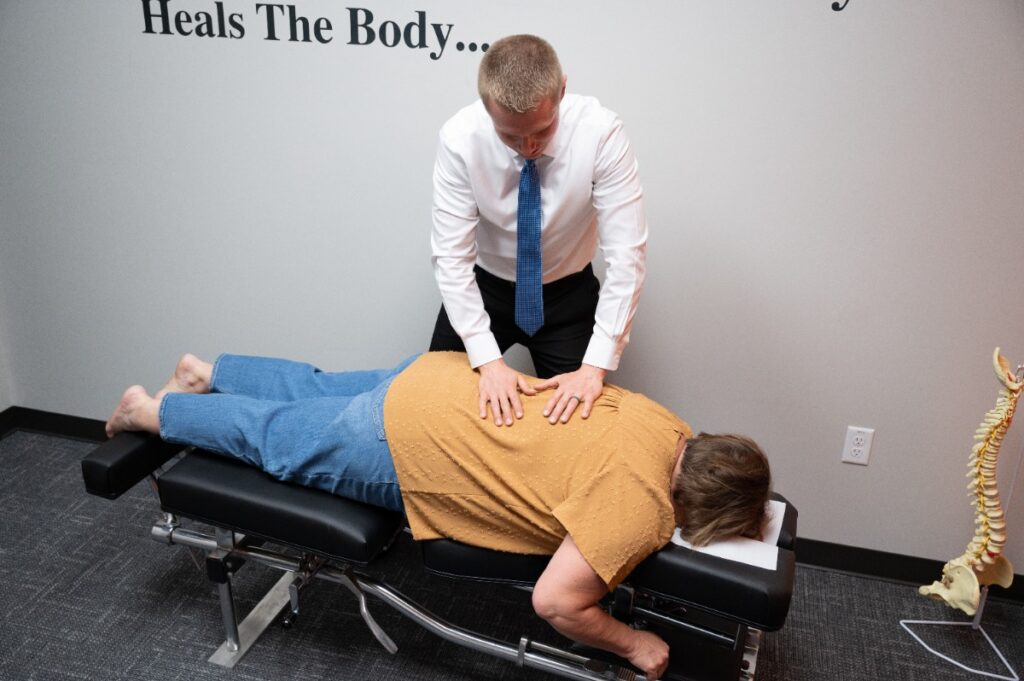
Understanding how your body moves and performs sets the stage for appreciating chiropractic adjustments. These adjustments are specific techniques chiropractors use to realign your spine and improve overall function. By applying controlled force to joints, usually in the spine, they help restore proper alignment and mobility.
When you experience pain, stiffness, or limited movement, it often stems from misalignments or restrictions in your joints and surrounding tissues. Chiropractic adjustments target these issues, allowing your body to heal more effectively. You might feel immediate relief from discomfort, but the benefits often extend beyond that. Regular adjustments can enhance your range of motion, making everyday activities easier and more enjoyable.
During a chiropractic session, your chiropractor will first assess your posture, range of motion, and any areas of tension. This evaluation helps them determine the best approach for your individual needs. Once they identify the problem areas, they'll perform an adjustment, which may involve gentle thrusts or specific techniques tailored to your body.
You might hear a popping sound, which is normal and occurs when gas bubbles in the joint fluid release.
After an adjustment, many patients report feeling looser and more relaxed. It's crucial to follow through with any recommendations your chiropractor provides, whether it's exercises or stretches to maintain your newfound flexibility. By understanding chiropractic adjustments, you're taking an important step toward improving your mobility and overall health.
Complementary Therapies for Mobility
Complementary therapies can play an essential role in enhancing your mobility and overall well-being. These therapies work alongside traditional chiropractic care to help you feel more flexible and agile.
When you incorporate these practices into your routine, you may notice significant improvements in your movement and comfort levels. Here are four effective complementary therapies to reflect upon:
- Massage Therapy: This technique helps to relieve muscle tension and improve circulation, promoting better mobility. Regular sessions can loosen tight muscles, making it easier for you to move freely.
- Acupuncture: By targeting specific points in your body, acupuncture can help reduce pain and inflammation. This ancient practice can enhance your range of motion and encourage overall relaxation.
- Yoga: Incorporating yoga into your routine can improve your flexibility and balance. The various poses strengthen your muscles and promote mindful breathing, which contributes to better mobility.
- Physical Therapy: A personalized physical therapy plan can address your unique mobility challenges. Therapists can design exercises tailored to strengthen weak areas and improve your functional movements.
Benefits of Enhanced Flexibility
Enhanced flexibility offers a range of benefits that can greatly improve your quality of life. When you increase your flexibility, you can enjoy a wider range of motion in your joints. This not only makes daily activities easier but also enhances your performance in sports and exercise. You'll find that tasks like reaching for items on a high shelf or bending down to tie your shoes become much simpler.
Moreover, improved flexibility can help reduce the risk of injury. By allowing your muscles and joints to move more freely, you're less likely to strain or sprain something during physical activity. This proactive approach to your health can save you from painful setbacks and keep you active for longer.
Enhanced flexibility also plays a significant role in alleviating muscle tension and discomfort. When your muscles are more flexible, they're less likely to become tight and sore after workouts or long periods of inactivity. You might notice a decrease in chronic pain conditions, such as back or neck pain, as your body learns to move more fluidly.
Additionally, greater flexibility can boost your overall athletic performance. Whether you're running, swimming, or practicing yoga, being flexible allows you to execute movements more effectively and efficiently. This can lead to improved endurance and better results.
Tips for Maintaining Mobility
Maintaining mobility is essential for staying active and enjoying life to the fullest. As you age or navigate daily challenges, keeping your body flexible and agile can greatly enhance your quality of life. Here are some practical tips to help you maintain your mobility:
- Stay Active: Engage in regular physical activity. Aim for at least 150 minutes of moderate exercise each week. Activities like walking, swimming, or cycling can help keep your joints flexible and muscles strong.
- Incorporate Stretching: Make stretching a part of your daily routine. Focus on major muscle groups, especially those that tend to tighten up, like your hamstrings, hip flexors, and back. Stretching improves flexibility and reduces the risk of injury.
- Practice Good Posture: Be mindful of your posture, whether you're sitting, standing, or walking. Good posture supports your spine and helps maintain balance, reducing strain on your muscles and joints.
- Stay Hydrated: Don't underestimate the power of hydration. Drinking enough water helps lubricate your joints and keeps your muscles functioning efficiently. Aim for at least eight glasses of water a day, adjusting based on your activity level and climate.
When to Seek Chiropractic Care
Even with regular exercise and good habits, there are times when you might experience discomfort or persistent pain that affects your mobility. When this happens, it's essential to recognize the signs that indicate it's time to seek chiropractic care. If you're dealing with ongoing back pain, neck stiffness, or joint discomfort that doesn't improve with rest or over-the-counter pain relievers, consider visiting a chiropractor.
Chiropractors specialize in diagnosing and treating musculoskeletal issues, and they can provide targeted care that may help alleviate your pain. If you notice a decrease in your range of motion or find it difficult to perform daily activities, don't hesitate to reach out for professional help.
Another important sign to look out for is if your pain radiates to other areas, like down your arms or legs. This could indicate a more serious problem that requires immediate attention. Additionally, if you've recently experienced an injury or trauma, even if it seems minor, it's wise to get checked out by a chiropractor.
Finally, if you're simply feeling off, experiencing frequent headaches, or noticing chronic tension in your muscles, these can all be signals that your body needs some expert attention.
Seeking chiropractic care not only addresses existing issues but can also help prevent future problems, enhancing your overall mobility and well-being. Trust your instincts—if something doesn't feel right, it's always better to consult with a professional.
Conclusion
Incorporating chiropractic care into your routine can greatly boost your flexibility and mobility, helping you lead a more active lifestyle. By understanding the benefits of adjustments and complementary therapies, you can enhance your physical performance and prevent injuries. Remember to maintain your mobility with consistent practices and seek chiropractic care whenever you feel discomfort or stiffness. Embrace this holistic approach, and you'll notice improved well-being and a greater range of motion in your daily activities.