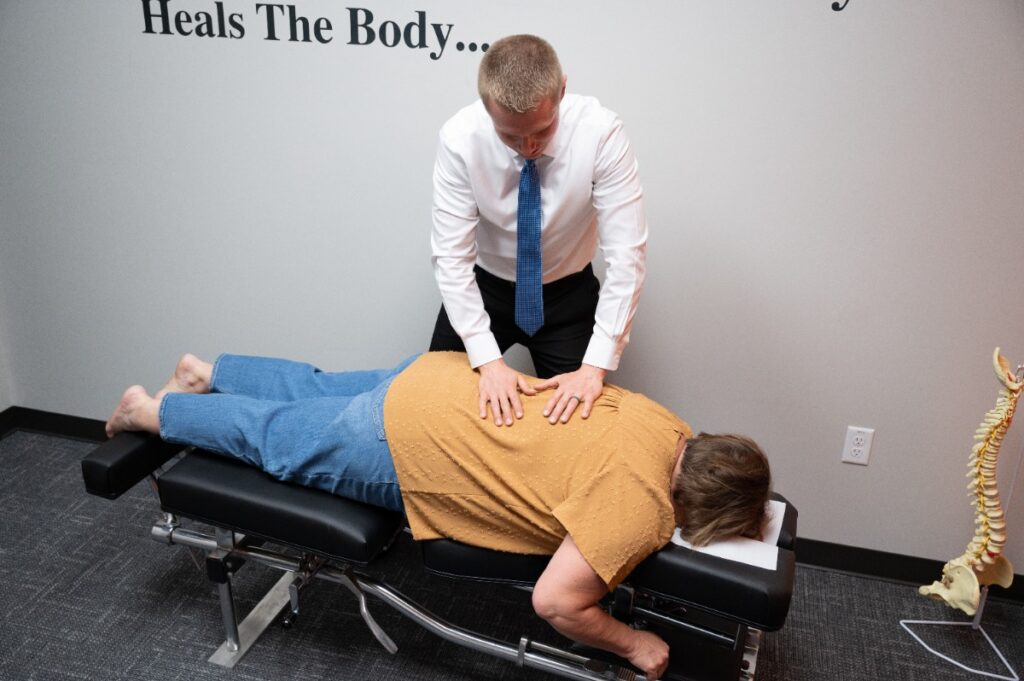
If you’re dealing with migraines, you may be pleasantly surprised to discover how chiropractic care can provide relief. Many individuals experience significant improvements through specific spinal adjustments that promote proper alignment and help alleviate nerve irritation. But what does this process really entail?
Understanding the link between your spine and headache triggers is crucial. When the spine is out of alignment, it can lead to tension and stress in the body, which may contribute to headaches and migraines. Chiropractic care focuses on correcting these misalignments through gentle and targeted adjustments, allowing your body to function optimally.
In addition to adjustments, here are some practical tips to help manage migraines naturally:
- Stay Hydrated: Dehydration can be a major trigger for headaches. Ensure you drink plenty of water throughout the day.
- Maintain Good Posture: Pay attention to your posture, especially if you spend long hours sitting at a desk. Proper alignment can reduce stress on your neck and spine.
- Regular Exercise: Incorporating regular physical activity can help reduce tension and improve overall health, which may lessen the frequency of migraines.
- Stress Management: Practice relaxation techniques such as deep breathing, meditation, or yoga to help manage stress levels, a common migraine trigger.
- Consistent Sleep Schedule: Aim for regular sleep patterns to help your body recover and reduce the likelihood of headaches.
Remember, chiropractic care is a natural and effective approach to achieving optimal health and managing migraines. By focusing on spinal health and overall wellness, you can transform your experience with migraines and enjoy a healthier, pain-free life. If you’re ready to explore how chiropractic care can help you, don’t hesitate to reach out and schedule a consultation. Your journey to wellness starts here!
Key Takeaways
Chiropractic care is a powerful tool for managing migraines by focusing on spinal alignment, which helps reduce nerve irritation and alleviate those painful symptoms. By maintaining proper spinal alignment through regular adjustments, we can decrease muscle tension, especially in the neck and shoulders, which often contributes to migraine discomfort.
In addition to spinal adjustments, we also offer soft tissue therapy, such as massage and stretching. These techniques are great for relieving tension and enhancing your overall comfort, which can lead to fewer headaches over time.
We believe that lifestyle plays a crucial role in your health, so we provide counseling on simple practices like staying hydrated, maintaining good posture, and incorporating regular exercise into your routine. These habits are essential not just for managing migraines but also for improving your overall well-being.
To further support your journey to wellness, we suggest considering complementary therapies like acupuncture and yoga. These practices can work alongside chiropractic care to enhance your migraine management efforts.
Remember, your health is a journey, and chiropractic care is a natural and effective way to find relief from migraines while promoting your body’s overall health. If you’re looking for ways to improve your well-being, schedule an appointment today and let’s work together towards a pain-free life!
Understanding Migraines and Their Triggers
Have you ever wondered what really triggers your migraines? Understanding these triggers is essential for managing and reducing their frequency, and chiropractic care can play a significant role in your journey to wellness. Common culprits include stress, hormonal changes, certain foods, and environmental factors. You might find that processed foods, aged cheeses, or even caffeine can spark an episode.
To take control of your health, consider keeping a migraine diary to track what you eat, your stress levels, and any changes in your routine. This practice can help you identify patterns and potential triggers. Additionally, dehydration and lack of sleep can contribute to the onset of migraines, so staying hydrated and maintaining a regular sleep schedule is crucial.
Chiropractic care can also help alleviate some of the physical stressors that may lead to migraines. Regular adjustments can improve spinal alignment, which in turn can reduce muscle tension and promote better overall function of your nervous system. This holistic approach not only addresses the symptoms but also targets the root causes of pain.
Many people are sensitive to bright lights or loud noises, which may provoke migraines. Incorporating relaxation techniques, such as deep breathing or gentle yoga, can create a calming environment and help you deal with stress more effectively.
By recognizing your personal triggers and taking proactive steps to avoid them, you can minimize your discomfort.
The Role of Chiropractic Care in Headache Management
While many individuals turn to medications for headache relief, chiropractic care stands out as a natural and highly effective alternative. By concentrating on spinal alignment and enhancing overall body function, chiropractors can significantly reduce the frequency and intensity of headaches. Regular chiropractic adjustments not only help alleviate headache symptoms but also tackle underlying issues such as tension and misalignment.
Here’s a helpful overview of how chiropractic care can assist in managing headaches:
| Benefit | Description | Impact |
|---|---|---|
| Pain Reduction | Alleviates tension and pressure in the head and neck | Decreases headache pain |
| Improved Mobility | Enhances neck mobility, allowing for better movement | Eases discomfort |
| Stress Relief | Promotes relaxation and helps to reduce overall stress levels | Lowers headache triggers |
| Overall Wellness | Encourages a healthier lifestyle and better body function | Improves quality of life |
In addition to seeking chiropractic care, here are some practical tips you can incorporate into your daily routine to further support headache management:
- Stay Hydrated: Dehydration can lead to headaches, so ensure you drink plenty of water throughout the day.
- Maintain Good Posture: Be mindful of your posture, especially when sitting for long periods. Keeping your back straight and shoulders back can help reduce tension in your neck and upper back.
- Regular Exercise: Engage in regular physical activity to improve circulation and reduce stress, both of which can help prevent headaches.
- Practice Relaxation Techniques: Incorporate mindfulness, meditation, or deep-breathing exercises to manage stress effectively.
- Get Adequate Sleep: Ensure you are getting enough restorative sleep each night, as lack of sleep can trigger headaches.
Techniques Used by Chiropractors for Migraine Relief
Chiropractic care offers a holistic approach to alleviating migraine symptoms, focusing on your body’s alignment and overall well-being. By prioritizing natural healing methods, chiropractors aim to reduce the frequency and intensity of migraines without the need for medications or invasive procedures.
Here are three effective techniques we often use to help our patients find relief:
- Spinal Manipulation: This hands-on technique is designed to adjust your spine, promoting better alignment. When your spine is in proper alignment, it can significantly reduce nerve irritability and alleviate pain, making it a powerful tool for migraine relief.
- Soft Tissue Therapy: We utilize gentle massage and stretching techniques to relieve tension in the neck and shoulders. By addressing muscle tightness, we can help reduce the stress that often contributes to migraines, allowing for a more relaxed and pain-free experience.
- Lifestyle and Nutritional Counseling: A crucial aspect of our care involves guiding you on healthy living practices. We provide tips on maintaining a balanced diet, staying hydrated, and managing stress effectively. These lifestyle changes can help you identify and minimize migraine triggers, empowering you to take control of your health.
In addition to these techniques, here are some general tips to help you manage migraines at home:
- Stay Hydrated: Drink plenty of water throughout the day to prevent dehydration, which can trigger migraines.
- Maintain Regular Sleep Patterns: Establishing a consistent sleep schedule can help regulate your body’s rhythms and reduce the occurrence of migraines.
- Practice Relaxation Techniques: Incorporate stress-relief practices like deep breathing, meditation, or yoga into your daily routine to help keep tension at bay.
By choosing chiropractic care, you’re taking a proactive step towards achieving optimal health and wellness.
Our focus is on empowering you with knowledge and techniques that promote natural healing and long-term relief from migraine discomfort.
Let’s help you on your journey to a healthier, pain-free life!
The Importance of Spinal Alignment
Your spinal alignment is crucial for your overall health and can significantly impact how you manage migraines. When your posture is off, it can disrupt nerve function and lead to increased pain and discomfort. This is where chiropractic care comes in.
By focusing on achieving proper spinal alignment, you can enhance your body’s ability to handle migraine triggers effectively. Chiropractic adjustments can help realign your spine, reducing tension and improving nerve function. This natural approach not only addresses the root cause of your discomfort but also supports your body’s self-healing abilities.
With regular chiropractic care, many patients experience fewer migraines and improved overall wellness.
In addition to seeking chiropractic adjustments, here are some simple tips to help maintain good spinal health:
- Practice Good Posture: Be mindful of your posture while sitting, standing, or walking. Keeping your shoulders back and your head aligned with your spine can reduce strain on your neck and back.
- Stay Active: Regular physical activity strengthens your muscles and supports spinal health. Consider activities like walking, swimming, or yoga to keep your body moving.
- Create a Comfortable Workspace: If you spend long hours at a desk, ensure your workspace is ergonomically designed. Use a chair that supports your lower back and keep your computer screen at eye level.
- Take Breaks: If you’re sitting for extended periods, take short breaks to stretch and move around. This can help relieve tension and improve circulation.
- Stay Hydrated: Drinking plenty of water helps keep your body functioning optimally, including your spinal discs.
By prioritizing spinal alignment and incorporating these tips into your daily routine, you can take significant steps toward reducing migraines and enhancing your overall health.
Role of Posture
Maintaining proper posture is vital, especially when it comes to managing migraines. Your spinal alignment plays a significant role in your overall health. Poor posture can create strain in your neck and back, which often leads to tension that triggers migraines.
As a chiropractor, I want to share three key reasons to focus on your posture and how chiropractic care can help:
- Reduced tension: When your spine is properly aligned, it minimizes muscle strain, which can help decrease the frequency of headaches. Regular chiropractic adjustments can ensure your spine stays in its optimal position.
- Improved circulation: Good posture allows for better blood flow to the brain, which may help alleviate migraine symptoms. A chiropractor can guide you on exercises and postural techniques to enhance your circulation.
- Enhanced nerve function: Keeping your spine aligned supports effective communication between your brain and body, potentially lowering migraine triggers. Chiropractic care focuses on spinal health, helping your nervous system function at its best.
To support your posture and overall wellness, here are some general tips you can incorporate into your daily routine:
- Be mindful of your sitting position: Use a chair that supports your lower back and keep your feet flat on the floor.
- Take regular breaks: If you work at a desk, stand up and stretch every hour to relieve tension.
- Engage in strengthening exercises: Focus on core-strengthening activities to support your spine.
- Consider chiropractic care: Regular visits to a chiropractor can help maintain your spinal health and reduce migraine occurrences.
Nerve Function Impact
While spinal alignment may seem like a small detail, it’s actually crucial for your overall nerve function and health. When your spine is out of alignment, it can place pressure on the nerves that run through it, disrupting the important communication between your brain and body. This disruption can lead to various health concerns, including migraines.
That’s why maintaining proper spinal alignment through chiropractic care is so important! Regular adjustments can relieve tension and reduce inflammation, allowing for better nerve signaling. As a result, you may notice fewer migraines and an improvement in your overall well-being.
Here are a few tips to help you prioritize your spinal health:
- Stay Active: Engage in regular physical activity, as it strengthens your muscles and supports your spine.
- Practice Good Posture: Whether sitting at a desk or lifting heavy objects, maintaining good posture can help prevent misalignments.
- Stretch Regularly: Incorporate stretching into your daily routine to increase flexibility and alleviate tension in your back.
- Stay Hydrated: Drinking plenty of water supports healthy spinal discs and overall body function.
- Visit Your Chiropractor: Regular chiropractic adjustments can help keep your spine aligned and your nerves functioning at their best.
Prioritizing spinal health isn’t just about avoiding pain—it’s about boosting your body’s ability to function optimally. Your nerves will thank you for choosing chiropractic care as a natural way to enhance your health and wellness!
How Chiropractic Adjustments Can Reduce Migraine Frequency
Many individuals who experience migraines have found significant relief through chiropractic adjustments. These adjustments play a crucial role in reducing both the frequency and intensity of migraine episodes. By helping to realign the spine, chiropractic care enhances nerve function and improves blood flow—both of which are vital for effective migraine management.
Here’s how chiropractic care can support your journey to wellness:
- Spinal Alignment: Keeping your spine properly aligned can relieve pressure on nerves, which may help decrease the chances of triggering migraines. Regular chiropractic adjustments can help maintain this alignment, promoting overall spinal health.
- Muscle Tension Relief: Chiropractic adjustments can provide much-needed relief from tension in the neck and shoulders. By easing muscle tightness, you can reduce stress levels, which often play a significant role in triggering migraines.
- Improved Blood Flow: Chiropractic care enhances circulation, which is essential for delivering oxygen and nutrients to your brain. This improved blood flow can potentially help lower the number of migraine attacks you experience.
In addition to chiropractic adjustments, here are some simple tips you can incorporate into your daily routine to support your health and well-being:
- Stay Hydrated: Drinking plenty of water throughout the day can help prevent dehydration, which is a common migraine trigger.
- Practice Good Posture: Being mindful of your posture, especially while sitting at a desk, can reduce tension in your neck and back.
- Engage in Regular Physical Activity: Gentle exercises like walking or yoga can reduce stress and promote relaxation, both of which are beneficial for migraine management.
- Prioritize Sleep: Aim for consistent sleep patterns and ensure you’re getting enough rest, as sleep disturbances can exacerbate migraine symptoms.
By embracing chiropractic care and these healthy lifestyle practices, you can take proactive steps towards achieving optimal health and reducing migraine occurrences.
Additional Therapies Complementing Chiropractic Treatment
To enhance the effectiveness of your chiropractic treatment for migraines, consider integrating some simple, natural therapies into your daily routine. These complementary approaches can help you manage migraines more effectively by addressing various triggers and symptoms.
For example, acupuncture is a wonderful option that can help relieve tension and promote better energy flow in your body. Similarly, massage therapy can work wonders by easing muscle tightness that often accompanies migraines, allowing for better relaxation and comfort.
Incorporating relaxation techniques like yoga or meditation can also be highly beneficial. These practices not only promote stress reduction—a common migraine trigger—but also encourage a mind-body connection that supports overall wellness.
Don’t overlook the impact of nutrition on your health. Consulting with a nutritionist can help you identify any foods that might trigger your migraines, while also introducing you to options that can soothe your symptoms. A balanced diet can be an essential part of your wellness journey.
Physical therapy is another excellent complement to chiropractic care. It can help improve your posture and strengthen your neck and back muscles, which supports your spine’s health and can reduce the frequency and intensity of migraines.
By combining these natural therapies with your chiropractic care, you create a holistic approach that tackles migraines from multiple angles. This not only enhances your overall well-being but can also lead to a more significant reduction in migraine occurrences.
Patient Experiences and Success Stories
Chiropractic care has emerged as a beacon of hope for many individuals seeking relief from migraines. Patients frequently share their inspiring success stories, highlighting how this holistic approach has transformed their lives for the better. By incorporating chiropractic adjustments into their migraine management, many have experienced remarkable improvements in their overall well-being.
Here are some common benefits that patients report:
- Fewer Migraine Days: Many patients notice a significant reduction in the number of days they experience migraines each month. This newfound freedom allows them to participate fully in their daily activities, enhancing their quality of life.
- Decreased Pain Intensity: Individuals often find that when they receive regular chiropractic adjustments, the severity of their migraines diminishes. This means they can rely less on medication, allowing them to avoid the potential side effects that come with pain relief drugs.
- Enhanced Overall Well-being: Beyond just alleviating migraines, chiropractic care can lead to better sleep, improved mood, and increased energy levels. These benefits contribute to a more balanced and fulfilling lifestyle.
As a chiropractor, I believe that our approach to health and wellness can be a powerful tool for those suffering from migraines. Here are some tips to help you get the most out of your chiropractic experience:
- Stay Consistent: Regular chiropractic visits can help maintain spinal alignment and reduce the frequency and intensity of migraines. Consistency is key to achieving optimal results.
- Practice Good Posture: Maintaining proper posture, especially during long hours of sitting or working, can alleviate stress on your spine and may help prevent migraine triggers.
- Stay Hydrated: Dehydration can be a common migraine trigger. Aim to drink plenty of water throughout the day to keep your body well-hydrated.
- Incorporate Relaxation Techniques: Stress management techniques, such as deep breathing, yoga, or meditation, can complement chiropractic care and help reduce the likelihood of migraine episodes.
These testimonials and tips reinforce the idea that chiropractic care is an effective and natural way to manage migraines. By focusing on spinal health and overall wellness, we can help you find relief and enjoy life to the fullest.
If you’re ready to experience the benefits of chiropractic care, reach out today and take the first step towards a healthier, pain-free life.
Consulting With a Chiropractor: What to Expect
When you choose to consult with a chiropractor, you can look forward to a comprehensive evaluation that centers around your individual migraine experiences. I’ll take the time to understand your symptoms, medical history, and lifestyle choices to get to the heart of what might be causing your migraines.
During our initial visit, I’ll conduct a physical examination that focuses on your posture, spine alignment, and any tension you may have in your neck and shoulders.
After gathering this important information, I’ll create a personalized treatment plan that’s tailored just for you. This plan may include gentle spinal adjustments, soft tissue therapies, and practical lifestyle recommendations aimed at helping to reduce the frequency and intensity of your migraines.
Together, we can also discuss potential triggers and develop preventive strategies to keep those pesky migraines at bay.
Communication is key in our journey together, so please don’t hesitate to ask questions or voice any concerns during our sessions. By being an active participant in your care, we can work hand-in-hand to discover effective solutions for managing your migraines naturally.
As a helpful tip, consider keeping a migraine diary. This can help you track your symptoms, potential triggers, and any patterns that emerge. It’s a simple yet powerful tool that can enhance our discussions and improve your treatment outcomes.
Conclusion
In summary, chiropractic care is a powerful and holistic way to manage migraines by focusing on spinal alignment and alleviating nerve irritability. With tailored adjustments and complementary therapies, many patients find they experience fewer headache days and can reduce their dependence on medications.
If migraines are a challenge for you, consulting a chiropractor could be a vital step towards relief and enhanced overall well-being. Chiropractic care not only addresses the root causes of your discomfort but also promotes a natural healing process, helping you achieve optimal health.
Here are some helpful tips you can incorporate into your daily routine to support your chiropractic care and manage migraines effectively:
- Stay Hydrated: Dehydration can trigger migraines, so make sure to drink plenty of water throughout the day.
- Maintain Good Posture: Poor posture can lead to spinal misalignments that may contribute to headaches. Be mindful of your posture while sitting, standing, or using electronic devices.
- Incorporate Regular Exercise: Gentle activities like walking or stretching can help improve spinal health and reduce tension, which may alleviate migraine symptoms.
- Practice Stress Management: Techniques such as deep breathing, meditation, or yoga can help lower stress levels, which is essential as stress is a common migraine trigger.
- Get Enough Sleep: Aim for a consistent sleep schedule to ensure your body gets enough rest, as sleep disturbances can lead to increased migraine frequency.
Remember, exploring chiropractic care is a natural and effective option for managing your migraine symptoms. Take that step towards a healthier, pain-free life today!