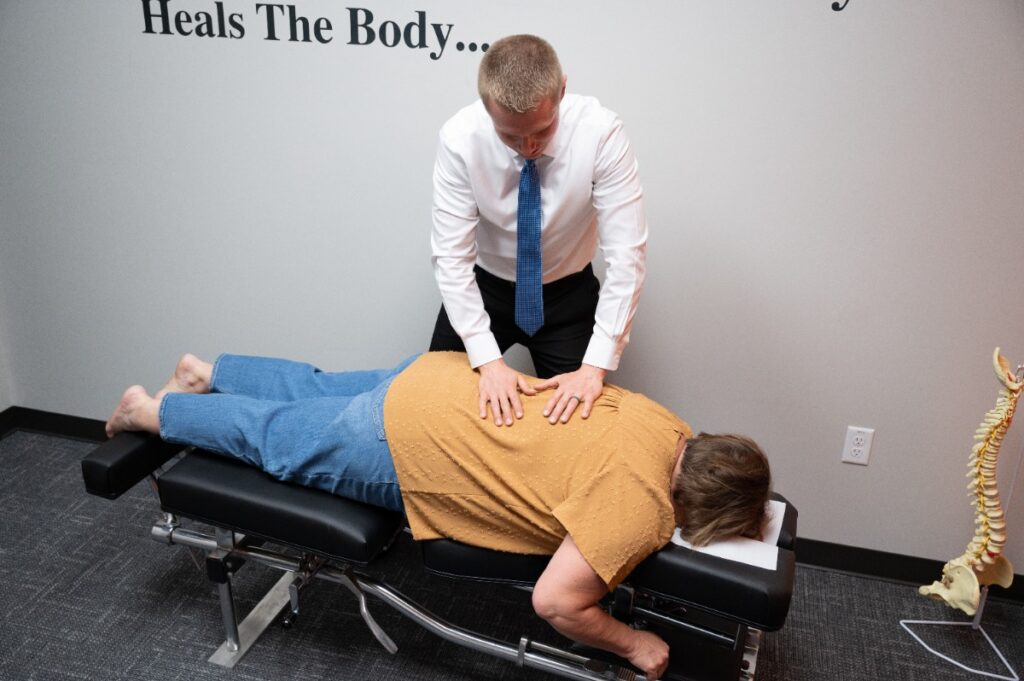

If you're struggling with chronic tension headaches, you might find that traditional treatments haven't provided the relief you need. Chiropractic care offers a different approach by focusing on spinal alignment and muscle tension. With techniques like spinal adjustments and soft tissue therapy, many have experienced significant improvements. But how do these methods actually work, and what can you expect from regular visits? Understanding these aspects could be key to finding lasting relief and enhancing your overall well-being.
Understanding Chronic Tension Headaches
Chronic tension headaches can be a frustrating and debilitating experience, especially when they disrupt your daily life. You might find yourself struggling to concentrate at work or enjoying leisure activities due to the constant pressure and discomfort. Understanding what triggers these headaches is vital for managing them effectively.
Often, chronic tension headaches arise from muscle tension in the neck, shoulders, and scalp. Stress, poor posture, and prolonged screen time can contribute to this tension, leading to the dull, aching pain that characterizes these headaches. You may notice that your headaches worsen with fatigue or emotional strain, which highlights the connection between mental and physical stressors.
Recognizing the symptoms is essential. These headaches usually manifest as a persistent, mild to moderate pain that feels like a tight band around your head. Unlike migraines, they typically don't come with nausea or sensitivity to light. Keeping track of when your headaches occur can help you identify patterns and potential triggers, whether they stem from long hours at your desk or skipping meals.
Lifestyle factors also play a significant role. You mightn't realize how dehydration, lack of sleep, or muscle strain can contribute to your headache frequency and intensity.
Role of Chiropractic Care
Chiropractic care plays an essential role in managing chronic tension headaches by focusing on spinal alignment techniques and soft tissue therapy.
These approaches can help relieve tension and improve overall neck and back function.
Spinal Alignment Techniques
Spinal alignment techniques play an essential role in managing tension headaches by addressing misalignments in the cervical spine. When your spine is properly aligned, it helps relieve pressure on nerves and reduces muscle tension, which can trigger headaches.
Chiropractors use various methods to correct these misalignments, including spinal adjustments, mobilization, and specific exercises tailored to your needs.
During an adjustment, your chiropractor will apply controlled force to specific joints in your spine, often resulting in a popping sound. This technique can restore proper alignment, improve your range of motion, and promote better overall spinal health. You might also experience immediate relief from headache symptoms.
In addition to adjustments, your chiropractor may recommend exercises to strengthen your neck and upper back muscles. These exercises can help support your spine and maintain alignment over time, reducing the likelihood of future headaches.
Regular visits and consistent care can enhance the effectiveness of these spinal alignment techniques. By actively participating in your treatment plan, you can take control of your headache management and improve your overall quality of life.
Soft Tissue Therapy
Utilizing soft tissue therapy is an essential aspect of chiropractic care for managing tension headaches. This approach focuses on relieving muscle tension and improving blood flow, which can greatly reduce headache frequency and intensity.
When you visit your chiropractor, they may use various techniques, including massage, myofascial release, and trigger point therapy, to target the muscles in your neck, shoulders, and upper back.
These soft tissue treatments help break up tight knots and improve the flexibility of your muscles. By alleviating this tension, you're likely to experience less pain and discomfort associated with chronic tension headaches.
Additionally, your chiropractor may offer advice on stretches and exercises you can perform at home to maintain muscle health.
Incorporating soft tissue therapy into your overall chiropractic care can enhance the effectiveness of spinal adjustments and other treatments. This holistic approach not only addresses the symptoms but also targets the underlying causes of your headaches.
Spinal Adjustments Explained
Many people find relief from chronic tension headaches through spinal adjustments, a key technique in chiropractic care. This process involves the application of controlled force to specific joints in your spine, which can help restore proper alignment and function. By doing so, spinal adjustments aim to alleviate tension and pressure that may contribute to your headaches.
You might wonder how spinal adjustments work and what benefits they can offer. Here are some key points to take into account:
- Restores Alignment: Misalignments in your spine can lead to nerve irritation and muscle tension. Adjustments help correct these misalignments.
- Improves Mobility: Regular adjustments can enhance your spinal mobility, making it easier for you to perform daily activities without discomfort.
- Reduces Muscle Tension: By relieving pressure on surrounding muscles, spinal adjustments can reduce overall muscle tightness, which may be contributing to your headaches.
- Promotes Overall Wellness: Many patients report not only headache relief but also improved mood and energy levels following adjustments.
As you undergo spinal adjustments, your chiropractor will assess your individual needs and tailor the treatment accordingly.
You'll likely receive a combination of adjustments aimed at relieving tension in your neck and upper back, which are common areas that contribute to tension headaches.
Regular visits can lead to long-term relief, helping you regain control over your life and reducing the frequency and intensity of your headaches.
Soft Tissue Techniques
Soft tissue techniques are essential tools in chiropractic care that focus on relieving tension and pain in the muscles and connective tissues. When dealing with chronic tension headaches, these techniques can effectively target the underlying muscle tightness that contributes to your discomfort. By addressing the soft tissues, you can often experience significant relief and improved function.
One common technique is myofascial release, where gentle sustained pressure is applied to the fascia, helping to release restrictions and improve blood flow. This method can alleviate muscle tightness and enhance flexibility, making it easier for you to manage headache triggers.
Another effective approach is trigger point therapy, which involves applying pressure to specific points in the muscle that are hyper-irritable. By releasing these trigger points, you may find a reduction in pain radiating to your head.
Additionally, stretching techniques can also be beneficial. Your chiropractor might guide you through specific stretches aimed at loosening tight neck and shoulder muscles, which are often culprits in tension headaches. These techniques can promote relaxation and improve your overall range of motion.
Incorporating soft tissue techniques into your chiropractic care can lead to improved muscle function and reduced headache frequency. By addressing the muscular components of your tension headaches, you're taking a proactive step toward lasting relief.
Always communicate with your chiropractor about your symptoms and preferences to tailor your treatment plan effectively.
Posture Correction Strategies
Posture correction strategies play an essential role in managing chronic tension headaches. When you maintain proper posture, you reduce the strain on your neck and shoulders, which can often lead to headache symptoms. By focusing on your body alignment throughout the day, you can greatly decrease tension and discomfort.
Here are some effective strategies you can implement:
- Ergonomic Workspace Setup: Adjust your chair, desk, and computer screen to promote a neutral spine position. Your monitor should be at eye level, and your feet should rest flat on the floor.
- Regular Breaks: Schedule short breaks every hour to stand up, stretch, and reset your posture. This helps alleviate built-up tension and keeps your muscles relaxed.
- Mindful Sitting: Pay attention to how you sit. Avoid slouching by keeping your back straight and shoulders relaxed. Consider using a lumbar roll or cushion for added support.
- Strengthening Exercises: Engage in exercises that strengthen your core and upper back muscles. A strong core supports better posture and reduces the likelihood of strain.
Implementing these strategies can create a foundation for lasting relief from chronic tension headaches. By consciously adjusting your posture and incorporating these techniques into your daily routine, you'll not only feel better but also enhance your overall well-being.
Lifestyle and Stress Management
Managing your lifestyle and stress is essential for alleviating chronic tension headaches.
You'll find that incorporating stress reduction techniques, setting up an ergonomic workspace, and practicing mindfulness can make a significant difference.
Let's explore how these strategies can enhance your overall well-being.
Stress Reduction Techniques
Incorporating stress reduction techniques into your daily routine can markedly alleviate the frequency and intensity of chronic tension headaches.
By managing stress effectively, you can improve your overall well-being and reduce headache triggers. Here are some techniques you can easily integrate into your life:
- Deep Breathing: Take a few minutes each day to practice deep breathing exercises. Inhale deeply through your nose, hold for a moment, and then exhale slowly through your mouth.
- Mindfulness Meditation: Spend time focusing on the present moment. This practice can help you detach from daily stressors and promote relaxation.
- Physical Activity: Regular exercise, even a brisk walk, can release endorphins, which act as natural pain relievers and reduce stress levels.
- Time Management: Prioritize your tasks and set realistic goals. This can help you feel more in control, reducing feelings of overwhelm.
Ergonomic Workspace Setup
Creating an ergonomic workspace can greatly reduce the strain on your body and help prevent chronic tension headaches.
Start by adjusting your chair. It should support your lower back, allowing your feet to rest flat on the floor. If needed, use a footrest to maintain proper posture.
Next, position your computer monitor at eye level, about an arm's length away. This prevents neck strain and allows you to keep your head in a neutral position. If you use a laptop, consider a laptop stand and an external keyboard and mouse. This setup helps you maintain a comfortable posture.
Don't forget about your desk. Make sure it's at a height where your elbows can rest comfortably at a 90-degree angle while typing. Keep frequently used items within easy reach to avoid unnecessary stretching.
Lighting also plays a role. Use adequate lighting to reduce eye strain, and consider using an anti-glare screen if necessary.
Finally, take regular breaks to stretch and move around. These adjustments can considerably improve your comfort and reduce the likelihood of tension headaches.
Mindfulness and Relaxation Practices
Mindfulness and relaxation practices can greatly alleviate chronic tension headaches by reducing stress and promoting a sense of calm.
Incorporating these techniques into your daily routine can help you manage your headaches more effectively. Here are a few practices you might consider:
- Deep Breathing: Focus on slow, deep breaths to help relax your muscles and mind.
- Meditation: Spend a few minutes each day in quiet reflection to center your thoughts and reduce anxiety.
- Progressive Muscle Relaxation: This involves tensing and then relaxing each muscle group, helping you release built-up tension.
- Gentle Yoga or Stretching: Engaging in gentle movements can help relieve physical tension and improve your overall well-being.
Ergonomics in Daily Life
When it comes to managing chronic tension headaches, paying attention to ergonomics in your daily life can make a considerable difference. You mightn't realize it, but how you sit, stand, and move can directly impact the frequency and severity of your headaches.
Start by evaluating your workstation. If you spend long hours at a desk, make sure your chair supports your lower back and keeps your feet flat on the floor. Position your computer screen at eye level to prevent neck strain; an improper setup can lead to unnecessary tension.
Take breaks regularly to stretch and change positions. Every hour, stand up, stretch your arms and legs, and walk around for a few minutes. This simple act can relieve muscle tightness and promote better circulation, reducing the risk of tension headaches.
Additionally, pay attention to how you carry your bags. Instead of slinging a heavy purse or backpack over one shoulder, consider using a backpack with supportive straps or switching sides regularly. This can help maintain balance and prevent neck and shoulder tension.
Finally, be mindful of your posture throughout the day. Whether you're sitting, standing, or walking, keeping your shoulders relaxed and your head aligned with your spine can greatly reduce tension.
Benefits of Regular Chiropractic Visits
Regular chiropractic visits can greatly enhance your efforts in managing chronic tension headaches. By incorporating these visits into your routine, you can experience a range of benefits that contribute to your overall well-being. Chiropractic care focuses on aligning your spine and improving your body's function, which can greatly alleviate headache symptoms.
Here are some key benefits of regular chiropractic visits:
- Pain Relief: Chiropractic adjustments can reduce muscle tension and improve blood flow, helping to relieve pain associated with tension headaches.
- Improved Posture: Regular adjustments can correct postural issues, reducing strain on your neck and shoulders, which are common headache triggers.
- Stress Reduction: Chiropractic care often includes techniques for relaxation and stress management, which can lessen the frequency and intensity of headaches.
- Better Sleep: Enhanced spinal alignment can lead to improved sleep quality, allowing your body to recover and reducing headache occurrences.
Evidence-Based Research
When it comes to managing chronic tension headaches, understanding the evidence behind chiropractic treatments is essential.
You'll find that various studies highlight the efficacy of these approaches, providing insights into effective treatment protocols.
Let's explore how these findings can guide your decision-making for headache relief.
Chiropractic Efficacy Studies
Chiropractic efficacy studies provide valuable insights into the effectiveness of chiropractic care for chronic tension headaches.
These studies examine how chiropractic adjustments and therapies impact headache frequency, intensity, and overall patient satisfaction. You'll find that the research often highlights key benefits, helping you make informed decisions about your care.
Consider the following points from recent studies:
- Reduction in headache frequency: Many patients report fewer headaches after receiving chiropractic treatment.
- Improved pain intensity: Patients often experience a noticeable decrease in the severity of their headaches.
- Enhanced quality of life: Regular chiropractic care contributes to better overall well-being and daily functioning.
- Patient satisfaction: High satisfaction rates indicate that many find chiropractic care a viable option for managing their headaches.
Treatment Protocols Overview
Exploring evidence-based treatment protocols for chronic tension headaches reveals a range of effective strategies tailored to individual patient needs.
You'll find that chiropractic care often combines spinal manipulation, soft tissue therapies, and lifestyle modifications to alleviate your symptoms.
Spinal manipulation aims to improve spinal alignment and reduce muscle tension, which can directly impact headache frequency and intensity. Research shows that regular adjustments can considerably decrease headache occurrences for many patients.
Soft tissue therapies, such as myofascial release and trigger point therapy, address muscle tightness and improve blood flow, which may also help lessen headache pain.
In addition to hands-on techniques, chiropractors often recommend lifestyle changes, including ergonomic assessments of your workspace, stress management techniques, and stretches to incorporate into your daily routine.
It's essential to note that treatment protocols should be personalized. What works for one person may not work for another, so your chiropractor will assess your specific situation and adjust the approach as needed.
Finding the Right Chiropractor
Finding the right chiropractor can feel overwhelming, but it's essential for effectively managing chronic tension headaches. With so many options out there, how do you choose one that suits your needs? Start by considering a few key factors that can help streamline your search.
First, look for chiropractors who specialize in treating headaches or musculoskeletal issues. Their expertise can make a significant difference in your treatment plan. Next, check their credentials and experience. You want someone well-trained and recognized in the field.
Here are a few tips to help you find the right fit:
- Ask for Recommendations: Speak with friends, family, or healthcare providers. Personal referrals can provide valuable insights into a chiropractor's approach and effectiveness.
- Read Reviews: Check online platforms for patient reviews. This can give you a sense of their reputation and how they interact with clients.
- Schedule a Consultation: Many chiropractors offer initial consultations. Use this opportunity to ask questions and gauge your comfort level with their approach.
- Evaluate the Office Environment: Pay attention to the office atmosphere. A welcoming and professional environment can enhance your overall experience.
Ultimately, trust your instincts. You should feel comfortable and confident in your chiropractor's abilities. Taking the time to find the right chiropractor can lead to effective relief from your chronic tension headaches, improving your quality of life.
Conclusion
To summarize, chiropractic care offers a holistic approach to managing chronic tension headaches by addressing both spinal alignment and muscle tension. By incorporating spinal adjustments, soft tissue techniques, and posture correction into your routine, you can experience significant relief. Regular visits not only help reduce headache intensity but also enhance your overall well-being. If you're struggling with tension headaches, consider seeking a qualified chiropractor who can tailor a treatment plan that suits your needs and lifestyle.