
If you're struggling with back pain, you might wonder if lasting relief is truly achievable. Many people share your frustration, and the journey to comfort often involves exploring multiple avenues. You may need to contemplate a blend of traditional treatments, alternative therapies, and lifestyle adjustments. But what exactly does that look like, and how do you determine the best path for your situation? The answers may surprise you, as they challenge some common beliefs about back pain management.
Understanding Back Pain
What causes back pain, and why does it affect so many people? Back pain impacts a significant portion of the population, and understanding its complexities can help you find relief. It often arises from a combination of physical, emotional, and lifestyle factors that overlap in unexpected ways. Your body is intricate, with muscles, ligaments, discs, and nerves working together to support movement and posture. When any of these components are strained or damaged, you may experience discomfort.
You mightn't realize that your daily habits can contribute to back pain. Poor posture while sitting or standing, for example, can lead to misalignments that strain your back muscles. Additionally, stress and anxiety can manifest as physical tension in your body, causing tightness and pain in your back.
Even a lack of regular exercise can weaken your core muscles, making it harder for your back to support your spine effectively. Understanding back pain also involves recognizing that it's not merely a physical issue. Emotional well-being plays an important role in how you perceive and cope with pain. If you're feeling overwhelmed or stressed, it can amplify your discomfort.
As a result, a holistic approach that addresses both physical and emotional factors is essential. By acknowledging the multifaceted nature of back pain, you're taking the first step toward finding effective relief strategies tailored to your needs. Remember, understanding your body and its signals is key to managing and alleviating back pain.
Common Causes of Back Pain
Back pain can crop up for a variety of reasons, and understanding these common causes can help you pinpoint what might be affecting you. One of the most frequent culprits is poor posture. If you spend long hours slouched over a computer or hunched while texting, you might strain your back without even realizing it.
Another common cause is muscle or ligament strain. Lifting heavy objects incorrectly, sudden awkward movements, or even a simple cough can lead to those annoying and painful strains. If you've recently started a new workout routine, overexertion can also contribute to back pain.
Injuries from sports or accidents can also lead to persistent discomfort. Whether it's a fall, a car accident, or a slip on an uneven surface, these incidents can damage your back's structure and lead to ongoing pain.
Additionally, age plays a significant role; as you get older, your spine undergoes natural wear and tear, which can cause conditions like arthritis.
Furthermore, underlying medical conditions such as herniated discs, sciatica, or osteoporosis can manifest as back pain. If you have a chronic condition, it's crucial to consult with a healthcare professional to understand how it might be impacting your back.
Lastly, lifestyle factors like obesity and lack of physical activity can exacerbate back pain. Maintaining a healthy weight and staying active can help reduce strain on your back and improve your overall health.
Traditional Treatment Options
If you've identified the causes of your back pain, it's time to explore traditional treatment options that can provide relief. Many people turn to over-the-counter medications like ibuprofen or acetaminophen as an initial step. These can help reduce inflammation and alleviate pain.
However, if your pain persists, you might want to consult a healthcare professional for prescription medications, which could include stronger pain relievers or muscle relaxants.
Physical therapy is another cornerstone of traditional treatment. A physical therapist can design a personalized exercise program to strengthen your back muscles, improve flexibility, and enhance your posture. This approach not only addresses your current pain but also helps prevent future episodes.
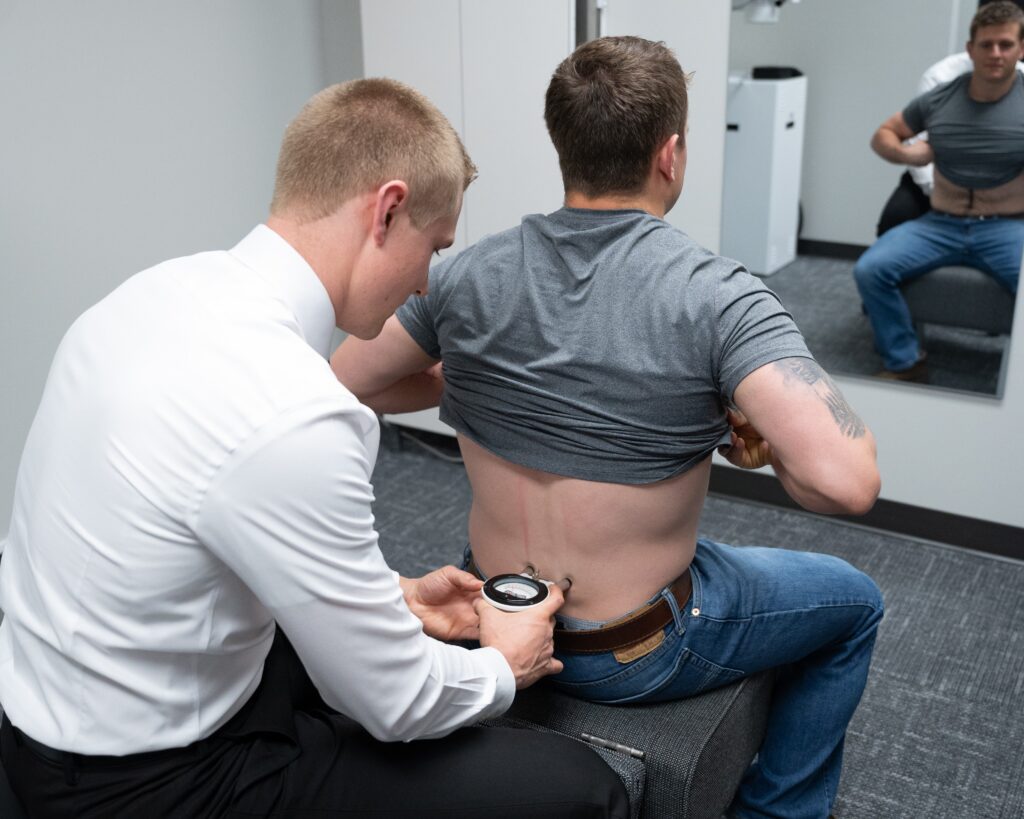
Chiropractic care is widely recognized for treating back pain as well. Chiropractors use spinal manipulation techniques to realign your spine, potentially relieving pressure on nerves and reducing discomfort. If you're considering this route, make sure to choose a licensed and experienced practitioner.
In some cases, your doctor might recommend injections, such as corticosteroids, to reduce inflammation in specific areas of your spine. While these can provide temporary relief, they should be seen as part of a broader treatment strategy.
Finally, if conservative treatments fail, surgery may be an option, particularly for conditions like herniated discs or spinal stenosis. Always discuss the risks and benefits of any procedure with your doctor to verify it's the right choice for you.
Taking these traditional steps can considerably improve your quality of life and help you manage your back pain effectively.
Alternative Therapies
Exploring alternative therapies can offer additional avenues for relief from back pain, especially if traditional treatments haven't fully worked for you. These therapies often focus on holistic approaches, addressing not just the physical symptoms but also the emotional and psychological aspects of pain.
One popular alternative is acupuncture. This ancient Chinese practice involves inserting thin needles into specific points on the body to promote healing and relieve pain. Many people find that regular sessions can greatly reduce their back pain and improve mobility.
Chiropractic care is another option. Chiropractors focus on spinal alignment and may use adjustments to alleviate discomfort. Many patients report immediate relief after treatments, and ongoing care can help maintain better spine health.
Massage therapy is often overlooked but can be incredibly effective. Therapeutic massage targets muscle tension and promotes relaxation. A skilled therapist can help release tightness in the muscles surrounding the spine, leading to improved flexibility and reduced pain.
Additionally, practices like yoga and tai chi emphasize gentle movement and stretching, which can enhance your strength and flexibility while promoting relaxation. These practices not only help relieve back pain but also improve your overall well-being.
Lastly, herbal remedies and supplements, such as turmeric or omega-3 fatty acids, may provide anti-inflammatory benefits. However, it's important to consult with a healthcare provider before starting any new supplement.
Incorporating these alternative therapies into your routine might just be the key to finding the relief you've been seeking for your back pain.
Lifestyle Changes for Relief
Making lifestyle changes can considerably impact your back pain relief journey. Start by evaluating your daily habits. Sedentary lifestyles can worsen back pain, so incorporate more movement into your day. Whether it's taking short walks, stretching, or engaging in light exercises, staying active helps strengthen your back muscles and improves flexibility.
Next, pay attention to your posture. Poor posture can lead to chronic pain, so make a conscious effort to sit and stand with your back straight. When you're working at a desk, adjust your chair and screen height to promote ergonomic alignment. Even small changes can make a significant difference.
Nutrition plays an essential role too. A balanced diet rich in anti-inflammatory foods can help reduce pain. Focus on fruits, vegetables, whole grains, and lean proteins, and stay hydrated. Avoid excessive sugar and processed foods, as they can contribute to inflammation.
Don't underestimate the power of sleep. Aim for a restful night's sleep, as it's essential for recovery. Invest in a supportive mattress and pillow, and try to establish a consistent sleep schedule. Creating a calming bedtime routine can also enhance your sleep quality.
Lastly, manage stress effectively. Chronic stress can contribute to muscle tension and exacerbate pain. Incorporate relaxation techniques such as meditation, deep breathing exercises, or yoga into your daily routine.
Importance of Professional Guidance
When you're dealing with back pain, getting professional guidance is essential.
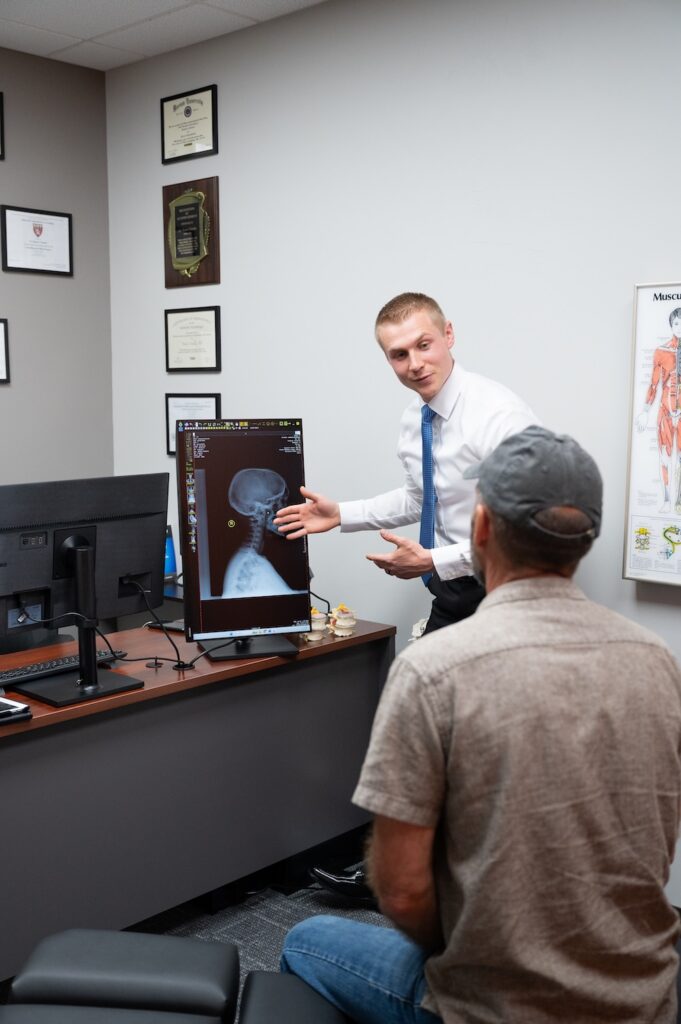
An expert can provide an accurate diagnosis and create a tailored treatment plan just for you.
Plus, having ongoing support guarantees you stay on track for lasting relief.
Expert Diagnosis Matters
Often, people underestimate the importance of a professional diagnosis when it comes to back pain. Many assume they can self-diagnose or rely on online resources, but this can lead to ineffective treatments or worsening conditions.
Getting a proper diagnosis from a healthcare professional is vital for several reasons:
- Identify the root cause: Understanding whether your pain stems from muscle strain, herniated discs, or something else entirely is essential.
- Avoid misdiagnosis: A professional can differentiate between various conditions that might seem similar but require different approaches.
- Prevent further injury: With proper guidance, you can avoid activities that may aggravate your condition.
- Set realistic expectations: A clear diagnosis helps you understand what to expect regarding recovery and treatment outcomes.
Tailored Treatment Plans
Tailored treatment plans are essential for effectively managing back pain. When you seek professional guidance, a healthcare provider assesses your unique situation, taking into account your medical history, lifestyle, and specific symptoms. This personalized approach allows them to identify the root cause of your pain, leading to more effective interventions.
With a tailored plan, you'll likely incorporate a combination of treatments, such as physical therapy, medication, and lifestyle modifications. These plans not only address your immediate discomfort but also promote long-term health. For example, a physical therapist might design a specific exercise regimen that strengthens your core and improves flexibility, helping to prevent future flare-ups.
Moreover, tailored treatment plans can adapt over time. As you progress, your healthcare provider can adjust your plan based on how you respond to treatment, ensuring you're always on the right path to recovery. This ongoing evaluation is crucial.
Following a one-size-fits-all approach can leave you frustrated, as it often fails to address your unique needs. By committing to a tailored plan, you're taking an important step towards finding lasting relief and enhancing your overall quality of life.
Ongoing Support Essential
Ongoing support from healthcare professionals is essential for anyone managing back pain, as it helps guarantee you stay on the right track throughout your recovery journey.
Having a professional by your side provides a safety net, ensuring that you're following the best practices tailored to your specific needs.
Consider these fundamental aspects of ongoing support:
- Regular Check-Ins: Frequent appointments can help monitor your progress and make necessary adjustments to your treatment plan.
- Expert Guidance: Professionals can share insights on effective exercises, posture corrections, and lifestyle changes that can greatly alleviate your pain.
- Emotional Support: Chronic pain can take a toll on your mental health. Having someone who understands your struggles can provide encouragement and motivation.
- Access to Resources: Healthcare providers often have access to a network of specialists, therapies, and tools that can enhance your recovery process.
Latest Research Insights
Recent studies are uncovering innovative treatment approaches that could change how you manage back pain.
They're also highlighting the importance of the mind-body connection and how it plays a role in your recovery.
Plus, researchers are identifying effective preventive measures and strategies to help you avoid future issues.
Innovative Treatment Approaches
As researchers explore the complexities of back pain, innovative treatment approaches are emerging that promise to reshape how we manage this pervasive issue.
You might be surprised to learn that traditional methods are being enhanced by cutting-edge techniques that cater to individual needs.
Here are some of the latest advancements you should know about:
- Regenerative Medicine: Techniques like platelet-rich plasma (PRP) therapy leverage your body's healing properties to reduce pain and promote recovery.
- Neuromodulation: Devices that stimulate nerves can help alter pain signals, offering relief without the need for surgery.
- Virtual Reality Therapy: Immersive experiences are being used to distract from pain and promote relaxation, showing promising results in clinical trials.
- Biologics: New medications derived from biological sources aim to target inflammation and pain at the source, potentially minimizing side effects.
Staying informed about these approaches could empower you to discuss options with your healthcare provider.
Mind-Body Connection
Emerging research underscores the powerful interplay between the mind and body in managing back pain. You mightn't realize it, but your mental state can greatly influence your physical discomfort.
Studies show that anxiety, stress, and depression can amplify pain perception, making you feel worse than you actually are. When you're stressed, your muscles tense up, which can lead to or exacerbate back pain.
Mindfulness practices like meditation and deep breathing exercises have been shown to reduce stress and, consequently, lower pain levels. By fostering a positive mental attitude, you can enhance your body's natural ability to heal.
Cognitive-behavioral therapy (CBT) is another effective tool that helps you reframe negative thoughts about pain, empowering you to face it with a more resilient mindset.
Incorporating these techniques into your daily routine not only helps alleviate your back pain but also promotes overall wellness.
Remember, it's not just about treating the physical symptoms; addressing the mental aspects can lead to more lasting relief.
Preventive Measures and Strategies
How can you effectively prevent back pain before it starts? By incorporating a few strategies into your daily routine, you can greatly reduce your risk.
Research shows that proactive measures not only help you avoid pain but also promote overall well-being. Here are some key strategies to reflect on:
- Maintain Good Posture: Whether you're sitting at a desk or lifting objects, keeping your spine aligned can prevent unnecessary strain.
- Stay Active: Regular exercise strengthens your back muscles and improves flexibility. Aim for activities like walking, swimming, or yoga.
- Use Ergonomic Furniture: Invest in a good chair and desk setup to support your back while working, especially if you spend long hours in front of a computer.
- Practice Stretching: Incorporate stretching into your daily routine to keep your muscles flexible and reduce tension.
Conclusion
In your journey to find lasting relief from back pain, remember that a combination of traditional and alternative treatments, along with lifestyle changes, can make a significant difference. Don't underestimate the power of professional guidance to create a tailored plan just for you. Stay proactive, explore different therapies, and prioritize your well-being. With the right approach, you can take control of your pain and improve your quality of life. You deserve to feel good and move freely!