
If you’ve ever experienced whiplash, you know how debilitating the pain can be. It can feel overwhelming, but there are effective ways to manage and relieve that discomfort naturally and quickly, especially through chiropractic care. Understanding the right approach can significantly enhance your recovery journey. So, what steps should you take first?
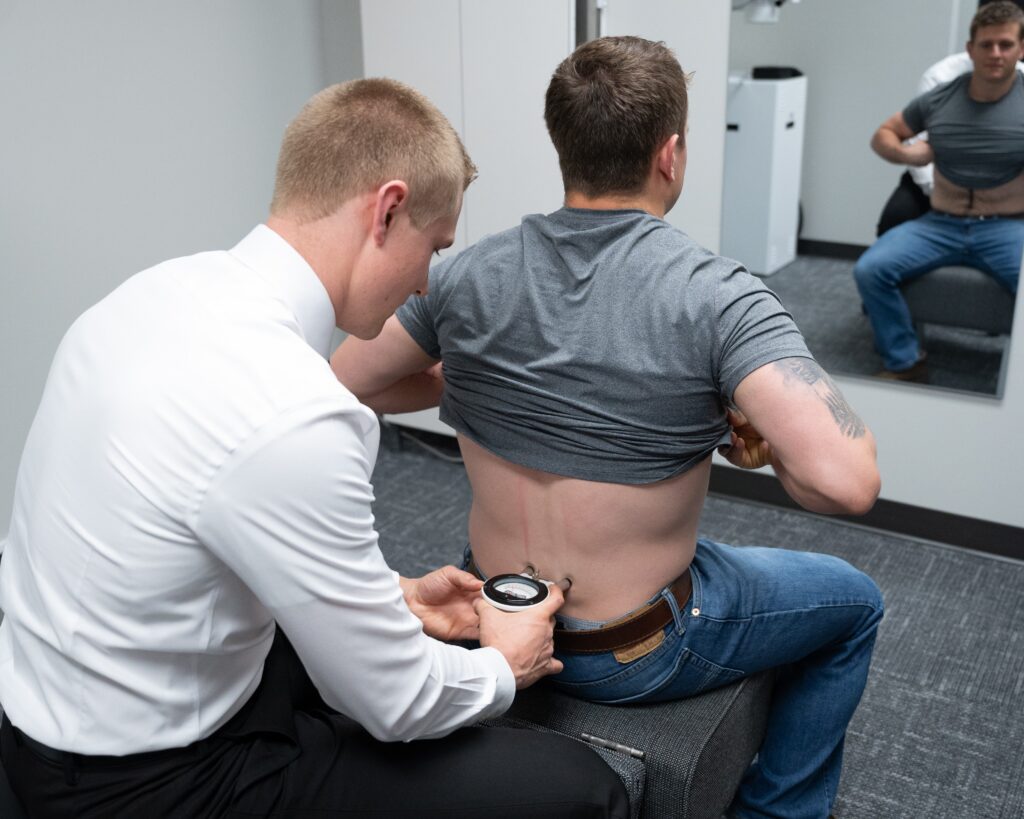
Chiropractic adjustments are one of the most beneficial methods for addressing whiplash pain. By aligning your spine and neck, a chiropractor can help restore proper function to your musculoskeletal system, which can lead to faster relief from pain and stiffness. Regular chiropractic sessions not only alleviate immediate discomfort but also promote long-term healing and wellness.
In addition to chiropractic care, there are several general tips and tricks you can implement to help manage your pain:
- Ice Therapy: Applying ice packs to the affected area for 15-20 minutes can reduce inflammation and numb the pain. Just remember to wrap the ice in a cloth to protect your skin.
- Gentle Stretching: Engaging in gentle neck stretches can improve flexibility and reduce muscle tension. Always listen to your body and avoid any movements that exacerbate your pain.
- Posture Awareness: Being mindful of your posture, especially if you sit for long periods, can greatly impact your neck and spine health. Make sure your workstation is ergonomically friendly to support your body.
- Hydration: Staying well-hydrated helps maintain the health of your spinal discs, which can alleviate pressure on your nerves.
- Rest and Relaxation: Giving your body time to heal is crucial. Make sure to prioritize rest and engage in relaxation techniques, like deep breathing or gentle yoga, to help manage stress levels.
Incorporating chiropractic care into your recovery plan can be a game-changer, providing you with the tools to achieve optimal health and wellness. With the right approach, you can regain control over your pain sooner than you might expect. Remember, you’re not alone in this journey, and taking proactive steps can lead to significant improvements in your well-being.
Key Takeaways
- Early diagnosis and chiropractic care are vital in achieving fast relief from whiplash pain. By focusing on the root causes of your symptoms, we can help you feel better more quickly.
- Gentle movements and stretches are essential right after an injury. Combined with ice application, these techniques can help reduce swelling and improve your flexibility, leading to a quicker recovery.
- Chiropractic adjustments are particularly effective in restoring spinal alignment and function. By addressing misalignments, we can manage your pain more effectively and significantly reduce muscle spasms.
- After the first few days, incorporating heat therapy can be incredibly beneficial. It helps to soothe sore muscles and enhances your overall comfort during the healing process.
- Remember to prioritize self-care strategies such as staying hydrated, maintaining good posture, and ensuring you get restorative sleep. These habits not only support your recovery but can also help alleviate pain more rapidly.
Chiropractic care is a natural and effective approach to achieving optimal health and wellness. By choosing this path, you’re taking a significant step towards feeling your best and living pain-free.
Understanding Whiplash and Its Symptoms
When you experience a sudden jolt, such as during a car accident, your neck can be thrown back and forth, which may lead to whiplash. This type of injury can cause discomfort that many people notice, including pain, stiffness, and a limited range of motion in the neck.
You might also experience headaches, fatigue, or even dizziness. These symptoms can show up right away or take a few days to appear, so it’s important to listen to your body after any impact.
If you find it difficult to concentrate or are having trouble sleeping due to discomfort, know that whiplash is more than just a minor issue; it can significantly impact your daily life. Many people benefit from adjusting their activities and seeking natural solutions to manage pain effectively.
Chiropractic care is a fantastic option for addressing whiplash symptoms. Chiropractors specialize in spinal health and can help realign your neck and spine, promoting natural healing and restoring your range of motion.
Here are some general tips to support your recovery:
- Stay Active: Gentle movements and stretches can help maintain flexibility in your neck. Just be sure to avoid any activities that worsen your pain.
- Ice and Heat: Applying ice packs in the first couple of days after the injury can reduce swelling. After that, heat can help soothe the muscles.
- Posture Awareness: Pay attention to how you sit and stand. Good posture can alleviate stress on your neck and support healing.
- Regular Chiropractic Visits: Regular adjustments can help ease pain and promote healing. Your chiropractor can develop a personalized treatment plan that focuses on your specific needs.
- Listen to Your Body: If you feel discomfort, don’t push through it. Rest is essential for healing.
The Importance of Early Diagnosis
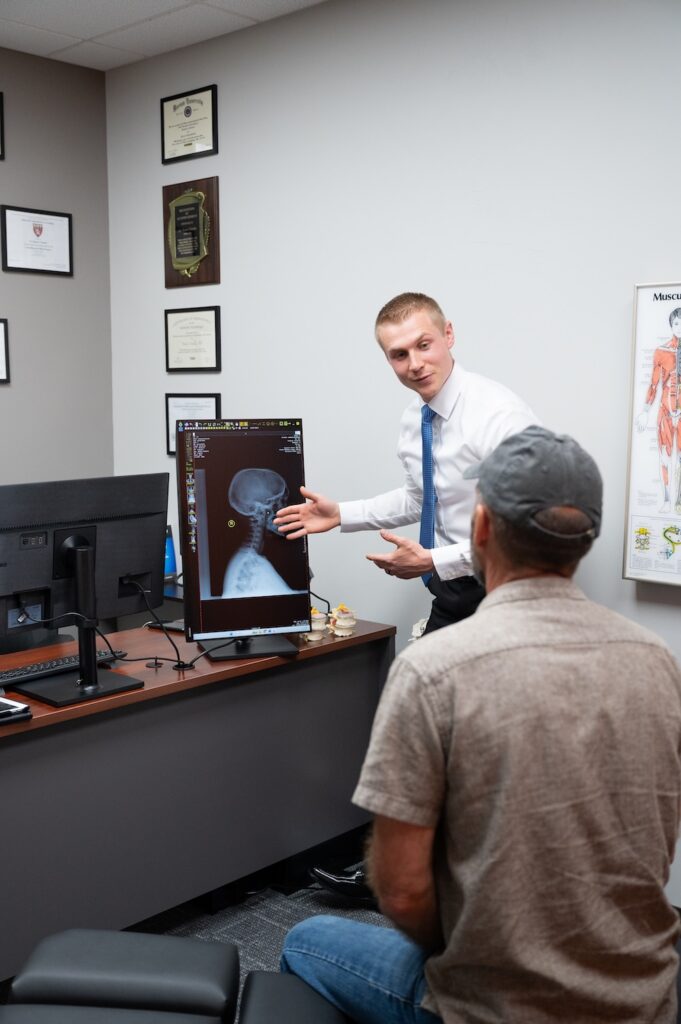
Getting an early diagnosis for whiplash is crucial for your recovery, and as a local chiropractor, I want to emphasize the importance of addressing your symptoms promptly.
When you seek timely chiropractic care, you not only manage your pain effectively but also prevent further complications that can arise from worsening symptoms.
Chiropractic care focuses on the root cause of your discomfort, helping to restore proper alignment and function to your spine. By evaluating your symptoms right away, we can develop a personalized treatment plan that may include gentle adjustments, therapeutic exercises, and lifestyle recommendations.
Here are some general tips to help you while you’re on the path to recovery:
- Stay Active: Gentle movement can help maintain flexibility and reduce stiffness. Simple stretches or light activities like walking can be beneficial.
- Ice and Heat: Applying ice to the affected area can help reduce inflammation, while heat can promote blood flow and relaxation. Alternate between the two as needed.
- Posture Awareness: Be mindful of your posture, especially if you’re sitting for long periods. Maintaining good posture can reduce strain on your neck and back.
- Stay Hydrated: Drinking plenty of water supports overall health and can aid in healing.
- Listen to Your Body: Pay attention to how your body responds to different activities and adjust accordingly to avoid aggravating your symptoms.
By seeking chiropractic care early, you can start your journey towards optimal health and wellness without the need for medications or invasive procedures.
Timely Medical Intervention
Whiplash injuries may seem minor at first, but it’s crucial to seek timely care to ensure a smooth recovery. When you visit a chiropractor shortly after the injury, we can thoroughly assess your condition and create a personalized recovery plan that addresses your specific needs.
Early intervention through chiropractic care can help prevent complications and chronic pain, allowing you to return to your daily activities more quickly.
Chiropractic care focuses on restoring proper alignment and function to the spine, which can help alleviate pain and improve mobility. Techniques such as spinal adjustments, soft tissue therapy, and gentle exercises can strengthen your neck and support your healing process.
By opting for natural methods of care, you can avoid the side effects associated with medications or invasive procedures.
It’s important not to ignore any symptoms or delay treatment, as this can lead to prolonged discomfort and a more challenging recovery. Prioritizing chiropractic care after a whiplash injury is a vital step toward regaining your quality of life.
Remember to listen to your body, practice good posture, and incorporate gentle stretches into your routine to support your healing. Don’t underestimate the benefits of acting quickly—your body will thank you!
Accurate Symptom Assessment
How can you effectively gauge the severity of whiplash symptoms? Start with a simple self-assessment of your pain levels, range of motion, and any other symptoms you might be experiencing, like headaches or dizziness.
Consider how these symptoms are impacting your daily activities. This self-check won’t only help you understand your condition better but also improve communication with your chiropractor.
Early assessment is key; the sooner you identify the severity of your symptoms, the sooner you can benefit from tailored chiropractic care.
Remember, even mild symptoms shouldn’t be overlooked, as they can develop into more significant issues if left untreated. It’s always best to consult with your chiropractor promptly. Accurate symptom evaluation allows for personalized treatment plans, which can enhance your recovery and overall well-being.
Here are a few tips to help you manage your whiplash symptoms naturally:
- Stay Active: Gentle movement can promote healing. Simple neck stretches or light exercises can help maintain your range of motion.
- Ice and Heat Therapy: Applying ice can reduce inflammation, while heat can help relieve muscle tension. Alternate between the two for the best results.
- Posture Awareness: Focus on maintaining good posture throughout the day. This can alleviate additional strain on your neck and spine.
- Stay Hydrated: Drinking plenty of water supports overall health and can aid in recovery.
- Consult Regularly: Regular visits to your chiropractor can help monitor your progress and adjust your treatment plan as needed.
Always listen to your body and trust your instincts. If something feels off, don’t hesitate to seek help. Chiropractic care is a natural and effective way to support your healing journey and promote optimal health.
Conventional Treatment Options for Whiplash
When you’re facing the discomfort of whiplash, finding the right path to recovery is crucial. As a chiropractor, I believe that effective pain management is best achieved through natural methods, and chiropractic care stands out as a top choice. Our approach focuses on adjusting the spine to relieve tension and improve mobility without the need for medications or invasive treatments.
Physical therapy techniques can also complement your recovery by helping to restore your strength and flexibility. However, it’s important to remember that chiropractic care not only addresses the symptoms of whiplash but also promotes overall wellness by supporting your body’s natural healing processes.
To enhance your recovery at home, here are some simple tips:
- Practice gentle neck stretches to improve flexibility.
- Apply heat or ice to reduce inflammation and ease pain.
- Maintain good posture to support your spine while resting or working.
- Stay hydrated and nourish your body with healthy foods that promote healing.
Pain Management Techniques
If you’re experiencing whiplash, finding effective ways to manage your pain is crucial for improving your quality of life. While there are various options available, chiropractic care stands out as a natural, holistic approach to pain relief and overall wellness. Here’s a quick overview of some techniques, with a focus on how chiropractic care can help you feel better:
| Technique | Description |
|---|---|
| Chiropractic Adjustments | Gentle spinal adjustments can restore proper alignment, reduce pain, and improve mobility. |
| Heat Therapy | Applying heat can soothe tight muscles and enhance blood flow, which is beneficial for recovery. |
| Ice Therapy | Ice packs can help minimize swelling and numb sharp pain, providing immediate relief. |
| Rest | Allowing your body time to heal is essential; rest is a key part of the recovery process. |
| Supportive Devices | Neck braces or collars can provide stability, but it’s important to complement this with chiropractic care for optimal healing. |
In addition to these techniques, it’s essential to maintain a healthy lifestyle. Here are some general tips to support your recovery:
- Stay active: Gentle stretching and movement can aid healing. Consult with your chiropractor for safe exercises.
- Practice good posture: Maintaining proper posture can prevent further strain on your neck and spine.
- Stay hydrated: Drinking plenty of water supports overall health and helps your muscles recover more effectively.
Physical Therapy Approaches
While physical therapy can be a helpful option for managing whiplash, chiropractic care stands out as the most effective and holistic approach to achieving optimal health and wellness.
As a chiropractor, I work closely with my patients to create personalized treatment plans that address their specific needs. Chiropractic care focuses on the spine and nervous system, which are crucial for overall health and wellbeing.
Through gentle adjustments, we can help restore proper alignment in your spine, relieving tension in your neck and shoulder muscles. This not only helps to reduce pain but also improves your body’s natural ability to heal itself.
In addition to adjustments, I often incorporate complementary techniques such as soft tissue therapy and lifestyle advice to enhance your recovery.
One of the key benefits of chiropractic care is that we equip you with exercises and tips to improve your posture, which is essential in preventing future injuries. Simple changes, like being mindful of how you sit or stand, can make a big difference in your comfort and mobility.
Staying committed to your chiropractic treatment plan is vital for long-term success. Make sure to communicate openly with your chiropractor about any changes you experience, as we can adjust your plan to better suit your evolving needs.
With dedication to chiropractic care, you can find relief from pain and regain your quality of life naturally and effectively. Remember, your health is your most valuable asset—invest in it with chiropractic!
Physical Therapy Techniques for Quick Relief
Chiropractic care offers a range of effective techniques for quick relief from whiplash pain, positioning it as the best choice for natural healing and overall wellness. One of the key methods we use is spinal manipulation, which involves gentle adjustments to the neck and spine. This helps to realign the vertebrae, reduce stiffness, and improve your range of motion, promoting a healthier spine and body.
In addition to spinal adjustments, we emphasize the importance of therapeutic exercises. Simple stretches and strengthening exercises can be tailored to your needs, helping to restore function and alleviate discomfort. These exercises not only assist in recovery but also empower you to take control of your health.
We also incorporate heat and cold therapy into our treatments. Applying heat can soothe tense muscles, while cold therapy can help reduce inflammation. Many patients find relief using these techniques alongside their chiropractic care.
Posture training is another critical aspect of our approach. Learning about proper body mechanics can help prevent further strain on your neck and spine, allowing you to maintain a healthy posture throughout your daily activities.
By integrating these chiropractic techniques into your recovery plan, you can experience faster relief and return to your daily life more quickly.
The Role of Medications in Managing Pain
When you’re dealing with whiplash pain, it’s important to know that there are natural ways to find relief and promote healing. While medications might provide temporary comfort, they don’t address the root cause of your pain. That’s where chiropractic care comes in as an effective solution for managing discomfort and restoring your body’s balance.
Chiropractic adjustments can help align your spine and improve mobility, which is essential for recovery from whiplash. By focusing on your body’s natural healing processes, chiropractic care aims to alleviate pain without relying on medications.
In addition to regular chiropractic treatments, there are some simple tips you can incorporate into your daily routine to help manage your pain. Gentle stretches and exercises can improve flexibility and strength in your neck and upper back.
Applying heat or cold to the affected areas can also provide soothing relief. Remember to stay hydrated and maintain good posture, especially if you’re sitting for extended periods.
Over-the-Counter Options
If you’re experiencing whiplash pain, it’s important to know that there are natural and effective ways to manage your discomfort. While over-the-counter medications like ibuprofen and naproxen may provide temporary relief, they don’t address the root cause of the pain.
Chiropractic care offers a holistic approach that focuses on spinal health and natural healing, which can help alleviate pain and promote long-term wellness. Chiropractors use hands-on techniques to adjust the spine and improve alignment, which can reduce tension and inflammation in the muscles and joints affected by whiplash. This not only helps with immediate pain relief but also supports your body’s natural healing process.
Here are some tips to help manage whiplash pain naturally:
- Stay Active: Gentle movement can help keep your neck flexible. Simple stretches and light activities can prevent stiffness.
- Apply Ice or Heat: Ice packs can reduce inflammation in the first few days after injury, while heat can soothe muscles and improve blood flow as you recover.
- Practice Good Posture: Maintaining proper posture, especially when sitting or working at a desk, can help reduce strain on your neck.
- Stay Hydrated: Drinking plenty of water supports overall health and can help keep your muscles functioning properly.
- Consider Chiropractic Care: A chiropractor can provide personalized treatment plans designed to address your specific needs, improve mobility, and support your recovery journey.
Remember, while over-the-counter options might offer temporary relief, chiropractic care provides a comprehensive approach to healing that focuses on your overall well-being.
If you have any concerns about your pain or recovery, don’t hesitate to reach out to a healthcare professional who specializes in chiropractic care. Your path to optimal health and wellness starts with understanding and addressing the root causes of your discomfort.
Prescription Medications Role
While natural remedies can be beneficial, chiropractic care is often the most effective approach to managing whiplash pain, especially when symptoms are severe or persistent.
As a chiropractor, I emphasize the importance of addressing the root cause of pain through spinal adjustments and manipulations. These techniques help alleviate tension, reduce inflammation, and promote healing without relying on medications.
Instead of turning to prescriptions like muscle relaxants or anti-inflammatory drugs, consider the power of chiropractic adjustments to restore proper alignment and function to your spine. This can lead to significant relief from muscle spasms and pain associated with whiplash.
Additionally, gentle stretching and strengthening exercises, as recommended by your chiropractor, can further support recovery.
It’s also essential to adopt healthy lifestyle habits that promote overall wellness. Staying hydrated, maintaining good posture, and incorporating regular physical activity into your routine can enhance your healing process.
Always consult with your chiropractor for personalized advice and treatment plans tailored to your specific needs.
Alternative Therapies: Acupuncture and Chiropractic Care
If you’re dealing with whiplash pain, exploring alternative therapies like chiropractic care can be a game-changer for your recovery. Chiropractic care focuses specifically on correcting misalignments in your spine and neck, which can be a major source of discomfort after an injury.
During a chiropractic session, a skilled chiropractor performs gentle manual adjustments to restore proper alignment to your spine. This helps relieve pressure on nerves and can significantly reduce pain. Many of my patients report feeling immediate relief after their first visit, and with regular adjustments, you may experience long-term benefits that promote healing and improve your overall well-being.
While acupuncture can be a helpful addition to your pain management plan, chiropractic care stands out as a safe, natural, and effective method for achieving optimal health. It not only targets the root cause of your pain but also enhances your body’s ability to heal itself.
To support your recovery, here are some simple tips to incorporate into your daily routine:
- Stay Active: Gentle movements and stretches can help keep your neck flexible. Avoid prolonged periods of inactivity.
- Posture Matters: Be mindful of your posture while sitting, standing, or using devices. Proper alignment can prevent further strain on your neck.
- Hydration is Key: Drink plenty of water to keep your spinal discs hydrated and support overall health.
- Sleep Support: Use a supportive pillow that keeps your neck in a neutral position while you sleep.
- Stress Management: Engage in relaxation techniques like deep breathing or meditation, as stress can contribute to muscle tension.
Home Remedies for Fast Relief
When you’re dealing with the discomfort of whiplash, it’s natural to seek quick relief. While there are several home remedies that can help ease your pain, it’s important to remember that chiropractic care is one of the most effective ways to promote healing and restore your body’s balance. Here are some helpful home remedies along with the benefits of chiropractic care:
| Remedy | Description |
|---|---|
| Ice Packs | Applying ice for 15-20 minutes can reduce swelling and numb pain. It’s a great starting point for relief. However, chiropractic adjustments can address the root cause of your discomfort, promoting better alignment and faster recovery. |
| Heat Therapy | After the first 48 hours, using a heating pad can help relax tight muscles. Chiropractic care can complement this by ensuring your spine is aligned, which helps in reducing tension and improving mobility. |
| Gentle Stretching | Slowly stretching your neck can improve flexibility and alleviate stiffness. A chiropractor can guide you on safe and effective stretches tailored to your specific condition, promoting optimal healing. |
| Chiropractic Care | Regular adjustments can significantly reduce pain and improve your overall wellness. By realigning the spine, chiropractic care helps relieve pressure on nerves and muscles, enhancing your body’s natural ability to heal. |
These remedies can provide immediate comfort, but listening to your body is crucial. If your pain persists or worsens, consider scheduling a visit to your chiropractor. They can offer personalized care that addresses the root cause of your discomfort, ensuring a quicker and more effective recovery. Embracing chiropractic care not only helps you feel better but also supports your journey towards optimal health and well-being.
Lifestyle Changes to Support Recovery
To support your recovery from whiplash, making some key lifestyle changes can significantly enhance your healing process. As your local chiropractor, I want to share some simple adjustments you can implement to promote natural healing and overall wellness:
1. Stay Active: Engaging in gentle exercises and stretches that I recommend can be incredibly beneficial. Staying active encourages healthy blood flow, which is essential for healing and can help relieve stiffness.
Remember, even light activities can make a big difference!
2. Maintain Good Posture: It’s important to pay attention to your posture, especially while sitting at a desk or using your phone. Proper alignment reduces strain on your neck and spine, which is crucial for recovery.
Consider setting reminders to check your posture throughout the day.
3. Prioritize Sleep: Ensuring you get enough restorative sleep is vital for your recovery. A supportive pillow and a comfortable sleeping position can help minimize neck tension, allowing your body to heal more effectively.
Aim for a sleep environment that promotes relaxation and comfort.
4. Consider Chiropractic Care: Regular visits to a chiropractor can enhance your recovery from whiplash. Chiropractic adjustments can improve spinal alignment, relieve pain, and support your body’s natural healing processes.
By focusing on your spine’s health, you can achieve better overall wellness.
5. Stay Hydrated: Drinking plenty of water is essential for keeping your body hydrated and supporting the healing process. Good hydration helps maintain the elasticity of spinal discs and can reduce discomfort.
By incorporating these lifestyle changes and considering chiropractic care, you can take proactive steps towards a healthier, pain-free life.
The Psychological Impact of Whiplash
While the physical symptoms of whiplash, such as neck pain and stiffness, are often the most noticeable, the psychological impact can be just as important to consider. Many individuals may experience feelings of anxiety, depression, or frustration during their recovery process. These emotions can influence your overall well-being, making it vital to address them alongside your physical health.
Here’s a simple breakdown of some common psychological effects of whiplash and how you can cope:
| Psychological Effects | Coping Strategies |
|---|---|
| Anxiety | Practice mindfulness meditation to calm your mind and body. |
| Depression | Consider speaking with a counselor or therapist who can help guide you through your feelings. |
| Frustration | Try journaling your feelings to express what you’re going through and gain clarity. |
| Sleep disturbances | Use relaxation techniques like deep breathing or gentle stretches before bed to promote better sleep. |
| Social withdrawal | Join support groups where you can connect with others who understand your experience. |
Recognizing and acknowledging these psychological effects is an important step towards healing. As you navigate your recovery, consider talking to someone who can provide support and understanding. It’s perfectly okay to seek help.
In addition to addressing your emotional well-being, chiropractic care can play a vital role in your recovery from whiplash. Through gentle adjustments and spinal care, chiropractors can help relieve pain, improve mobility, and reduce stress on your nervous system, which can positively impact your mental state as well.
When to Seek Further Medical Attention
Recognizing when to seek further medical attention is crucial for your recovery from whiplash, and as a chiropractor, I want to empower you to listen to your body. Many symptoms can improve naturally, but some may indicate a more serious concern that could benefit from chiropractic care. Here are a few signs to watch for:
- Severe Pain: If your pain becomes intense or unbearable, it’s important to consult with a chiropractor. We can provide natural pain relief techniques and adjustments to help alleviate discomfort.
- Numbness or Tingling: If you notice numbness, tingling, or weakness in your arms or hands, this may suggest nerve involvement. A chiropractor can assess your spinal alignment and offer treatments that support nerve function and promote healing.
- Persistent Headaches: Chronic headaches, especially those that worsen or come with changes in vision, shouldn’t be ignored. Chiropractic care can help identify the root cause of your headaches and provide natural relief through spinal adjustments and lifestyle changes.
Listening to your body is key to your recovery. Don’t overlook these symptoms; early intervention through chiropractic care can prevent complications and support a smoother healing process.
Always prioritize your health and don’t hesitate to reach out to a chiropractor if you’re uncertain about your condition.
Additionally, consider incorporating gentle stretches and maintaining good posture to promote spinal health and overall well-being.
Conclusion
To sum up, while whiplash pain can be quite uncomfortable, quick action and proactive care can lead to fast relief. As a chiropractor, I highly recommend seeking early diagnosis and exploring natural treatment options like chiropractic care and physical therapy, which can effectively alleviate discomfort. Gentle adjustments and targeted therapies can help restore proper alignment and function to your spine, promoting healing from within.
In addition to chiropractic care, consider incorporating some simple home remedies such as applying ice or heat to the affected area, practicing gentle neck stretches, and maintaining good posture throughout your day. Lifestyle changes, like staying active and managing stress, can also make a significant difference in your recovery.
It’s important to acknowledge any psychological impacts as well, as stress and anxiety can exacerbate pain. Mindfulness practices, such as deep breathing or meditation, can help ease tension and promote overall well-being.
If your symptoms persist or worsen, don’t hesitate to reach out for a chiropractic consultation. Your path to recovery begins with taking proactive steps now! Remember, chiropractic care is a safe and effective choice for achieving optimal health and wellness.