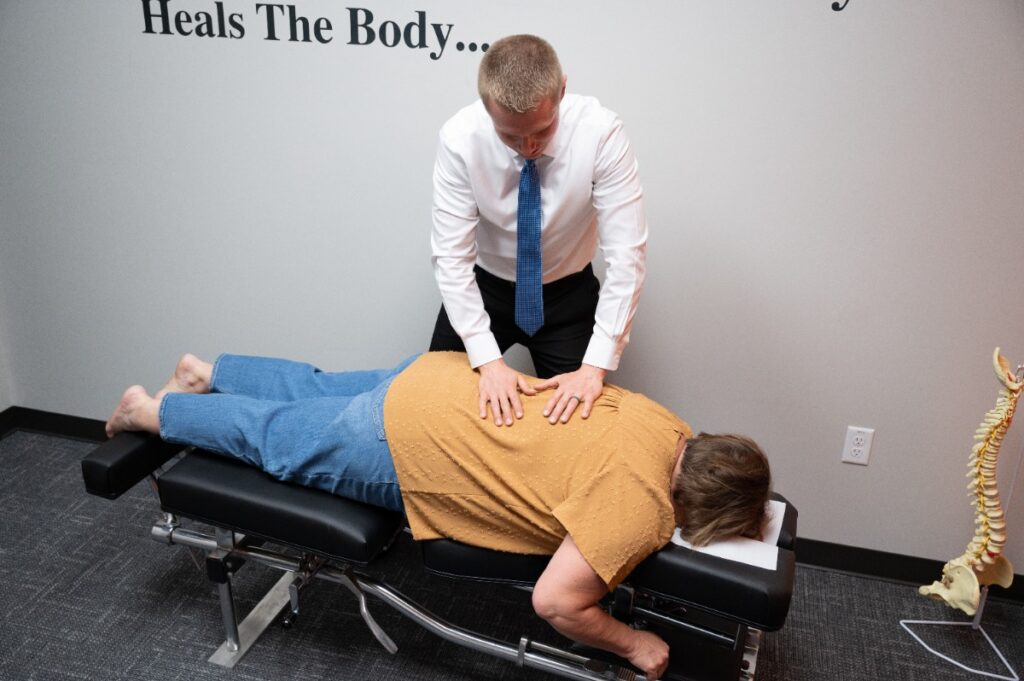
You might be surprised to learn how spinal care can influence your flexibility. Proper spinal alignment not only supports your posture but also plays an essential role in enhancing your range of motion. By reducing nerve interference and promoting muscle engagement, regular adjustments could be the key to smoother movements. Yet, the relationship between spinal health and flexibility isn't always straightforward. What does the research really say, and how can you incorporate this knowledge into your routine?
Understanding Spine Anatomy
The spine, often called the backbone, is a complex structure that plays an essential role in your overall health. It's made up of 33 vertebrae, which are divided into five regions: cervical, thoracic, lumbar, sacral, and coccygeal. Each of these segments has specific functions, contributing to your body's stability and flexibility.
The cervical spine supports your head and allows for a wide range of motion, while the thoracic spine houses your rib cage and protects critical organs. The lumbar spine bears much of your body's weight, giving you the strength needed for lifting and bending.
In between these vertebrae are intervertebral discs, acting as shock absorbers and providing cushioning during movement. These discs are essential for maintaining flexibility, as they allow for a certain degree of mobility between the vertebrae.
Additionally, the spinal cord runs through the vertebral column, serving as a primary pathway for transmitting signals between your brain and the rest of your body.
Muscles and ligaments surrounding the spine further enhance its functionality. They support and stabilize your spine, enabling you to perform everyday activities with ease.
The intricate relationship between your spine's anatomy and its role in your overall movement is critical. Understanding how these components work together helps you appreciate the importance of spinal care.
Taking proactive steps to maintain spinal health can greatly impact your flexibility and, ultimately, your overall quality of life.
The Role of Spinal Alignment
Proper spinal alignment is essential for maintaining overall health and wellness. When your spine is aligned correctly, it allows your nervous system to function effectively. This means your body can communicate efficiently between the brain and the rest of your body. Misalignment can lead to nerve interference, impacting various bodily functions and even causing discomfort.
When you stand, sit, or move, your spine provides the necessary support and balance. If your alignment is off, you may experience muscle tension and stiffness, which can hinder your flexibility. You might notice that certain movements feel restricted or uncomfortable. By ensuring proper spinal alignment, you create a solid foundation that allows for greater range of motion in your joints and muscles.
Good posture plays a significant role in spinal alignment. Whether you're working at a desk or exercising, being mindful of your posture helps keep your spine in its natural curves. This awareness can also reduce the risk of injuries during physical activities. Remember, the position of your spine affects the overall biomechanics of your body.
Engaging in activities like yoga or Pilates can help improve your spinal alignment. These practices encourage you to focus on your body's alignment while promoting flexibility. As you become more aware of your spinal position, you'll likely notice improvements in both your flexibility and overall body mechanics.
Benefits of Regular Adjustments
Regular adjustments can greatly enhance your joint mobility, allowing you to move with greater ease and comfort.
They also improve muscle function, helping you perform daily activities more effectively.
Enhanced Joint Mobility
Releasing enhanced joint mobility is one of the key benefits you can experience from regular spinal adjustments. When your spine is properly aligned, it allows your joints to move more freely and effectively. This improvement in joint mobility can considerably affect your overall physical performance and daily activities.
As you undergo regular adjustments, you'll notice an increase in flexibility and a reduction in stiffness. This means you can enjoy activities like bending, twisting, and reaching without the discomfort that might've held you back before. Enhanced joint mobility also helps in preventing injuries, as it allows your body to respond better to sudden movements and changes in direction.
Additionally, improved joint function can lead to better posture and balance, which are essential for maintaining an active lifestyle. You'll find that simple tasks, such as climbing stairs or playing sports, become easier and more enjoyable.
In essence, regular spinal adjustments not only keep your spine healthy but also pave the way for enhanced joint mobility. Embrace these adjustments, and you'll likely notice the difference in how your body moves and feels on a day-to-day basis.
Improved Muscle Function
When your spine is aligned, you can experience significant improvements in muscle function. Regular spinal adjustments help your muscles work more efficiently, leading to better overall performance in daily activities and workouts.
Here are some key benefits you may notice:
- Increased Strength: Proper alignment allows your muscles to engage more effectively, maximizing strength output during exercises.
- Enhanced Endurance: With improved nerve function and blood flow, your muscles can sustain activity longer without fatigue.
- Faster Recovery: Aligned spines reduce muscle tension and promote better circulation, helping you bounce back more quickly after workouts.
- Reduced Pain: Regular adjustments can alleviate tension in the surrounding muscles, leading to less discomfort during movement.
Exercises for Spinal Health
A variety of exercises can greatly improve your spinal health and flexibility. Incorporating a mix of strength, stretching, and mobility exercises into your routine can help maintain a healthy spine.
Start with core-strengthening exercises, like planks and bridges. These engage your abdominal and lower back muscles, providing support for your spine and improving overall stability.
Next, focus on stretching exercises that target the muscles surrounding your spine. Simple movements, such as cat-cow stretches and spinal twists, can promote flexibility and relieve tension. These stretches encourage a full range of motion, helping maintain spinal alignment and reducing stiffness.
Mobility exercises are also crucial. Try performing gentle neck rolls and shoulder shrugs to keep the upper spine flexible. Additionally, incorporate hip openers like lunges and pigeon poses to guarantee that your pelvis and lower back are mobile. This can prevent strain on your spine, especially if you sit for long periods.
Don't forget about posture. Practicing good posture through exercises like wall angels can help reinforce the proper alignment of your spine. This can lead to improved spinal health over time.
As you engage in these exercises, listen to your body. Start slow and gradually increase intensity as your strength and flexibility improve.
How Flexibility Is Measured
Flexibility is commonly measured using various tests that assess the range of motion in your joints and muscles. These tests help you understand how well your body can move and stretch, which is essential for overall physical performance and injury prevention.
Here are four common ways flexibility is measured:
- Sit-and-Reach Test: This test measures the flexibility of your lower back and hamstrings. You sit on the floor with your legs extended and reach towards your toes. The distance you can reach beyond your toes indicates your flexibility level.
- Shoulder Flexibility Test: This test evaluates the flexibility of your shoulders and upper back. You try to touch your hands together behind your back, one hand over the shoulder and the other up from the waist. The ability to touch or overlap your fingers indicates better shoulder flexibility.
- Hip Flexor Test: This assesses the flexibility of your hip joints. You lie on your back, pull one knee to your chest, and let the other leg hang off the edge of the table or bed. If the hanging leg stays close to the surface, it suggests good hip flexor flexibility.
- Trunk Rotation Test: This measures the flexibility of your torso. Sitting with your legs extended, you rotate your torso to one side and measure the angle of rotation. A greater range indicates better flexibility in your spine and trunk.
Research on Spinal Care and Flexibility
In exploring spinal care and flexibility, you'll find that scientific studies highlight the essential link between proper alignment and overall health.
Understanding these benefits can help you appreciate how spinal health impacts your flexibility and mobility.
Let's take a closer look at the research that backs these claims.
Scientific Studies Overview
Research on spinal care and flexibility reveals a compelling connection between spinal health and overall well-being. Numerous studies have investigated how spinal alignment impacts your body's ability to move freely and efficiently. Here are some key findings that highlight this relationship:
- Improved Range of Motion: Research shows that individuals with optimized spinal alignment often experience greater flexibility in their joints and muscles, leading to enhanced athletic performance.
- Reduced Muscle Tension: Studies indicate that proper spinal care can alleviate tension in the surrounding muscles, allowing for more fluid movement and reduced discomfort during physical activities.
- Enhanced Posture: Spinal adjustments have been linked to better posture, which can prevent stiffness and promote more natural movement patterns, ultimately boosting flexibility.
- Injury Prevention: Research suggests that maintaining a healthy spine reduces the risk of injuries related to muscle strains and joint issues, enabling you to stay active and flexible over time.
These findings underscore the importance of spinal health in your quest for increased flexibility. By addressing spinal issues, you can release your body's full potential and enjoy a more dynamic, active lifestyle.
Benefits of Spinal Alignment
Regular spinal alignment can greatly enhance your overall health and mobility. When your spine is properly aligned, it allows for better communication between your brain and body. This means your nervous system functions more efficiently, leading to improved coordination and balance.
You'll likely notice that your movements become smoother and more fluid, which can markedly boost your flexibility.
Moreover, proper spinal alignment helps reduce muscle tension and strain. When your spine is out of alignment, certain muscles may overcompensate, causing tightness and discomfort. By maintaining alignment, you can alleviate these issues, enhancing your range of motion in daily activities and exercise.
Additionally, spinal alignment can improve your posture. Good posture not only looks better but also reduces the risk of injury during physical activities. When you stand or sit correctly, you distribute weight evenly, minimizing stress on your joints and muscles.
Finally, regular spinal care can enhance your overall well-being. Many individuals report reduced pain and increased energy levels after spinal adjustments. By prioritizing spinal alignment, you're investing in your flexibility and health, paving the way for a more active, fulfilling lifestyle.
Tips for Maintaining Spinal Health
Maintaining spinal health is essential for overall well-being, and you can easily incorporate simple habits into your daily routine.
By focusing on a few key practices, you can keep your spine in top shape and enhance your flexibility.
Here are four tips to help you maintain spinal health:
1. Practice Good Posture: Always be mindful of your posture, whether you're sitting, standing, or walking. Keep your shoulders back and your spine straight. Invest in ergonomic furniture if you spend long hours at a desk.
2. Stay Active: Regular physical activity strengthens the muscles that support your spine. Aim for a mix of cardiovascular exercises, strength training, and flexibility workouts like yoga or Pilates.
These activities not only boost flexibility but also improve overall spinal health.
3. Stretch Daily: Incorporate daily stretching into your routine to keep your muscles flexible and reduce tension. Focus on stretches that target the back, hips, and hamstrings to promote spinal mobility.
4. Listen to Your Body: Pay attention to any signs of discomfort or pain in your back. If you experience persistent issues, consult a healthcare professional.
Addressing problems early can prevent more severe complications down the line.
Conclusion
Incorporating spinal care into your routine can truly enhance your flexibility. By prioritizing proper alignment and regular adjustments, you're not just supporting your spine but also improving your overall mobility. When your spine functions efficiently, you'll notice a significant difference in your athletic performance and daily movements. Remember to engage in exercises that promote spinal health and stay proactive about your well-being. With these steps, you'll be on your way to a more flexible and vibrant life.