
You've probably experienced a headache at some point, but have you considered how your spinal alignment might be contributing to that discomfort? Research suggests a connection between misalignments in the spine and headache symptoms, particularly tension headaches. By exploring chiropractic care and its potential benefits, you might find a pathway to relief that you hadn't previously considered. As you think about your own posture and spinal health, it raises an intriguing question: could the solution to your headaches be as simple as aligning your spine?
Understanding Headaches
Headaches can be a frustrating and debilitating experience, affecting your daily life and productivity. You might find yourself reaching for pain relievers, but it's vital to understand the underlying causes of your headaches to address them effectively.
Headaches can manifest in various forms, including tension headaches, migraines, and cluster headaches, each with its unique triggers and symptoms.
Tension headaches, often characterized by a dull, aching sensation, can arise from stress, poor posture, or muscle tension. You may notice these headaches creeping in after a long day at your desk or during stressful situations.
On the other hand, migraines are typically more intense and can be accompanied by nausea, sensitivity to light, or visual disturbances. It's important to identify the specific triggers that may lead to your migraines, as they can range from certain foods and hormonal changes to environmental factors.
Cluster headaches, while less common, are sharp and severe, often occurring in cyclical patterns. If you experience these, you'll likely feel an excruciating pain on one side of your head, sometimes accompanied by nasal congestion or eye tearing.
Understanding your headaches is the first step in managing them effectively. Keeping a headache diary can help you pinpoint patterns and triggers, allowing you to take proactive measures.
The Link Between Spine and Headaches
Although many people overlook it, spinal alignment plays a crucial role in headache development and management. Your spine serves as the central support structure for your body, and any misalignment can lead to a cascade of issues, including tension and headaches. When your spine is out of alignment, it can irritate nerves and cause muscle tension, particularly in your neck and upper back. This tension can then radiate to your head, resulting in various types of headaches.
You mightn't realize that your posture and daily habits contribute greatly to spinal alignment. If you often find yourself slouching at your desk or hunching over your phone, you're placing undue stress on your spine. Over time, this can lead to chronic tension that manifests as headaches.
It's important to be mindful of your posture when sitting, standing, or even sleeping. Simple adjustments, like using ergonomic furniture or supportive pillows, can make a considerable difference.
Moreover, the relationship between your spine and headaches is supported by the way your brain processes pain signals. Misalignments can affect how your brain interprets these signals, leading to increased sensitivity to pain.
This connection means that addressing spinal issues could potentially reduce headache frequency and intensity.
Chiropractic Care Explained
To address spinal misalignments and their impact on headaches, many people turn to chiropractic care. This alternative treatment focuses on diagnosing and correcting issues related to the spine and nervous system. Chiropractors believe that proper spinal alignment can considerably reduce headaches by alleviating pressure on nerves and improving overall function.
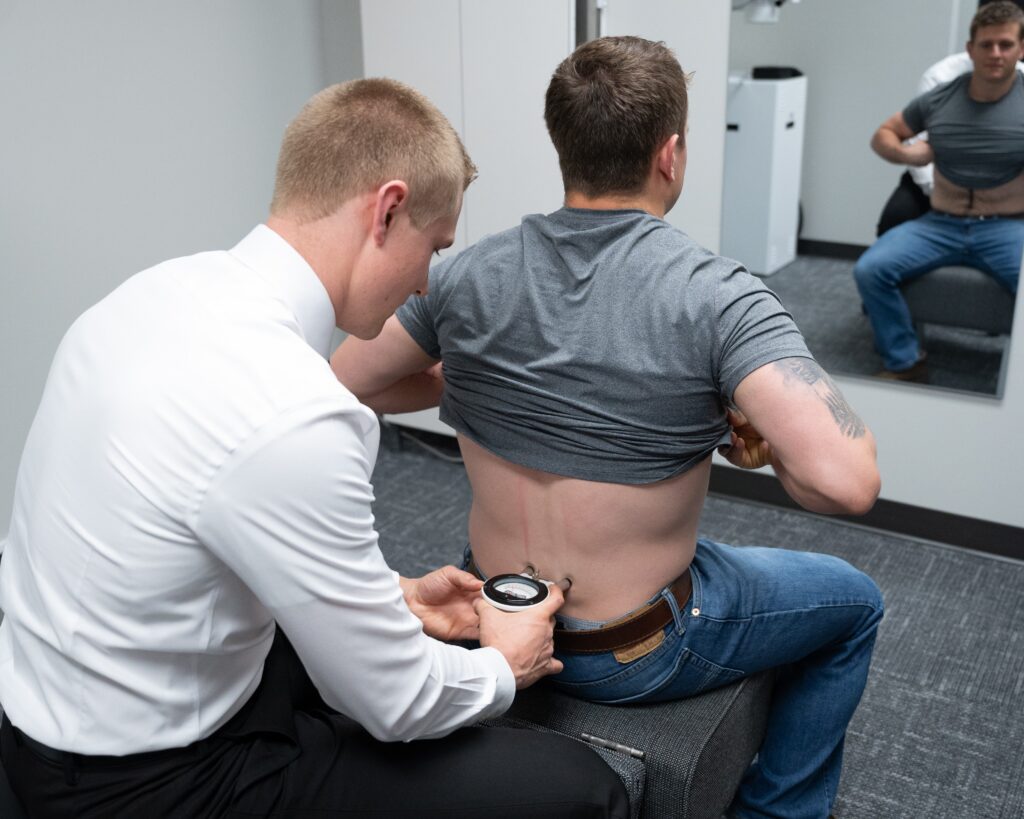
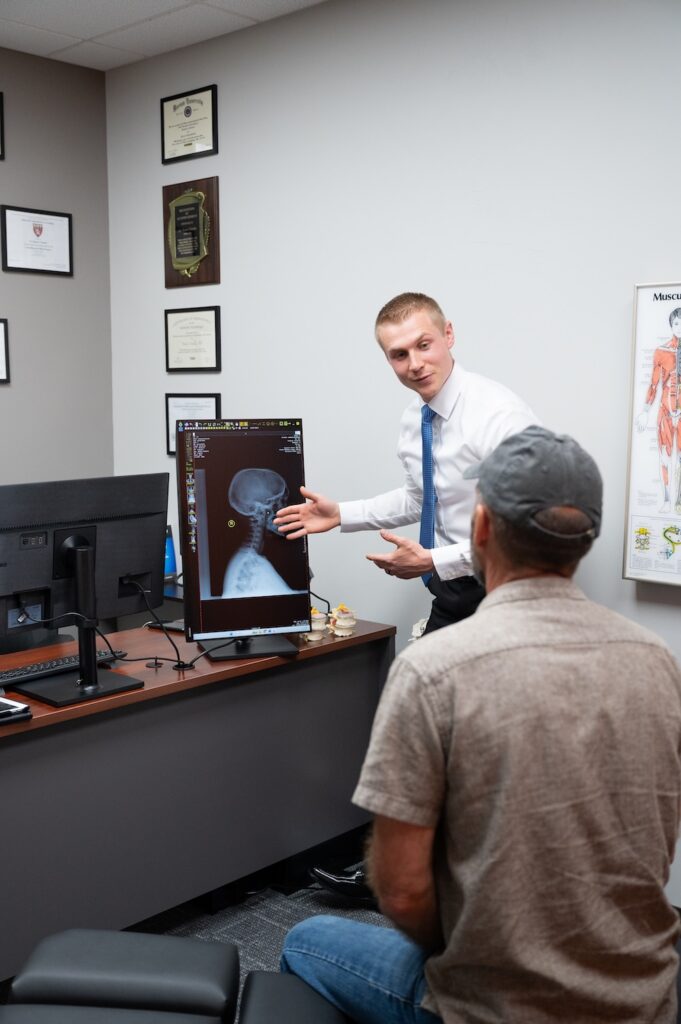
During your first visit, the chiropractor will perform a thorough assessment, which includes a physical examination and a detailed health history. They'll look for signs of misalignment and may use imaging tests like X-rays to get a clearer picture of your spine's condition. Based on this evaluation, they'll develop a personalized treatment plan aimed at correcting any identified issues.
Chiropractic adjustments, the primary technique used in this care, involve applying controlled force to specific joints in the spine. These adjustments help restore normal motion and alignment, which can lead to reduced tension and improved blood flow. Many patients report feeling immediate relief after these sessions, although it may take several visits for optimal results.
In addition to adjustments, chiropractors often provide advice on lifestyle changes, exercises, and stretches that support spinal health. They focus on empowering you to take an active role in your recovery, helping you understand how daily habits can affect your headaches.
Posture's Role in Headache Relief
Maintaining good posture can greatly impact headache relief. When you sit or stand with proper alignment, it helps reduce tension in your neck and shoulders, which are often culprits in headache development. Slouching or leaning forward can compress nerves and blood vessels, leading to discomfort. By keeping your spine aligned, you allow for better circulation and nerve function, which can help alleviate headache symptoms.
When you're at your desk, make sure your chair supports your lower back. Your feet should rest flat on the floor, and your monitor should be at eye level. This position keeps your neck straight and reduces strain on your upper body. If you spend long hours working, take breaks to stretch and reset your posture. Simple neck stretches and shoulder rolls can relieve built-up tension.
It's also essential to be mindful of your posture during daily activities. Whether you're driving, cooking, or even using your phone, maintaining a neutral spine can greatly reduce the chances of developing headaches. Pay attention to how you position your head and shoulders; keeping them aligned with your torso helps decrease strain.
Incorporating exercises that strengthen your core and back can further support good posture. Activities like yoga or Pilates focus on alignment and flexibility, promoting a healthier spine.
Ultimately, making a conscious effort to maintain good posture throughout your daily routine can be a simple yet effective strategy for headache relief. So, straighten up and feel the difference!
Research on Spinal Alignment
Exploring the connection between spinal alignment and overall health reveals significant insights into how proper posture can influence various conditions, including headaches.
Research has shown that misalignments in the spine can lead to increased tension in the neck and shoulder muscles, which may trigger headaches. A study published in the *Journal of Manipulative and Physiological Therapeutics* found that patients receiving chiropractic adjustments reported a notable reduction in headache frequency and intensity.
Moreover, a systematic review highlighted the link between spinal manipulation and improved headache outcomes. Participants who underwent spinal adjustment therapy experienced fewer headaches compared to those who didn't. This suggests that restoring proper alignment can alleviate the physical stressors contributing to headache pain.
You might also find it interesting that certain studies emphasize the role of posture in spinal health. When you maintain a neutral spine through good posture, you reduce the likelihood of muscle strain and nerve irritation, both of which can lead to headaches.
Additionally, researchers have explored how prolonged periods of poor posture, such as slouching at a desk, can exacerbate spinal misalignment. By correcting your posture, you not only improve your spinal alignment but also potentially decrease headache occurrences.
Conclusion
In summary, spinal alignment can truly help alleviate headaches. By addressing misalignments, you can reduce nerve irritation and muscle tension, leading to fewer and less intense headaches. Chiropractic care provides effective adjustments that restore proper motion and promote overall spinal health. Plus, maintaining good posture plays an essential role in managing headaches. If you're struggling with frequent headaches, consider exploring spinal alignment solutions—your path to relief might be just a visit away!