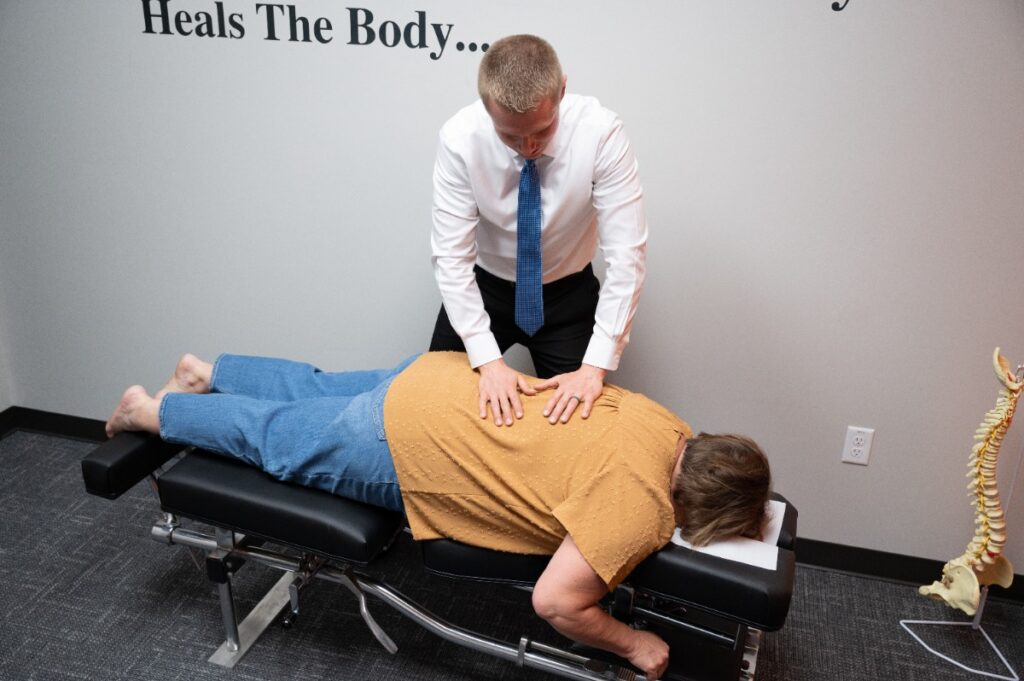

You might be wondering if spinal adjustments can genuinely help ease your stress. Many people report feeling more relaxed and balanced after a session, but is there scientific backing for these claims? By aligning your spine, adjustments could enhance your nervous system's function and even lower cortisol levels. This raises intriguing questions about the connection between your physical health and mental well-being. What does the latest research say about this relationship, and could a simple chiropractic visit be your key to managing stress more effectively?
Understanding Spinal Adjustments
When it comes to spinal adjustments, many people may not fully understand their purpose and benefits. You might think of them as just a way to relieve back pain, but they actually play a significant role in your overall health. Spinal adjustments are performed by chiropractors to correct misalignments in your spine, which can affect your nervous system and overall bodily functions.
When your spine is aligned properly, your body can communicate better with your nervous system. This means that your organs, muscles, and tissues can function more efficiently, which can help reduce pain and improve your overall wellness. If you've been dealing with discomfort or restricted movement, spinal adjustments can help restore your mobility and alleviate tension.
You may also notice that after an adjustment, you feel a sense of relief and relaxation. This isn't just coincidence; adjustments can release endorphins and other feel-good hormones in your body. These natural chemicals can enhance your mood and contribute to a more relaxed state, making you feel less stressed.
It's essential to understand that spinal adjustments aren't a one-time fix. Regular visits can help maintain ideal spine health and keep your body functioning at its best.
The Connection Between Stress and Health
Stress can greatly impact your overall health, influencing both your physical and mental well-being. When you're stressed, your body releases hormones like cortisol and adrenaline, which prepare you for a fight-or-flight response. While this can be useful in short bursts, chronic stress can lead to various health issues. You might experience headaches, digestive problems, or even a weakened immune system.
Your mental health is also affected. Stress can contribute to anxiety and depression, making everyday tasks feel overwhelming. You might find it hard to concentrate or feel constantly fatigued. This cycle can create a ripple effect, impacting your relationships, job performance, and overall quality of life.
Additionally, stress can disrupt your sleep patterns. It's difficult to get a good night's rest when your mind is racing with worries. Poor sleep can lead to further health complications, such as obesity, heart disease, and diabetes.
You mightn't realize how interconnected your physical and mental health is. When one suffers, the other often does too. Taking steps to manage your stress is essential for maintaining your health. Finding effective stress-relief techniques can improve your resilience against illnesses and promote a better quality of life.
Incorporating practices like mindfulness, regular exercise, and proper nutrition can help mitigate stress effects. By understanding the connection between stress and health, you can take proactive steps to nurture both your mind and body.
How Spinal Adjustments Work
Spinal adjustments, often referred to as chiropractic manipulations, focus on restoring proper alignment and function to the spine. When you visit a chiropractor, they assess your spine and overall posture to identify any misalignments or areas of tension. These misalignments can lead to discomfort, affecting not just your back but also your nervous system and overall well-being.
During an adjustment, the chiropractor uses controlled force to gently realign the vertebrae. You might feel a slight popping or cracking sound, which occurs when gas bubbles in the joints are released. This process helps restore the natural movement of your spine, allowing for improved communication between your brain and body.
As your spine regains its proper alignment, you may experience a reduction in muscle tension and improved blood flow. This can lead to a decrease in stress levels, as your body is better able to handle physical and emotional challenges.
Moreover, spinal adjustments can stimulate the release of endorphins, your body's natural painkillers, which can enhance your mood and promote relaxation.
Regular adjustments can help maintain spinal health, preventing future misalignments and reducing the risk of stress-related issues. By prioritizing spinal health, you're not just addressing physical discomfort; you're also taking a proactive approach to your mental and emotional well-being.
Scientific Studies on Stress Relief
Numerous scientific studies have explored the connection between spinal adjustments and stress relief, revealing compelling evidence of their benefits. Researchers have focused on how spinal manipulation can influence the body's physiological responses, particularly regarding stress and anxiety.
One study published in the Journal of Manipulative and Physiological Therapeutics found that individuals receiving spinal adjustments reported decreased levels of cortisol, a hormone commonly associated with stress. This reduction in cortisol can lead to a calmer emotional state and improved overall well-being.
Another significant study highlighted the impact of chiropractic care on the autonomic nervous system, which controls your body's stress response. By realigning the spine, chiropractic adjustments may help restore balance, promoting relaxation and reducing feelings of anxiety.
Participants in this research showed measurable improvements in heart rate variability, indicating a more relaxed state and better stress management.
Moreover, a meta-analysis examining various studies confirmed that patients receiving spinal adjustments often experienced lower anxiety levels compared to those who didn't. These findings suggest that spinal adjustments not only relieve physical discomfort but also contribute to emotional well-being.
Personal Testimonials and Experiences
Many people have shared their transformative experiences with chiropractic care, highlighting its profound impact on stress relief. You may find their stories resonate with your own struggles and aspirations for a calmer life.
For instance, one individual recounts feeling overwhelmed by work demands and personal obligations. After a few sessions with a chiropractor, they noticed a significant reduction in tension, allowing them to approach challenges with a refreshed mindset.
Another person describes their journey with chronic neck pain, which often contributed to heightened stress levels. After regular spinal adjustments, they experienced not just physical relief but also an emotional uplift. They felt lighter, as if a weight had been lifted from their shoulders, empowering them to manage daily stressors more effectively.
You might also relate to someone who uses chiropractic care as a proactive measure for stress management. They visit their chiropractor monthly, viewing it as an essential part of their self-care routine. This approach helps them stay grounded and resilient, equipping them to handle life's ups and downs with greater ease.
These testimonials illustrate that many people have found chiropractic care beneficial in their quest for stress relief. By prioritizing your well-being and exploring options like spinal adjustments, you could potentially reveal a path to a more balanced life.
It's clear that for many, the experience of chiropractic care extends beyond physical adjustments to create a holistic sense of well-being and peace.
Other Benefits of Chiropractic Care
Chiropractic care goes beyond just stress relief; it offers a wide array of benefits that can enhance your overall health and well-being. Many people turn to chiropractic adjustments primarily for pain management, but the advantages extend far beyond that.
When you visit a chiropractor, you're not just addressing immediate discomfort—you're investing in lasting health improvements.
One of the important benefits of chiropractic care is improved mobility. Regular adjustments can help restore proper function in your joints and muscles, making it easier for you to move freely and enjoy daily activities. This increased range of motion can boost your physical performance and reduce the risk of injuries.
Another advantage is enhanced immune function. Research suggests that spinal adjustments can positively impact your immune system, allowing your body to better fend off illness and infection. When your spine is aligned, your nervous system functions more efficiently, which is essential for maintaining overall health.
Finally, chiropractic care can lead to better sleep quality. Many people report that after a few adjustments, they experience deeper, more restorative sleep. This improvement can meaningfully affect your mood, energy levels, and stress management.
In summary, chiropractic care offers a multitude of benefits, including:
- Improved mobility and flexibility
- Enhanced immune function
- Better sleep quality
Integrating Spinal Adjustments in Your Routine
Incorporating spinal adjustments into your routine can greatly enhance your overall health and well-being. By making these adjustments a regular part of your life, you can experience reduced stress levels, improved posture, and increased flexibility. It's about finding a balance that works for you and your schedule.
Start by scheduling regular appointments with a qualified chiropractor. Depending on your needs and lifestyle, you might consider weekly, bi-weekly, or monthly visits. Consistency is key; regular adjustments help maintain spinal alignment, which can prevent misalignments that lead to stress and discomfort.
To complement your chiropractic care, integrate other wellness practices into your daily life. Consider incorporating stretching or yoga into your routine, as these activities can enhance flexibility and support spinal health. Simple exercises that focus on core strength can also provide significant benefits, helping to stabilize your spine and reduce tension.
Pay attention to your posture throughout the day. Whether you're sitting at a desk or standing, maintaining proper alignment can help prevent stress on your spine. Ergonomic furniture and supportive seating can make a huge difference.
Finally, listen to your body. If you notice areas of tension or discomfort, don't hesitate to discuss these with your chiropractor. They can tailor their approach to suit your specific needs, ensuring that spinal adjustments are most effective in alleviating stress.
When to Seek Professional Help
If you're experiencing persistent stress symptoms, physical discomfort, or trouble sleeping, it might be time to seek professional help.
Ignoring these signs can lead to more serious health issues down the road.
Trust your instincts; your well-being deserves attention.
Persistent Stress Symptoms
Many people experience stress symptoms that linger longer than they should, signaling a need for professional help. If you find yourself feeling overwhelmed, anxious, or emotionally drained, it's crucial to recognize when it's time to seek assistance.
Persistent stress can affect your daily life, making it hard to focus, enjoy activities, or maintain relationships.
You should consider reaching out to a professional if you notice:
- Increased Irritability: If you're snapping at loved ones or feeling unusually short-tempered, this could indicate that stress is taking a toll on your mental well-being.
- Difficulty Sleeping: Struggling to fall asleep or stay asleep can be a clear sign that your stress levels are too high and impacting your health.
- Changes in Appetite: If you're eating more or less than usual due to stress, it's important to address these changes before they lead to further complications.
Taking proactive steps can help you regain control. Seeking help from a therapist, counselor, or chiropractor can provide the support and tools you need to manage persistent stress symptoms effectively.
Don't hesitate to reach out; your well-being is worth it.
Physical Discomfort or Pain
Persistent stress can manifest in various ways, including physical discomfort or pain. You might experience tension headaches, muscle tightness, or even chronic pain in your back or neck. These symptoms can worsen if you ignore them, making it essential to recognize when it's time to seek professional help.
If you find that your discomfort lingers for more than a few days or intensifies, don't hesitate to consult a healthcare provider. They can help identify whether your pain is stress-related or stems from another issue.
Pay attention to any other signs that accompany your physical discomfort, like fatigue or changes in appetite, as they can indicate deeper stress-related problems.
Additionally, if your pain interferes with daily activities or affects your mood, reach out for assistance sooner rather than later. You deserve to feel comfortable and at ease.
Difficulty Sleeping Well
Struggling with sleep can dramatically impact your daily life, leaving you feeling fatigued and irritable. If you find yourself tossing and turning night after night, it's vital to assess when it's time to seek professional help. Chronic sleep difficulties can stem from various issues, including stress, anxiety, or physical discomfort.
Here are some signs that you should consider consulting a healthcare professional:
- You're consistently unable to fall asleep or stay asleep for more than a few nights.
- You feel excessive daytime sleepiness that interferes with your daily activities.
- You experience other symptoms, like headaches or mood changes, that worsen with poor sleep.
Don't wait until your sleep problems disrupt your life further. A healthcare provider can help identify underlying causes and recommend effective treatments.
Remember, your well-being is essential, and taking steps to improve your sleep can lead to better stress management and overall health. If spinal adjustments are an option, they may alleviate some discomfort contributing to your sleep issues.
Prioritize your sleep, and don't hesitate to reach out for help when you need it.
Conclusion
Incorporating spinal adjustments into your routine can be a game-changer for managing stress. By improving spine alignment and enhancing nervous system function, these adjustments not only relieve physical discomfort but also boost your mood and relaxation. With scientific backing and countless personal testimonials supporting their effectiveness, it's clear that chiropractic care offers more than just immediate relief. So, if you're feeling overwhelmed, consider seeking professional help—your body and mind will thank you!