As a local chiropractor, I often get asked about the role of manual therapy in recovering from sports injuries. It's a topic that generates a lot of curiosity, and understandably so. Many people have heard various claims about how effective manual therapy can be, but the reality is a bit more complex.
Manual therapy encompasses a range of techniques aimed at relieving pain and enhancing mobility. While these methods can be quite beneficial for many patients, the degree of effectiveness can vary from person to person. It's important to understand that manual therapy is not a one-size-fits-all solution, but rather an integral part of a comprehensive recovery strategy.
So, what does the science say about manual therapy? Research indicates that it can play a valuable role in reducing pain, improving function, and speeding up recovery times for certain injuries. However, it's also essential to consider potential limitations and ensure that these techniques are applied appropriately within the context of your overall treatment plan.
As you explore your options for recovery, I encourage you to consider how manual therapy could fit into your journey towards healing. Together, we can discuss the best approach for your specific needs, helping you get back to doing what you love as quickly and safely as possible.
Understanding Manual Therapy
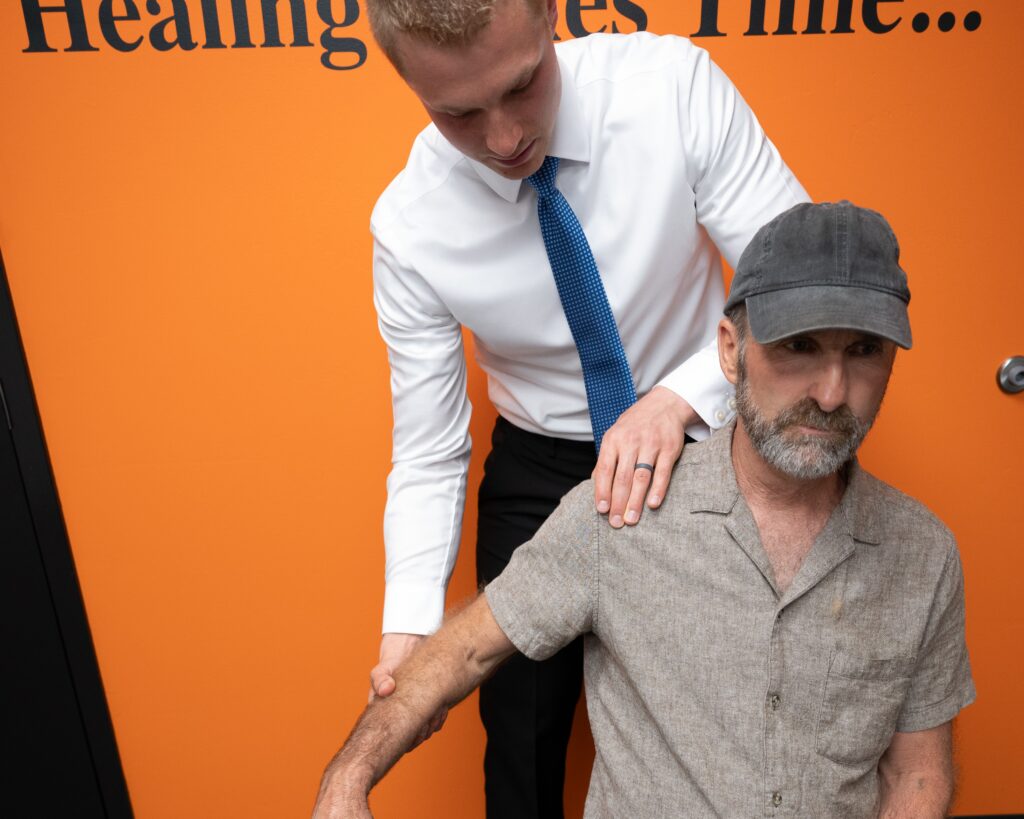
As a local chiropractor, I want to introduce you to the world of manual therapy, a natural healing approach that focuses on alleviating pain and enhancing mobility through hands-on techniques. Manual therapy is centered around the manipulation of your body's soft tissues and joints, aiming to improve function and promote recovery.
If you've dealt with a sports injury, you know how frustrating it can be when you're unable to perform at your best. Our goal with manual therapy is to help you regain that lost functionality by addressing the root causes of your discomfort.
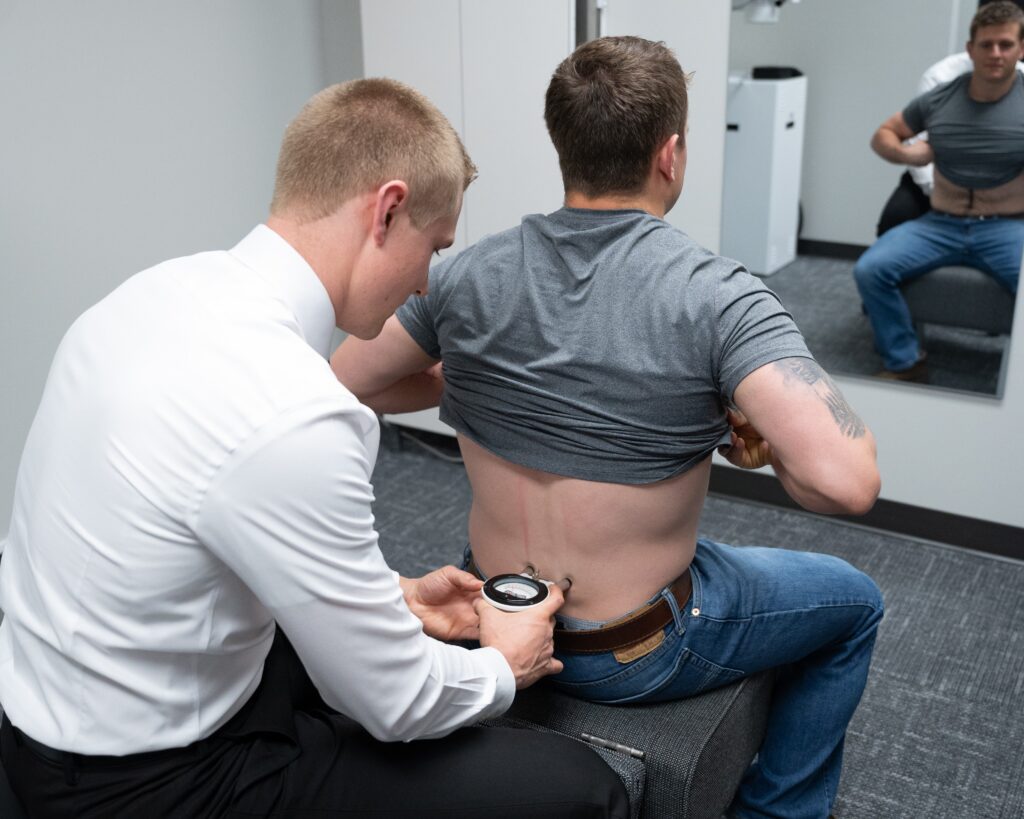
In my practice, skilled techniques are employed to apply pressure, stretch, and mobilize your muscles and joints. Many patients experience immediate relief as tightness dissipates and their range of motion improves.
It's important to note that manual therapy isn't merely about alleviating symptoms; it's about understanding the biomechanics of your body and recognizing how injuries can impact your overall performance.
I encourage you to view manual therapy as a complementary approach to your rehabilitation. While it isn't a standalone cure, it significantly enhances the benefits of exercises and stretches that I, as your healthcare provider, may recommend. This collaborative strategy can lead to a swifter and more effective recovery process.
Additionally, engaging in manual therapy allows you to develop a deeper awareness of your body. You'll learn to identify areas of tension and discomfort, which equips you to take control of your healing journey.
Types of Manual Therapy Techniques
As a local chiropractor, I want to take a moment to educate you about the manual therapy techniques we use to help with sports injuries.
One of the key methods is soft tissue mobilization, which works to relieve tension in your muscles and fascia. This technique can significantly enhance your recovery by improving blood flow and reducing stiffness.
Additionally, we employ joint manipulation techniques that focus on restoring proper alignment and movement to your joints. This is essential for ensuring that your body functions optimally and can prevent future injuries.
Soft Tissue Mobilization
As a local chiropractor, I want to share with you the importance of soft tissue mobilization in enhancing your recovery from sports injuries and improving your overall well-being. This approach includes a variety of techniques designed to help your muscles, fascia, tendons, and ligaments function optimally.
If you've been experiencing tightness, pain, or inflammation, these methods can be incredibly beneficial.
One of the techniques I often recommend is myofascial release. This method involves applying sustained pressure to specific areas of your body to relieve fascial restrictions. By doing so, we can help alleviate pain and restore your mobility, allowing you to get back to your favorite activities more quickly.
Deep tissue massage is another effective technique that I utilize. It focuses on the deeper layers of muscle tissue to break down adhesions and improve blood circulation. This can significantly contribute to your healing process, making it easier to move without discomfort.
You may also come across trigger point therapy in our sessions. This technique focuses on sensitive areas in your muscles that can lead to pain in other parts of your body. By addressing these points, we can help reduce pain and improve your overall comfort.
Additionally, I use instrument-assisted soft tissue mobilization, which employs specialized tools to enhance the depth of tissue work. This method promotes healing and reduces stiffness, helping you feel more agile and pain-free.
Incorporating soft tissue mobilization techniques into your recovery regimen can make a substantial difference in how quickly you heal and how well you perform.
If you're dealing with a sports injury or simply want to improve your body's function, I encourage you to consider soft tissue mobilization as a valuable component of your natural healing journey.
Let's work together to optimize your recovery and enhance your quality of life!
Joint Manipulation Techniques
As a local chiropractor, I want to share how joint manipulation techniques can be a vital part of your recovery from sports injuries. These techniques are designed to restore proper movement and function to your joints, which can help alleviate pain and enhance your overall athletic performance.
Through skilled hands-on adjustments, I can assist in realigning misaligned joints, reducing inflammation, and improving blood flow to the areas affected by injury. You might encounter various joint manipulation methods during our sessions.
For instance, one common technique is high-velocity low-amplitude (HVLA) thrusts, which provide quick adjustments aimed at relieving pressure on nerves and surrounding tissues. Another approach is gentle mobilization, which involves slow and controlled movements that work to increase your range of motion while ensuring your comfort.
Many athletes I've worked with report feeling immediate relief after a manipulation session, and they often notice an increase in flexibility and strength in their joints shortly afterward.
It's essential to collaborate with a qualified practitioner like myself who understands your unique needs and injury history. By incorporating joint manipulation into your recovery plan, you may be able to speed up the healing process and return to your favorite sports sooner.
Always remember to consult with your healthcare provider before starting any new treatment to ensure it's the right fit for you. I'm here to guide you on your journey to natural healing and improved performance!
Benefits for Sports Injury Recovery
As a local chiropractor, I want to share how chiropractic care can significantly aid in your recovery from sports injuries.
If you're unfamiliar with our approach, let me explain. Our techniques focus on manual therapy that can provide effective pain relief, helping to alleviate the discomfort you may be experiencing.
We also work on improving your mobility, which is crucial for getting you back to your favorite activities.
By addressing the underlying issues contributing to your injury, we can enhance your recovery time, ultimately allowing you to return to the game faster and with greater confidence.
Understanding these benefits of chiropractic care can truly transform your healing journey and help you regain your strength and performance.
Pain Relief Techniques
As a local chiropractor, I want to share with you how pain relief techniques can significantly aid in your recovery from sports injuries. Many athletes, whether professional or recreational, often face discomfort that can hinder their performance and overall well-being. Understanding how to manage that pain is essential for a smoother recovery journey.
One of the key methods we utilize is manual therapy, which focuses on relieving muscle tension and addressing joint restrictions. This hands-on approach not only alleviates pain but also enhances your comfort levels, allowing you to feel more at ease as you heal.
Another effective technique is the application of ice to the injured area. This simple yet powerful method can help reduce swelling and numb any sharp pain you may be experiencing. By incorporating ice therapy, you can often begin rehabilitation exercises sooner, which is crucial for regaining strength and mobility.
Additionally, deep tissue massage is an invaluable tool in promoting blood flow to the affected area. Enhanced circulation supports the healing process and can significantly reduce recovery time.
By combining these various techniques, we can create a comprehensive pain relief strategy tailored to your needs. Our goal is to empower you to focus on your recovery and return to your favorite activities as swiftly and safely as possible.
Embracing chiropractic care and natural healing methods can truly make a difference in your healing journey.
Improved Mobility Benefits
As a local chiropractor, I want to emphasize the importance of improved mobility, especially for those recovering from sports injuries. Engaging in manual therapy is a crucial step in restoring your range of motion and flexibility. This hands-on approach helps alleviate stiffness in your joints and muscles, allowing you to move more freely and comfortably.
When you regain mobility, you'll find it much easier to engage in rehabilitation exercises, which play a vital role in your recovery process. Enhanced mobility not only aids your healing but can also elevate your overall athletic performance, empowering you to return to your sport with renewed confidence.
In addition to facilitating recovery, improved mobility plays a significant role in injury prevention. When your body moves efficiently, you're less likely to compensate for any limitations, which often leads to overuse injuries. By addressing these issues through chiropractic care, you're laying the groundwork for long-term wellness.
Incorporating various techniques such as stretching, joint mobilization, and myofascial release into your treatment can significantly support your recovery. With each session, you're getting closer to optimal function, allowing you to enjoy your favorite activities once again.
Enhanced Recovery Time
As a local chiropractor, I want to emphasize the significant role manual therapy plays in speeding up your recovery time from sports injuries. When you're faced with an injury, every moment matters, and that's where chiropractic care can make a real difference.
Manual therapy techniques help reduce inflammation, alleviate pain, and enhance circulation—all vital components that promote faster healing. By focusing on specific areas of discomfort, we can release muscle tension and break down scar tissue, enabling your body to heal more efficiently.
This targeted approach not only accelerates your recovery but also prepares you for a safer return to your sport. You'll likely find that regular chiropractic sessions can also minimize the risk of future injuries. As your body heals effectively, you'll regain strength and flexibility, better equipping you to meet the demands of your athletic pursuits.
Integrating chiropractic care into your recovery plan can greatly enhance your overall rehabilitation experience. Many of my patients report feeling more empowered and in control of their healing journey, knowing they're taking proactive steps towards recovery.
The Science Behind Manual Therapy
As a local chiropractor, I want to share with you how manual therapy can play a vital role in your recovery from sports injuries. This approach involves hands-on techniques that not only alleviate pain but also improve your mobility and promote overall healing. When you come in for a session, I'll use various methods such as soft tissue mobilization, joint manipulation, and stretching to target your musculoskeletal system. This means we'll focus on issues like muscle tension, joint restrictions, and inflammation that may be affecting your performance and well-being.
The science behind manual therapy is fascinating. When I apply pressure to your tissues, it helps to increase blood flow to the affected area. This surge of circulation delivers essential nutrients and oxygen that your body needs to recover. By boosting blood flow, we can reduce inflammation and support tissue repair, allowing you to bounce back more quickly.
Additionally, manual therapy can have a positive effect on your nervous system. It can help modulate pain signals, which translates to a better overall sense of well-being during your healing journey.
Research supports the effectiveness of manual therapy in improving joint function and range of motion—both of which are crucial for athletes eager to return to their sport. By restoring proper movement patterns, we not only aid in your recovery but also help prevent future injuries.
It's also important to highlight the psychological benefits of manual therapy. The hands-on approach can provide reassurance, reduce anxiety, and foster a sense of control during your recovery process.
If you're unfamiliar with chiropractic care and natural healing, I invite you to explore these techniques with me. Together, we can create a personalized plan to help you recover effectively and get back to doing what you love.
Case Studies and Success Stories
As a local chiropractor, I want to share how recovery from sports injuries can be an inspiring journey, particularly through the lens of real-life case studies and success stories involving chiropractic care and natural healing.
Many athletes have experienced remarkable recoveries, and their stories can serve as powerful motivation for anyone facing a similar challenge.
Let me highlight a few examples:
- A Runner's Comeback: One of my patients, a competitive runner, suffered a knee injury that sidelined her for several months. Through a tailored chiropractic approach, which included manual therapy techniques, she was able to regain her mobility and even enhance her performance. With consistent care, she qualified for a national championship, showcasing the effectiveness of chiropractic treatment.
- A Football Player's Recovery: Another patient, a college football player, faced a significant shoulder injury that jeopardized his entire season. By incorporating chiropractic care into his recovery plan, he not only healed at an accelerated pace but also increased his overall strength. This led to him having a standout season, earning accolades and recognition from coaches and teammates alike.
- A Cyclist's Rehabilitation: After a serious accident, one of my cycling patients dealt with chronic pain and stiffness. With the help of chiropractic adjustments and focused rehabilitation strategies, he was able to restore his range of motion and strength. This enabled him to compete again and even achieve personal bests in races, demonstrating the power of natural healing methods.
These stories illustrate the significant impact that chiropractic care can have in overcoming sports injuries.
They show that with commitment and the right support, you can reclaim your athletic abilities and excel in your sport.
If you're facing an injury, remember these examples as a source of hope and inspiration on your path to recovery.
With the right chiropractic treatment, you too can achieve remarkable results.
Potential Risks and Considerations
As a local chiropractor, I want to take a moment to educate you about some important potential risks and considerations when it comes to chiropractic care for sports injuries. While chiropractic adjustments and manual therapy can provide significant relief and healing, it's essential to be aware of the possible drawbacks.
One of the primary concerns is the risk of exacerbating your injury. Although you're seeking relief, the techniques used during chiropractic adjustments can sometimes irritate an existing condition. This is particularly true if I'm not fully informed about your medical history or the specifics of your injury. Therefore, I encourage you to communicate openly with me about your symptoms and any past injuries. This will help me tailor my approach to your unique situation and minimize any risks.
It's also important to note that not all chiropractors have the same level of training and experience, especially when it comes to treating sports injuries. Before you choose a chiropractor, I recommend verifying their credentials and ensuring they've the necessary expertise in this area. Inadequate training can lead to treatments that are ineffective or, in some cases, even harmful.
Additionally, consider the commitment involved in chiropractic care. Many patients find that multiple sessions are necessary to achieve the desired results. While this can be beneficial, it can also become a financial burden, particularly if your insurance doesn't cover chiropractic services. I always recommend discussing any concerns about cost and treatment frequency upfront.
Lastly, it's common for some patients to experience temporary discomfort after a session. This is often a natural part of the healing process, but it's crucial to distinguish between typical soreness and signs of a more serious issue. Always listen to your body, and don't hesitate to reach out to me if you notice any new or concerning symptoms.
Integrating Manual Therapy Into Recovery Plan
Integrating manual therapy into your recovery plan can significantly boost your healing journey, particularly when recovering from sports injuries.
As a local chiropractor, I want to help you understand the benefits of this approach and how it can play a vital role in your recovery.
Here's how you can effectively incorporate manual therapy into your regimen:
- Consult Your Healthcare Provider: Before embarking on manual therapy, it's essential to have a conversation with your doctor or physical therapist. They can provide valuable insights into whether this treatment is appropriate for your specific injury and recovery objectives.
- Choose the Right Chiropractor: When seeking manual therapy, look for a chiropractor who specializes in sports injuries and has extensive experience with manual therapy techniques. A skilled chiropractor will personalize your treatment plan to address your unique needs, ensuring you receive optimal care.
- Combine with Other Healing Modalities: Manual therapy is most effective when used in conjunction with other recovery strategies. Complement it with targeted exercises, stretching routines, and modalities such as ice or heat therapy. This holistic approach will enhance your healing process and help you achieve your recovery goals more effectively.
By understanding and utilizing manual therapy as part of your recovery plan, you can experience improved mobility, reduced pain, and a faster return to your favorite activities.
Let's work together to create a comprehensive recovery plan tailored just for you!
Conclusion
As a local chiropractor, I want to share how incorporating manual therapy into your sports injury recovery can truly transform your healing journey. Many people are unaware, but manual therapy not only alleviates pain and enhances mobility, it also accelerates the healing process. By familiarizing yourself with various techniques and their benefits, you can make informed decisions about your recovery plan. It's essential to consider any potential risks and consult with a qualified therapist like myself to ensure you're on the right path. With the proper approach to chiropractic care, you'll find yourself back in the game quicker and stronger than before. Embrace natural healing and let's work together to help you achieve your best performance!