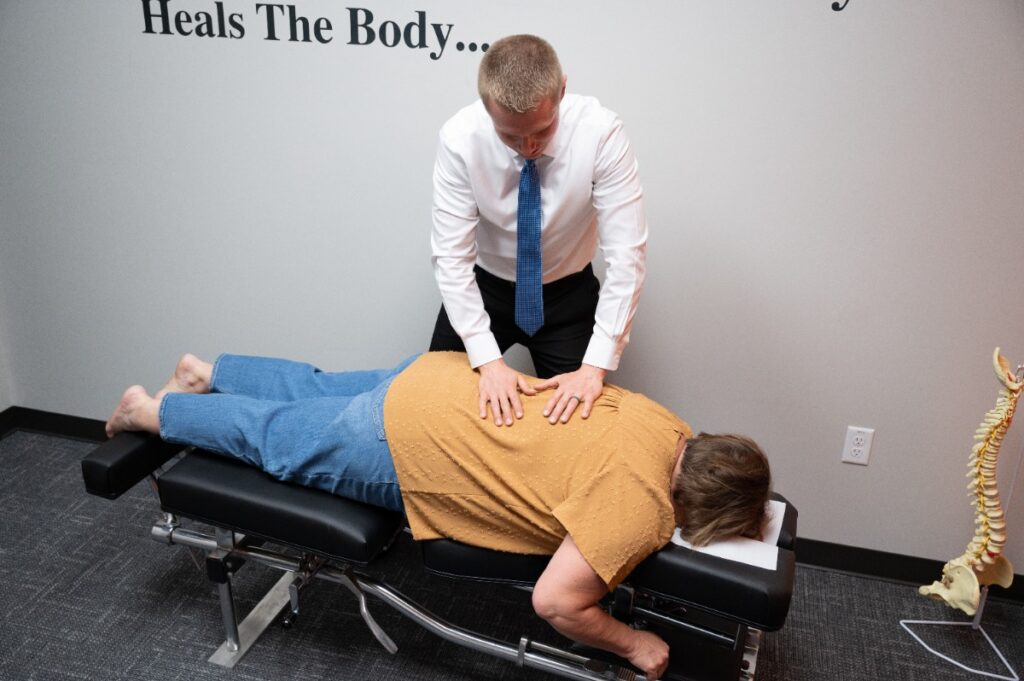

You know that maintaining a strong immune system is essential, but have you considered how professional care can play a significant role in that process? Regular health assessments and tailored wellness plans can provide you with insights specific to your needs, ensuring you're not just guessing at what works. From nutritional advice to stress management techniques, a thorough approach can make a real difference. So, what steps can you take to enhance your immune function effectively and sustainably? The answers might surprise you.
Understanding Immunity Basics
Immunity is your body's defense system, working tirelessly to protect you from harmful pathogens like viruses and bacteria. This complex network of cells, tissues, and organs is designed to identify and neutralize invaders that threaten your health.
At its core, your immune system consists of two main components: innate immunity and adaptive immunity.
Innate immunity is the first line of defense. It's what you rely on right away when pathogens invade. Think of things like your skin, mucous membranes, and certain white blood cells that act quickly to block and eliminate threats. This response is non-specific, meaning it doesn't target particular pathogens but rather provides a general defense against any foreign invader.
On the other hand, adaptive immunity kicks in when innate immunity needs backup. It's more specialized and takes a bit longer to activate. This part of your immune system learns from past infections. When you encounter a specific pathogen, T-cells and B-cells remember it, allowing your body to mount a faster and more effective response if you're exposed again.
Understanding how your immune system functions is vital. It helps you appreciate the significance of maintaining its strength. When you're aware of how pathogens affect your body, you're better equipped to take proactive steps in supporting your immune health.
The Role of Nutrition
Your immune system thrives on proper nutrition, which plays a significant role in keeping it strong and responsive. The food you eat directly impacts your body's ability to fight off infections and illnesses. Nutrient-dense foods provide essential vitamins and minerals that support immune function. For instance, vitamin C, found in citrus fruits and leafy greens, boosts the production of white blood cells, your body's frontline defenders against pathogens.
Incorporating antioxidants into your diet is equally important. Foods like berries, nuts, and dark chocolate help combat oxidative stress, allowing your immune cells to function more effectively. Omega-3 fatty acids, abundant in fatty fish like salmon and walnuts, can reduce inflammation, making your immune response more efficient.
Don't overlook the importance of hydration. Drinking enough water is essential for the proper functioning of every cell in your body, including those that play a key role in your immune system. Aim for at least eight glasses of water a day, adjusting based on your activity level.
A balanced diet that includes whole grains, lean proteins, healthy fats, and a colorful array of fruits and vegetables will provide the nutrients your immune system craves.
Avoid excessive processed foods and sugars, as they can weaken your immune response over time.
Importance of Regular Check-ups
Regular check-ups are essential for maintaining overall health and identifying potential issues before they escalate. When you schedule these appointments, you're taking a proactive step toward a healthier future. During regular visits, healthcare professionals can assess your health status, monitor critical signs, and conduct necessary screenings that might reveal underlying conditions you mightn't even be aware of.
These check-ups allow for early detection of issues like high blood pressure, high cholesterol, or even early signs of chronic diseases. By catching these problems early, you can take action before they develop into more serious health concerns. You'll have the opportunity to discuss any symptoms or concerns that might be bothering you, ensuring you get the care you need when you need it.
Moreover, regular check-ups provide a platform for you to receive personalized health advice. Your healthcare provider can recommend lifestyle changes tailored to your specific needs, which can greatly enhance your immunity and overall well-being. You can also receive guidance on vaccinations and preventative measures important for your age and health history.
Lastly, these visits help build a relationship with your healthcare provider, fostering trust and open communication. This relationship can be invaluable when you face health challenges, as having a provider who knows your history can lead to more effective treatment.
Tailored Supplement Plans
When it comes to boosting your immunity, a tailored supplement plan can make all the difference.
You'll benefit from a personalized nutritional assessment that identifies your unique needs, allowing for essential nutrient selection.
Plus, ongoing monitoring guarantees you stay on track and adjust as necessary for peak health.
Personalized Nutritional Assessment
A personalized nutritional assessment can greatly enhance your immune system by identifying specific deficiencies and tailoring supplement plans to meet your unique needs.
By understanding your body's requirements, you can optimize your health and bolster your immunity effectively.
During this assessment, you'll typically focus on three key areas:
- Dietary Habits: You'll evaluate what you eat daily, pinpointing any gaps in essential nutrients that might weaken your immune response.
- Lifestyle Factors: Consider your level of physical activity, sleep quality, and stress management, as these all impact how well your immune system functions.
- Health History: Your medical history and any existing conditions will be taken into account to guarantee your supplement plan is safe and effective.
With this tailored approach, you're not just taking random vitamins; you're investing in a strategy designed specifically for you.
This means you'll be more likely to experience improvements in your overall well-being, energy levels, and, most importantly, your immune health.
Essential Nutrient Selection
Selecting essential nutrients tailored to your specific needs can greatly enhance your immune function. Understanding your body's unique requirements is the first step in creating an effective supplement plan. You might need nutrients like vitamin C, zinc, or vitamin D, all known for their immune-boosting properties.
By working with a healthcare professional, you can identify which vitamins and minerals will benefit you most. For instance, if you're often stressed or fatigued, magnesium can help regulate your body's response to stress and support overall immune health.
Similarly, if you struggle with seasonal allergies, probiotics can strengthen your gut health, improving your immune response.
When developing your supplement plan, keep in mind that quality matters. Opt for high-grade supplements that are tested for purity and potency. This guarantees you're getting the most out of your supplements and supporting your immune system effectively.
Finally, remember that supplements work best when paired with a balanced diet. Whole foods provide additional nutrients that are vital for peak immune function.
Ongoing Monitoring Progress
Tracking your progress is essential for ensuring your tailored supplement plan is effective. Without ongoing monitoring, you might miss important changes that could enhance your immunity.
Here's how you can keep tabs on your progress:
- Regular Check-Ins: Schedule consistent appointments with your healthcare provider. These sessions allow you to discuss any changes in your health and adjust your supplement plan as needed.
- Symptom Journaling: Keep a daily log of how you feel, noting any improvements or side effects. This personal record can help identify which supplements are working best for you.
- Lab Tests: Consider periodic blood tests to measure nutrient levels and overall health markers. These results provide concrete data to guide your supplement adjustments.
Stress Management Techniques
Managing stress is essential for your immune health, and there are effective techniques you can adopt.
Mindfulness and meditation practices can help calm your mind, while regular physical activity boosts both your mood and immunity.
Additionally, prioritizing healthy sleep habits guarantees your body gets the rest it needs to fight off illness.
Mindfulness and Meditation Practices
Embracing mindfulness and meditation practices can greatly enhance your stress management toolkit. By incorporating these techniques into your daily routine, you can effectively reduce stress and improve your overall well-being.
Here are three practices to get you started:
- Focused Breathing: Sit comfortably and take deep, intentional breaths. Inhale through your nose for a count of four, hold for four, and exhale through your mouth for six. This simple exercise grounds you in the present moment and calms your mind.
- Body Scan: Lie down or sit in a relaxed position. Starting from your toes, mentally scan your body, noticing any tension. As you move up to your head, consciously relax each body part. This technique helps you connect with your body and release built-up stress.
- Guided Visualization: Picture a serene environment—perhaps a beach or a tranquil forest. Imagine the sounds, scents, and sensations of that place. This mental escape can transport you away from daily stressors, leaving you refreshed and calm.
Physical Activity Benefits
How can physical activity elevate your stress management efforts? Engaging in regular exercise is one of the most effective ways to combat stress. When you work out, your body releases endorphins, which are natural mood lifters. This chemical boost not only enhances your mood but also helps you feel more relaxed and focused.
Incorporating physical activity into your routine doesn't have to mean hitting the gym. Even activities like walking, jogging, or dancing can greatly reduce stress levels. Aim for at least 30 minutes of moderate exercise most days of the week, and you'll likely notice a positive shift in your overall mental well-being.
Moreover, physical activity offers a great opportunity for mindfulness. As you concentrate on your movements and breathe, you're able to clear your mind of daily worries and anxieties. This focus can lead to a meditative state that further alleviates stress.
Finally, exercising can foster social connections. Whether you join a class or work out with friends, these interactions can provide support and motivation, making it easier to manage stress together.
Healthy Sleep Habits
Quality sleep is essential for effective stress management, as it directly impacts your mood, cognitive function, and overall well-being.
When you prioritize healthy sleep habits, you set yourself up for a more resilient immune system and better stress response.
To improve your sleep quality, consider these three strategies:
- Establish a Consistent Sleep Schedule: Go to bed and wake up at the same time every day, even on weekends. This helps regulate your body's internal clock and enhances the quality of your sleep.
- Create a Relaxing Pre-Sleep Routine: Engage in calming activities before bed, like reading, gentle stretching, or meditation. This signals your body that it's time to wind down, making it easier to fall asleep.
- Limit Screen Time Before Bed: Turn off electronics at least an hour before sleep. The blue light emitted by screens can interfere with melatonin production, making it harder to drift off.
Sleep and Immune Function
Sleep's critical role in supporting your immune function can't be overstated. When you get adequate rest, your body has the chance to repair and regenerate itself. This is especially important for your immune system, which relies on sleep to produce cytokines—proteins that help fight off infections and inflammation.
During sleep, your immune system's activity ramps up, allowing it to recognize and respond to potential threats more effectively. Lack of sleep, on the other hand, can weaken your immune response, making you more vulnerable to illnesses. You might notice that when you don't get enough rest, you're more likely to catch a cold or feel run down.
Aim for 7 to 9 hours of quality sleep each night. This isn't just about quantity; the quality of your sleep matters too. Establishing a consistent sleep schedule can help regulate your body's internal clock, making it easier to fall asleep and wake up refreshed.
Avoiding screens before bedtime and creating a calming bedtime routine can also enhance your sleep quality. Don't underestimate the power of a good night's sleep. Prioritizing rest can greatly improve your immune function, leading to better overall health.
If you find yourself struggling with sleep, consider consulting a professional who can guide you in improving your sleep habits. Remember, investing in your sleep is an investment in your health, and a well-rested body is better equipped to fend off illness.
Exercise for Immune Support
While getting enough sleep is essential for a strong immune system, regular exercise also plays a significant role in boosting your immunity. Engaging in physical activity helps your body produce antibodies and white blood cells that fight off infections. When you exercise, you increase blood circulation, allowing these immune cells to move more freely throughout your body.
Here are three ways exercise supports your immune system:
- Reduces Stress Hormones: Regular physical activity lowers your body's stress hormones, like cortisol, which can impair your immune response when levels are too high. By managing stress through exercise, you keep your immune defenses strong.
- Improves Circulation: Exercise increases your heart rate, promoting better circulation of immune cells. This means that your body can quickly identify and attack pathogens that enter your system, keeping you healthier overall.
- Enhances Sleep Quality: Physical activity can lead to better sleep patterns, which is vital for immune function. When you sleep well, your body has the chance to repair and regenerate, bolstering your immune system even further.
Incorporating regular exercise into your routine doesn't have to be intimidating. Aim for at least 150 minutes of moderate aerobic activity each week, and include strength training exercises twice a week.
Whether it's brisk walking, cycling, or yoga, find activities you enjoy, and make them part of your lifestyle. Your immune system will thank you!
Professional Health Assessments
When it comes to boosting your immunity, professional health assessments play an essential role.
These thorough evaluations help identify your unique health needs and set the foundation for personalized wellness plans.
Comprehensive Health Evaluations
Thorough health evaluations play an essential role in understanding your overall well-being, as they provide an extensive assessment of your physical and mental health.
By participating in these evaluations, you gain valuable insights that can help you make informed decisions about your lifestyle and health.
During a detailed health evaluation, you'll typically undergo several key components:
- Physical Examination: A thorough review of your body systems, checking critical signs and identifying any potential health issues.
- Laboratory Tests: Blood work and other tests are conducted to assess cholesterol levels, blood sugar, and nutrient deficiencies, giving you a clear picture of your internal health.
- Mental Health Assessment: This evaluates your emotional well-being, identifying stress levels and potential anxiety or depression, allowing you to address these concerns proactively.
Personalized Wellness Plans
Creating a personalized wellness plan is crucial for optimizing your health journey. This tailored approach helps you identify your unique health needs, goals, and challenges. By working with a professional, you'll undergo thorough health assessments that consider your medical history, lifestyle, and specific concerns.
Once your assessment is complete, you can collaborate to develop a plan that includes nutrition, exercise, stress management, and sleep strategies designed just for you. This customized plan not only boosts your immunity but also empowers you to take control of your overall well-being.
You'll learn to recognize your body's signals, making adjustments as needed to stay on track. Regular follow-ups with your health professional guarantee that your plan evolves with you, addressing any new challenges or goals that arise.
Moreover, personalized wellness plans provide accountability. Knowing you have support can motivate you to stick with your program.
You'll also gain insights into how lifestyle changes can lead to lasting improvements in your health, enhancing your quality of life. So, take the first step today and invest in a wellness plan that truly reflects you!
Preventative Care Strategies
Taking charge of your health is easier than you might think, especially when it comes to preventative care strategies. By adopting a few key practices, you can greatly boost your immunity and enhance your overall well-being. Here are three effective strategies you can implement today:
1. Regular Health Screenings: Scheduling routine check-ups with your healthcare provider is essential. These screenings can catch potential health issues early, allowing for timely intervention.
Whether it's blood pressure checks, cholesterol tests, or cancer screenings, staying proactive can save your life.
2. Balanced Nutrition: Fueling your body with the right nutrients is vital. Focus on a diet rich in fruits, vegetables, whole grains, and lean proteins.
Incorporate immune-boosting foods like citrus fruits, nuts, and leafy greens. Planning your meals and snacks can help you maintain healthy eating habits, supporting your body's defenses.
3. Consistent Exercise: Regular physical activity isn't just good for your body; it's great for your immune system too. Aim for at least 150 minutes of moderate exercise each week.
Whether it's brisk walking, cycling, or yoga, find activities you enjoy. This not only helps to reduce stress but also improves circulation, which can enhance immune function.
Building a Support Network
A strong support network can greatly enhance your immune health and overall well-being. Surrounding yourself with positive, encouraging individuals can notably impact how you manage stress, deal with illness, and maintain healthy habits. Your friends, family, and even colleagues can be essential allies in your journey toward better health.
Start by identifying people in your life who uplift you. These could be friends who inspire you to pursue healthy activities or family members who provide emotional support during tough times. Make an effort to connect with these individuals regularly. Whether it's through weekly meet-ups, phone calls, or even group chats, maintaining that connection will reinforce your support system.
Additionally, consider joining local community groups or online forums focused on health and wellness. Engaging with others who share your health goals can offer new perspectives and motivation. You might find workout buddies, recipe exchanges, or even just someone to share your experiences with.
Don't forget to communicate your needs. Let your network know how they can support you, whether it's by joining you in exercise, sharing healthy meal ideas, or simply being there to listen when you're feeling overwhelmed.
Remember, building a support network is a two-way street. Be ready to offer your support in return, creating a balanced and nurturing environment for everyone involved.
In short, the strength of your support network can play an essential role in boosting your immunity and overall health, so invest in those relationships.
Conclusion
Boosting your immunity with professional care is a proactive journey. By prioritizing regular check-ups, tailored nutrition plans, and stress management techniques, you create a strong foundation for your health. Don't underestimate the power of exercise and a supportive network; they play vital roles in your well-being. Embrace this holistic approach, and you'll not only enhance your immune function but also thrive in all aspects of life. Start today—your body will thank you!