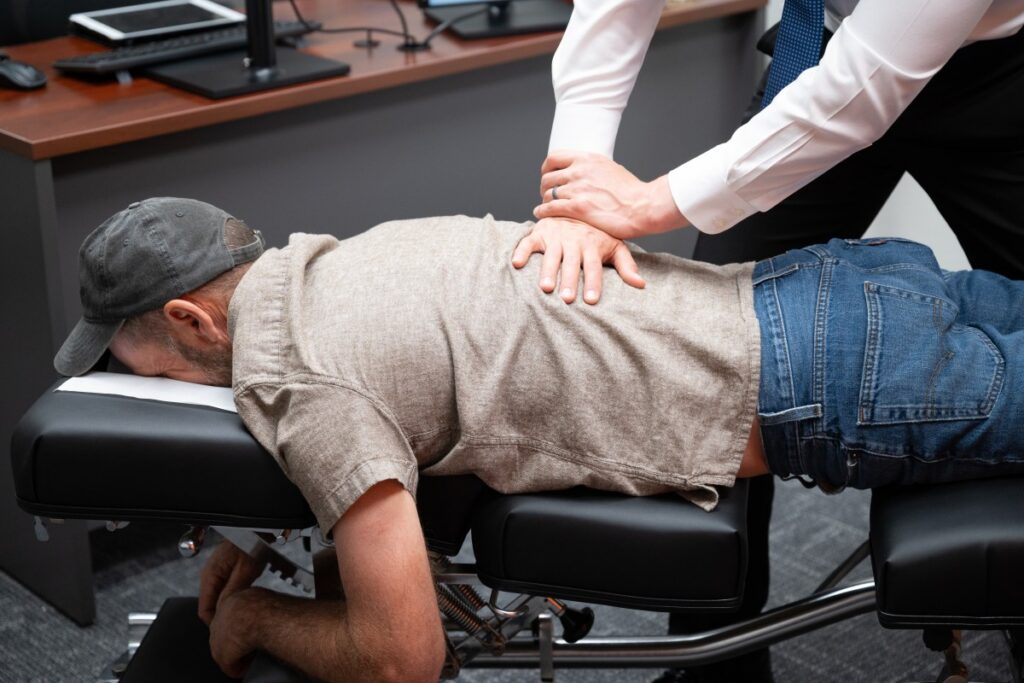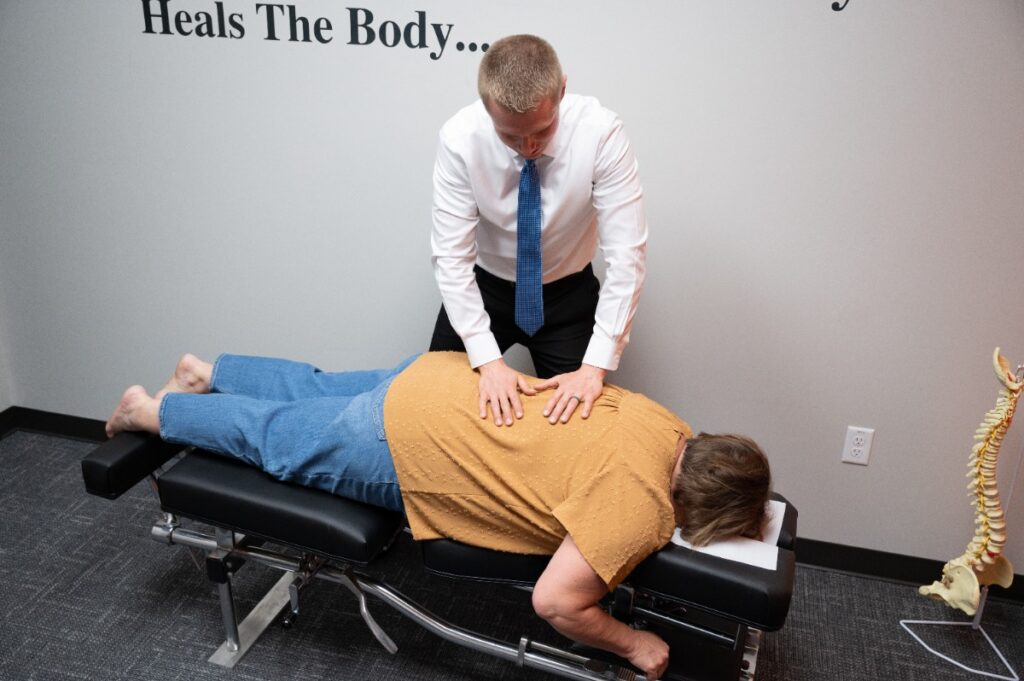

As a local chiropractor, I understand that dealing with a sports injury can be daunting, and it's crucial to explore how various therapy techniques can expedite your recovery. Many patients are surprised to learn that chiropractic care is not just about spinal adjustments; it encompasses a range of methods, including manual therapy and targeted massage, which can significantly alleviate pain and improve your mobility.
Incorporating cold and heat therapies into your recovery routine is also beneficial. These techniques help manage swelling and enhance circulation, leading to a more effective healing process. However, what if you could elevate your recovery even further? Personalized treatment plans tailored to your specific needs can play a critical role in getting you back on the field or court faster than you may have thought possible. By understanding your unique situation and combining various natural healing approaches, we can work together to ensure a speedy and efficient recovery.
Understanding Sports Injuries
In the realm of sports, understanding injuries is crucial for athletes, coaches, and even those who enjoy recreational activities. As a local chiropractor, I want to emphasize that injuries can occur unexpectedly, whether during practice or while playing in a competitive game. Familiarizing yourself with common types of injuries—such as sprains, strains, fractures, or concussions—can help you be better prepared when they arise. Each injury presents its own unique characteristics and recovery timelines, making it essential to recognize them promptly.
When you feel pain or discomfort, it's vital to listen to your body. Ignoring these symptoms can lead to more serious injuries down the line. Assessing the severity of the injury is a key step in your recovery process. Is it mild, moderate, or severe? This evaluation will inform your next steps, whether that means resting, seeking chiropractic care, or following a rehabilitation plan tailored to your needs.
Understanding the common causes of injuries—such as overuse, improper technique, or inadequate warm-up—can also empower you to prevent them from occurring in the first place. By paying attention to your training regimen and making necessary adjustments, you can significantly reduce your risk of injury.
Open communication with your chiropractor and other healthcare professionals is essential. Sharing your symptoms and concerns can lead to timely interventions that are crucial in your recovery journey.
Ultimately, gaining a solid understanding of sports injuries and the benefits of chiropractic care enables you to take control of your health. This ensures that you're not only able to recover effectively but also ready to perform at your best when it matters most.
Importance of Therapy Techniques
As a local chiropractor, I want to emphasize the vital role that therapy techniques play in your recovery from sports injuries.
These methods are designed not only to accelerate your healing process but also to provide effective strategies for managing pain, as well as improving your mobility and flexibility.
By incorporating chiropractic care and natural healing techniques, you can enhance your recovery and pave the way for a quicker and more thorough return to your favorite sport.
Understanding and embracing these approaches can truly transform your healing journey.
Accelerated Healing Process
As a local chiropractor, I want to emphasize how accelerated healing is crucial for recovering from sports injuries, and the right therapy techniques can truly make a significant difference. If you find yourself sidelined due to an injury, remember that the quicker you heal, the sooner you can return to the activities you love. By incorporating targeted chiropractic care and natural healing methods, you can enhance your body's innate recovery processes.
Chiropractic care goes beyond just adjusting the spine; it plays an integral role in restoring movement and strengthening the injured area, which helps minimize the risk of future injuries. Techniques such as spinal adjustments, soft tissue therapy, and rehabilitative exercises can promote tissue repair and improve circulation, ensuring that essential nutrients and oxygen efficiently reach the injured site.
Manual therapy techniques, which are a cornerstone of chiropractic care, can further enhance flexibility and stimulate blood flow, speeding up the healing process. Additionally, I can provide tailored therapeutic exercises that align with your specific injury, focusing on rebuilding strength and restoring function so that you can return to your sport with confidence.
It's also important to recognize the role of rest and nutrition in your healing journey. By combining these elements with chiropractic care, you create an optimal healing environment.
I encourage you to actively engage in your recovery; you're not just waiting for the healing to occur—you're taking the reins on your recovery journey. Together, we can set you up for a successful comeback to the activities you enjoy.
Pain Management Strategies
As a local chiropractor, I want to emphasize the importance of effective pain management strategies for anyone recovering from a sports injury. Addressing pain isn't just about feeling more comfortable; it's crucial for your healing process. By incorporating natural healing techniques, you can significantly enhance your recovery.
Here are three strategies I recommend:
- Chiropractic Care: Seeking help from a qualified chiropractor can provide you with personalized adjustments and techniques aimed at alleviating pain and restoring proper movement. We focus on aligning the spine and joints, which can help reduce discomfort and improve your overall function.
- Massage Therapy: Integrating massage therapy into your recovery routine can be incredibly beneficial. Regular sessions with a skilled massage therapist can help relax tense muscles, improve blood circulation, and alleviate pain. This complementary approach can also contribute to your overall well-being during recovery.
- Cold and Heat Therapy: Utilizing heat and cold therapy is a simple yet effective way to manage pain and inflammation. Applying ice can help reduce swelling, while heat can promote blood flow and relax tight muscles. These methods can be easily incorporated into your daily routine to support your healing journey.
By combining these strategies, you can create a comprehensive pain management plan that not only addresses your immediate discomfort but also promotes long-term healing.
Enhanced Mobility and Flexibility
As a local chiropractor dedicated to your health and recovery, I want to emphasize the importance of improving your mobility and flexibility after a sports injury. These two elements are crucial in regaining your strength and ensuring a full recovery. By enhancing your mobility, you can move more freely, which reduces the risk of re-injury and helps you get back to your favorite activities faster.
Incorporating specific therapy techniques like stretching, foam rolling, and dynamic warm-ups can significantly improve your range of motion. Stretching is beneficial for lengthening tight muscles, while foam rolling helps to release tension and increase blood circulation. Together, these practices not only alleviate discomfort but also support your body's natural healing process.
I encourage you to consider working with a chiropractor, who can customize a treatment plan tailored to your unique needs. We can guide you through targeted exercises that focus on your areas of concern, ensuring you build strength while enhancing your flexibility.
Embracing chiropractic care and natural healing can make a meaningful difference in your recovery journey.
Physical Therapy Approaches
As a local chiropractor, I want to emphasize the importance of natural healing approaches, especially for athletes recovering from sports injuries. Chiropractic care plays a vital role in restoring balance and function to the body, which can significantly aid in your recovery.
Here are three essential chiropractic approaches you should consider for effective healing:
- Chiropractic Adjustments: One of the cornerstone techniques in chiropractic care is spinal adjustments. These precise manipulations help realign the spine and joints, promoting optimal function of the nervous system. By addressing misalignments, we can reduce pain, enhance mobility, and support your body's natural healing processes, allowing you to regain strength and flexibility.
- Soft Tissue Therapy: In addition to spinal adjustments, we utilize soft tissue techniques to alleviate tension and improve circulation in the muscles surrounding your injury. This hands-on approach involves applying pressure to specific areas to release tightness and promote relaxation. You'll likely notice an increase in your range of motion, which is crucial for returning to your sport.
- Rehabilitative Exercises: To complement your chiropractic adjustments and soft tissue therapy, we often recommend a series of rehabilitative exercises tailored to your individual needs. These exercises focus on strengthening the muscles that support your injury and improving overall stability. From gentle stretches to more dynamic movements, we'll create a program that evolves with your recovery.
Integrating these chiropractic approaches into your recovery plan can enhance your healing process and help prevent future injuries.
It's essential to work closely with a trained professional who can guide you through the best practices tailored specifically for your needs. Embrace the power of natural healing and take charge of your recovery journey!
Massage Therapy Benefits
As a local chiropractor, I want to share with you the incredible benefits of massage therapy, especially when it comes to recovering from sports injuries.
Many people may not realize how effective this natural healing method can be. Through targeted massage techniques, you can experience significant pain relief, which is crucial for getting back on your feet after an injury.
Additionally, massage therapy enhances circulation, allowing your body to deliver essential nutrients to the injured areas more efficiently. This improved blood flow can significantly speed up the healing process.
Furthermore, regular massage can increase your flexibility, making it easier for you to move and perform at your best.
Incorporating massage therapy into your recovery plan can help you return to your game faster and with a renewed sense of ease.
I encourage you to consider this holistic approach as part of your journey to optimal health and performance.
Pain Relief Techniques
As a local chiropractor dedicated to educating our community about the benefits of natural healing, I want to emphasize the importance of incorporating massage therapy into your pain relief and recovery routine.
This hands-on technique isn't only effective in alleviating tension but also plays a vital role in your overall healing process. Many of our patients have experienced how massage therapy can relax muscles and directly target pain, allowing for a quicker and more comfortable return to their favorite activities.
Here are three significant benefits of massage therapy that can enhance your recovery:
- Reduced Muscle Tension: Massage therapy effectively targets tight muscles by breaking up knots and relieving tension. This targeted approach can significantly lower pain levels and enhance your range of motion, making it easier to engage in daily activities or sports.
- Endorphin Release: One of the wonderful things about receiving a massage is that it stimulates the release of endorphins in your body. These natural painkillers can help you feel more relaxed and reduce your sensitivity to discomfort, further aiding in your recovery process.
- Improved Sleep Quality: Regular massage sessions can lead to better sleep quality, which is crucial for recovery. A well-rested body has the ability to heal and rebuild itself more effectively, allowing you to recover faster from injuries or strains.
Improved Circulation Benefits
As a local chiropractor, I want to share with you one of the key benefits of massage therapy that can significantly enhance your recovery process: improved circulation.
When you experience an injury, proper blood flow to the affected area is crucial for healing. Massage therapy can play a vital role in this by increasing blood circulation, which helps deliver essential nutrients and oxygen necessary for faster healing.
When your blood flow is enhanced, it not only aids in quicker recovery but also helps reduce inflammation, a common source of pain and discomfort during the healing process.
During a massage, the gentle manipulation of your muscles stimulates your blood vessels, causing them to expand. This expansion allows more oxygen-rich blood to reach your injury, ensuring that your body has the resources it needs to heal effectively.
Better circulation also aids in flushing out metabolic waste products, such as lactic acid, which can build up during physical activity and slow your recovery.
Furthermore, improved circulation can alleviate muscle tension, giving you greater freedom of movement. Many of my patients find that their recovery feels smoother and more efficient, allowing them to get back to their favorite activities sooner.
Incorporating regular massage therapy into your wellness routine can be transformative for your overall recovery strategy.
If you're serious about healing from a sports injury or any type of physical ailment, I encourage you to consider massage therapy as an integral part of your healing journey.
Together, we can create a holistic approach to your health and well-being.
Enhanced Flexibility Outcomes
As a local chiropractor, I want to share with you one of the key benefits of incorporating massage therapy into your recovery and wellness journey: enhanced flexibility.
Many people may not realize how much regular massage can improve the range of motion in your muscles and overall flexibility. This is particularly important if you've experienced a sports injury, as it plays a crucial role in preventing further injuries and facilitating a quicker recovery.
Here are three ways in which massage therapy can help enhance your flexibility:
- Muscle Relaxation: One of the primary goals of massage therapy is to target tight muscles and fascia. By releasing the tension that restricts your movement, massage allows your muscles to stretch more comfortably and effectively.
- Increased Blood Flow: Massage therapy promotes improved circulation, which enhances the delivery of oxygen and nutrients to your muscles. This not only aids in healing but also helps keep your muscles pliable and flexible, contributing to better overall function.
- Enhanced Joint Mobility: Regular massage can significantly benefit the flexibility of your joints. By focusing on the soft tissues surrounding your joints, massage supports better joint function and can increase your range of motion.
Incorporating massage therapy into your routine can be a valuable addition to your recovery and overall health, especially when combined with chiropractic care.
Together, they can help you achieve optimal mobility and well-being.
Innovative Recovery Modalities
As a local chiropractor dedicated to enhancing your well-being, I want to introduce you to some innovative recovery modalities that can complement your healing journey. These methods go beyond traditional chiropractic care and can significantly speed up your recovery process, allowing you to return to your activities with renewed confidence.
One of the cutting-edge treatments gaining popularity is cryotherapy. By exposing your body to extremely cold temperatures for brief periods, cryotherapy can effectively reduce inflammation and alleviate pain. This means you can bounce back from injuries faster and get back to doing what you love.
Another exciting option is infrared therapy. This technique uses specific light wavelengths to penetrate deep into your tissues, improving circulation and promoting healing at the cellular level. Many of my patients report not only reduced pain but also a boost in their overall energy and vitality.
You may also find vibration therapy beneficial. This treatment involves using a vibrating platform to stimulate your muscles and enhance blood flow. It's a great way to reduce muscle stiffness and improve flexibility, making it an excellent addition to your recovery routine.
Furthermore, I encourage you to consider floatation therapy. Floating in a sensory deprivation tank can be incredibly relaxing and can help reduce stress. This state of relaxation allows your body to focus more on healing, which can be particularly helpful after intense workouts or competitions.
Lastly, I want to highlight the advantages of electrical stimulation. This method employs electrical impulses to encourage muscle contractions, which can aid in pain relief and muscle re-education. It's a versatile tool that can enhance your recovery process and support your overall health.
Creating a Personalized Recovery Plan
To fully harness the benefits of innovative recovery methods, it's crucial to develop a personalized recovery plan that aligns with your individual needs. As a local chiropractor, I want to help you understand how this plan can significantly aid your healing process.
Your recovery strategy should consider your specific injury, overall fitness level, and daily lifestyle, ensuring that you're on the optimal path to recovery. Here's how to effectively create your plan:
1. Consult a Chiropractor: The first step is to consult with a chiropractic professional like myself. We can evaluate your injury in detail, helping you understand its severity and the best treatment options available.
Whether you need spinal adjustments, physical therapy, or natural healing methods, I'll guide you in identifying the right approach for your recovery.
2. Establish Achievable Goals: Think about what you want to accomplish during your healing journey. Are you looking to regain your previous performance levels, or is your focus on rehabilitation and pain relief?
Setting clear and realistic goals will keep you motivated and provide a way to measure your progress along the way.
3. Utilize a Range of Therapies: Your recovery plan should encompass a variety of therapies. This can include chiropractic adjustments, exercises for strength and flexibility, and other natural healing modalities such as massage therapy or acupuncture.
By balancing these different approaches, you can enhance your recovery and promote overall wellness more effectively.
By taking these steps, you can create a comprehensive recovery plan that not only addresses your current injury but also supports your long-term health and well-being.
Conclusion
As a local chiropractor, I want to share how incorporating various therapy techniques into your recovery plan can significantly enhance your healing process after a sports injury. Many individuals may not be familiar with chiropractic care and the natural healing benefits it offers. By understanding your specific needs and utilizing approaches such as chiropractic adjustments, massage therapy, and other innovative recovery modalities, you can improve your mobility, reduce pain, and promote your overall wellness.
Chiropractic care focuses on the alignment of your spine and joints, which is essential for optimal function and healing. By addressing misalignments, we can help alleviate pain and restore proper movement patterns, allowing your body to heal more effectively. Additionally, when combined with massage therapy, these techniques can further relax tight muscles and improve circulation, aiding your recovery.
It's important to remember that a personalized recovery plan tailored to your unique situation is key. Not only will this approach speed up your return to sport, but it will also help ensure you emerge stronger and more resilient for any future challenges. As your chiropractor, I'm here to guide you through this process and support your journey to better health and performance.