
You know that recovery is just as important as training when it comes to peak performance, but have you considered how expert support can enhance this process? By working with physical therapists, nutritionists, and leveraging technology, you can create a personalized recovery plan that addresses your unique needs. Each component—from tailored workout regimens to ideal nutrition—plays an essential role in not just healing, but also boosting your overall athletic resilience. What strategies could you implement today to transform your recovery approach and elevate your game?
Importance of Recovery
When you push your body to its limits, recovery isn't just important—it's indispensable. Your muscles undergo stress during intense workouts, and they need time to heal and adapt. Skipping recovery can lead to fatigue, decreased performance, and even injury.
It's essential to understand that recovery isn't a waste of time; it's a key component of your training regimen. You might think that more training equates to better results, but without adequate recovery, your performance can plateau or decline.
Listening to your body is crucial. If you're feeling sore or fatigued, it's a sign that your muscles need time to repair. Incorporating rest days into your routine allows your body to rebuild, making you stronger and more resilient for the next challenge.
Active recovery can also play a significant role. Engaging in low-intensity activities like walking or gentle yoga keeps your blood flowing and helps reduce soreness.
Additionally, prioritizing sleep is essential. Quality sleep enhances your body's natural recovery processes, helping you bounce back faster and feel more energized.
Finally, consider incorporating recovery techniques like stretching, foam rolling, or massage. These practices can alleviate muscle tension and promote circulation, aiding in quicker recovery.
Nutrition for Optimal Healing
Nutrition plays an essential role in ideal healing and recovery after intense physical activity. When you push your body to its limits, it needs the right nutrients to repair muscle tissue, replenish energy stores, and reduce inflammation. To support your recovery, focus on a balanced diet rich in whole foods.
First, prioritize protein. This macronutrient is fundamental for muscle repair. Incorporate lean meats, fish, eggs, dairy, legumes, and plant-based proteins into your meals. Aim for about 20-30 grams of protein within 30 minutes after your workout to kickstart recovery.
Next, don't neglect carbohydrates. They're your body's primary energy source and play an important role in replenishing glycogen stores. Opt for complex carbs like whole grains, fruits, and vegetables. Consuming carbohydrates alongside protein post-exercise can help enhance recovery.
Healthy fats also have a place in your recovery diet. Foods like avocados, nuts, seeds, and olive oil provide anti-inflammatory benefits, which can help reduce muscle soreness and speed up the healing process.
Hydration's another significant aspect of recovery. Dehydration can hinder your performance and delay recovery. Drink plenty of water and consider electrolyte-rich beverages if you've engaged in prolonged or intense activities.
Lastly, don't overlook micronutrients. Vitamins and minerals from fruits and vegetables support overall health and immune function. Incorporate a colorful array of produce into your meals to guarantee you're getting the essential nutrients your body needs.
Role of Physical Therapy
After focusing on nutrition, it's important to recognize the role of physical therapy in boosting athletic recovery. Physical therapy helps you regain strength, flexibility, and mobility after injuries or intense training sessions. By working with a licensed physical therapist, you can develop a personalized recovery plan that addresses your specific needs and goals.
In your sessions, the therapist will assess your physical condition, identifying any imbalances or weaknesses. They'll then guide you through targeted exercises designed to strengthen those areas, enhance your overall performance, and prevent future injuries. This hands-on approach not only speeds up healing but also guarantees that you're moving correctly to avoid further strain.
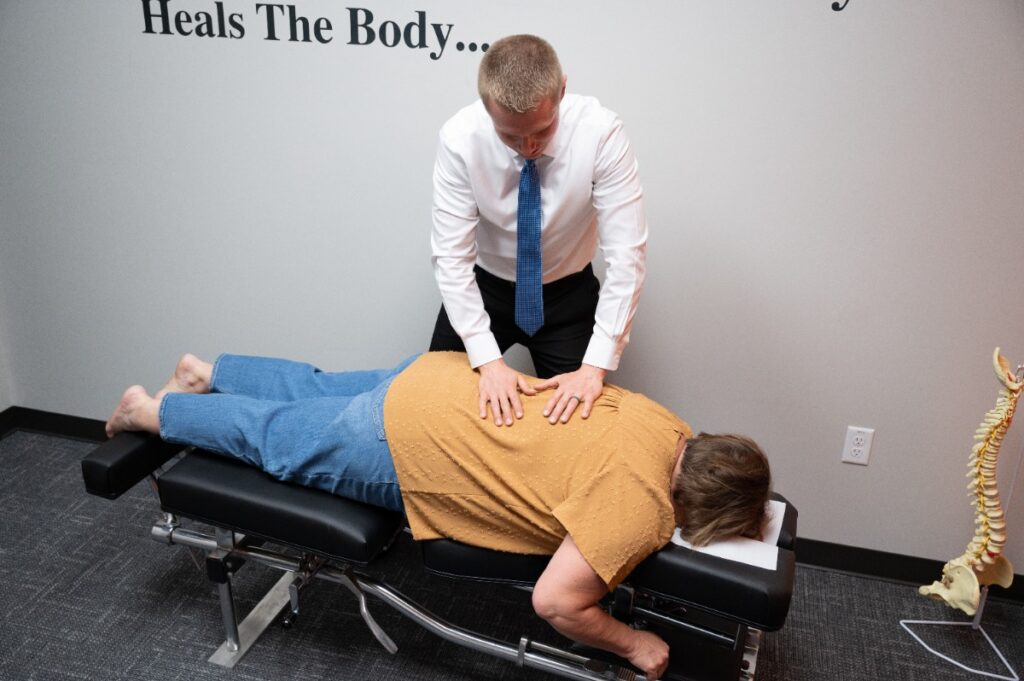
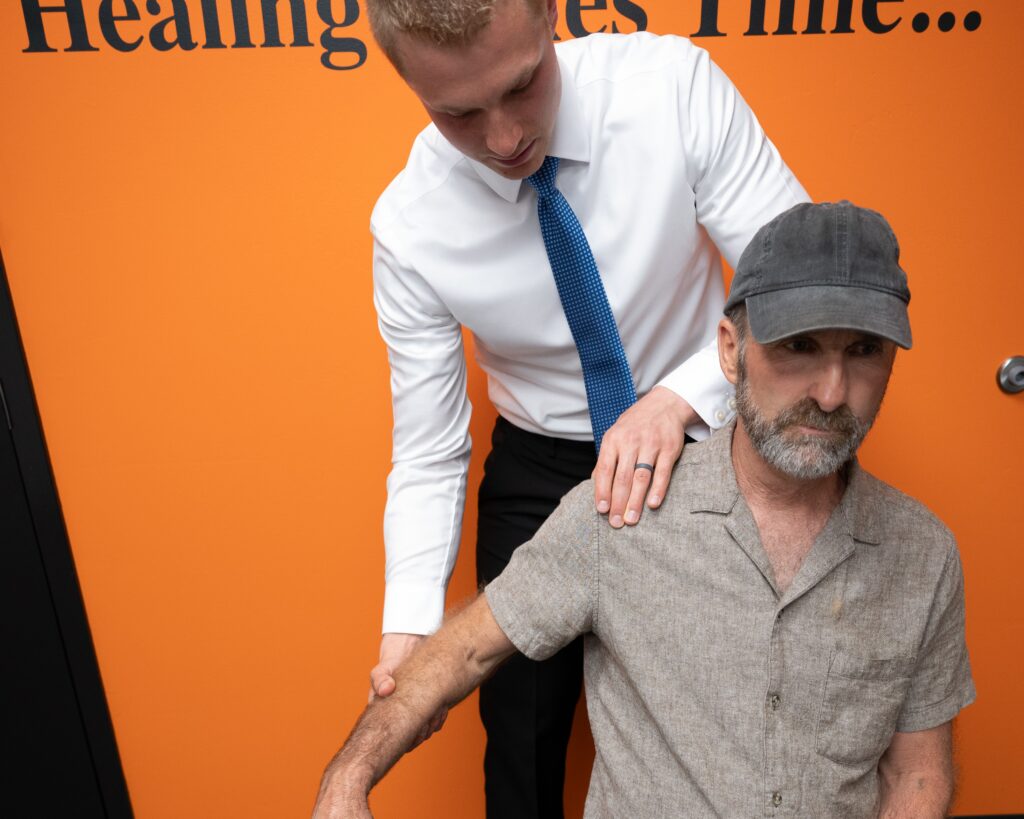
Another crucial aspect of physical therapy is manual therapy. This technique involves manipulating soft tissues and joints to alleviate pain and improve circulation. By increasing blood flow, you'll promote faster healing and reduce muscle stiffness. Additionally, therapists often incorporate modalities like ultrasound or electrical stimulation to further enhance recovery.
As you progress, your therapist will adjust your treatment plan to match your evolving abilities. They'll teach you proper techniques and stretches that you can incorporate into your routine, which is essential for maintaining your fitness level.
Ultimately, engaging in physical therapy isn't just about recovery; it's about optimizing your performance and guaranteeing you're ready for your next challenge. So, don't overlook this valuable resource — it's a key element in your overall athletic journey.
Mental Strategies for Recovery
While physical recovery is essential, mental strategies play an equally important role in your overall athletic recovery. Your mindset can greatly influence how quickly and effectively you bounce back from intense training or competition.
By incorporating mental techniques into your recovery routine, you can enhance your resilience and improve your performance.
Here are some effective mental strategies to reflect upon:
- Visualization: Picture yourself in a state of peak performance. Visualizing success can boost your confidence and help you mentally rehearse your next steps.
- Mindfulness: Practice being present in the moment. Mindfulness can reduce stress and anxiety, allowing you to focus on your recovery without distractions.
- Positive Self-Talk: Replace negative thoughts with positive affirmations. Encouraging yourself can shift your mindset and foster a greater sense of belief in your abilities.
- Goal Setting: Set achievable short-term and long-term recovery goals. Having specific objectives gives you a roadmap and keeps you motivated throughout the recovery process.
Incorporating Technology in Recovery
As you focus on mental strategies for recovery, don't overlook the role technology can play in enhancing your athletic performance. From fitness trackers to recovery apps, incorporating tech into your routine can optimize your recovery process.
Wearable devices like smartwatches monitor your heart rate, sleep patterns, and activity levels, helping you understand how your body responds to training. Using this data, you can make informed decisions about when to push yourself and when to rest.
Recovery apps, on the other hand, offer personalized plans and reminders tailored to your specific needs. They can guide you through stretching routines, hydration reminders, and even meditation practices, ensuring you stay on track.
Additionally, consider integrating modalities such as electrical stimulation devices or infrared therapy. These tools aid muscle recovery and reduce inflammation, allowing you to bounce back faster after intense workouts.
Virtual reality (VR) platforms also present unique opportunities for mental recovery through guided visualization exercises, helping you stay focused and calm during downtime.
Conclusion
Incorporating expert support into your recovery routine is essential for maximizing performance and preventing injuries. By focusing on nutrition, engaging with physical therapists, and utilizing technology, you can enhance your healing process and boost your resilience. Don't underestimate the importance of mental strategies, either; they play a key role in your recovery journey. Embrace these elements, and you'll not only recover faster but also elevate your game on the field or court.