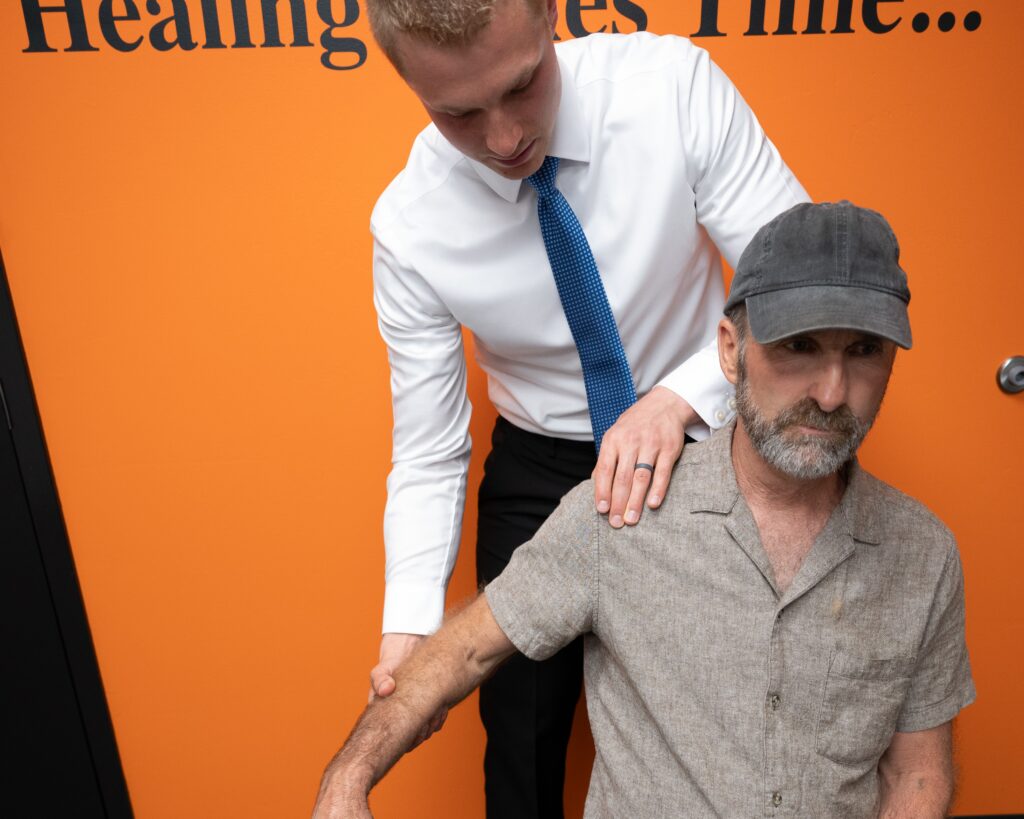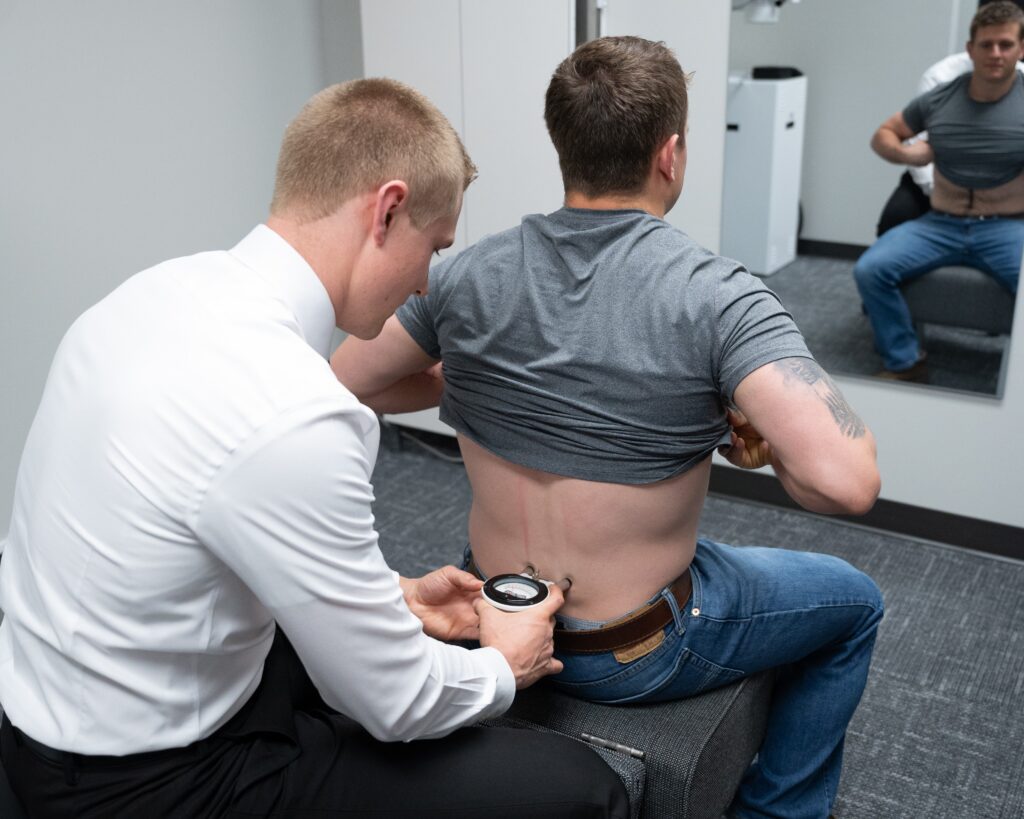

As a local chiropractor, I understand that dealing with a sports injury can be a daunting experience. Recovery may seem overwhelming, but it’s crucial to approach the healing process with a clear and strategic plan. By incorporating rest, rehabilitation, and effective pain management techniques, you can significantly enhance your recovery journey.
Many people are surprised at how simple adjustments to their routine can facilitate faster healing. Understanding the best practices for recovery is vital, especially as you work towards regaining your strength and returning to peak performance.
Chiropractic care plays an essential role in this process. By focusing on the alignment of your spine and optimizing your body’s natural healing abilities, we can support your recovery more effectively. Let’s delve into these necessary strategies together, so you can get back to doing what you love with confidence.
Rest and Rehabilitation
When you experience a sports injury, it’s crucial to prioritize rest and rehabilitation for effective recovery. Many people feel the urge to jump back into their activities, but neglecting your body’s need for healing can lead to prolonged setbacks.
As a local chiropractor, I encourage you to take a step back and listen to your body; give it the time it needs to recuperate fully.
As you begin to feel better, consider incorporating gentle movements and stretches into your daily routine. These practices can help maintain flexibility and promote blood flow to the injured area, aiding in the healing process.
Additionally, collaborating with a chiropractor can be incredibly beneficial. We can create a personalized rehabilitation program designed to address your specific needs, ensuring a safe and effective recovery.
Embracing natural healing methods can’t only facilitate your recovery but also enhance your overall wellness.
Ice Therapy
As a local chiropractor, I want to share with you the incredible benefits of ice therapy for your recovery process.
Many patients are unaware of how effective it can be in alleviating pain and reducing swelling, especially after an injury. When applied correctly, ice therapy can significantly enhance your healing journey.
It’s important to understand the best techniques for using ice to ensure you get the maximum benefits. Incorporating this natural method into your recovery routine can complement the chiropractic care you receive and promote overall wellness.
Let’s explore how to use ice therapy effectively together!
Benefits of Ice Therapy
As a local chiropractor, I want to share the significant benefits of ice therapy, especially after a sports injury. When you apply ice to the injured area, it works wonders by constricting blood vessels, which helps to minimize both pain and swelling. This immediate response can accelerate your recovery process and reduce discomfort, allowing you to get back to your favorite activities more quickly.
Ice therapy isn’t only effective in alleviating sharp pain by numbing the area, but it also plays a crucial role in preventing further injuries. By reducing muscle spasms and tightness, you can maintain better mobility and protect yourself from additional strain.
One of the best aspects of ice therapy is its simplicity and cost-effectiveness. You can easily apply it at home with just a few ice packs or even a bag of frozen vegetables.
Keep in mind that the sooner you apply ice after an injury, the better your recovery will be. Utilizing ice therapy effectively can truly be a game changer in your healing journey. Don’t overlook its benefits; incorporating it into your recovery plan can make a significant difference!
Proper Application Techniques
As your local chiropractor, I want to help you understand the importance of using ice therapy effectively to enhance your healing process. When applying ice, it’s crucial to adhere to specific techniques to maximize its benefits.
Begin by using an ice pack or even a bag of frozen vegetables, but remember to wrap it in a towel to protect your skin from frostbite.
Apply the ice to the affected area for about 15 to 20 minutes. After that, it’s important to allow your skin to rest for at least 40 minutes before applying ice again. If you can, keep the ice pack in motion to avoid concentrating the cold on one spot for too long.
Always be mindful of how your body is responding; if you experience significant pain or numbness, remove the ice immediately.
For optimal results, I recommend using ice therapy within the first 48 hours following an injury. Pairing this with rest and elevation can significantly enhance your recovery.
Compression Techniques
As a local chiropractor, I want to share an effective method for managing sports injuries that many may not be familiar with: compression techniques.
Using compression can significantly help in reducing swelling and providing support to the injured area, which is essential for your recovery.
You can utilize tools like elastic bandages, compression sleeves, or specialized wraps. The key is to apply compression snugly enough to be effective, but not so tight that it restricts your circulation or causes discomfort. It’s all about finding that balance.
When applying compression, start wrapping from the farthest point of the injury and move towards your body. This technique helps push fluid away from the injured site, which can aid in reducing swelling.
Remember to regularly check the tightness of your wrap and make adjustments as needed to ensure proper circulation.
It’s important to note that compression is most beneficial during the initial stages of recovery, especially while resting or after physical activity.
When combined with rest and ice therapy, compression can greatly enhance your healing process.
If you have any uncertainties about the right technique or if your injury isn’t improving, I encourage you to consult with a healthcare professional, such as myself, to ensure you’re on the right path to recovery.
Elevation Strategies
As your local chiropractor, I want to share some important insights about the role of elevation in your recovery process, especially if you’ve recently suffered an injury.
While compression techniques are vital for managing swelling, elevating the injured area can significantly enhance your healing.
Elevation works by reducing blood flow to the injury, which helps minimize both swelling and pain. To do this effectively, find a comfortable position—whether lying down or sitting—and raise the injured limb above heart level. Using cushions or pillows can provide the necessary support to maintain this position comfortably.
I recommend keeping the injured area elevated for at least 20 minutes every hour during the first few days after your injury. This practice is crucial, particularly in the first 48 hours, when swelling is likely to peak.
Plus, combining elevation with ice therapy can further accelerate your recovery.
It’s also essential to listen to your body. If you experience discomfort or pain while elevating your injury, don’t hesitate to adjust your position.
By prioritizing elevation as part of your recovery strategy, you can make a significant impact on the speed and effectiveness of your healing process.
Gradual Return to Activity
As you start to feel better, it’s crucial to approach your return to activity with caution and a well-thought-out plan for your health. First, evaluate your pain levels and range of motion.
I recommend starting with light activities, focusing on low-impact exercises that won’t put too much strain on your recovering body. Gradually increase the intensity and duration as you feel more comfortable.
Always listen to your body—if you encounter pain or discomfort, it’s important to take a step back. Incorporate rest days into your routine to avoid overexertion and consider cross-training activities that can help you maintain your fitness without aggravating your injury.
Setting realistic goals and tracking your progress can help you stay motivated during this recovery process. It’s also beneficial to seek guidance from a chiropractor, who can provide personalized advice on safely reintroducing your favorite activities.
Physical Therapy
When it comes to recovering from a sports injury, chiropractic care can be a vital component of your rehabilitation journey.
By focusing on targeted adjustments and exercises, we can help strengthen your body and restore your natural range of motion.
Additionally, our hands-on techniques aim to alleviate pain and enhance overall function.
Together, these approaches not only support your recovery but also promote long-term wellness, helping you get back to doing what you love.
Understanding the benefits of chiropractic care can empower you to embrace a more natural healing process.
Importance of Rehabilitation Exercises
Rehabilitation exercises are crucial for anyone on the path to recovery from sports injuries, and I want to emphasize their importance in your healing journey. As your local chiropractor, I believe that these targeted movements aren’t just about rebuilding strength, flexibility, and mobility; they’re about restoring your body’s natural balance and function.
Incorporating rehabilitation exercises into your daily routine allows you to safely regain your ability to participate in your favorite sports. These exercises specifically address any imbalances or weaknesses that may have contributed to your injury, significantly reducing the risk of re-injury in the future.
Working with a physical therapist or following a structured program can help you monitor your progress and make the necessary adjustments along the way.
Remember, consistency is vital. Even when you start feeling better, it’s essential to continue with your rehab exercises. They’re a key component of your overall recovery strategy, paving the way for long-term success and improved performance when you get back on the field or court.
Embracing this holistic approach not only aids in physical recovery but also supports your body’s natural healing processes.
Role of Manual Therapy
As a local chiropractor, I want to emphasize the crucial role that manual therapy plays in your recovery from sports injuries. While many individuals often concentrate solely on exercises, incorporating manual therapy can significantly enhance your healing process. This hands-on approach encompasses various techniques such as massage, joint mobilization, and myofascial release, all designed to alleviate pain and improve your mobility.
When you work with a skilled chiropractor, you can expect to see improved blood flow to the injured area, which is essential for promoting faster healing. Manual therapy is also effective in breaking down scar tissue and relieving muscle tension, making it easier for you to engage in rehabilitation exercises.
It’s vital to maintain open communication with your chiropractor regarding your pain levels and overall progress. This ensures that your treatment is tailored to your specific needs.
Nutrition and Hydration
As a local chiropractor, I want to emphasize the vital role that proper nutrition and hydration play in your recovery from sports injuries. When you’re healing, your body requires essential nutrients and fluids to repair itself effectively.
It’s important to focus on a balanced diet that includes lean proteins, healthy fats, and whole grains. Proteins are particularly beneficial as they help repair damaged tissues, while healthy fats and carbohydrates provide the necessary energy for your recovery journey.
Additionally, don’t overlook the importance of vitamins and minerals. These nutrients are crucial for reducing inflammation and supporting your immune system. Make it a point to include a variety of fruits and vegetables in your meals to ensure you’re getting a broad spectrum of nutrients.
Hydration is just as critical for your recovery. Water plays a key role in transporting nutrients throughout your body and can even help alleviate muscle soreness.
I recommend aiming for at least 8-10 glasses of water each day, and be sure to increase your intake if you’re sweating or engaging in physical activity.
By focusing on nutrition and hydration, you can significantly enhance your recovery process and support your body’s natural healing abilities.
Conclusion
As a local chiropractor, I want to emphasize the importance of taking a holistic approach when recovering from sports injuries. It’s essential to prioritize rest, as your body needs time to heal. Utilizing ice and compression can be effective in managing pain and reducing swelling in the affected area. Elevating the injury can also aid in these processes.
As you begin to feel better, it’s crucial to ease back into your activities gradually. This is where chiropractic care can play a significant role. Through tailored physical therapy and adjustments, we can help you rebuild strength and restore functionality to your body. Additionally, don’t underestimate the power of proper nutrition and hydration; these factors are vital in supporting your overall healing process.
Remember, patience is key. Always listen to your body, and if you have any questions about your recovery or how chiropractic care can assist you, feel free to reach out. Together, we can help you get back to your game safely and effectively!