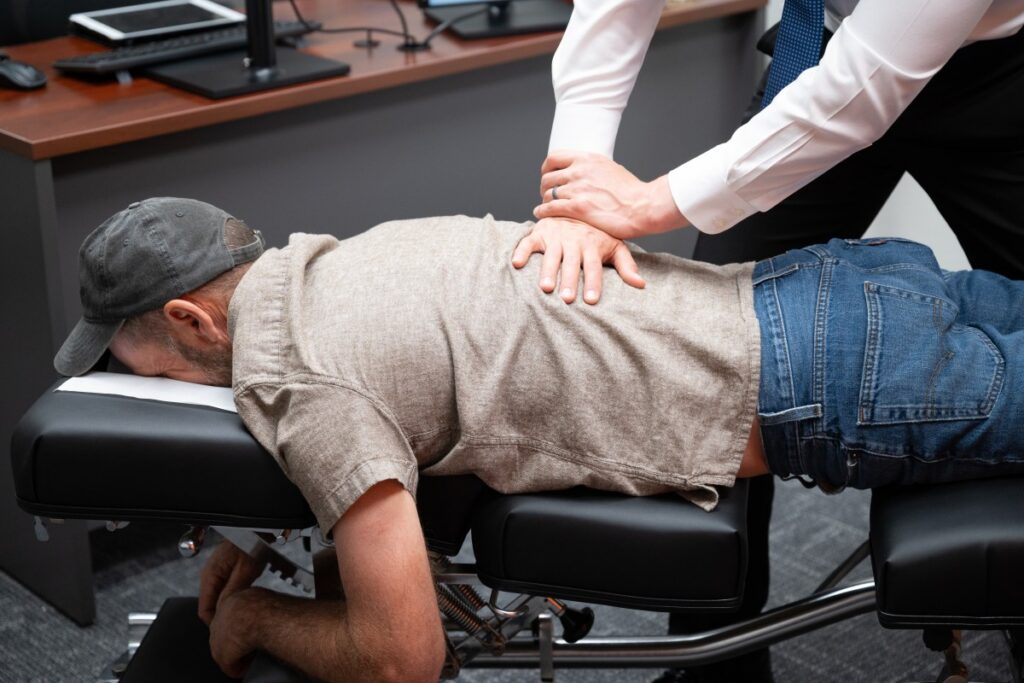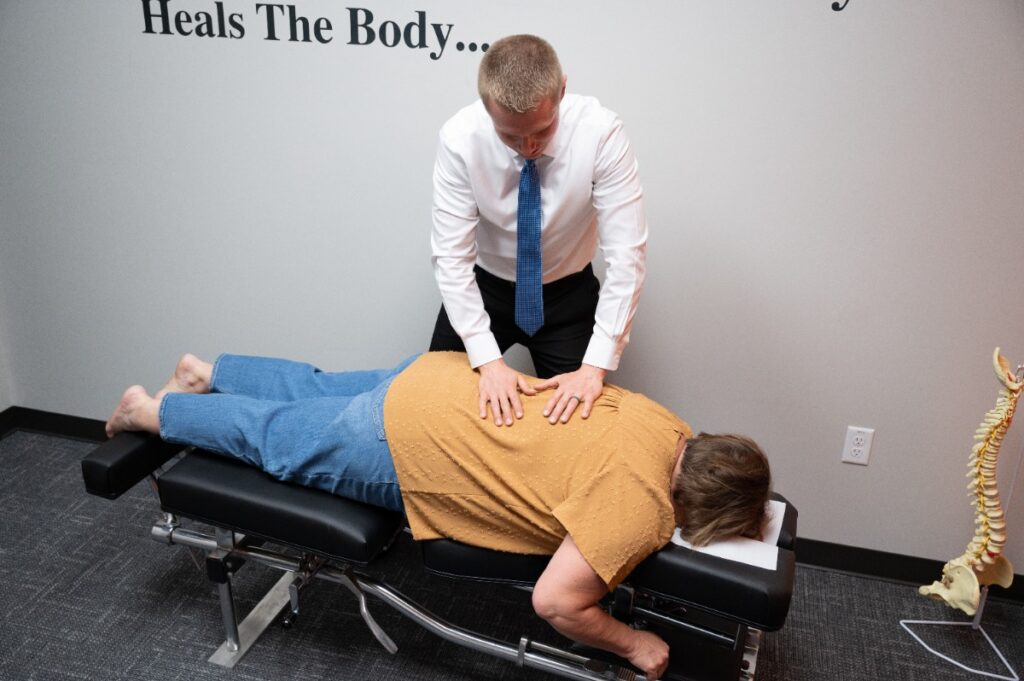

As your local chiropractor, I understand that many of you may be dealing with back pain stemming from poor posture. It’s crucial to identify and tackle the underlying causes of this discomfort. By making simple adjustments in your workspace and incorporating specific exercises into your routine, you can experience substantial improvement. Additionally, gaining insight into your body’s alignment is key to achieving long-term relief. I’m here to guide you through these effective strategies that will help you restore comfort and stability in your everyday life. Let’s work together to enhance your well-being and empower you to live pain-free.
Ergonomic Workspace Setup
As a local chiropractor, I want to share how setting up your workspace ergonomically can significantly benefit your spinal health and overall comfort. Proper alignment is key to preventing strain on your back and neck, which is essential for maintaining good posture and overall well-being.
Begin by ensuring your chair supports your lower back effectively. A chair with built-in lumbar support can work wonders in maintaining the natural curve of your spine. Your feet should rest flat on the floor or on a footrest, with your knees aligned at hip level to promote optimal alignment.
Next, adjust your desk and keyboard height so that your elbows are bent at a 90-degree angle while typing. This position helps maintain straight wrists and reduces the risk of repetitive strain injuries.
It’s also crucial to position your monitor at eye level, about an arm’s length away. This optimal distance helps prevent neck strain, which is common when the monitor is too high or too low. If you primarily use a laptop, consider investing in a separate keyboard and mouse to promote better posture.
Lastly, ensure your workspace is well-lit to minimize glare, which can lead to eye strain and discomfort.
By incorporating these simple ergonomic adjustments, you can create a workspace that not only supports good posture but also alleviates back pain and enhances your productivity.
Strengthening and Stretching Exercises
As a local chiropractor, I want to emphasize the importance of integrating strengthening and stretching exercises into your daily routine to enhance your spinal health and alleviate any posture-related back pain you may be experiencing.
Focusing on exercises that target your core, back, and hip muscles is crucial, as a strong core provides essential support for your spine. Exercises like planks, bridges, and back extensions are fantastic for building strength in these areas.
In addition, it’s vital to incorporate stretching into your regimen to improve flexibility and relieve tension in your muscles. Simple stretches such as chest openers, hamstring stretches, and hip flexor stretches can be incredibly beneficial, especially if you spend long hours sitting.
I recommend adopting a balanced approach by dedicating time each week to both strength training and stretching exercises. You don’t need to start with lengthy sessions; even a few minutes each day can yield significant benefits.
As you progress, you can gradually increase both the duration and intensity of your workouts.
Remember, consistency is key. Even short, regular sessions can make a substantial difference in your overall posture and help reduce back pain.
By making these exercises a regular part of your lifestyle, you’re taking proactive steps toward improving your spinal health and enhancing your overall well-being.
If you have any questions about specific exercises or how to get started, feel free to ask during your next visit!
Mindfulness and Body Awareness Techniques
As a local chiropractor, I want to share with you the importance of combining physical exercises with mindfulness and body awareness techniques to manage posture-related back pain effectively.
While chiropractic care can help align your spine and relieve discomfort, developing a deeper connection to your body can significantly enhance your overall well-being.
One of the first steps you can take is to incorporate simple breathing exercises into your daily routine. By focusing on your breath, you’ll start to notice how your body feels in various positions throughout the day, which can help you become more mindful of your posture.
Additionally, practicing body scans can be incredibly beneficial. This technique involves mentally checking in with each part of your body, allowing you to recognize areas of tension or discomfort. By increasing your awareness, you can make the necessary adjustments to improve your posture and reduce pain.
I also recommend exploring practices like yoga and tai chi. These activities not only promote movement but also emphasize mindfulness, helping you cultivate balance and flexibility in your body.
Lastly, don’t overlook the power of meditation. Taking just a few moments each day to clear your mind can significantly reduce stress, which often contributes to pain and discomfort.
Embracing these mindfulness techniques alongside your chiropractic treatments can lead to relief and a greater sense of overall comfort. Remember, your journey to better health is a holistic one, and I’m here to support you every step of the way.
Conclusion
As a local chiropractor, I want to help you understand how simple changes can significantly improve your posture and alleviate back pain. One of the first steps is to create an ergonomic workspace setup. This means arranging your desk and chair in a way that supports your spine and reduces strain, which ultimately leads to greater comfort during your workday.
In addition to your workspace, I recommend incorporating regular strengthening and stretching exercises into your routine. These exercises not only help to balance your muscles but also enhance flexibility, which is essential for maintaining good posture.
Furthermore, practicing mindfulness and body awareness techniques can be incredibly beneficial. By becoming more attuned to your posture throughout the day, you can make adjustments before discomfort sets in.
By combining these strategies, you can effectively reduce posture-related back pain and enjoy a healthier, more active lifestyle. Don’t hesitate to start implementing these changes today—lasting relief is within your reach! If you have any questions or need further guidance, feel free to reach out.