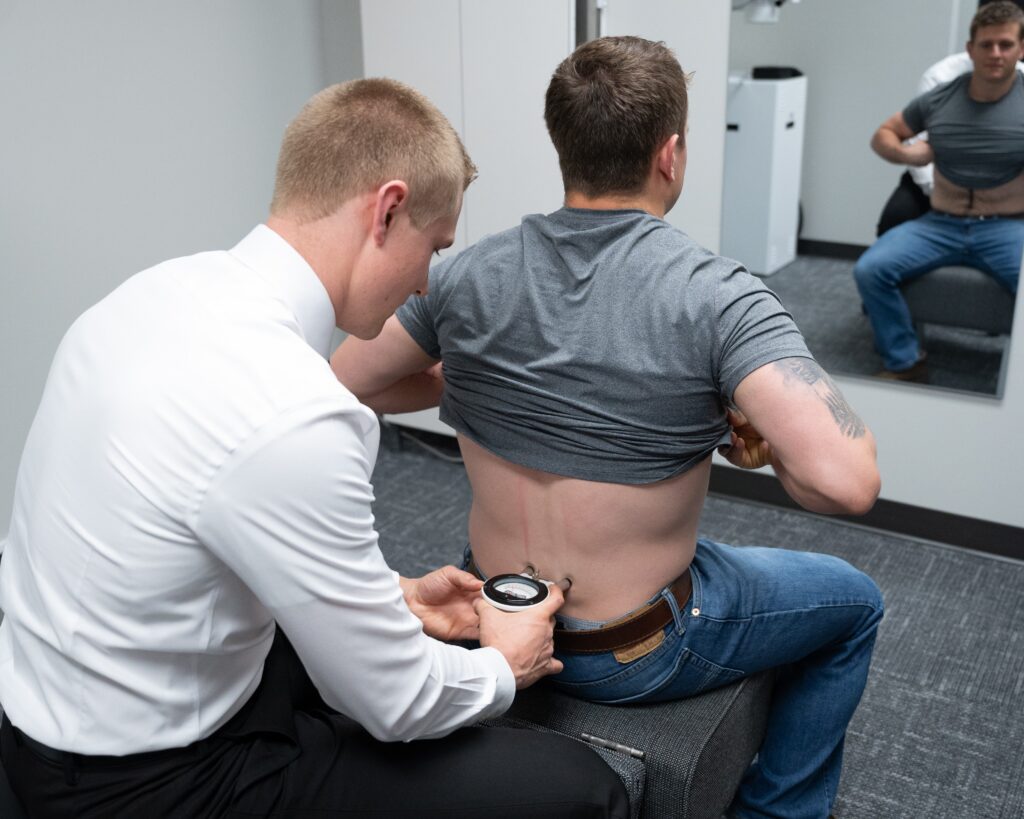

As a local chiropractor, I understand how challenging back pain can be for many individuals. It’s crucial to explore effective posture correction techniques that can alleviate discomfort and promote healing. I often see patients who are surprised by how small adjustments in their daily routines can lead to substantial improvements in their pain levels.
Strengthening your core muscles is a key component of maintaining a healthy spine and alleviating back pain. Additionally, optimizing your workspace—whether at home or in the office—can make a world of difference. Simple changes like adjusting your chair height or using ergonomic tools can enhance your posture and comfort.
Moreover, adopting mindful sitting habits can significantly impact your overall well-being. By being aware of your posture throughout the day, you can prevent the strain that often contributes to back pain. These strategies not only help in reducing discomfort but can also transform your daily life, allowing you to engage more fully in activities you enjoy. Let’s work together to create a plan that supports your health and well-being through natural healing and effective posture correction.
Strengthening Core Muscles
As a local chiropractor, I want to emphasize the importance of strengthening your core muscles, especially when it comes to alleviating back pain. A strong core is vital because it supports your spine and enhances your posture, which is crucial for overall well-being.
Many people mistakenly think the core only refers to abdominal muscles; however, it also encompasses the muscles in your back, hips, and pelvis.
To help improve your core strength, consider incorporating exercises like planks, bridges, and bicycle crunches into your routine. These exercises are effective because they engage multiple muscle groups, leading to enhanced stability and strength.
I recommend aiming for consistency in your workouts—try to focus on your core at least three times a week. You don’t need any fancy equipment; your body weight is often enough to provide the resistance you need.
As your core strengthens, you may notice improved balance and reduced strain on your back, which can significantly enhance your daily activities.
Additionally, don’t overlook the importance of proper breathing during your workouts. Good oxygen flow helps you engage your muscles more effectively.
Over time, as you build a stronger core, you should experience better posture and a notable decrease in back pain, allowing you to move more freely and comfortably.
As you embark on this journey, remember that chiropractic care can also play a supportive role in your overall health and recovery.
If you have any questions or need guidance, don’t hesitate to reach out. Your health is a priority, and I’m here to help you on your path to better well-being.
Ergonomic Workspace Setup
As a local chiropractor, I want to emphasize the importance of a strong core not just for your physical activities but also for your workspace setup. An ergonomic environment is key to maintaining your spinal health and overall well-being.
Start with your chair; it should provide adequate support for your lower back and allow your feet to rest flat on the floor. This alignment is crucial for preventing discomfort and promoting good posture.
Next, adjust your desk height so your elbows form a 90-degree angle while typing, which helps reduce strain on your shoulders and neck.
Your monitor should be positioned at eye level, approximately an arm’s length away. This placement is vital for preventing neck strain and keeping your spine in a neutral position.
I also recommend using a keyboard and mouse that encourage a natural wrist position to avoid repetitive strain injuries.
If you spend long hours at your desk, consider investing in a standing desk or a convertible option that allows you to alternate between sitting and standing.
It’s important to keep frequently used items within arm’s reach to minimize unnecessary twisting and stretching, which can lead to discomfort.
Lastly, remember to take regular breaks to stand up, stretch, and walk around. These small actions can significantly contribute to your spinal health.
Mindful Sitting Techniques
As a chiropractor, I want to share some effective mindful sitting techniques that can significantly improve your posture and help alleviate back pain, especially when you’re working at your desk.
It’s essential to start by being aware of how your body is aligned. Make sure your feet are flat on the floor and your knees are at a right angle, with your back straight against the chair. Engaging your core muscles gently can provide the necessary support for your spine.
Throughout your day, it’s important to check in with your body. Are you slouching? If you notice any discomfort, take a moment to roll your shoulders back and down to correct your posture. Incorporating deep breathing can also enhance relaxation and improve your focus.
Be mindful of crossing your legs, as this can create uneven pressure on your hips and lead to discomfort over time. Instead, try shifting your weight from one side to the other periodically to promote better circulation.
Stretching and Flexibility Exercises
As your local chiropractor, I want to emphasize the importance of incorporating regular stretching and flexibility exercises into your daily routine. Doing so can significantly improve your posture and alleviate back pain. Stretching helps to lengthen tight muscles and enhances your range of motion, which is crucial for maintaining proper posture throughout the day.
It’s particularly beneficial to focus on stretches that target the back, hips, and shoulders, as these areas are common sites for tension. Simple stretches, such as the cat-cow pose, standing forward bend, and child’s pose, can provide tremendous relief. I recommend holding each stretch for 15-30 seconds while taking deep breaths to help release any built-up tension.
In addition to static stretches, consider incorporating dynamic stretches like arm circles and torso twists to warm up your muscles before any physical activity. This can prepare your body for movement and help prevent injury.
Always remember to listen to your body. If any stretch feels uncomfortable, feel free to adjust your position or skip it altogether.
Aiming for just a few minutes of stretching each day can lead to increased flexibility and a noticeable reduction in back pain over time. As part of your overall wellness journey, these practices can complement the chiropractic care you receive and contribute to your natural healing process.
Regular Movement and Breaks
As a local chiropractor, I want to emphasize the importance of taking regular movement breaks throughout your day. This practice is crucial for maintaining good posture and alleviating back pain.
When you remain in one position for extended periods, it can lead to stiffness and strain, which can worsen any discomfort you may already be experiencing.
Incorporating short movement breaks into your daily routine can significantly enhance your posture and help reduce tension throughout your body. Here are some practical suggestions to integrate movement into your day:
- Set a timer: I encourage you to set a reminder to stand up and stretch every 30 to 60 minutes. This simple act can help reset your posture and relieve built-up pressure.
- Walk around: Use phone calls or meetings as a chance to move around your space. This not only keeps your body active but can also stimulate circulation and boost energy levels.
- Do simple exercises: During your breaks, consider incorporating easy exercises like squats, lunges, or shoulder rolls. These movements can keep your muscles engaged and help prevent stiffness.
By being proactive about your movement throughout the day, you can support your overall health and well-being.
Conclusion
As a local chiropractor, I want to share with you five effective techniques that can help improve your posture and alleviate back pain. By incorporating these strategies into your daily routine, you can experience significant relief and enhance your overall well-being.
- Strengthen Your Core: A strong core is essential for supporting your spine. Simple exercises like planks and bridges can help build strength in this area.
- Set Up an Ergonomic Workspace: Whether you work from home or in an office, it’s crucial to create a workspace that promotes good posture. Adjust your chair, desk, and computer screen to ensure they are at comfortable heights.
- Practice Mindful Sitting: Pay attention to how you sit. Keep your back straight, shoulders relaxed, and feet flat on the ground. This awareness can help reduce strain on your back.
- Stretch Regularly: Incorporating stretches into your daily routine can improve flexibility and relieve tension in your muscles. Focus on stretches that target the back, neck, and hips.
- Take Movement Breaks: Don’t forget to get up and move throughout the day. Taking short breaks to walk around or do light exercises can prevent stiffness and keep your body feeling good.
Start small by making these habits part of your life, and you’ll likely notice a positive impact on how you feel. Remember, prioritizing your posture today can lead to a healthier back tomorrow! If you have questions or need personalized guidance, feel free to reach out to me. Together, we can work towards a pain-free lifestyle through natural healing methods.