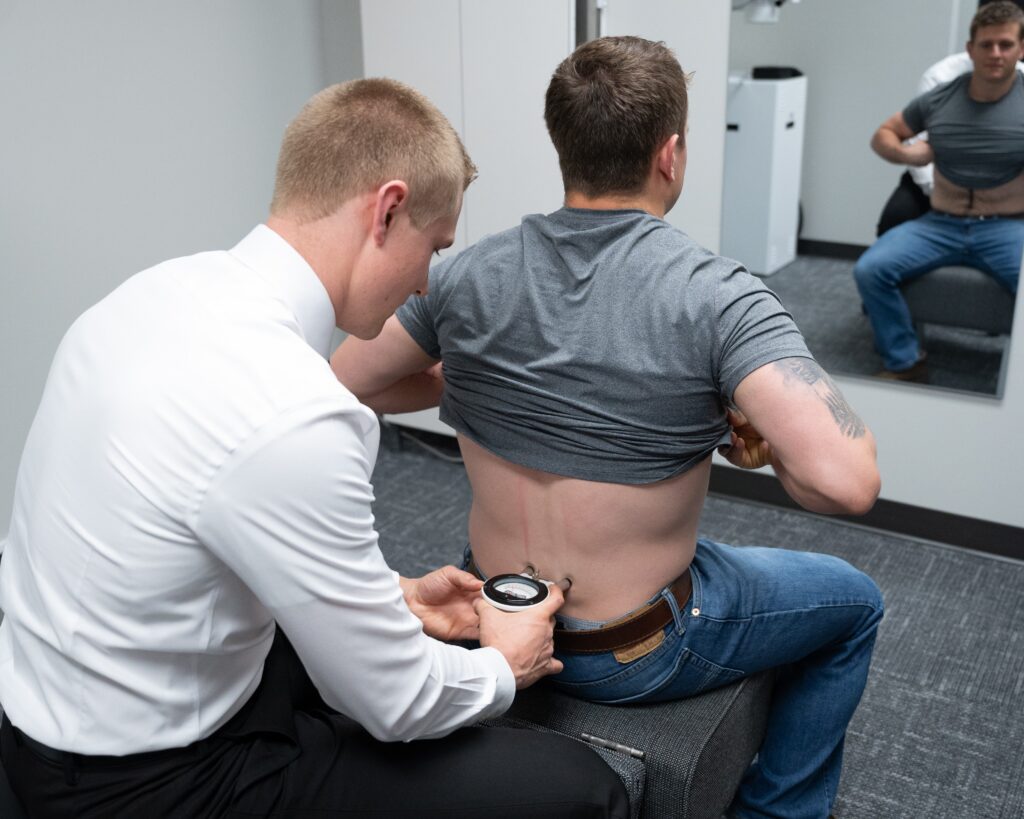

As a local chiropractor, I understand how frustrating it can be to live with persistent back pain. Often, the solutions lie not just in treatment, but in the daily habits we cultivate. If you’re open to it, I encourage you to take a closer look at your lifestyle choices. By making simple adjustments, you can significantly enhance your spinal health and overall well-being.
Key areas to focus on include your posture, the type of exercise you engage in, and how you set up your work environment. These elements play a crucial role in supporting your back and preventing discomfort. If you’re curious about how to implement these changes for long-term relief, I invite you to explore these essential lifestyle modifications with me. Together, we can work towards creating a healthier, pain-free life.
Improve Your Posture
As a local chiropractor, I want to emphasize the importance of improving your posture for preventing back pain. Your spine’s alignment is crucial to your overall health, and the way you sit or stand plays a significant role in that alignment.
It’s essential to keep your shoulders back and relaxed while ensuring your head remains aligned with your spine. Slouching or leaning forward can place unnecessary stress on your back muscles, leading to discomfort and pain.
If you spend long hours at a desk, consider investing in an ergonomic chair that provides proper support for your lower back. Additionally, keep your feet flat on the ground to maintain a stable base.
When using a computer, ensure that your screen is positioned at eye level to avoid straining your neck. Similarly, when using your phone, try to hold it at eye level rather than looking down, which can contribute to poor posture.
I encourage you to regularly check in on your posture throughout the day. Making small adjustments can lead to significant improvements over time.
Consistent awareness and practice are key components in maintaining good posture, which in turn can reduce your risk of developing chronic back pain. By incorporating these habits into your daily routine, you can experience the positive effects of better posture and overall well-being.
Stay Active With Regular Exercise
As a local chiropractor, I want to emphasize the importance of staying active to prevent back pain. Regular exercise plays a crucial role in maintaining a healthy spine and overall well-being.
By focusing on strengthening your core muscles and incorporating flexibility training into your routine, you can provide essential support for your spine and enhance your stability.
Let’s take a closer look at how these exercises can help you stay active and pain-free, paving the way for a healthier lifestyle without relying solely on medication or invasive treatments.
Together, we can explore natural healing methods that keep your body moving efficiently and comfortably.
Strengthening Core Muscles
As a local chiropractor, I want to emphasize the importance of strengthening your core muscles to prevent back pain and promote overall well-being.
A strong core not only supports your spine but also improves your posture and enhances your stability, which is vital for maintaining a healthy lifestyle.
Here are some effective exercises that you can incorporate into your routine:
- Planks: This exercise involves holding a plank position that engages your entire core. It’s a fantastic way to build endurance and strength in your abdominal muscles.
- Bridges: By lifting your hips while lying on your back, you can effectively strengthen your lower back and glutes. This exercise promotes better alignment and reduces strain on your spine.
- Bicycle Crunches: This dynamic movement targets your obliques and upper abs, helping to create a balanced core that supports your daily activities.
- Dead Bugs: Lying on your back, you can alternate extending your arms and legs. This exercise not only improves coordination but also enhances your core strength, contributing to better stability and injury prevention.
Incorporating these exercises into your regular routine can be a powerful way to support your spine and overall health.
Incorporating Flexibility Training
As a local chiropractor, I want to emphasize the importance of incorporating flexibility training into your wellness routine. While many individuals prioritize strength training, flexibility exercises play a crucial role in preventing back pain and improving overall mobility. Stretching helps maintain the elasticity of your muscles and joints, which can significantly reduce stiffness and enhance your posture.
Activities like yoga and Pilates not only improve flexibility but also encourage relaxation, helping to alleviate tension in your back. I recommend that you aim to include flexibility training at least two to three times a week. Simple stretches, such as hamstring and hip flexor stretches, can easily be performed at home or during breaks at work.
It’s vital to listen to your body during these exercises and avoid pushing through any pain. By dedicating time to flexibility training, you’re laying a stronger foundation for your back, which can help reduce the risk of injury and discomfort.
Strengthen Core Muscles
As your local chiropractor, I want to emphasize the importance of strengthening your core muscles for preventing back pain and enhancing your overall stability. Many people aren’t aware that a strong core is vital for maintaining a healthy spine and reducing the risk of injury.
By incorporating specific core exercises into your daily routine, along with regular stretching, you can experience significant improvements in your back health.
Let’s delve into some effective exercises and stretches that are easy to integrate into your day-to-day life. These movements not only support your spine but also contribute to your overall well-being.
Core Exercises Essentials
As a local chiropractor, I often emphasize the importance of core exercises in supporting spinal health and alleviating back pain. A strong core not only provides stability but also plays a crucial role in preventing discomfort and enhancing overall well-being.
If you’re new to chiropractic care and natural healing, incorporating these core exercises into your routine can be a game-changer. Here are some essential exercises I recommend:
- Planks: This exercise involves holding your body in a straight line while engaging your core. It helps build endurance in your core muscles, which can support your spine effectively.
- Bridges: To perform this exercise, lie on your back with your knees bent. Lift your hips towards the ceiling and squeeze your glutes. This movement strengthens the lower back and can alleviate pressure on the spine.
- Russian Twists: Sit with your knees bent and lean back slightly. By twisting your torso from side to side, you engage your oblique muscles, which are vital for maintaining stability during daily activities.
- Bird-Dogs: Get on all fours and extend one arm and the opposite leg simultaneously. This exercise not only improves balance but also activates your core, fostering better coordination between your upper and lower body.
Incorporating these exercises into your daily routine can be a proactive approach to managing back pain and promoting a healthy spine.
If you have any questions about these exercises or how they relate to your chiropractic care, feel free to reach out!
Daily Stretching Routines
As your local chiropractor, I want to emphasize the importance of daily stretching routines for enhancing your spinal health and building stronger core muscles. Many people don’t realize how beneficial simple stretches can be for their overall well-being.
Incorporating stretches like the cat-cow, child’s pose, and standing forward bend into your daily routine can significantly improve your flexibility and relieve tension in your back.
I recommend dedicating at least 10 minutes each day to these stretches. While you stretch, remember to breathe deeply; this not only reduces stress but also promotes relaxation.
Take your time—holding each stretch for 15 to 30 seconds allows you to truly listen to your body and what it needs.
Over time, you’ll likely notice improved mobility and a reduction in discomfort. Regular stretching, in conjunction with core strengthening exercises, creates a robust defense against back pain.
This practice is essential for maintaining a healthy and stable spine, which is crucial for your everyday activities. Embracing these natural methods can lead to a healthier lifestyle and a more resilient back.
Maintain a Healthy Weight
As a local chiropractor, I want to emphasize the importance of maintaining a healthy weight for your overall well-being, particularly in relation to preventing back pain. Carrying excess weight can place significant strain on your spine and the muscles surrounding it, which can lead to discomfort and poor posture.
Here are some straightforward strategies to help you manage your weight naturally:
- Eat a balanced diet: Incorporating whole foods like fruits, vegetables, lean proteins, and whole grains into your meals can provide essential nutrients while helping you maintain a healthy weight.
- Stay active: Regular physical activity is crucial. Whether it’s walking, swimming, or strength training, find an exercise routine that you enjoy to burn calories and build muscle, which can support your spine and overall health.
- Monitor portion sizes: Being aware of how much you consume can prevent unnecessary weight gain. Mindful eating practices can help you tune into your body’s hunger signals.
- Stay hydrated: Drinking plenty of water not only aids in controlling hunger but also supports your body’s overall function, which is vital for maintaining a healthy weight.
By focusing on these strategies, you can help alleviate stress on your back and enhance your overall health.
If you have any questions or need guidance on how to implement these changes, don’t hesitate to reach out. I’m here to support your journey to optimal health!
Use Ergonomic Furniture
As a local chiropractor, I want to emphasize how crucial it’s to choose the right furniture to help prevent back pain and support your overall health.
Investing in ergonomic furniture, such as a well-designed chair and an adjustable desk, can significantly improve your posture throughout the day. These adjustments are vital in reducing strain on your spine and muscles.
Additionally, consider incorporating supportive accessories like cushions and footrests into your workspace.
These tools can enhance your comfort and provide the necessary support, allowing you to maintain a healthy alignment while you work.
Remember, taking care of your body begins with creating an environment that promotes good posture and reduces discomfort.
Your spine deserves the best support possible!
Chair Design Matters
As a local chiropractor, I often see patients who spend long hours sitting at desks and struggle with back pain. One significant factor that can alleviate discomfort is the chair you choose.
Ergonomic chairs are specifically designed to support the natural curve of your spine, enabling better posture and enhanced comfort during those long working hours. Investing in a quality ergonomic chair can help you maintain productivity while minimizing the discomfort that frequently arises from inadequate seating.
Here are some essential features to consider when selecting an ergonomic chair:
- Lumbar support: This feature is vital as it helps keep your lower back properly supported and aligned, which is crucial for spinal health.
- Adjustable height: A chair that adjusts allows you to find the optimal fit for your desk, ensuring your body is positioned correctly to avoid strain.
- Seat depth adjustment: This ensures your thighs are well-supported without any pressure points, which can lead to discomfort over time.
- Armrests: Proper armrests can significantly reduce shoulder strain and promote a more relaxed posture, which is essential for long-term well-being.
Remember, choosing the right chair isn’t just about comfort; it plays a crucial role in your overall health and can lead to a more pleasant work experience.
Taking the time to find a chair that supports your body properly can make a profound difference in your daily life.
Desk Height Adjustment
As a chiropractor, I often emphasize the importance of creating an ergonomic workspace to promote your overall health and well-being.
While a well-designed chair is important, desk height is equally crucial for your comfort and posture. Ideally, when your desk is set at the appropriate height, your elbows should rest comfortably at a 90-degree angle, and your wrists should remain straight as you type.
If your desk is too high, you may find yourself hunching your shoulders, which can lead to muscle strain and discomfort. Conversely, if it’s too low, you might experience back strain over time.
One effective solution is using an adjustable desk. This allows you the flexibility to alternate between sitting and standing, which can enhance circulation and reduce fatigue throughout your workday.
I encourage you to take a moment to evaluate your desk height and make any necessary adjustments. Ensuring that your workspace aligns with your body’s natural posture can significantly reduce the risk of discomfort and promote long-term spinal health.
Your back will truly appreciate the effort!
Supportive Accessories Usage
As a chiropractor, I often see the impact that workspace ergonomics can have on your overall health, particularly when it comes to back pain.
One of the key aspects of maintaining a healthy spine is creating an ergonomic workspace that supports your body’s natural alignment. By incorporating some supportive accessories, you can significantly enhance your comfort and promote better posture throughout your workday.
Here are a few essential items I recommend:
- Ergonomic chair: This type of chair is designed to provide lumbar support, which is crucial for maintaining the natural curve of your spine. It helps to encourage proper spinal alignment and can prevent discomfort and pain.
- Standing desk: Alternating between sitting and standing can greatly reduce strain on your back. A standing desk allows you to shift positions throughout the day, which can help alleviate pressure on your spine and improve your overall posture.
- Footrest: A footrest can be a game-changer for those who sit for long periods. It keeps your feet flat and promotes healthy circulation, which can ease pressure on your lower back and help you feel more comfortable.
- Monitor riser: Positioning your computer screen at eye level is vital for reducing neck strain. A monitor riser can help you achieve this, encouraging a more natural posture that aligns your head and spine properly.
By integrating these supportive accessories into your workspace, you can take proactive steps toward better spinal health and overall well-being.
Practice Stress Management Techniques
As a local chiropractor, I want to emphasize that while stress might seem like a minor issue, it can significantly contribute to back pain. When you’re under pressure, your muscles tend to tense up, particularly in the back, which can lead to discomfort or pain. To help manage this, it’s important to incorporate stress management techniques into your daily life.
One effective method is deep breathing exercises. These can be easily integrated into your routine and are excellent for relaxing both your body and mind. Additionally, mindfulness meditation is a powerful tool that encourages you to focus on the present moment, helping to alleviate anxiety and promote overall well-being.
Physical activity is another vital component in stress relief. Find activities you enjoy, whether it’s walking, dancing, or practicing yoga. Engaging in these activities not only helps reduce stress but also promotes a healthier spine.
Furthermore, make sure to set aside time for hobbies that bring you joy; these can serve as wonderful distractions from daily pressures.
Lastly, don’t underestimate the value of social support. Reaching out to friends or family can provide emotional relief and significantly reduce stress levels. Building a strong support network is essential for maintaining not just your mental health but also your physical health, including a healthier back.
Incorporate Flexibility and Stretching
As your local chiropractor, I want to emphasize the importance of incorporating flexibility and stretching into your daily routine. These practices are crucial for improving your back health and preventing pain. By dedicating just a few minutes each day to these activities, you’ll experience increased mobility and reduced tension in your muscles, which can significantly enhance your overall well-being.
Here are some effective ways to get started:
- Dynamic stretches: Begin with movements like arm circles and leg swings. These warm-up exercises help prepare your muscles for more intensive activity and can promote better blood flow.
- Yoga poses: Incorporating yoga into your routine can be incredibly beneficial. Poses like Downward Dog and Cat-Cow not only enhance flexibility but also strengthen your core, which is vital for maintaining proper posture and spinal alignment.
- Foam rolling: Using a foam roller is an excellent way to release tight muscles and improve blood circulation. This technique can help alleviate soreness and enhance your body’s ability to recover after physical activity.
- Targeted stretches: Focus on stretching key areas such as your hamstrings, hip flexors, and lower back. These targeted stretches can help alleviate discomfort and promote a greater range of motion, which is essential for a healthy spine.
By integrating these practices into your daily life, you’ll not only improve your back health but also contribute to your overall well-being.
Avoid Prolonged Sitting
As a local chiropractor, I want to share some important insights about the impact of prolonged sitting on your back health. Many people underestimate how sitting for extended periods can lead to stiffness and discomfort in the back. If you find yourself spending hours at a desk, it’s crucial to take proactive steps for your well-being.
One simple strategy is to set a timer to remind yourself to stand up and stretch every 30 minutes. Incorporating movements like standing, walking, or gentle stretches can keep your back engaged and help alleviate tension.
Consider exploring options like a standing desk or an adjustable workstation to add variety to your routine. Even if you’re working from home, make it a habit to alternate between sitting and standing throughout the day.
Additionally, it’s essential to pay attention to your posture while seated. Aim to keep your back straight and shoulders relaxed. Avoid crossing your legs, as this can place unnecessary stress on your lower back.
By making these small adjustments, you can significantly protect your back and promote better overall health. Remember, taking care of your body is a priority, and even small changes in your daily routine can lead to substantial benefits in the long run.
If you have any questions about how chiropractic care can help support your health, please feel free to reach out.
Invest in a Supportive Mattress
As a local chiropractor, I frequently emphasize the importance of a supportive mattress in maintaining not only quality sleep but also optimal spinal health. A well-chosen mattress can significantly reduce the risk of developing back pain by promoting your body’s natural alignment and alleviating pressure points.
Here are some essential factors to consider when selecting the right mattress for your needs:
- Firmness: I recommend opting for a medium-firm mattress. This level of firmness provides the necessary support for your spine without being excessively rigid, which can lead to discomfort.
- Material: Consider mattresses made from memory foam or latex. These materials tend to contour to your body’s shape, helping to maintain proper alignment throughout the night.
- Size: Ensure that your mattress is spacious enough to allow for comfortable movement and position changes during sleep. A mattress that’s too small can lead to restless nights and unnecessary strain on your back.
- Trial Period: Look for a mattress that offers a substantial trial period. This allows you to test the mattress in your own home and determine whether it meets your comfort and support needs.
Investing in the right mattress is a crucial step toward enhancing your sleep quality and supporting your overall health.
If you have any questions or need further guidance, feel free to reach out!
Stay Hydrated and Eat a Balanced Diet
As your local chiropractor, I want to emphasize the importance of staying hydrated and eating a balanced diet when it comes to preventing back pain. These habits aren’t just good for your overall health; they play a crucial role in supporting your muscle function and spinal health.
When you drink enough water—aim for at least eight glasses a day, adjusting for your activity level—you help maintain the elasticity of your spinal discs. These discs act as shock absorbers for your spine, and proper hydration is key to keeping them functioning well.
Additionally, incorporating a diverse range of foods that are rich in vitamins, minerals, and healthy fats into your diet is essential. Focus on consuming plenty of fruits, vegetables, whole grains, and lean proteins. Foods that are high in omega-3 fatty acids, such as salmon and walnuts, are particularly beneficial as they can help reduce inflammation and support joint health.
I also encourage you to avoid excessive sugar and processed foods. These can lead to weight gain, which puts additional strain on your back and can contribute to pain.
By prioritizing hydration and a nutritious diet, you’re equipping your body to better handle physical stress, ultimately decreasing your risk of experiencing back pain.
Conclusion
As a local chiropractor dedicated to your health, I want to share some essential lifestyle changes that can help prevent back pain and enhance your overall well-being. One of the first steps is to focus on maintaining good posture throughout your daily activities. This simple adjustment can make a significant difference in your spinal health.
Staying active is crucial, so I encourage you to find enjoyable ways to incorporate movement into your routine. Whether it’s walking, swimming, or yoga, keeping your body moving supports your spine and prevents stiffness. Additionally, investing in ergonomic furniture can provide the support your back needs, especially if you spend long hours sitting at a desk.
Incorporating flexibility exercises into your regimen is another effective strategy. Stretching helps maintain the range of motion in your joints and can alleviate tension in your muscles. Managing your weight is also important, as excess weight can put additional strain on your back.
Don’t forget about the importance of hydration and nutrition. Proper hydration helps maintain spinal discs, while a balanced diet provides the nutrients necessary for overall health.
Taking regular breaks from prolonged sitting is essential to avoid stiffness and discomfort. Lastly, choosing a supportive mattress can greatly impact the quality of your sleep and, subsequently, your back health.
Implementing these lifestyle changes today can set you on the path to a healthier, pain-free back. Remember, your well-being is my priority, and I’m here to support you on this journey!