
As a local chiropractor, I understand that dealing with lower back pain can be a daunting experience. Many people find it challenging to navigate the various options for relief. That’s where I come in! Chiropractic care is one of several licensed techniques designed to help manage and alleviate your discomfort effectively.
Chiropractic adjustments focus on aligning the spine and improving overall function, which can lead to significant pain relief. But that’s not all! Techniques like acupuncture, massage therapy, and physical therapy also play a crucial role in natural healing. Each method has its unique benefits, and together, they can enhance your overall well-being.
If you’re curious about how chiropractic care and these other techniques can work for you, I invite you to explore these options with me. Together, we can find the right approach tailored to your specific needs, helping you on your journey towards a pain-free life.
Physical Therapy
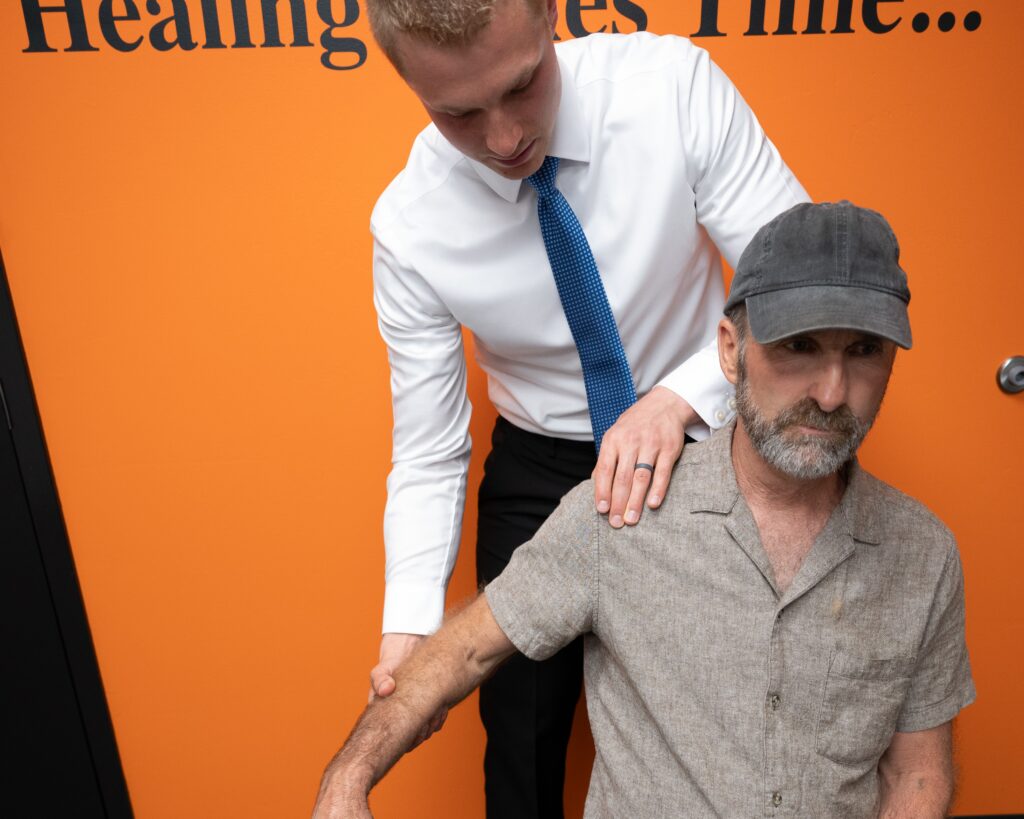
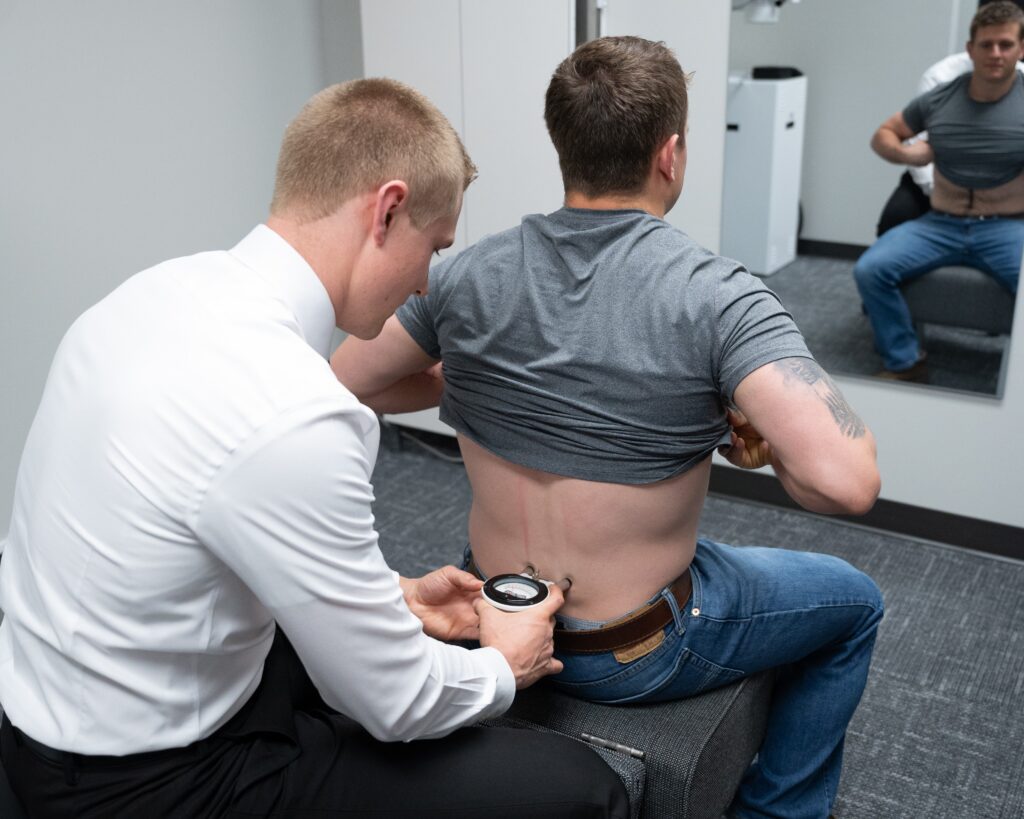
When it comes to alleviating lower back pain, chiropractic care can be a transformative experience. Our approach centers on enhancing the alignment and function of your spine, which is crucial for overall health.
As a chiropractor, I’ll develop a personalized treatment plan tailored to your specific needs, taking into consideration your pain levels and lifestyle.
In our sessions, you can expect a variety of techniques designed to relieve discomfort and promote healing. This may include spinal adjustments to correct misalignments, as well as gentle soft tissue therapies to improve flexibility and reduce tension.
We also emphasize the importance of core strength and stability, which are vital for supporting your back and preventing future issues.
Beyond the hands-on adjustments, I’ll guide you in understanding proper body mechanics and posture, which are essential for maintaining a healthy spine.
Chiropractic Care
As a local chiropractor, I want to take a moment to educate you about how chiropractic care can be a powerful approach to managing lower back pain. Our primary focus is on restoring the alignment and function of your spine, which is crucial for overall health. Through gentle manual adjustments, we work to realign your vertebrae, relieving pressure on nerves and significantly reducing pain. Many patients notice an improvement in mobility and a decrease in discomfort after just a few sessions.
When you come in for your visits, I’ll thoroughly assess your posture, movement patterns, and any underlying issues that might be contributing to your pain. Based on this assessment, I’ll create a personalized treatment plan tailored specifically to your needs.
Regular adjustments not only help alleviate pain but also enhance your body’s natural healing process, contributing to your overall wellness.
In addition to spinal manipulation, I may recommend specific exercises and lifestyle modifications to support your recovery and help prevent future pain. Embracing chiropractic care is about empowering you to take control of your lower back health and improve your quality of life.
If you’re seeking a non-invasive solution to your pain, I believe chiropractic care could be the right choice for you. Let’s work together to get you back on the path to health and wellness!
Acupuncture
If you’re looking for effective ways to relieve lower back pain, I encourage you to consider acupuncture as part of your holistic healing journey. This ancient technique involves the insertion of thin needles into specific points on your body, which promotes natural healing and pain relief. Many patients report that acupuncture can help reduce inflammation and enhance blood flow, leading to significant relief from lower back discomfort.
In my practice, when we integrate acupuncture, I collaborate with licensed acupuncturists who evaluate your individual condition and customize each session to target your unique needs.
While you might feel a slight prick from the needles, most patients experience only minimal discomfort. Sessions typically last anywhere from 30 to 60 minutes, and you may notice immediate relief or gradual improvement over time.
Acupuncture is generally a safe practice when conducted by a qualified professional. It can serve as a valuable complement to chiropractic care and your overall pain management strategy, especially if you’re seeking a more natural approach to healing.
I encourage you to explore acupuncture; you may discover the relief you’ve been searching for.
Massage Therapy
As a local chiropractor, I want to share how massage therapy can be an effective complement to your chiropractic care, especially for targeting lower back pain.
There are several techniques within massage therapy that can specifically address your discomfort, and understanding these can help you choose the right approach for your needs.
Many of my patients have found that incorporating regular massage not only helps relieve their pain but also enhances their overall relaxation and well-being.
Types of Massage Techniques
As a local chiropractor, I often encounter patients struggling with lower back pain. It’s important to understand that various massage techniques can play a significant role in alleviating discomfort, each tailored to meet specific needs.
Here are some popular methods you might consider, especially in conjunction with chiropractic care:
- Swedish Massage: This gentle technique employs long, flowing strokes and kneading to promote relaxation and enhance circulation. It can be a great way to unwind and prepare your body for further treatment.
- Deep Tissue Massage: If you’re dealing with chronic tension or pain, this approach focuses on the deeper layers of muscle tissue. It’s particularly effective for addressing persistent discomfort that may arise from misalignments in your spine.
- Trigger Point Therapy: This method focuses on pinpointing and relieving specific areas of tightness in your muscles. By addressing these trigger points, we can help reduce discomfort and improve your range of motion.
- Myofascial Release: In this technique, sustained gentle pressure is applied to release restrictions in the fascia, the connective tissue surrounding your muscles. This can significantly enhance your overall mobility and complement chiropractic adjustments.
Experimenting with these techniques, alongside your chiropractic treatment plan, can help you find the most effective relief for your lower back pain.
Always consult with a licensed therapist or your chiropractor to determine which approach might be best suited for your individual condition. Together, we can work towards achieving optimal health and wellness.
Benefits for Pain Relief
As a local chiropractor, I understand that finding relief from lower back pain can often seem overwhelming. However, I want to emphasize how incorporating massage therapy into your treatment plan can provide significant benefits.
Massage therapy is a natural approach that helps to reduce muscle tension, which can relieve discomfort and enhance your mobility. When you experience less pain, it allows you to engage more freely in your daily activities.
Moreover, the relaxation that comes from massage therapy can lead to improved sleep, which is vital for your body’s healing process. Regular massage sessions can also boost your circulation, ensuring that essential nutrients and oxygen reach your muscles, aiding in recovery.
Importantly, massage therapy addresses not only the physical aspects of pain but also the emotional factors, which is crucial for your overall well-being. By managing discomfort through natural methods like massage, you can support your body’s healing journey holistically.
I encourage you to consider massage therapy as a valuable tool for your recovery alongside chiropractic care.
Yoga
As a chiropractor, I often find that many people don’t associate yoga with traditional treatments for lower back pain. However, I can assure you that integrating yoga into your wellness routine can be incredibly beneficial for enhancing flexibility and building strength.
This holistic approach can significantly alleviate discomfort while promoting your overall health.
Here are some key benefits you may experience from practicing yoga:
- Increased flexibility: Specific yoga poses are designed to stretch and lengthen tight muscles, which can help reduce tension in your back and improve your range of motion.
- Strengthened core muscles: A strong core is crucial for spinal support. By developing these muscles through yoga, you can help prevent pain and enhance your posture, which is essential for maintaining a healthy spine.
- Enhanced body awareness: Yoga fosters mindfulness, allowing you to become more attuned to your body. This heightened awareness can help you identify and address pain triggers before they become more serious issues.
- Stress reduction: The relaxation techniques incorporated in yoga can significantly decrease muscle tension and promote a sense of calm, which is vital for both mental and physical health.
Incorporating yoga into your routine can complement chiropractic care, creating a comprehensive approach to managing and preventing lower back pain.
Pilates
As a local chiropractor, I want to share the benefits of Pilates as a complementary approach to back pain relief alongside chiropractic care.
While chiropractic adjustments focus on aligning the spine and improving nervous system function, Pilates offers a specialized method to strengthen your core and enhance your posture. Engaging in Pilates will help you target your abdominal muscles, back, and pelvic floor, providing a solid foundation for your spine. This targeted strengthening can alleviate pressure on your lower back, ultimately reducing pain and discomfort.
Pilates emphasizes controlled movements and breathwork, fostering a deeper awareness of your body. You’ll learn to move with precision and intention, which can significantly enhance your overall stability.
The beauty of Pilates is that many exercises can be tailored to fit your current fitness level, making it accessible whether you’re just starting or have some experience.
By incorporating Pilates into your routine, you can achieve better alignment and flexibility, both of which are crucial in preventing future back issues.
If you’re looking for an effective way to support your back health and complement your chiropractic care, I encourage you to consider adding Pilates to your wellness regimen. Together, we can work towards a healthier, pain-free life.
Osteopathy
As you seek relief from lower back pain, consider the benefits of chiropractic care, a holistic approach that emphasizes the body’s innate ability to heal itself.
By assessing your posture, movement patterns, and overall lifestyle, chiropractors strive to uncover the underlying causes of your pain. This method not only aims for immediate relief but also fosters long-term health and well-being.
Here are four key advantages of chiropractic care for lower back pain:
- Spinal Adjustments: Chiropractors utilize precise adjustments to the spine and joints, enhancing mobility and alleviating discomfort.
- Tailored Care: Each treatment plan is personalized to your unique needs, ensuring that you receive the most effective care.
- Lifestyle Insights: Chiropractic care looks at factors such as stress management and nutrition, empowering you to adopt a healthier lifestyle that supports your recovery.
- Integrative Approach: Chiropractic care can complement other therapies, increasing the overall effectiveness of your treatment.
If you’re open to a natural healing path, chiropractic care could be an excellent choice for you.
Cognitive Behavioral Therapy
As a chiropractor, I want to share how Cognitive Behavioral Therapy (CBT) can significantly enhance your understanding of pain management.
CBT teaches you how your thoughts and beliefs can impact your experience of pain. By learning effective coping strategies, you can take a more proactive role in managing your discomfort.
Moreover, CBT includes techniques that promote behavioral changes, giving you the tools to better control and alleviate your pain.
My goal is to empower you through these natural healing methods, helping you find relief and improve your overall well-being.
Understanding Pain Perception
As a local chiropractor, I want to help you understand how your perception of pain plays a crucial role in managing lower back pain. Many people don’t realize that our thoughts and emotions can significantly affect how we experience discomfort. By becoming aware of this connection, you can take positive steps to change your pain perception and improve your well-being.
- Acknowledge your thoughts: It’s important to recognize that negative beliefs about pain can actually make it feel worse. Challenging these thoughts can help lessen your discomfort.
- Monitor your emotions: Keep an eye on how stress and anxiety affect your body. Often, these feelings can intensify your pain, so finding ways to manage them is key.
- Identify triggers: Understanding what specifically makes your pain worse allows you to take action to minimize those triggers, leading to better pain management.
- Practice mindfulness: Engaging in mindfulness techniques can help you stay grounded in the present moment, which can effectively reduce the emotional toll that pain takes on you.
By taking these steps, you’re not just addressing the physical aspects of lower back pain; you’re also empowering yourself to take control of your pain experience.
As your chiropractor, I’m here to support you on this journey to natural healing and improved health.
Coping Strategies Development
As a local chiropractor, I want to share some effective ways to manage lower back pain that you may not be familiar with. One approach that can truly make a difference is developing coping strategies through techniques like Cognitive Behavioral Therapy (CBT).
CBT helps you identify and change the negative thought patterns that can intensify your pain experience. For example, if you find yourself thinking, “I can’t do anything because of my pain,” this can lead to feelings of helplessness. Instead, I encourage you to reframe that thought to something more empowering, like, “I can take small steps to stay active.”
In addition to CBT, incorporating relaxation techniques and mindfulness practices can enhance your ability to cope with pain. These strategies not only help you deal with discomfort but also empower you to regain control over your life.
Behavioral Change Techniques
As a local chiropractor, I want to introduce you to the powerful benefits of incorporating behavioral change techniques, specifically through Cognitive Behavioral Therapy (CBT), into your approach to managing lower back pain.
Many people aren’t familiar with how our thoughts and behaviors can influence our perception of pain, but understanding this connection is essential for healing.
CBT focuses on reshaping negative thought patterns and behaviors that may be contributing to your pain experience. By integrating these techniques into your care, you can:
- Identify and challenge any unhelpful beliefs you may hold about your pain
- Develop effective coping strategies to manage discomfort and improve daily functioning
- Learn relaxation techniques that can help reduce stress, which often exacerbates pain
- Set realistic goals for physical activity and recovery, ensuring a tailored plan that suits your individual needs
These strategies empower you to take control of your pain management, enhance your emotional well-being, and improve your overall quality of life.
By embracing CBT alongside chiropractic care, you can cultivate a more positive outlook and adopt a proactive approach to dealing with your lower back pain.
Together, we can work towards a healthier, more fulfilling life.
Medication Management
When it comes to managing lower back pain, many people often think of medications as the first line of defense. However, as a chiropractor, I want to emphasize the importance of exploring natural healing methods alongside any medications you might consider.
While over-the-counter options like ibuprofen and acetaminophen can provide temporary relief by reducing inflammation and alleviating pain, they aren’t always the long-term solution.
I encourage you to consult with a healthcare professional, but I also invite you to explore chiropractic care as a holistic approach to pain relief. Chiropractic adjustments can help realign your spine, reduce nerve interference, and improve overall mobility without the need for strong medications.
If you do need to take medication, it’s essential to discuss this with your provider, as they can help determine the right options without risking potential interactions with any treatments you might receive from a chiropractor.
Always communicate openly about any concerns or side effects you may experience with medications.
If you’re experiencing chronic pain, it may be beneficial to adjust your treatment plan to include chiropractic care, which focuses on the underlying issues contributing to your discomfort.
Transcutaneous Electrical Nerve Stimulation (TENS)
As your local chiropractor, I want to introduce you to a natural and effective technique called Transcutaneous Electrical Nerve Stimulation, or TENS for short. This method uses low-voltage electrical currents to help alleviate pain, making it a great option for those struggling with discomfort, especially in the lower back area.
By placing small electrodes on your skin, TENS works by stimulating your nerves, which can significantly reduce your pain levels. It’s a non-invasive approach that complements the chiropractic care we provide, targeting the root of your discomfort without the need for medication.
Let’s delve into how TENS operates and the numerous benefits it offers for managing lower back pain.
It’s an excellent addition to your wellness journey, and I’m here to guide you through its advantages and applications in your healing process.
How TENS Works
As a local chiropractor, I’d like to introduce you to a valuable tool for managing lower back pain: TENS, or Transcutaneous Electrical Nerve Stimulation. This method utilizes low-voltage electrical currents to stimulate your nerves, making it an effective option for pain relief.
Let me explain how it works and how it can benefit you:
- TENS promotes the release of endorphins, which are your body’s natural painkillers. This means you can experience relief without relying on pharmaceuticals.
- It effectively blocks pain signals from reaching your brain, allowing for immediate comfort and ease.
- The stimulation from TENS enhances blood circulation to the affected area, which is crucial for healing and recovery.
- Best of all, TENS is non-invasive and can be easily used at home, providing a convenient alternative to traditional pain management methods.
Understanding these benefits can empower you to take control of your pain management in a natural and effective way.
If you’re interested in exploring TENS further or have questions about how it fits into your overall wellness plan, I’m here to help!
Benefits of TENS
As a local chiropractor, I want to share the benefits of using TENS (Transcutaneous Electrical Nerve Stimulation) for relieving lower back pain. This method isn’t only effective but also non-invasive and user-friendly, allowing you to manage your pain right from the comfort of your own home.
One of the great advantages of TENS is that you can customize both the intensity and duration of the electrical stimulation, ensuring it meets your unique needs.
By incorporating TENS into your pain management routine, you may find that it reduces your reliance on pain medications, which can often come with unwanted side effects. TENS works by blocking pain signals from reaching the brain and encouraging the release of endorphins—your body’s natural painkillers. This means you can experience relief without the need for pharmaceuticals.
Furthermore, regular use of TENS can enhance your mobility and daily function, making it easier for you to participate in the activities you love. Many of my patients report that consistent use leads to an improved quality of life and offers them greater control over their pain management journey.
If you’re new to chiropractic care and natural healing, I encourage you to explore how TENS can be a valuable tool in your path to wellness.
Conclusion
As a local chiropractor, I want to share with you that finding relief from lower back pain is absolutely achievable with the right licensed techniques. Chiropractic care, for instance, is a holistic approach that focuses on aligning your spine and optimizing your body’s function. Many of my patients have found significant relief through tailored adjustments that not only target pain but also enhance overall well-being.
In addition to chiropractic care, consider incorporating massage therapy and yoga into your routine. Both of these options provide unique benefits that can complement your healing journey. Massage therapy can help relax tense muscles, while yoga promotes flexibility and strength, supporting your spine in the long run.
It’s also crucial to recognize the role of lifestyle modifications and cognitive strategies in managing discomfort. Simple changes, such as maintaining proper ergonomics at your workstation and staying active, can greatly impact your recovery and help prevent future issues.
I encourage you to explore these techniques and take an active role in your health. With the right approach, you can work towards a healthier, pain-free future. Don’t hesitate to reach out if you have questions or want to learn more about how chiropractic care can benefit you!