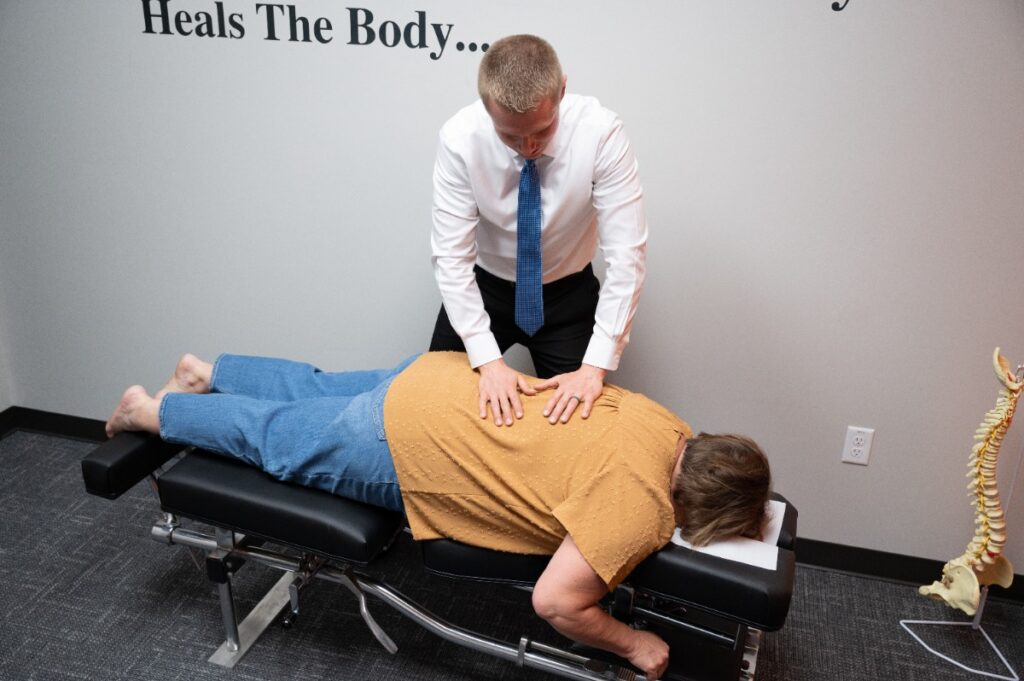

When you think about spinal health, you might overlook how essential proper alignment is to your overall well-being. Authentic adjustments play a vital role in realigning your spine, relieving discomfort, and enhancing mobility. By understanding the various techniques used in chiropractic care, you can appreciate how these adjustments not only address immediate issues but also contribute to long-term health. But what happens when you combine these adjustments with lifestyle changes and self-care practices? The impact could be more significant than you expect.
Importance of Spinal Alignment
When it comes to your overall health, spinal alignment plays an essential role. A well-aligned spine supports your body in various ways, affecting everything from your posture to your neurological function. If your spine is misaligned, you might experience discomfort, reduced mobility, or even chronic pain that impacts your daily life.
Proper spinal alignment guarantees that your nerves can communicate effectively with the rest of your body. When the vertebrae in your spine are in their correct positions, they protect your spinal cord and support your nervous system. This means your body can respond to stressors and heal properly. If misalignments occur, they can lead to nerve interference, negatively impacting your overall health.
You mightn't realize how much spinal alignment affects your mood and energy levels. When you're in pain or discomfort, it can be challenging to maintain a positive outlook or feel motivated. By prioritizing your spinal health, you're not just investing in your physical well-being; you're also nurturing your mental health.
Additionally, proper alignment supports efficient organ function. The spine houses significant pathways that influence digestion, respiration, and circulation. Confirming your spine is aligned can enhance these bodily functions, leading to improved overall health.
Chiropractic Care Techniques
Chiropractors employ a variety of care techniques tailored to your specific needs and health goals. These techniques aim to restore balance and improve your overall spinal health. One of the most common methods you might experience is manual manipulation, often referred to as spinal adjustments. This hands-on approach involves applying controlled force to specific joints, helping to realign your spine and alleviate discomfort.
Another technique you may encounter is the use of instrument-assisted adjustments. Chiropractors use specialized tools to apply gentle pressure to your spine, which can be particularly beneficial if you prefer a less forceful approach. This method maintains precision while minimizing discomfort, allowing for effective treatment.
In addition to adjustments, some chiropractors incorporate soft tissue therapies into your care plan. These techniques, such as massage or myofascial release, target the muscles and connective tissues surrounding your spine. By relieving tension in these areas, you can experience improved mobility and reduced pain.
You might also find that some chiropractors utilize rehabilitative exercises tailored to your specific condition. These exercises strengthen your core and improve your overall posture, enhancing the benefits of your chiropractic adjustments.
Lastly, many practitioners emphasize lifestyle modifications. They may provide guidance on ergonomics, nutrition, and exercise routines to support your spinal health long-term.
Role of Physical Therapy
Physical therapy plays an essential role in enhancing your spinal health and overall well-being. It not only helps alleviate pain but also focuses on restoring function and mobility. Through tailored exercises and hands-on techniques, physical therapists work with you to strengthen your core and improve your posture, which are vital for spinal health.
By engaging in physical therapy, you can experience several benefits:
- Pain Management: Therapists employ various modalities to help reduce pain and inflammation.
- Strengthening Exercises: Customized routines target specific muscle groups, promoting spinal stability.
- Postural Training: You'll learn how to maintain proper alignment in daily activities, reducing strain on your spine.
- Education: Your therapist will provide insights into body mechanics, helping you make informed choices for better spinal health.
Incorporating physical therapy into your routine can lead to long-term improvements.
You'll not only address existing issues but also work towards preventing future problems. Regular sessions will empower you with the tools needed to maintain a healthy spine.
Self-Care Practices
Taking care of your spine starts with incorporating self-care practices into your daily routine.
Simple actions like daily stretching, being mindful of your posture, and practicing relaxation techniques can greatly improve your spinal health.
Let's explore how these habits can enhance your overall well-being.
Daily Stretching Routines
Incorporating daily stretching routines into your self-care practices can greatly enhance your spinal health and overall well-being.
Regular stretching helps maintain flexibility, improves circulation, and reduces tension in your muscles, all of which are essential for a healthy spine. It doesn't have to take long; even a few minutes each day can make a significant difference.
Here are some effective stretches you can easily include in your daily routine:
- Cat-Cow Stretch: This simple movement warms up your spine and promotes flexibility.
- Child's Pose: A restorative pose that gently stretches your back and relieves tension.
- Seated Forward Bend: This stretch targets the hamstrings and lower back, improving overall spinal alignment.
- Torso Twist: Enhances spinal rotation and alleviates stiffness in your back.
Posture Awareness Techniques
While daily stretching routines can greatly improve your spinal health, maintaining proper posture throughout the day is equally important. You can start by being mindful of your body alignment, whether you're sitting, standing, or walking.
When sitting, keep your feet flat on the ground and your back straight against the chair. This position helps distribute your weight evenly and reduces strain on your spine.
When standing, make sure your shoulders are relaxed and aligned over your hips. Avoid locking your knees; instead, keep a slight bend to maintain balance.
If you're working at a desk, adjust your chair and monitor height to promote a neutral spine position. Taking breaks to walk around can also help reset your posture.
Another effective technique is to use reminders. Set alarms on your phone or place sticky notes around your workspace to prompt you to check in on your posture throughout the day.
Engaging in these simple practices will enhance your posture awareness and contribute considerably to your spinal health. Remember, consistent attention to how you carry your body can lead to long-term benefits, making it easier to maintain a healthy spine.
Mindfulness and Relaxation Practices
To enhance your spinal health, incorporating mindfulness and relaxation practices into your daily routine can make a significant difference.
These techniques not only help relieve tension but also foster a deeper connection between your mind and body. When you practice mindfulness, you're able to reduce stress, which can directly benefit your spinal health.
Here are some effective mindfulness and relaxation practices to contemplate:
- Deep Breathing: Take a few minutes each day to focus on your breath. Inhale deeply through your nose, hold for a moment, and exhale slowly through your mouth. This calms your nervous system and reduces muscle tension.
- Meditation: Spend 10-15 minutes in meditation to center your thoughts and promote relaxation. You can use guided meditation apps or simply sit in silence.
- Stretching: Incorporate gentle stretches into your routine. This helps improve flexibility and reduces muscle tightness around your spine.
- Mindful Walking: Practice being present during a walk. Pay attention to your surroundings and your body's movements, which can ease stress and enhance your posture.
Benefits of Regular Adjustments
Regular adjustments can greatly boost your mobility and flexibility, making everyday activities easier.
You'll also likely experience relief from pain and better posture, which can enhance your overall alignment.
Enhanced Mobility and Flexibility
Experiencing enhanced mobility and flexibility can greatly improve your daily life, making activities easier and more enjoyable.
Regular spinal adjustments help maintain proper alignment, allowing your body to move more freely. You'll notice that simple tasks feel less strenuous, and you can engage in physical activities with greater ease.
Here are some benefits of improved mobility and flexibility through adjustments:
- Increased Range of Motion: You'll find it easier to stretch and reach, enhancing your overall physical performance.
- Better Posture: With regular adjustments, your spine aligns correctly, leading to improved posture and reduced strain on muscles.
- Enhanced Athletic Performance: Whether you're exercising or playing sports, your body can move more fluidly, allowing for better agility and coordination.
- Greater Energy Levels: With less tension and stiffness, you'll feel more energized and ready to tackle your day.
Pain Relief and Management
Improved mobility and flexibility often lead to a decrease in pain, as your body can move more naturally and without restriction. Regular spinal adjustments help relieve tension in your muscles and joints, allowing for better circulation and reducing inflammation.
When your spine is aligned correctly, nerve pathways function efficiently, which can considerably lessen discomfort. You might notice that after a session, everyday activities feel easier and less painful. This improvement in how your body functions translates to better overall well-being.
Many individuals find that consistent adjustments not only help with chronic pain but also provide relief from acute issues that can arise from stress or injury. Additionally, regular adjustments can help you manage pain more effectively over time.
Instead of relying solely on medication, which often comes with side effects, you can use adjustments as a natural alternative for pain management. As you incorporate these into your routine, you may find that your body responds better, making it easier to engage in your favorite activities without the fear of pain holding you back.
Embracing this holistic approach can lead to a more vibrant, active lifestyle.
Improved Posture and Alignment
A well-aligned spine contributes greatly to better posture, which can transform the way you carry yourself every day.
When your spine is in its proper alignment, you not only look more confident but also feel more energized. Regular adjustments can help you maintain this alignment, leading to a host of benefits that enhance your daily life.
Here are some key advantages of improved posture and alignment:
- Reduced Strain: Proper alignment minimizes unnecessary strain on your muscles and ligaments, making daily activities easier.
- Enhanced Breathing: Good posture opens up your chest and lungs, allowing for deeper, more efficient breathing.
- Increased Focus: Standing tall can improve your concentration and mental clarity, helping you stay productive throughout the day.
- Boosted Mood: Adopting a confident posture can elevate your mood and overall sense of well-being.
Lifestyle Changes for Spinal Health
Maintaining spinal health requires a commitment to making specific lifestyle changes that can considerably impact your overall well-being.
First, focus on your daily movement habits. Incorporate regular physical activity into your routine, such as walking, swimming, or yoga. These exercises strengthen your core and improve flexibility, which are essential for spinal support. Aim for at least 30 minutes of moderate activity most days of the week.
Next, pay attention to your ergonomics, especially if you spend long hours sitting. Invest in a chair that supports your lower back, and make sure your workstation is set up to promote good posture. Your computer screen should be at eye level, and your feet should be flat on the floor.
Additionally, take regular breaks to stand, stretch, or walk around.
Nutrition also plays a fundamental role in spinal health. A balanced diet rich in calcium, vitamin D, and anti-inflammatory foods can help maintain bone density and reduce discomfort. Stay hydrated, as proper hydration supports spinal discs and overall function.
Lastly, prioritize sleep quality. Invest in a supportive mattress and pillow that align your spine during rest. Aim for seven to nine hours of quality sleep each night.
Conclusion
Incorporating authentic adjustments into your wellness routine is key to promoting spinal health. By prioritizing spinal alignment through chiropractic care, physical therapy, and self-care practices, you can alleviate discomfort and enhance mobility. Regular adjustments not only improve nerve communication but also support overall organ function. Embracing lifestyle changes will further protect your spine and help you maintain ideal health. Take charge of your well-being and enjoy the long-term benefits of a properly aligned spine!