
When you consider chiropractic visits, you might wonder if they genuinely enhance your mobility. Many patients report feeling more flexible and experiencing less stiffness after adjustments, but is this improvement backed by science? As you explore the various benefits and patient experiences, it is crucial to weigh both expert opinions and potential risks. Understanding the true impact of chiropractic care on your mobility could reveal surprising insights that challenge common assumptions. What might you discover about your own movement and quality of life?
Understanding Chiropractic Care
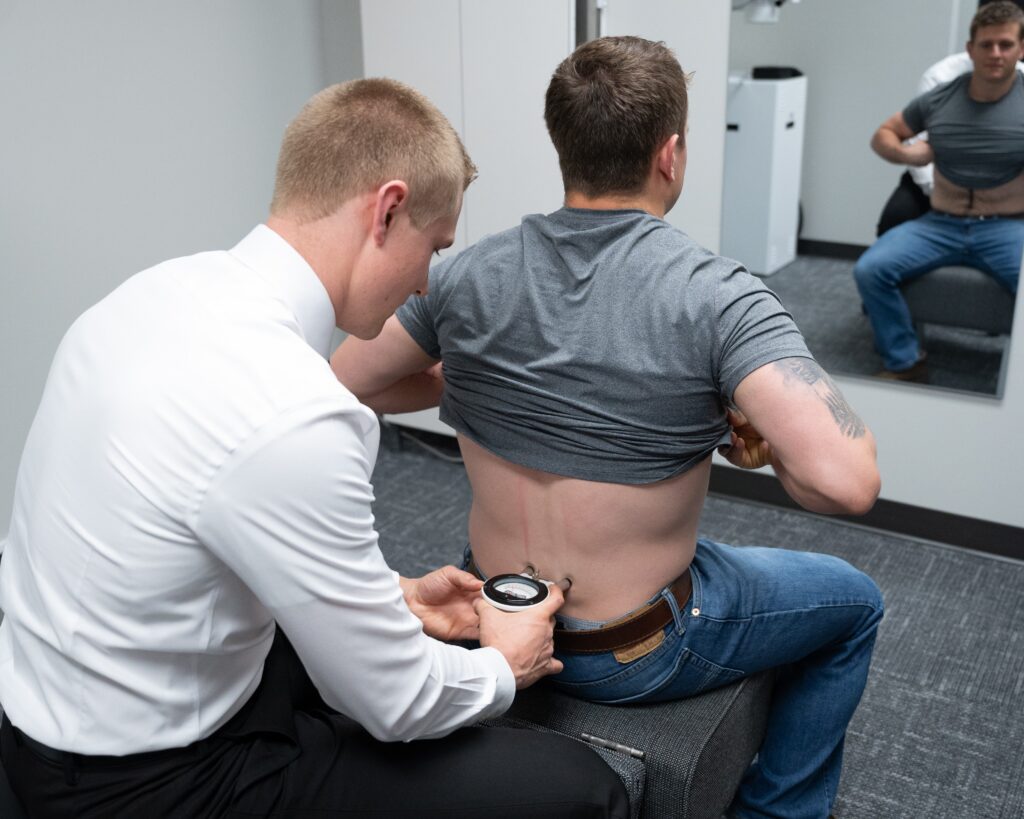
Chiropractic care focuses on diagnosing and treating musculoskeletal disorders, particularly those affecting the spine. When you visit a chiropractor, they'll assess your posture, movement patterns, and overall spinal alignment. They aim to identify issues that may contribute to discomfort or limited mobility.
Your chiropractor will take the time to understand your specific symptoms, lifestyle, and medical history to tailor a treatment plan that suits your needs. One of the core principles of chiropractic care is that the body has an inherent ability to heal itself. By addressing misalignments in your spine, chiropractors believe they can restore proper function to your nervous system. This, in turn, may help alleviate pain and improve mobility.
You'll often hear about spinal adjustments, which are manual manipulations designed to realign the vertebrae and enhance your body's overall function. Chiropractors may also incorporate other strategies into your care, such as exercises, stretches, and lifestyle recommendations. These can support your recovery and help you maintain better mobility in the long run.
It's crucial to communicate openly with your chiropractor about any concerns or goals you have. This collaboration can lead to a more effective treatment plan.
The Science Behind Adjustments
When you receive a chiropractic adjustment, it's essential to understand how these techniques work and their impact on your body.
Research shows that adjustments can markedly improve your mobility by addressing misalignments in your spine.
Let's explore the mechanisms behind these adjustments and the evidence supporting their effectiveness.
Mechanism of Adjustments
Understanding the mechanism of adjustments reveals how targeted spinal manipulation can enhance your mobility and overall well-being. When a chiropractor performs an adjustment, they apply a controlled force to specific joints in your spine. This technique helps restore proper alignment and function, allowing your nervous system to communicate more effectively with your body.
As your spine aligns, you might notice reduced pressure on surrounding nerves, which can alleviate pain and improve your range of motion. This process often involves the release of gas bubbles within the joints, resulting in that characteristic popping sound. It's not just about the sound; it indicates a change in joint mechanics.
Moreover, adjustments can stimulate the production of synovial fluid, which lubricates your joints, making movement smoother. This increased joint mobility can lead to better posture and enhanced physical performance in daily activities or sports.
Ultimately, by addressing misalignments and enhancing joint function, chiropractic adjustments support your body's natural healing processes. This way, you not only experience immediate relief but also promote long-term mobility and health.
Research Evidence Overview
Numerous studies have investigated the efficacy of chiropractic adjustments, revealing significant benefits for mobility and pain relief. Research indicates that spinal manipulations can enhance joint function, reduce inflammation, and alleviate discomfort. A systematic review published in a prominent medical journal found that patients receiving chiropractic care reported greater improvements in pain and function compared to those who didn't receive such treatment.
You might be interested to know that a study involving patients with chronic lower back pain showed that those who underwent chiropractic adjustments experienced not only immediate pain relief but also long-lasting benefits.
Another study highlighted how regular chiropractic visits can lead to improved range of motion, particularly in the neck and back, which are essential for everyday activities.
Moreover, a meta-analysis concluded that chiropractic care is effective for various musculoskeletal issues, supporting its role as a complementary treatment.
These findings suggest that chiropractic adjustments could be a valuable option for individuals seeking relief from pain and a boost in mobility. As you consider your options, remember that evidence points to the potential benefits of incorporating chiropractic care into your wellness routine.
Impact on Mobility
Chiropractic adjustments directly influence mobility by targeting the spine and surrounding muscles to restore proper alignment and function. When you receive an adjustment, your chiropractor applies controlled force to specific joints, which can reduce stiffness and improve your range of motion. This process not only alleviates discomfort but also promotes better movement patterns.
Research shows that by correcting misalignments, chiropractic care can enhance your overall mobility. For instance, realigning the vertebrae can relieve pressure on nerves, allowing your body to communicate more effectively with your muscles. This improved communication helps you move more freely and efficiently.
Moreover, many patients report feeling more agile and less restricted after adjustments. You might notice that everyday activities, like bending or reaching, become easier and less painful.
Over time, regular chiropractic visits can contribute to improved physical performance, whether you're an athlete or just want to stay active.
Incorporating chiropractic adjustments into your wellness routine could be a game-changer for your mobility. By focusing on spinal health, you're investing in your body's ability to move and function effectively.
Benefits for Joint Mobility
Releasing better joint mobility can greatly enhance your overall quality of life, and chiropractic visits play a pivotal role in this process. When you visit a chiropractor, they assess your joints and identify areas that may be restricted or misaligned. Through specific adjustments, they help restore proper movement, which can alleviate discomfort and improve your range of motion.
Improved joint mobility allows you to engage more fully in daily activities, whether it's bending down to tie your shoes or participating in a favorite sport. You'll likely notice that tasks you once found challenging become easier. Additionally, enhanced mobility can lead to better posture, reducing strain on your muscles and joints. This is particularly beneficial if you sit for long periods or lead a sedentary lifestyle.
Chiropractic adjustments also promote better circulation around your joints. As blood flow increases, your body can heal more efficiently, reducing inflammation and stiffness. This is especially helpful if you've suffered from injuries or chronic conditions, as it can speed up recovery time and improve your overall joint function.
Moreover, regular chiropractic care helps maintain peak joint mobility over the long term. By addressing misalignments before they become serious issues, you can prevent future problems and maintain a more active lifestyle.
Ultimately, investing in your joint health through chiropractic visits can lead to a more vibrant, active life, empowering you to move freely and comfortably.
Patient Experiences and Testimonials
Many patients share inspiring stories about how chiropractic care transformed their daily lives.
You might find their experiences resonate with your own challenges and goals.
Let's explore how these testimonials highlight personal improvements and enhanced mobility in everyday activities.
Personal Improvement Stories
Numerous patients have experienced remarkable transformations through chiropractic care, sharing stories that highlight their journeys toward improved mobility and overall well-being.
You might find inspiration in the tale of Sarah, who struggled with chronic back pain for years. After just a few sessions, she noticed significant relief, allowing her to return to her favorite outdoor activities.
Then there's Mike, who'd difficulty bending down to tie his shoes. With consistent chiropractic visits, he regained flexibility in his lower back, something he thought was lost forever. His story emphasizes how targeted adjustments can lead to unexpected improvements.
Even those with long-standing issues, like Lisa, have found hope. After a series of treatments, her mobility increased dramatically, allowing her to engage with her grandchildren in ways she hadn't in years.
These real-life experiences illustrate that chiropractic care isn't just about pain relief; it's about restoring function and enhancing quality of life.
You, too, could discover the potential for change in your own mobility journey by exploring how chiropractic visits might help you reclaim your active lifestyle.
Enhanced Daily Activities
For those who've incorporated chiropractic care into their lives, everyday activities can transform from a struggle into a joy. Many patients report significant improvements in their ability to perform daily tasks after regular visits to a chiropractor. You might find that bending down to tie your shoes, lifting grocery bags, or even playing with your kids becomes easier and more enjoyable.
Patients often share how chiropractic adjustments have alleviated chronic pain, allowing them to reclaim their hobbies. Whether it's gardening, dancing, or simply walking without discomfort, these activities gain new life. You'll likely notice increased energy levels, making it easier to tackle your to-do list and enjoy quality time with loved ones.
Testimonials frequently highlight the direct link between chiropractic care and enhanced mobility. You may hear stories of people who've gone from feeling restricted in their movements to embracing a more active lifestyle.
With improved flexibility and reduced pain, daily routines that once felt intimidating can become liberating. Ultimately, chiropractic care doesn't just address physical symptoms; it helps you rediscover the joy in your everyday life, empowering you to engage fully in all that you love.
Expert Opinions on Effectiveness
Experts in the field of chiropractic care often highlight its effectiveness in improving mobility for various patient demographics. They argue that chiropractic adjustments can alleviate joint restrictions and restore proper function, which ultimately enhances your range of motion.
Many practitioners emphasize that regular chiropractic visits can lead to long-term mobility improvements, especially for individuals with chronic pain or injuries. Chiropractors often use a combination of spinal manipulation, soft tissue therapy, and personalized exercise regimens to address specific mobility issues.
They claim that these techniques not only relieve discomfort but also promote overall physical health. When you visit a chiropractor, they typically conduct a thorough assessment to tailor a treatment plan that best suits your needs. This individualized approach is often cited as a key factor in the reported success rates of chiropractic care.
Moreover, numerous studies support these claims, showing significant improvements in mobility among patients who engage in chiropractic treatment. Experts note that patients often report increased flexibility, reduced pain levels, and improved overall function after a series of sessions.
This is particularly true for athletes and active individuals, who benefit from enhanced performance and quicker recovery times.
Risks and Considerations
While chiropractic care can offer significant benefits for mobility, it's important to evaluate the potential risks involved. One of the most commonly discussed concerns is the possibility of exacerbating existing conditions. If you have underlying health issues, such as osteoporosis or spinal abnormalities, chiropractic adjustments might lead to complications. Always disclose your medical history to your chiropractor to minimize this risk.
Another consideration is the potential for adverse reactions. Some patients report temporary discomfort, stiffness, or even headaches following an adjustment. While these side effects are generally mild and short-lived, they can be a cause for concern, especially if you're sensitive to manipulations. It's essential to communicate openly with your chiropractor about any discomfort you experience during or after treatment.
In rare cases, more serious complications can occur. Although the risk is low, some individuals may experience nerve damage or strokes linked to cervical spine manipulations. This is why it's crucial to seek care from a licensed and experienced chiropractor who follows proper protocols.
Lastly, the frequency and intensity of visits can vary widely among practitioners. Over-treatment can lead to dependency, where you may feel the need to visit regularly without addressing the root cause of your mobility issues.
It's vital to establish a treatment plan that prioritizes your long-term well-being over quick fixes. By being aware of these risks and considerations, you can better navigate your chiropractic journey and make informed choices for your mobility health.
Making an Informed Decision
Understanding the risks associated with chiropractic care is essential when considering your options for improving mobility. You need to weigh the potential benefits against any drawbacks. Before making a decision, gather information from credible sources, including healthcare professionals and trusted online platforms. This knowledge will empower you to make an informed choice.
Start by evaluating your specific mobility issues. Are they due to injury, chronic pain, or a degenerative condition? Knowing the root cause can help you determine if chiropractic care is suitable for your situation. Consult with your primary care physician to discuss whether chiropractic treatment aligns with your overall health plan.
Next, research various chiropractic techniques and their effectiveness for your condition. Some methods may be more beneficial than others, depending on your needs. Look for reviews and testimonials from patients with similar issues to gain insight into their experiences.
Additionally, consider the qualifications and experience of the chiropractor you're thinking about visiting. Verify their credentials, read reviews, and seek recommendations from friends or family. A well-trained chiropractor can tailor treatment to your unique needs, maximizing your chances of success.
Finally, trust your instincts. If you feel uncertain or uncomfortable during an initial consultation, it might be worth exploring other options. Making an informed decision means considering all aspects of your healthcare journey, ensuring that you choose a path that aligns with your goals for improved mobility.
Conclusion
In summary, chiropractic visits can greatly enhance your mobility by restoring spinal alignment and function. With the potential to alleviate pain and improve flexibility, many people find themselves more active and engaged in their daily lives. While it's crucial to evaluate any risks, the testimonials and expert opinions generally support the effectiveness of chiropractic care. If you're looking to boost your movement and overall quality of life, exploring chiropractic options could be a beneficial step for you.