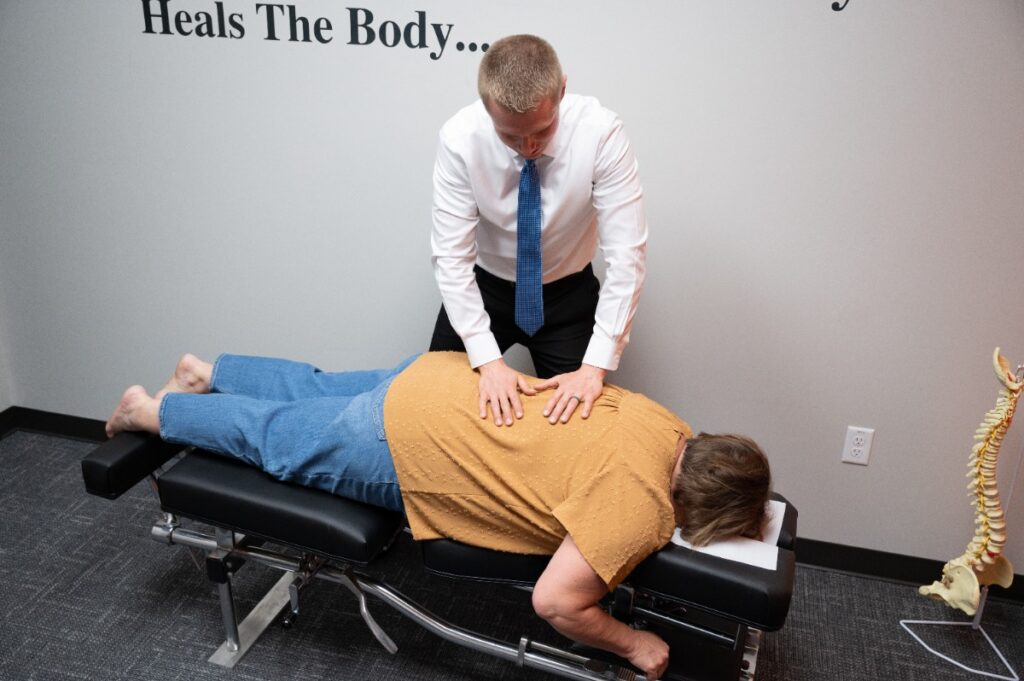

When you consider your overall well-being, it's easy to focus solely on your mindset, but what if your physical structure plays a critical role too? Adjusting your spine isn't just about improving posture; it's about understanding the intricate connection between your body and mind. By prioritizing spinal health, you might find that your emotional resilience strengthens alongside your physical comfort. Curious about how this connection unfolds and what steps you can take to enhance both aspects of your life? Let's explore the depths of this relationship further.
The Mind-Body Connection
The mind-body connection plays an essential role in your overall well-being. It's the intricate relationship between your thoughts, feelings, and physical health. When you experience stress or anxiety, your body often reacts with tension, pain, or fatigue.
Conversely, when you're physically active and healthy, you tend to feel more positive and focused. Understanding this connection can empower you to take control of both your mental and physical health.
To strengthen this connection, you can start by incorporating mindfulness practices into your daily routine. Techniques like meditation, deep breathing, or yoga can help you become more aware of your body and its signals.
When you tune in to how you're feeling, you can address negative emotions before they manifest as physical symptoms.
Another effective strategy is to maintain a balanced diet. The foods you eat can markedly affect your mood and energy levels. Nourishing your body with whole, nutrient-rich foods can enhance your mental clarity and emotional balance.
Regular physical activity is also vital. Engaging in exercise releases endorphins, which can boost your mood and reduce feelings of stress.
Even a short walk can promote a sense of well-being and help clear your mind.
Importance of Spinal Health
Maintaining spinal health is fundamental not just for physical well-being but also for your overall quality of life. A healthy spine supports your body's structure and plays an essential role in your daily activities. When your spine is in good condition, you're more likely to experience increased mobility, reduced pain, and improved posture.
It's important to prioritize spinal health to guarantee you can enjoy life to the fullest.
Here are some key reasons why spinal health matters:
- Enhanced Mobility: A healthy spine allows for greater flexibility and movement, enabling you to engage in various activities without discomfort.
- Pain Reduction: Proper spinal alignment can help alleviate chronic pain, making everyday tasks much more manageable.
- Improved Posture: Maintaining a healthy spine supports proper posture, which can prevent strain on your muscles and joints.
- Boosted Overall Health: A well-functioning spine contributes to better nerve function, which affects your entire body, leading to improved overall health.
Neglecting your spine can lead to a cascade of issues that affect not just your body but also your mental and emotional well-being.
By focusing on spinal health, you're investing in your quality of life. Remember, your spine is the foundation of your body; take care of it, and it'll take care of you.
Prioritizing spinal health leads to a happier, healthier you.
Common Spinal Issues
You mightn't realize it, but poor posture can lead to a variety of spinal issues that affect your daily life.
Common causes of back pain often stem from habits you might overlook, like slouching or improper lifting techniques.
Understanding these problems is the first step toward finding relief and improving your spinal health.
Posture Problems Explained
Although many people may not realize it, poor posture can lead to a variety of spinal issues that affect overall health and well-being.
When you slouch or hunch over, you're putting unnecessary strain on your spine, which can result in long-term problems.
Here are some common posture-related spinal issues you might encounter:
- Scoliosis: An abnormal curvature of the spine that can develop during growth spurts.
- Kyphosis: Often referred to as "hunchback," this condition involves excessive curvature of the upper back.
- Lordosis: An exaggerated inward curvature of the lower back, which can lead to discomfort and pain.
- Disc Herniation: Poor posture can contribute to herniated discs, which occur when the cushioning between your vertebrae bulges or ruptures.
Common Back Pain Causes
Back pain can stem from a variety of common spinal issues, each with its own set of causes and symptoms. One major culprit is a herniated disc, where the soft tissue between your vertebrae bulges out, pressing on nearby nerves. You might feel sharp pain, numbness, or weakness in your limbs.
Another common issue is spinal stenosis, which occurs when your spinal canal narrows, leading to pressure on your spinal cord. This can cause tingling, cramping, or pain, especially when walking or standing for long periods.
Spondylolisthesis is another condition to take into account. It happens when a vertebra slips out of place, often resulting from wear and tear or injury. This can lead to lower back pain and stiffness.
Poor posture and muscle strain are also significant contributors to back pain. If you're slouching or lifting heavy objects incorrectly, you're likely to strain your muscles, leading to discomfort.
Recognizing these common spinal issues can help you address your back pain effectively. Understanding the root cause is the first step towards finding relief and maintaining a healthy spine.
Posture and Mental Clarity
Maintaining good posture isn't just about looking confident; it also plays an essential role in mental clarity. When you sit or stand up straight, your body sends signals to your brain that promote alertness and focus. Slouching, on the other hand, can lead to feelings of fatigue and distraction. By adjusting your spine, you can enhance your ability to think clearly and stay engaged in whatever task is at hand.
You mightn't realize it, but your posture affects more than just your physical appearance. Here are some ways good posture boosts mental clarity:
- Improved Breathing: Sitting up straight opens your chest, allowing for deeper breaths. Increased oxygen flow fuels your brain, sharpening your thoughts.
- Enhanced Blood Flow: Good posture promotes proper circulation, ensuring your brain gets the nutrients it needs to function efficiently.
- Reduced Stress: Straightening up can alleviate tension in your neck and shoulders, helping you feel more relaxed and focused on the task.
- Greater Confidence: When you hold yourself upright, you naturally feel more self-assured. This confidence can translate into clearer thinking and better decision-making.
Incorporating good posture into your daily routine doesn't just benefit your body; it considerably impacts your mental performance.
Benefits of Chiropractic Care
Chiropractic care offers you effective pain relief solutions that can transform your daily life.
With improved posture benefits, you'll feel more confident and comfortable in your own skin.
Plus, the enhanced overall wellbeing you experience can lead to better physical and mental health.
Pain Relief Solutions
Finding effective pain relief can feel overwhelming, but chiropractic care offers a powerful solution that focuses on the body's alignment and overall wellness.
By addressing the root causes of your pain rather than just masking symptoms, chiropractic adjustments can help you regain mobility and improve your quality of life.
Here are some key benefits of chiropractic care for pain relief:
- Non-invasive treatment: Unlike surgery or medication, chiropractic adjustments are a natural approach to healing.
- Customized care: Your chiropractor will tailor a treatment plan to meet your specific needs, ensuring you receive the most effective care.
- Enhanced recovery: Regular adjustments can speed up your body's natural healing processes, helping you bounce back faster from injuries.
- Preventative care: By maintaining proper alignment, chiropractic care can help prevent future pain and discomfort, keeping you active and healthy.
Incorporating chiropractic care into your pain relief strategy can lead to lasting improvements in your overall well-being.
Don't let pain dictate your life—embrace the benefits of chiropractic treatment and take control of your health today!
Improved Posture Benefits
A well-aligned spine plays an essential role in achieving better posture, which can considerably enhance your overall health. When your spine is properly aligned, you'll likely experience less strain on your muscles and ligaments, reducing the risk of injury and discomfort. Improved posture can help you breathe more deeply and effectively, allowing for better oxygen flow throughout your body. This can boost your energy levels and enhance your performance in daily activities.
Additionally, good posture can positively impact your mood and confidence. Standing tall and aligned can make you feel more self-assured, which can improve your interactions with others. You might notice that people respond more positively when you present yourself with good posture.
Chiropractic care can be a game-changer in achieving and maintaining this alignment. Regular adjustments can help you develop a more balanced posture, which can lead to long-term benefits.
As you focus on your spinal health, you'll likely find that everyday tasks become easier, and you may experience fewer headaches and less fatigue. Prioritizing your posture through chiropractic care not only supports your spine but also enriches your overall physical health.
Enhanced Overall Wellbeing
Over time, regular chiropractic care can considerably enhance your overall wellbeing. By focusing on spinal alignment, you're not just addressing discomfort; you're optimizing your body's function, which can lead to significant health improvements.
You'll likely notice a boost in your energy levels and a greater ability to handle stress.
Here are some key benefits you can experience:
- Reduced Pain: Regular adjustments can help alleviate chronic pain, making daily activities more enjoyable.
- Improved Sleep: With less discomfort and better body alignment, you may find it easier to fall asleep and stay asleep.
- Enhanced Immunity: A well-aligned spine supports your nervous system, which can lead to a stronger immune response.
- Better Mood: Chiropractic care can reduce anxiety and depression symptoms, helping you feel more balanced and positive.
As you maintain this care, you're not just correcting issues; you're actively investing in your long-term health.
Each adjustment aligns not only your spine but also your overall quality of life, allowing you to live your best, healthiest life.
Exercises for a Healthy Spine
Maintaining a healthy spine starts with incorporating specific exercises into your routine. These exercises not only strengthen your back but also enhance your overall flexibility and posture.
One effective exercise is the cat-cow stretch. Start on all fours, arch your back while inhaling (cat), and then lower your belly while looking up as you exhale (cow). Repeat this for 10-15 reps to promote spinal mobility.
Another great addition is the bridge exercise. Lie on your back with your knees bent and feet flat on the floor. Slowly lift your hips towards the ceiling, squeezing your glutes at the top. Hold for a few seconds before lowering back down. Aim for 10-15 reps to strengthen your lower back and glutes.
Don't forget about the plank! This powerful core exercise helps stabilize your spine. Begin in a push-up position, keeping your body straight from head to heels. Hold this position for 30 seconds to a minute, gradually increasing your time as you build strength.
Finally, incorporate stretches like the seated forward bend. Sit with your legs straight, and slowly reach toward your toes, keeping your back straight. This not only stretches your spine but also helps alleviate tension.
Ergonomics in Daily Life
When you set up your desk, consider how your chair and monitor height affect your posture.
Active sitting techniques, like using a stability ball or a chair that encourages movement, can keep your spine healthy throughout the day.
Proper Desk Setup
Creating a workspace that promotes good posture is vital for your overall health and productivity. A well-organized desk setup can help prevent discomfort and long-term issues, so it's worth taking the time to adjust your environment.
Here are some key elements to reflect on for your proper desk setup:
- Chair Height: Your feet should rest flat on the floor, with your knees at a right angle. Adjust your chair to achieve this.
- Monitor Position: Place your monitor at eye level about an arm's length away to minimize neck strain. The top of the screen should be just below your eye line.
- Keyboard and Mouse: Keep your keyboard and mouse close enough so your elbows can stay at your sides, forming a 90-degree angle. This reduces strain on your wrists and shoulders.
- Lighting: Make sure your workspace is well-lit to avoid straining your eyes. Natural light is ideal, but if that's not possible, use adjustable task lighting.
Active Sitting Techniques
Incorporating active sitting techniques into your daily routine can greatly enhance your posture and overall comfort. Instead of slumping in your chair, try using a stability ball or a balance cushion. These tools engage your core muscles, promoting better alignment and reducing the strain on your spine.
Another technique is the "dynamic sitting" approach. Shift your weight from one side to the other, or use a footrest to elevate one foot, alternating as you work. This keeps your muscles active, improving circulation and preventing stiffness.
You might also consider standing desks or convertible desks that allow you to alternate between sitting and standing. Set a timer to remind yourself to switch positions every 30 to 60 minutes.
Additionally, practice good habits like keeping your feet flat on the ground and your knees at a 90-degree angle.
Remember to take breaks—stand up, stretch, or take a short walk to keep your body engaged.
Nutrition for Spine Health
Your spine's health is closely tied to what you eat, as nutrition plays a vital role in maintaining its strength and flexibility. A well-balanced diet not only fuels your body but also supports the structural integrity of your spine.
By incorporating specific nutrients, you can help prevent back pain and promote overall spinal health.
Focus on these key components for ideal spine nutrition:
- Calcium and Vitamin D: These are essential for strong bones. Include dairy products, leafy greens, and fortified foods in your diet, and make certain you get enough sunlight for vitamin D synthesis.
- Omega-3 Fatty Acids: These healthy fats reduce inflammation and can alleviate pain. Add fatty fish like salmon, walnuts, and flaxseeds to your meals.
- Magnesium: This mineral helps with muscle function and nerve signaling, which is vital for a healthy spine. You can find magnesium in nuts, seeds, whole grains, and leafy greens.
- Antioxidants: Foods rich in antioxidants combat oxidative stress and inflammation. Berries, dark chocolate, and colorful fruits and vegetables should be staples in your diet.
Stress Management Techniques
Managing stress effectively can considerably enhance your spinal health and overall well-being. When stress accumulates, it can lead to tension in your muscles, affecting your spine's alignment and causing discomfort. Here are some techniques you can implement to manage stress and support your spine.
First, deep breathing exercises can be a game-changer. Take a few moments each day to focus on your breath. Inhale deeply through your nose, allowing your abdomen to expand, then exhale slowly through your mouth. This practice not only calms your mind but also relaxes your body, reducing tension in your back.
Next, consider incorporating regular physical activity into your routine. Whether it's yoga, walking, or any form of exercise you enjoy, moving your body helps release endorphins, which are natural stress-relievers.
Plus, exercises that strengthen your core can provide better support for your spine.
Another effective technique is mindfulness meditation. Set aside a few minutes daily to sit quietly and focus on the present moment. This practice helps clear your mind of racing thoughts, allowing you to feel more centered and less overwhelmed.
Lastly, don't underestimate the power of social support. Reach out to friends or family when you're feeling stressed. Talking about your feelings can lighten your load and provide perspective on your challenges.
Creating a Holistic Wellness Plan
A holistic wellness plan integrates various aspects of your life to promote overall health and well-being. It's about recognizing that your physical, mental, and emotional health are all interconnected. To create an effective plan, start by evaluating your current state of wellness and identifying areas for improvement.
Consider these key components:
- Physical Health: Incorporate regular exercise, a balanced diet, and adequate sleep. Aim for activities that you enjoy to make it sustainable.
- Mental Health: Practice mindfulness or meditation to reduce stress and improve focus. Don't hesitate to seek professional help if needed.
- Emotional Well-being: Cultivate strong relationships with friends and family. Share your feelings and engage in activities that bring you joy.
- Spiritual Growth: Explore practices that resonate with you, whether it's through yoga, nature walks, or religious activities. Finding purpose can greatly enhance your sense of fulfillment.
As you develop your plan, set realistic and achievable goals. Track your progress regularly to stay motivated and adjust your strategies as needed.
Remember, balance is essential; prioritize self-care without neglecting other responsibilities. By addressing each of these areas, you'll create a thorough approach to wellness that nurtures your body, mind, and spirit.
Embrace the journey, and you'll find that a holistic wellness plan will transform your life for the better.
Conclusion
Incorporating spinal health into your daily routine can transform your life. By understanding the mind-body connection and prioritizing proper alignment, you not only improve your posture but also boost your mental clarity and emotional resilience. Embrace chiropractic care, ergonomic practices, and a nutritious diet to support your spine. Remember, it's not just about adjusting your attitude; it's about nurturing your whole self. Start your journey to holistic wellness today—your spine will thank you!