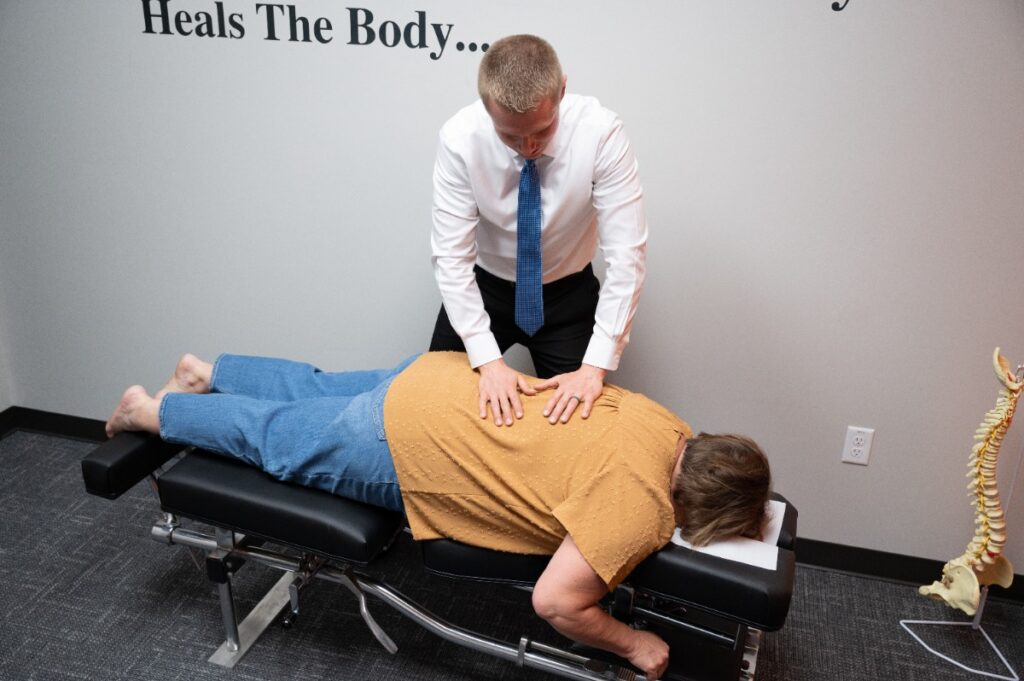

You might not realize how regular care can greatly enhance your mobility and overall quality of life. By prioritizing routine check-ups and engaging in therapies like physical and chiropractic care, you can proactively address potential issues before they escalate. Incorporating simple exercises and stretching into your daily routine can further strengthen your body and improve balance. But what specific strategies can you implement to guarantee you're not just maintaining mobility but actually enhancing it? The answers may surprise you and could lead to a more active and fulfilling lifestyle.
Importance of Regular Care
When you prioritize regular care, you not only enhance your mobility but also greatly improve your overall well-being. By focusing on consistent self-care routines, you lay the groundwork for a more active lifestyle. This commitment helps you maintain your strength, flexibility, and balance, which are essential for maneuvering daily activities with ease.
Regular care isn't just about physical health; it's also about mental clarity and emotional resilience. When you engage in activities that promote your well-being, you reduce stress levels and boost your mood. Feeling good physically can have a positive ripple effect on your mental state, allowing you to approach challenges with a more optimistic outlook.
Taking the time for regular check-ups and assessments enables you to catch potential issues before they become serious problems. This proactive approach gives you the power to manage your health effectively. You'll find that investing in preventive care helps you avoid unnecessary pain, discomfort, and the limitations that come with mobility challenges.
Incorporating mobility exercises and routines into your daily life keeps your joints flexible and your muscles strong. You'll notice that as you stay active, your body responds better, and you'll find it easier to engage in activities you love.
Ultimately, regular care serves as a foundation for a more fulfilling life, helping you stay engaged with family, friends, and your community. So take that first step toward prioritizing your care; your future self will thank you.
Types of Care for Mobility
To enhance your mobility effectively, understanding the various types of care available is key. Each type targets different aspects of mobility and can contribute to your overall well-being.
Here's a quick overview of the primary types of care you should consider:
- Physical Therapy: This involves exercises and manual therapy techniques aimed at improving strength, flexibility, and balance. A physical therapist can tailor a program specifically for your needs, helping you regain confidence in movement.
- Occupational Therapy: Focused on daily activities, occupational therapy helps you adapt to physical challenges in your environment. An occupational therapist can suggest modifications that make tasks easier, allowing you to maintain independence in your daily life.
- Chiropractic Care: This type of care focuses on aligning the body's musculoskeletal system. By addressing spinal misalignments and joint issues, chiropractic treatment can alleviate pain and improve your range of motion, making it easier to move freely.
Incorporating these types of care into your routine can lead to significant improvements in your mobility.
It's crucial to consult with healthcare professionals to determine which type(s) of care suit your specific situation.
By taking proactive steps, you'll not only enhance your mobility but also improve your quality of life.
Benefits of Physical Therapy
Harnessing the power of physical therapy can lead to remarkable improvements in your mobility and overall well-being. By engaging in tailored exercises and stretches, you can strengthen your muscles, increase flexibility, and enhance coordination. This personalized approach helps you target specific areas of concern, ensuring that you're working towards your individual goals.
One significant benefit of physical therapy is pain relief. Therapists use various techniques, including manual therapy and modalities like heat or ice, to alleviate discomfort and promote healing. As you experience less pain, you'll find it easier to participate in everyday activities, enhancing your quality of life.
Another advantage is the education you receive about your body and movement patterns. Therapists not only guide you through exercises but also teach you how to perform daily tasks safely and efficiently. This knowledge empowers you to prevent further injury and maintain your progress long after therapy sessions end.
Additionally, physical therapy fosters balance and stability, which is essential as you age. Improved balance can reduce the risk of falls, allowing you to enjoy more freedom in your daily life.
Finally, the emotional benefits shouldn't be overlooked. Achieving milestones in therapy can boost your confidence and motivate you to stay active. When you feel better physically, it often translates to a more positive mindset.
Role of Chiropractic Adjustments
Chiropractic adjustments play an important role in enhancing your mobility.
By improving joint functionality and alleviating pain, these adjustments can help you move more freely and comfortably.
If you're looking to boost your overall physical well-being, understanding how chiropractic care fits into your routine is essential.
Benefits of Chiropractic Adjustments
When you experience discomfort or limited movement, chiropractic adjustments can be a game changer. These adjustments not only help alleviate pain but also promote overall wellness.
Regular chiropractic care can enhance your daily life, allowing you to move freely and enjoy activities you love.
Here are some benefits of chiropractic adjustments:
- Pain Relief: You'll likely notice a significant reduction in pain, whether it's from chronic conditions or acute injuries.
- Improved Mobility: Adjustments can help restore your range of motion, making it easier to engage in physical activities and everyday tasks.
- Enhanced Posture: Regular adjustments can correct misalignments, leading to better posture and reducing the risk of future injuries.
Incorporating chiropractic care into your routine can lead to long-term benefits.
You'll find that not only does your body feel better, but your overall quality of life improves.
So if you're looking to regain control over your mobility and feel more vibrant, consider making chiropractic adjustments a regular part of your wellness journey.
Don't wait for discomfort to dictate your life—take action and embrace the benefits of chiropractic care today!
Enhancing Joint Functionality
Adjustments play a pivotal role in enhancing joint functionality, allowing you to move more freely and comfortably. When your joints are properly aligned, they can function at peak performance, helping you perform daily activities with ease. Chiropractic adjustments target misalignments that can restrict movement and cause stiffness, ensuring that your joints are in the best position to operate effectively.
Through these adjustments, you'll notice improved range of motion, which can greatly impact your overall mobility. By restoring proper alignment, your body can better distribute weight and reduce strain on specific joints. This not only helps in maintaining joint health but also promotes better coordination and balance.
Additionally, regular chiropractic care encourages the production of synovial fluid, which lubricates your joints. This increased lubrication contributes to smoother movement, reducing friction during physical activities. You may find that simple tasks, like bending down to pick something up or reaching for an item on a high shelf, become much easier.
Incorporating chiropractic adjustments into your wellness routine can lead to enhanced joint functionality, allowing you to enjoy a more active, fulfilling lifestyle.
Keep moving with greater ease and confidence!
Alleviating Pain and Discomfort
Many people experience pain and discomfort due to misalignments in their spine and joints, which can hinder everyday activities. Chiropractic adjustments play a vital role in alleviating this pain, helping you regain mobility and improve your overall quality of life.
By realigning your spine and joints, chiropractors can reduce inflammation, improve circulation, and promote natural healing.
You might notice immediate relief after an adjustment, but the benefits often extend beyond just pain alleviation. Regular chiropractic care can lead to:
- Improved range of motion: You'll find it easier to move and engage in your favorite activities.
- Enhanced posture: Proper alignment can help you stand taller and feel more confident.
- Reduced tension and stress: Alleviating physical discomfort can also ease mental stress, allowing you to relax more.
Choosing chiropractic adjustments as part of your wellness routine can help you combat pain and discomfort effectively.
Incorporating Exercise Into Routine
Incorporating exercise into your daily routine can greatly enhance your mobility and overall well-being. It's important to find activities that you enjoy, as this will make exercising feel less like a chore and more like a rewarding part of your day. Whether it's a brisk walk, yoga, cycling, or even dancing, the key is consistency. Aim for at least 30 minutes of moderate activity most days of the week.
Start by setting realistic goals. You don't have to jump into an intense workout regimen right away. Begin with short sessions and gradually increase the duration and intensity as your strength and confidence grow. Listen to your body; if something doesn't feel right, don't push through the pain. Adapting your routine to suit your current fitness level will help you stay engaged and motivated.
Incorporating simple exercises into your daily life can also make a significant difference. Take the stairs instead of the elevator, or park further away from your destination. These small changes can add up and help you maintain a more active lifestyle.
Also, consider joining a class or finding a workout buddy. Exercising with others can provide motivation and accountability, making it easier to stick with your routine.
Tips for Maintaining Mobility
To maintain your mobility, you should focus on stretching and flexibility exercises, as they keep your muscles limber.
Incorporating strength training into your routine is equally important, helping to support your joints and improve overall stability.
Don't forget to schedule regular check-ups to monitor your progress and address any concerns early on.
Stretching and Flexibility Exercises
Stretching and flexibility exercises play an essential role in maintaining your mobility and overall physical health. By incorporating these practices into your routine, you can improve your range of motion, reduce the risk of injury, and enhance your athletic performance.
Whether you're a seasoned athlete or just starting your fitness journey, regular stretching can make a significant difference in how your body feels.
Here are a few tips for effective stretching and flexibility exercises:
- Warm Up First: Always warm up your muscles with light aerobic activity before stretching. This helps prepare your body and prevents injuries.
- Hold Your Stretches: Aim to hold each stretch for at least 15-30 seconds. This duration allows your muscles to relax and lengthen properly.
- Focus on Major Muscle Groups: Prioritize stretching major muscle groups, including hamstrings, quadriceps, hips, and shoulders. These areas are vital for overall mobility and flexibility.
Integrating stretching and flexibility exercises into your daily routine can lead to improved balance, coordination, and overall well-being.
Make it a habit, and you'll notice the positive impact on your mobility in no time!
Strength Training Importance
Strength training is essential for maintaining mobility as it builds the strength necessary to support your joints and enhance overall function. When you engage in regular strength training, you're not just boosting your muscle power; you're also improving your balance and coordination. This is important for preventing falls and injuries as you age.
Start with weight-bearing exercises like squats, lunges, or push-ups, using your body weight or resistance bands. Aim for at least two sessions a week, focusing on all major muscle groups. As you get stronger, gradually increase the weight or resistance to keep challenging your muscles.
Incorporate functional movements that mimic daily activities, such as reaching, bending, or lifting. These exercises help you perform everyday tasks with greater ease and confidence.
Don't forget to pair strength training with flexibility exercises to maintain a full range of motion. Listen to your body and adjust your routine if you feel any discomfort.
If you're unsure where to start, consider consulting a fitness professional who can tailor a program to your needs. By prioritizing strength training, you'll enhance your mobility and improve your quality of life.
Regular Check-ups Essential
Regular check-ups play an essential role in maintaining your mobility as you age. These visits provide an opportunity to assess your physical health and address any concerns before they escalate.
Regular check-ups help you identify potential issues, allowing you to take proactive steps towards maintaining your independence and mobility.
During these appointments, your healthcare provider can evaluate your strength, balance, and flexibility, which are all critical factors in preventing falls and injuries.
You'll also receive personalized advice tailored to your lifestyle and needs, ensuring you stay on track with your mobility goals.
Here are a few key benefits of regular check-ups:
- Early Detection: Catching potential mobility-related issues before they worsen can save you from more severe problems down the line.
- Tailored Recommendations: Your doctor can suggest specific exercises or therapies that fit your unique health profile, optimizing your mobility.
- Motivation and Accountability: Regular visits can keep you focused on your health goals, encouraging you to stay active and engaged in your mobility journey.
Conclusion
By prioritizing regular care, you can greatly boost your mobility and overall well-being. Embrace the various types of care available, from physical therapy to chiropractic adjustments, and make exercise a staple in your routine. Remember, small, consistent efforts can lead to big improvements. Stay proactive about your health, and don't hesitate to reach out for support when needed. With these practices in place, you'll enjoy a more active, fulfilling life with the people you love.