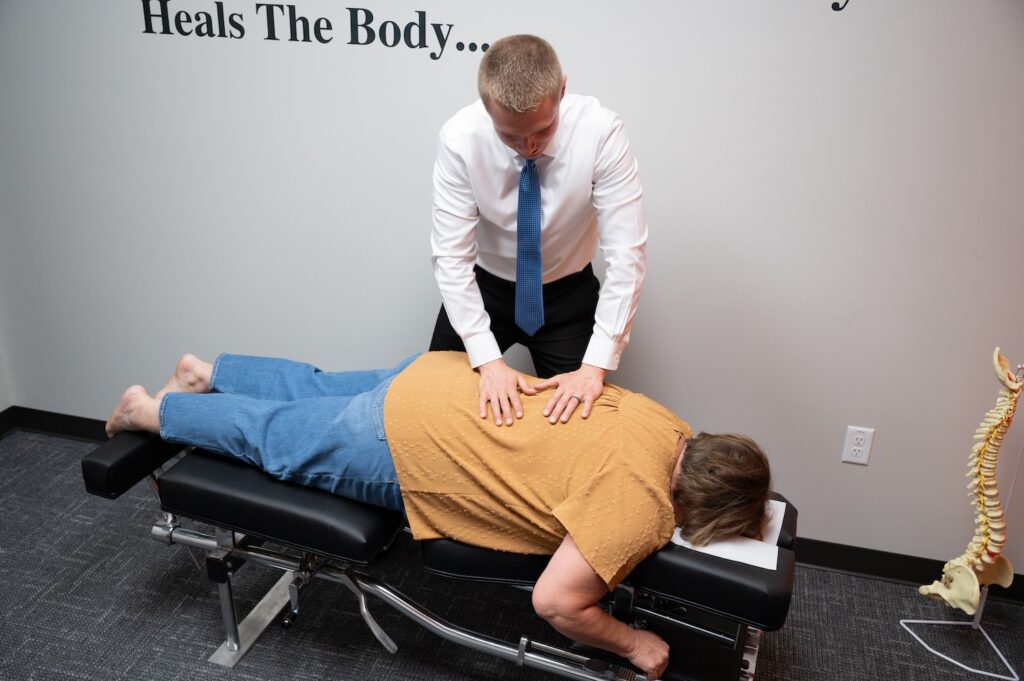
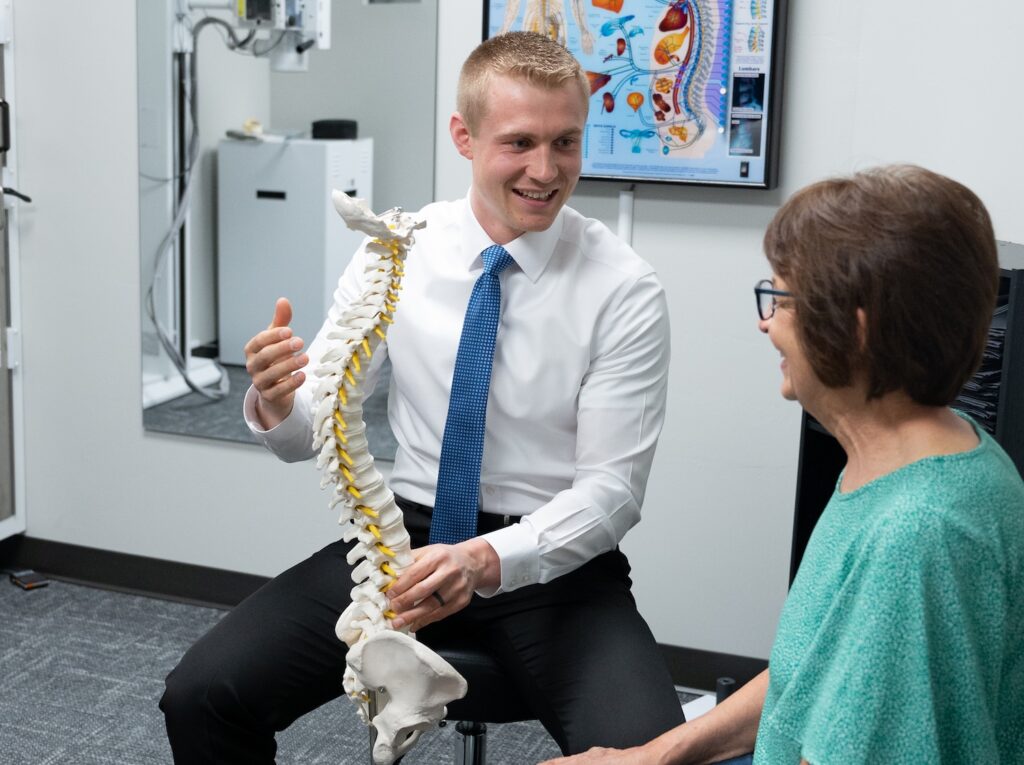
If you're struggling with posture issues, it's essential to understand the impact they can have on your overall health. Visiting a professional can not only help you identify the root causes of your discomfort but also provide tailored strategies to correct them. By learning proper body mechanics, you can prevent future complications and enhance your daily performance. But the benefits extend beyond just physical improvements—there's more to discover about how better posture can elevate your mental well-being and quality of life. What steps can you take to achieve these changes?
Understanding Posture Problems
Posture problems can sneak up on you, often stemming from daily habits like long hours at a desk or improper lifting techniques. You mightn't realize it, but how you sit, stand, or move can greatly impact your body. Poor posture can lead to discomfort, pain, and even long-term issues if left unaddressed.
When you're hunched over your computer, your spine isn't aligned properly, which can strain your neck and back. You might feel tightness in your shoulders or low back pain, and these symptoms can worsen over time.
Similarly, if you lift heavy objects without using the right techniques, you're putting unnecessary stress on your spine and surrounding muscles. This can lead to acute injuries or chronic pain.
Additionally, your posture may be affected by lifestyle factors like your choice of footwear or how you carry your bag. Wearing high heels or carrying an unevenly weighted bag can shift your center of gravity, ultimately affecting your alignment.
It's essential to be aware of these habits and make conscious adjustments to improve your posture.
Benefits of Professional Assessment
Getting a professional assessment can help you identify muscular imbalances that might be affecting your posture.
With tailored correction strategies, you'll be able to address these issues effectively.
Ultimately, this approach enhances your overall well-being, making it a valuable step toward better posture.
Identify Muscular Imbalances
Over time, many people develop muscular imbalances that can negatively affect their posture and overall well-being. These imbalances often stem from repetitive activities, sedentary lifestyles, or improper physical training. When certain muscles become stronger or tighter than their opposing counterparts, it can lead to poor alignment, discomfort, and even pain.
A professional assessment can help you identify these imbalances effectively. Trained specialists can evaluate your posture, movement patterns, and muscle strength, pinpointing areas that require attention. By recognizing these issues early, you'll avoid further complications down the line.
Moreover, understanding your unique muscular imbalances empowers you to make informed decisions about your health. You'll gain insight into how your daily habits contribute to your posture problems. This knowledge allows you to take proactive steps to address these issues before they escalate.
Ultimately, identifying muscular imbalances through professional assessment is essential for achieving better posture. It sets the foundation for a healthier, more balanced body.
Personalized Correction Strategies
When you undergo a professional assessment, you gain access to personalized correction strategies tailored specifically to your needs. This isn't a one-size-fits-all approach; instead, experts evaluate your unique posture, movements, and muscle imbalances. They pinpoint your specific issues and develop targeted exercises and interventions that directly address them.
These strategies often include customized stretching and strengthening routines designed to correct imbalances and improve alignment. You'll learn proper techniques to engage the right muscles, which helps you build strength in areas that may be weak while releasing tension in overactive muscles.
Additionally, personalized guidance guarantees you're using the right posture during daily activities, whether at your desk or in the gym. You'll receive ongoing feedback and adjustments to your program, making it a dynamic process that evolves as you progress.
With these tailored strategies, you're more likely to see significant improvements in your posture. This proactive approach not only aids in correcting existing issues but also helps prevent future problems, allowing you to move confidently and comfortably in your daily life.
Investing in a professional assessment is a step toward a healthier, more aligned you.
Enhance Overall Well-being
Enhancing your overall well-being starts with a thorough professional assessment that addresses not just posture but also your general health.
When you take this step, you're investing in a more balanced, healthier you. Here are four key benefits you can expect:
- Identifying Underlying Issues: A professional assessment can reveal hidden musculoskeletal problems that may be affecting your daily life.
- Tailored Recommendations: You'll receive personalized advice on exercises, stretches, and lifestyle modifications that cater specifically to your needs.
- Improved Physical Performance: Addressing postural issues enhances your physical capabilities, making everyday activities easier and more enjoyable.
- Mental Clarity and Focus: Proper posture contributes to improved blood flow and oxygenation, leading to better concentration and mental acuity.
Personalized Treatment Plans
Creating a personalized treatment plan is fundamental for improving your posture effectively. Everyone's body is unique, and what works for one person mightn't work for another. By tailoring your treatment plan to fit your specific needs, you can address the root causes of your posture issues, rather than just the symptoms.
When you consult a professional, they'll assess your posture, strength, flexibility, and overall body mechanics. This evaluation helps identify the imbalances or weaknesses that contribute to poor posture. Based on these findings, you'll receive a customized plan that may include targeted exercises, stretches, manual therapy, or lifestyle adjustments.
You might find that certain exercises strengthen your core and back muscles, which are essential for maintaining good posture. Stretches can help relieve tension in tight areas, allowing your body to align more naturally. Additionally, your plan may include recommendations for ergonomic adjustments at home or work, ensuring you're set up for success throughout your day.
Regular follow-ups with your practitioner can help track your progress and make any necessary adjustments to your plan. This ongoing support is crucial because it helps keep you motivated and accountable.
Plus, as your body changes, your treatment plan can evolve to continue addressing your posture needs effectively.
Incorporating a personalized treatment plan into your routine not only enhances your posture but also boosts your overall well-being, making it a valuable investment in your health.
Education on Body Mechanics
To achieve better posture, you need to understand proper alignment and how it affects your body.
Core strength plays a vital role in maintaining that alignment, making it essential for your daily activities.
Let's explore some techniques you can use in your everyday movements to support your posture.
Understanding Proper Alignment
Proper alignment is essential for maintaining good posture and preventing discomfort. When your body is aligned, it functions efficiently, reducing strain on muscles and joints.
Here are four key elements to reflect on for achieving proper alignment:
- Head Position: Keep your head level and aligned with your spine. Avoid jutting your chin forward to prevent neck strain.
- Shoulder Placement: Relax your shoulders and keep them down and back. This helps prevent rounding and tension in the upper back.
- Spine Alignment: Maintain the natural curves of your spine. Whether sitting or standing, your back should have a slight curve in the neck, back, and lower spine for ideal support.
- Hip and Knee Position: When standing, your hips should be in line with your knees and ankles. In a seated position, keep your feet flat on the ground and avoid crossing your legs.
Importance of Core Strength
How often do you consider the role of your core strength in maintaining good posture? Your core isn't just about having defined abs; it's the powerhouse that supports your entire body. A strong core stabilizes your spine and pelvis, allowing you to hold your body in proper alignment.
When your core muscles are weak, you're more likely to slouch or lean, leading to poor posture. Improving your core strength can greatly enhance your posture. It helps distribute your body weight evenly, reducing strain on your back and neck.
Strong core muscles also allow you to perform daily activities more efficiently and with less risk of injury. Whether you're sitting at your desk, lifting groceries, or exercising, a solid core provides the stability you need.
Additionally, developing core strength can boost your overall confidence. When you stand tall with good posture, you project an image of self-assurance and poise.
Techniques for Daily Movement
Everyday movements can either support your posture or contribute to bad habits, so it's crucial to be mindful of how you move. Simple adjustments can make a huge difference in your daily life.
Here are four techniques to enhance your body mechanics:
- Engage Your Core: Whether you're sitting, standing, or walking, always activate your core muscles. This not only stabilizes your body but also protects your spine.
- Use Proper Lifting Techniques: When lifting objects, bend at your knees instead of your back. Keep the object close to your body and lift with your legs to avoid strain.
- Maintain Neutral Spine: While sitting or standing, aim to keep your spine in a neutral position. Avoid slouching or leaning forward, which can lead to discomfort and misalignment.
- Take Regular Breaks: If you're sitting for long periods, make it a habit to stand, stretch, or walk around every 30-60 minutes. This promotes circulation and reduces stiffness.
Techniques for Improvement
Many individuals struggle with poor posture, but several effective techniques can help you improve it. First, focus on your awareness throughout the day. Regularly check in with your body position; are your shoulders hunched or your head jutting forward? Simply bringing attention to your posture can prompt you to make adjustments.
Next, practice strengthening exercises that target your core and back muscles. Exercises like planks, bridges, and rows will build the necessary support for your spine. Incorporate stretches that lengthen tight muscles, especially in your chest and hip flexors. Stretching helps counteract the effects of prolonged sitting and encourages better alignment.
Another valuable technique is using ergonomic furniture. Invest in a chair that supports your lower back and encourages an upright posture. If you work at a desk, make certain your computer screen is at eye level and your feet are flat on the floor. You can also use a lumbar roll for extra support.
Don't underestimate the power of mindful breathing. Deep, diaphragmatic breaths can help relax tense muscles and promote better posture. Set reminders throughout the day to take a few deep breaths and consciously align your body.
Finally, consider incorporating yoga or Pilates into your routine. Both practices emphasize body awareness, flexibility, and strength, all of which contribute to better posture.
Prevention of Future Issues
To prevent future posture issues, it's important to establish habits that promote alignment and support your spine over time. Simple changes in your daily routine can make a significant difference.
By focusing on your posture now, you can avoid discomfort and complications later on.
Here are four essential practices to integrate into your life:
- Mind Your Sitting Position: Make sure your chair supports your lower back. Keep your feet flat on the ground and your knees at hip level. Avoid slumping or leaning too far forward.
- Strengthen Core Muscles: Your core is essential for maintaining good posture. Incorporate exercises like planks and bridges into your routine to strengthen these muscles, providing better support for your spine.
- Take Frequent Breaks: If you sit for long periods, set a timer to remind yourself to stand, stretch, and walk around every 30 minutes. This helps relieve tension and encourages better posture.
- Use Ergonomic Equipment: Invest in ergonomic chairs and desks that promote good posture. Adjust your computer screen to eye level to avoid straining your neck.
Enhanced Athletic Performance
Good posture not only helps prevent future issues but also boosts your athletic performance. When you maintain proper alignment, your body functions more efficiently, allowing you to maximize your strength and endurance. With ideal posture, you can engage your muscles more effectively, which translates into better power output during sports and workouts.
For instance, when you stand tall with your shoulders back and your spine aligned, you create a solid foundation for your movements. This alignment not only enhances your balance but also helps prevent injuries, as your body distributes weight more evenly across joints.
Whether you're sprinting, jumping, or lifting weights, good posture enables you to perform these activities with greater control and precision.
You might also notice that improved posture leads to better breathing. When your chest is open and your diaphragm can expand fully, you take in more oxygen, which fuels your muscles during intense exercise. This increase in oxygen can boost your stamina, allowing you to push through those last few reps or maintain your speed on the track.
In addition, good posture can elevate your overall confidence. When you feel good about how you carry yourself, you're likely to perform better and take on challenges with a positive mindset.
Boosting Mental Well-Being
Posture plays an essential role in your mental well-being. When you sit or stand tall, you're not just improving your physical alignment; you're also sending powerful signals to your brain. Good posture can enhance your mood, boost your confidence, and even help reduce stress.
Here are four key ways posture influences your mental health:
- Confidence Boost: Standing or sitting upright can make you feel more confident. When you adopt a strong posture, you project an image of self-assurance, which can improve how you perceive yourself and how others perceive you.
- Improved Mood: Research shows that good posture can lead to a more positive outlook. When you maintain an open and upright position, it can help trigger feelings of happiness and reduce anxiety.
- Stress Reduction: Slouching can lead to feelings of fatigue and stress. By correcting your posture, you might find it easier to manage stress levels and feel more energized throughout the day.
- Enhanced Focus: Good posture helps improve blood flow and oxygen delivery to your brain. This can lead to better concentration and increased productivity, allowing you to tackle tasks more effectively.
Long-Term Health Benefits
Maintaining proper posture not only enhances mental well-being but also brings significant long-term health benefits. When you stand or sit correctly, you reduce the strain on your muscles and joints, lowering the risk of chronic pain. Over time, this can help prevent conditions like arthritis and lower back issues, which often stem from poor alignment.
Additionally, good posture promotes better spinal health. Your spine is designed to support your body's weight, but slouching or hunching can lead to misalignment and long-term damage. By maintaining an upright stance, you encourage proper spinal curvature, which can help you avoid debilitating conditions in the future.
You'll also notice improvements in your respiratory function. When you maintain an open chest and aligned shoulders, your lungs can expand fully, allowing for deeper, more efficient breathing. This increased oxygen flow can enhance your energy levels and overall wellness, making you feel more alert throughout the day.
Furthermore, good posture contributes to better digestion. Sitting or standing with proper alignment allows your organs to function effectively, reducing the risk of digestive issues. You may find that you experience less bloating and discomfort as a result.
Incorporating posture awareness into your daily routine can lead to these lasting benefits. It's not just about looking confident; it's about investing in your long-term health.
Conclusion
Improving your posture isn't just about looking good; it's essential for your overall health. By visiting a professional, you'll gain valuable insights into your body mechanics and receive a personalized plan tailored just for you. With the right techniques, you can prevent future issues, enhance your athletic performance, and boost your mental well-being. Don't wait to make a change—prioritize your posture today, and enjoy the lasting benefits it brings to your life!