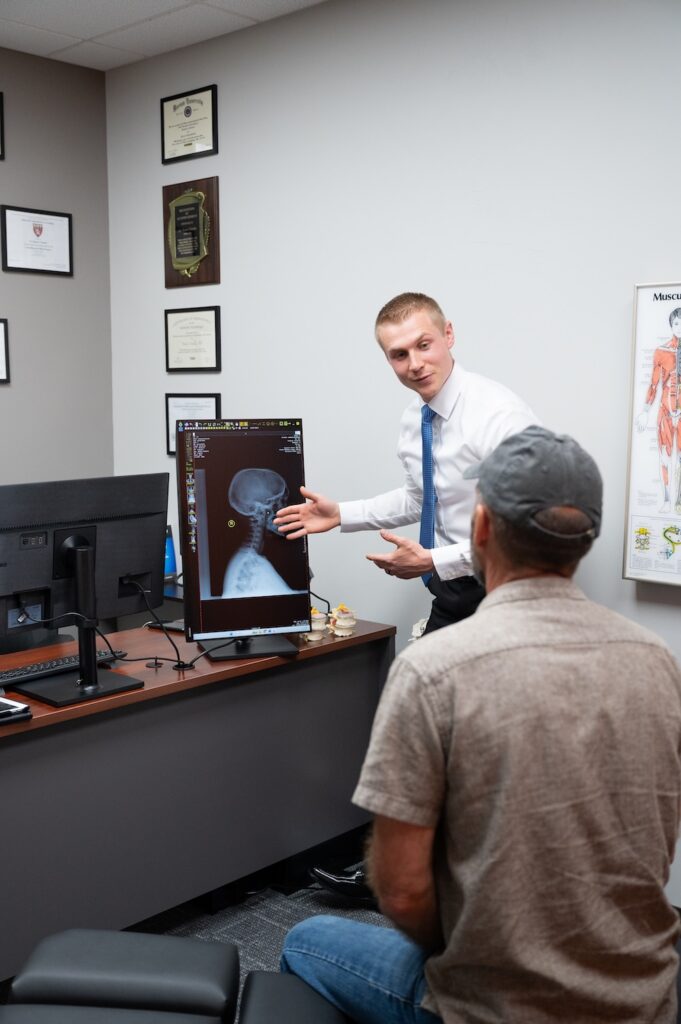

If you’ve ever experienced a tension headache, you know how disruptive it can be. Fortunately, there are effective ways to relieve the discomfort without relying on medications or invasive procedures. As a chiropractor, I believe in the power of natural healing and the importance of spinal health in achieving overall wellness. By incorporating some simple strategies into your daily routine, you can manage and even prevent these headaches, all while promoting your body’s natural ability to heal.
Curious about the best methods to ease your pain and enhance your well-being? Here are some practical approaches that can make a significant difference:
- Chiropractic Care: Regular chiropractic adjustments can help alleviate tension in the neck and upper back, which are often contributors to tension headaches. By ensuring that your spine is properly aligned, you can reduce muscle tension and improve circulation, leading to fewer headaches.
- Posture Awareness: Pay attention to how you sit, stand, and move throughout the day. Poor posture can strain your muscles and lead to headaches. Practice sitting up straight and keeping your shoulders back to reduce tension in your neck and upper back.
- Stress Management Techniques: Incorporate relaxation techniques such as deep breathing exercises, yoga, or meditation into your routine. These practices can help reduce stress levels, which are a common trigger for tension headaches.
- Stay Hydrated: Dehydration can lead to headaches, so make sure you’re drinking plenty of water throughout the day. Aim for at least eight glasses, and consider keeping a water bottle at your desk as a reminder.
- Regular Exercise: Incorporating physical activity into your daily routine can help reduce stress and improve circulation. Whether it’s walking, biking, or practicing yoga, find an exercise that you enjoy and make it a regular part of your life.
- Sleep Hygiene: Ensure that you’re getting enough restful sleep each night. Establish a calming bedtime routine, keep your sleep environment comfortable, and aim for 7-9 hours of sleep to help prevent tension headaches.
- Heat or Cold Therapy: Applying a warm compress or heating pad to your neck and shoulders can relax tight muscles, while cold packs can numb pain and reduce inflammation. Experiment with both to see which one provides you with the most relief.
By embracing these natural strategies and prioritizing your spinal health, you can take control of your well-being and reduce the frequency and intensity of tension headaches. Remember, chiropractic care is an effective and holistic way to achieve optimal health, allowing your body to function at its best. If you’re struggling with tension headaches, consider scheduling a visit to a chiropractor who can help guide you on your journey to wellness.
Key Takeaways
- Practice deep breathing and progressive muscle relaxation techniques to help ease tension and soothe your nervous system. These techniques can complement chiropractic adjustments, promoting a holistic approach to pain relief.
- Maintain good posture and set up an ergonomic workspace to prevent muscle strain and headaches. Chiropractic care can help assess your posture and make necessary adjustments to align your spine, reducing discomfort.
- Incorporate regular stretching and strengthening exercises into your routine to relieve neck and shoulder tightness. A chiropractor can provide specific exercises tailored to your needs, enhancing your overall well-being.
- Establish a consistent sleep schedule and create a calming bedtime routine. Quality sleep is essential for recovery, and chiropractic care can help address any underlying issues that may be disrupting your rest.
- Stay hydrated by drinking plenty of water and consuming hydrating foods. Dehydration can lead to headaches, and a chiropractor can guide you on how proper hydration supports spinal health and overall wellness.
By integrating these tips with regular chiropractic visits, you can take significant steps toward relieving tension headaches and achieving optimal health naturally.
Practice Relaxation Techniques
When you’re dealing with tension headaches, incorporating relaxation techniques can truly make a difference, and as a chiropractor, I believe it’s essential to approach these issues naturally. One of the simplest yet most effective methods is to focus on your breath. Try taking slow, deep breaths through your nose and gently exhaling through your mouth. This practice not only calms your nervous system but also helps to alleviate muscle tension that often contributes to headaches.
Additionally, you may find progressive muscle relaxation beneficial. This technique involves tensing each muscle group for a few seconds and then releasing, working your way from your toes up to your head. It can help relieve the tightness that builds up in your body.
Meditation is another excellent way to foster relaxation. Even a few minutes of mindfulness can shift your focus from pain to a more peaceful mindset. Guided imagery—where you picture a serene and comforting scene—can further distract your mind and promote relaxation.
Don’t overlook the importance of gentle stretches. Simple neck and shoulder stretches can release accumulated tension, making a significant difference in how you feel. These techniques not only aid in relieving headaches but also enhance your overall well-being.
Incorporating these relaxation methods into your daily routine can empower you to take control of your health and find relief naturally. Remember, chiropractic care can support you on this journey by addressing the root causes of tension and pain, helping you achieve optimal health and a headache-free life. You have the tools to find relief and improve your quality of life!
Maintain Good Posture
Maintaining good posture is crucial for preventing tension headaches, and as a chiropractor, I can’t stress enough the importance of proper alignment for your overall health. Start by ensuring your workspace is ergonomically designed to support your body. This means adjusting your chair, desk, and computer monitor to promote a neutral spine position.
In addition to setting up your environment correctly, incorporating gentle stretching and strengthening exercises into your daily routine can significantly benefit your posture. Simple exercises like neck stretches, shoulder rolls, and back extensions can help keep your muscles relaxed and properly aligned.
Remember, chiropractic care is an excellent option for not only addressing tension headaches but also for promoting long-term wellness. Regular adjustments can help maintain your spinal alignment and enhance your overall health. If you’re experiencing discomfort, consider visiting your local chiropractor to discuss how you can achieve optimal health naturally, without the need for medications or invasive procedures.
Taking small, actionable steps towards maintaining good posture can lead to big improvements in your well-being. Stay mindful of your posture throughout the day, and don’t hesitate to seek chiropractic care for a holistic approach to pain relief and natural healing.
Ergonomic Workspace Setup
Creating an ergonomic workspace is key to preventing tension headaches and supporting your overall well-being, and as a chiropractor, I can tell you that a proper setup can make a world of difference for your spine and nervous system.
Start by adjusting your chair so your feet rest flat on the floor, with your knees at a comfortable 90-degree angle. This position helps maintain good spinal alignment and reduces strain.
Next, make sure your desk is at elbow height. This will allow your shoulders to remain relaxed while you type, which is vital for avoiding tension in your neck and back.
Position your monitor about an arm’s length away from you, ensuring that the top of the screen is at or just below eye level. This helps keep your neck in a neutral position, reducing the risk of strain that can lead to headaches.
Don’t overlook the importance of a supportive chair that encourages good posture. A chair with proper lumbar support can help maintain the natural curve of your spine, which is essential for your overall health.
Keep your keyboard and mouse close to your body to avoid reaching, and consider using a footrest if your feet don’t comfortably reach the ground.
By optimizing your workspace, not only will you enhance your comfort, but you’ll also significantly reduce the likelihood of tension headaches and other discomforts in the long run.
Stretching and Strengthening Exercises
A well-structured workspace is essential, but it’s only part of the equation when it comes to maintaining your health and well-being. As a local chiropractor, I want to emphasize the importance of incorporating stretching and strengthening exercises into your daily routine. These practices not only improve your posture but also significantly reduce the occurrence of tension headaches, which can be a common issue for many people.
Start your day with simple neck stretches: gently tilt your head to one side, hold for a few seconds, and then switch to the other side. This helps release tension in the neck and can improve your range of motion. Shoulder rolls are another easy way to alleviate built-up tension—just roll your shoulders forward and then backward in a circular motion.
Strengthening your core muscles is vital for supporting your spine. Incorporate exercises like planks and bridges into your fitness routine. These moves help stabilize your spine, which can lead to better posture and reduced discomfort.
Remember, regular breaks are key! Take time to stand up, walk around, and check your posture throughout the day. Simple adjustments, such as sitting up straight and keeping your feet flat on the ground, can make a significant difference in how you feel.
Stay Hydrated
Staying hydrated is crucial for your overall health and well-being, especially when it comes to preventing tension headaches. As a chiropractor, I often see how hydration impacts our body’s ability to function optimally. When you’re not drinking enough water, you may experience signs of dehydration such as fatigue, dry mouth, and even increased tension in your muscles, which can contribute to headaches.
To keep your body and spine in top shape, here are some simple hydration tips that can help you feel your best:
- Set a Daily Water Goal: Aim to drink a specific amount of water each day. A good rule of thumb is to start with eight 8-ounce glasses, but listen to your body’s needs.
- Carry a Water Bottle: Keep a reusable water bottle with you at all times. This makes it easier to sip throughout the day and ensures you stay on track with your hydration goals.
- Infuse Your Water: If plain water feels boring, try adding slices of fruits like lemon, lime, or cucumber to make it more enjoyable and refreshing.
- Eat Hydrating Foods: Incorporate foods with high water content into your diet, such as cucumbers, watermelon, and oranges. These not only hydrate you but also provide essential nutrients.
- Establish a Routine: Drink a glass of water first thing in the morning and set reminders to drink throughout the day. Making it a habit can significantly improve your hydration levels.
- Listen to Your Body: Pay attention to signs of dehydration. If you feel thirsty, or experience dry skin or fatigue, it’s time to drink more fluids.
Remember, proper hydration supports not just your overall health but also your spinal health. Keeping your muscles and joints hydrated can help reduce tension and discomfort, making chiropractic care even more effective for pain relief and natural wellness.
Importance of Water Intake
As a chiropractor, I want to emphasize the vital role of proper hydration in achieving optimal health and wellness, particularly in preventing tension headaches. Staying hydrated is essential not just for your overall well-being, but it also supports your spine and nervous system, which are crucial for a healthy body. Here’s why you should make water intake a priority:
- Boosts energy levels: When you’re well-hydrated, you can combat fatigue effectively. This helps you stay alert and focused, which is essential for maintaining good posture and spinal health throughout your day.
- Improves mood: Staying hydrated has a positive effect on your mood, helping to reduce irritability. This can be particularly important for those experiencing tension headaches, as stress often contributes to discomfort.
- Enhances cognitive function: Water is vital for your brain health. It improves concentration and decision-making, allowing you to engage more fully in your daily activities and maintain a healthy, active lifestyle.
- Regulates body temperature: Adequate hydration helps your body maintain a stable temperature, which can prevent unnecessary stress on your system. This stability is important not just for comfort, but also for the health of your spine.
To ensure you’re getting enough water, consider these simple tips:
- Keep a water bottle handy: Having water easily accessible encourages you to sip throughout the day.
- Set reminders: Use your phone or a timer to remind you to drink water regularly.
- Infuse your water: Add some natural flavors like lemon or cucumber to make drinking water more enjoyable.
- Pair it with meals: Make it a habit to drink a glass of water before and during meals.
Remember, staying hydrated is just one piece of the puzzle when it comes to your health. Regular chiropractic care can help ensure your spine is in alignment, which is key to overall wellness.
Signs of Dehydration
Recognizing the signs of dehydration is essential for your overall health and well-being, especially when it comes to preventing headaches and supporting your body’s natural healing processes.
As a chiropractor, I want to emphasize that staying hydrated plays a significant role in maintaining a healthy spine and overall wellness.
If you notice symptoms such as a dry mouth, fatigue, or dizziness, your body may be signaling that it needs more fluids.
Dark yellow urine is often a warning sign of insufficient hydration, so keep an eye on that.
Additionally, if you’re experiencing reduced urine output or a lack of sweat during exercise, these could indicate that your hydration levels are low.
Headaches can develop when you’re dehydrated, which is why it’s so important to listen to your body and take these signs seriously.
You might also feel unusually hungry or experience muscle cramps, both of which may suggest you need to increase your fluid intake.
Here are some simple tips to help you stay hydrated and support your health:
- Drink Water Regularly: Aim to keep a water bottle with you throughout the day and take sips regularly, rather than waiting until you feel thirsty.
- Eat Hydrating Foods: Incorporate fruits and vegetables with high water content, such as cucumbers, watermelon, and oranges, into your meals.
- Set Reminders: Use phone alerts or apps to remind you to drink water, especially if you tend to forget during busy days.
- Limit Dehydrating Beverages: Try to reduce your intake of caffeinated and alcoholic drinks, as they can contribute to dehydration.
By staying aware of the signs of dehydration and incorporating these tips into your daily routine, you can help prevent headaches and support your body’s natural healing abilities.
Remember, chiropractic care can also play a vital role in your journey to optimal health by ensuring your spine is aligned and functioning properly, which can enhance your overall wellness.
Stay hydrated and take care of yourself!
Hydration Tips and Tricks
Hydration is often overlooked, but it’s a crucial element for your overall health and well-being, especially when it comes to reducing tension headaches and supporting spinal health. As a chiropractor, I want to emphasize how important it’s to stay hydrated alongside your chiropractic care for optimal health.
Here are some straightforward tips to help you maintain proper hydration:
- Carry a water bottle: Keeping a water bottle with you throughout the day can serve as a constant reminder to drink more water. This simple habit can help alleviate discomfort and tension in your body, including your spine.
- Set reminders: Consider setting hourly reminders on your phone to take a sip of water. Regular hydration helps keep your muscles and joints lubricated, which is essential for maintaining good spinal health.
- Infuse your water: Make hydration enjoyable by adding fruits or herbs to your water. Not only does this make drinking more appealing, but the added nutrients can support your overall wellness alongside chiropractic adjustments.
- Eat water-rich foods: Incorporate fruits and vegetables like cucumbers, oranges, and watermelon into your meals. These foods not only hydrate but also provide essential vitamins and minerals that contribute to your body’s natural healing processes.
Apply Hot or Cold Compresses
Applying hot or cold compresses can be a fantastic way to relieve tension headaches, and it’s a natural approach that complements chiropractic care perfectly. When you opt for a hot compress, it can help relax tight muscles and enhance blood flow, easing discomfort.
Just soak a cloth in warm water or use a heating pad, and place it on your forehead or the back of your neck. You’ll feel the soothing warmth melt away your tension, allowing your body to find its natural balance.
Conversely, using a cold compress can numb the pain and reduce inflammation, providing another effective method for relief. Simply wrap some ice or a cold pack in a cloth and apply it to the area where you’re experiencing the headache.
Keeping it there for about 15-20 minutes can bring noticeable relief, helping your body recover without the need for medications or invasive treatments.
Both methods—heat and cold—can be beneficial, and it’s worth experimenting with each to discover what works best for you. Incorporating these simple practices into your routine can enhance your overall wellness and provide quicker headache relief.
Get Regular Exercise
In addition to using hot or cold compresses, getting regular exercise can be a key part of managing tension headaches. Exercise plays an important role in reducing stress and tension in your muscles, which often contribute to headaches. Staying active not only supports your physical health but also boosts your mood and overall well-being.
As a chiropractor, I highly recommend incorporating exercise into your daily routine as a natural way to enhance your health and alleviate pain. Here are some practical tips to help you get started:
- Choose activities you love: Finding joy in your workouts makes it easier to stay committed. Whether it’s dancing, swimming, or simply taking a walk, doing what you enjoy can help turn exercise into a fun part of your day.
- Aim for at least 30 minutes daily: Engaging in activities like a brisk walk can significantly reduce tension. Remember, consistency is key, so find ways to fit it into your everyday life.
- Incorporate gentle stretching: Simple stretches can help relieve tightness, especially in the neck and shoulders, areas that often hold tension. Stretching can be an excellent way to unwind and promote relaxation.
- Explore mindfulness through movement: Practices such as yoga or tai chi combine gentle movement with mental relaxation, making them fantastic options for both physical and mental relief. These activities not only improve flexibility and strength but also help calm the mind.
By integrating these exercises into your routine, you’re taking a proactive step towards better health. Remember, chiropractic care also plays a crucial role in supporting your body’s natural healing processes. Regular adjustments can keep your spine aligned, which enhances your overall physical function and helps alleviate tension.
Embrace a holistic approach to wellness that includes both exercise and chiropractic care for optimal health and wellness.
Ensure Quality Sleep
How can you ensure you get quality sleep to help manage tension headaches? As a chiropractor, I emphasize the importance of a good night’s sleep for your overall health and wellness, especially when it comes to alleviating headache tension. Start by establishing a consistent sleep schedule—going to bed and waking up at the same time every day, even on weekends, helps regulate your body’s internal clock.
Creating a calming bedtime routine is essential. This could include relaxing activities like reading, gentle stretching, or meditation, all of which can help signal your body that it’s time to wind down. A restful environment is also crucial; keep your bedroom dark, quiet, and cool, and invest in a supportive mattress and pillows to maintain proper spinal alignment while you sleep.
It’s important to limit screen time before bed since the blue light emitted from devices can disrupt your natural sleep-wake cycle. Additionally, steer clear of heavy meals, caffeine, and alcohol close to bedtime as these can interfere with your sleep quality.
Incorporating relaxation techniques, such as deep breathing or progressive muscle relaxation, can further ease your mind and body into a restful state. Remember, prioritizing quality sleep not only enhances your well-being but can also significantly reduce the frequency and intensity of tension headaches.
Chiropractic care can also play a vital role in your journey to better sleep and less headache pain. Regular adjustments can help align your spine, relieve tension, and improve overall body function, leading to a more restful sleep experience. Consider consulting with your chiropractor about additional strategies tailored to your individual needs for achieving optimal health and wellness.
Consider Over-the-Counter Medications
When tension headaches strike, it’s understandable to seek relief quickly. While over-the-counter (OTC) medications can provide temporary comfort, I want to emphasize that there are natural alternatives that can lead to lasting wellness. As a chiropractor, I believe in the power of your body to heal itself when given the right support. Here are some tips to help manage tension headaches and promote overall health:
- Chiropractic Care: Regular chiropractic adjustments can help align your spine and relieve tension in your neck and shoulders, which are often contributors to headaches. By improving spinal function, you may find significant relief from headache pain.
- Posture Awareness: Pay attention to your posture, especially if you spend long hours at a desk. Ensure your workstation is ergonomically set up to reduce strain on your neck and back. Simple adjustments can make a big difference in how you feel.
- Stress Management: Incorporate relaxation techniques such as deep breathing, meditation, or yoga into your daily routine. These practices can help reduce stress, which is a common trigger for tension headaches.
- Stay Hydrated: Dehydration can lead to headaches, so make sure you’re drinking enough water throughout the day. Aim for at least eight glasses and consider adding hydrating foods to your diet, like fruits and vegetables.
- Regular Exercise: Engaging in regular physical activity can improve circulation and reduce tension in your muscles. Find an activity you enjoy, whether it’s walking, swimming, or cycling, and make it part of your routine.
- Adequate Sleep: Ensure you’re getting enough quality sleep each night. Establish a calming bedtime routine and aim for 7-9 hours of sleep to help your body recover and prevent headaches.
While OTC medications can offer quick relief, they often only mask the symptoms without addressing the underlying causes. By focusing on natural healing methods, such as chiropractic care and lifestyle adjustments, you can take control of your health and reduce the frequency and intensity of tension headaches.
If you find that your headaches persist, I encourage you to reach out for a chiropractic consultation to explore personalized strategies for your well-being. Your body has the ability to heal, and with the right support, you can achieve optimal health.
Conclusion
Incorporating these strategies into your daily routine can significantly help relieve tension headaches, and as a chiropractor, I want to emphasize the importance of natural approaches to health and wellness. By practicing relaxation techniques like deep breathing or meditation, you can reduce stress and tension that contribute to headaches. Maintaining good posture is also crucial; it supports your spine and can prevent the muscle strain that often leads to discomfort.
Staying hydrated is essential for overall health, and it can help prevent headaches caused by dehydration. Applying hot or cold compresses to your forehead or neck can provide immediate relief, while regular exercise promotes better circulation and can alleviate tension in your muscles.
Quality sleep is vital for your body to recover and heal, so aim for a consistent sleep schedule. Chiropractic adjustments can also play a significant role in managing headaches by addressing spinal misalignments that may contribute to pain. By improving your spinal health, you may notice a reduction in headache frequency and intensity.
Remember, consistency is key! Make these habits a part of your life, and you’ll likely find relief from those pesky headaches. Taking charge of your health naturally can lead to a more vibrant and pain-free life. Don’t hesitate to reach out for chiropractic care; it can be a powerful ally in your journey toward optimal wellness!