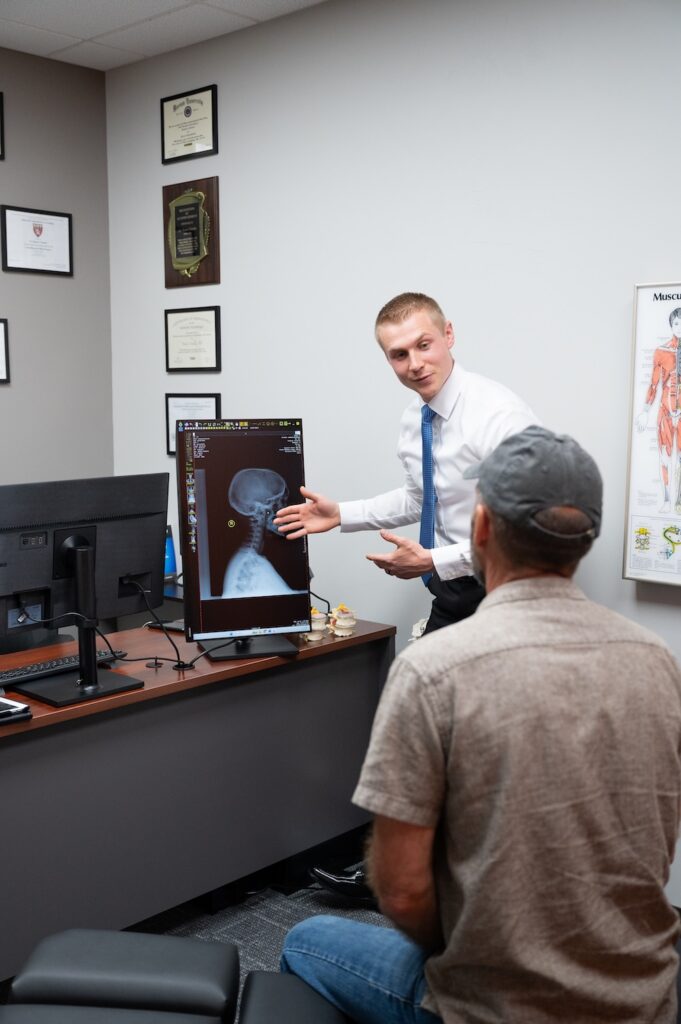

Headaches can be a frustrating and persistent issue, often stemming from poor posture and daily habits. As a chiropractor, I want to emphasize that by making simple adjustments to your routine and environment, you can significantly reduce the frequency and intensity of these headaches. Embracing proper alignment, especially in your workspace and while you sleep, can lead to remarkable improvements in your health and well-being.
Here are some valuable tips that can help you alleviate headaches naturally:
- Maintain Proper Posture: Whether you’re sitting at a desk or standing, keeping your spine aligned is crucial. Consider using an ergonomic chair and desk setup to support your back and neck.
- Take Regular Breaks: If you spend long hours in front of a screen, remember to take breaks every 30 minutes. Stand up, stretch, and move around to relieve tension in your neck and shoulders.
- Stay Hydrated: Dehydration can trigger headaches. Ensure you drink plenty of water throughout the day to keep your body well-hydrated.
- Sleep Smart: Your sleeping position matters. Use a supportive pillow that keeps your neck aligned with your spine. A good night’s sleep can do wonders for headache prevention.
- Practice Relaxation Techniques: Stress is a common headache trigger. Incorporate relaxation exercises such as deep breathing, meditation, or yoga to help manage stress levels.
- Adjust Screen Height: If you work on a computer, make sure your screen is at eye level. This helps prevent straining your neck and reduces the risk of tension headaches.
- Visit Your Chiropractor: Regular chiropractic adjustments can help maintain spinal alignment and relieve tension that may be contributing to your headaches. A chiropractor can provide personalized care tailored to your needs.
- Limit Caffeine Intake: While caffeine can provide relief for some, too much can lead to withdrawal headaches. Monitor your consumption and consider reducing it if you notice a pattern.
- Incorporate Gentle Exercise: Regular physical activity can improve circulation and reduce stress, both of which are beneficial for headache prevention.
- Listen to Your Body: If you notice certain activities or habits consistently trigger headaches, take note and adjust accordingly. Your body is your best guide.
By implementing these tips and prioritizing spinal alignment, you can take significant steps towards reducing headache frequency and enhancing your overall wellness. Remember, chiropractic care is a natural and effective way to support your body’s health, so consider scheduling a visit to discuss how we can work together to achieve optimal health and relief from headaches. Your journey to wellness starts with small, intentional changes!
Key Takeaways
10 Tips to Alleviate Headaches Through Alignment
- Maintain Neutral Spine Alignment: When sitting, it’s crucial to keep your spine in a neutral position. This helps to reduce tension-related headaches and promotes overall spinal health. A properly aligned spine is the foundation of a healthy body, and chiropractic care can help you maintain that alignment.
- Monitor Positioning: Position your computer monitor at eye level. This simple adjustment can prevent neck strain and ensure your head stays aligned with your spine. If you’re unsure about your workspace setup, a chiropractor can provide personalized advice for optimal positioning.
- Choose an Ergonomic Chair: Investing in an ergonomic chair can make a world of difference for your back. These chairs provide support and help keep your shoulders relaxed, minimizing muscle strain. A chiropractor can also offer tips on the best seating options tailored to your needs.
- Take Regular Breaks: It’s important to step away from your desk periodically. Take breaks to stretch and reset your posture. This will help alleviate built-up tension that can lead to headaches. Incorporating gentle stretches recommended by your chiropractor can enhance your relief.
- Stay Hydrated: Dehydration can lead to headaches, so make sure you’re drinking plenty of water throughout the day. Staying hydrated is a simple yet effective way to support your overall health and well-being.
By following these tips and considering chiropractic care, you can take proactive steps towards alleviating headaches and enhancing your overall health naturally. Remember, a well-aligned spine is key to a pain-free life!
Maintain Good Posture Throughout the Day
Maintaining good posture throughout the day is crucial in reducing your chances of developing headaches, and as a chiropractor, I want to emphasize its importance for overall health and wellness. When you sit or stand with proper alignment, you minimize the strain on your muscles and joints, which can prevent tension headaches from occurring. Make a conscious effort to keep your shoulders back, your head aligned over your spine, and your feet flat on the floor.
If you spend a lot of time at a desk, it’s essential to adjust your chair and computer monitor so your screen is at eye level. This simple adjustment can help maintain your spinal alignment and reduce stress on your neck. Remember to take regular breaks to stretch and walk around; these movements help relieve built-up tension and keep your body feeling great.
Be mindful of your posture when using your phone or tablet as well, as poor alignment can lead to neck strain, commonly referred to as “tech neck.” By practicing good posture, you’re actively supporting your body’s natural alignment and reducing the risk of headaches. This is where chiropractic care truly shines—our focus on spinal health can help you maintain that alignment and promote natural healing.
Incorporating small adjustments into your daily routine can lead to significant improvements in how you feel throughout the day. Remember, chiropractic care is a natural and effective way to achieve optimal health and wellness, and it can be a vital part of your journey to pain relief and a healthier lifestyle. Take the time to care for your spine, and your body will thank you!
Stay Hydrated to Support Overall Health
Staying hydrated is vital for your overall health and can significantly influence headache prevention. When your body doesn’t get enough water, it can become dehydrated, leading to tension and discomfort that might result in headaches. This makes it essential to maintain consistent fluid intake throughout your day.
A good rule of thumb is to aim for at least eight glasses of water daily. However, it’s important to listen to your body, as your hydration needs may change depending on how active you’re and the climate you’re in. Including water-rich foods, such as fruits and vegetables, in your meals can also contribute to your hydration. Keeping a water bottle with you can serve as a great reminder to sip throughout the day.
If you find yourself dealing with headaches, consider increasing your water intake and see if it helps ease the discomfort. Staying hydrated not only supports your head but also enhances your energy and concentration levels, which can be beneficial for your overall wellness.
As a chiropractor, I want to emphasize that proper hydration complements holistic health practices. Chiropractic care can be a powerful ally in your journey toward optimal wellness by addressing spinal health, which plays a crucial role in your nervous system function and overall bodily health. By focusing on natural methods like hydration and chiropractic adjustments, you can take significant steps toward relieving pain and enhancing your quality of life.
Incorporate Regular Stretching and Movement
Incorporating regular stretching and movement into your daily routine can significantly help alleviate headaches and improve your overall well-being.
As a chiropractor, I emphasize that these natural practices not only promote better circulation but also help relieve muscle tension that often contributes to discomfort.
Here are some simple and effective techniques you can easily integrate into your life:
- Neck Stretches: Gently tilt your head from side to side and forward to release tension in your neck. This can help prevent discomfort and maintain proper spinal alignment.
- Shoulder Rolls: Whether you’re sitting or standing, rolling your shoulders backward and forward can ease tightness and promote relaxation in your upper body.
- Upper Back Stretch: Interlock your fingers and stretch your arms overhead. This opens up your chest and back, allowing for better posture and reducing strain on your spine.
- Short Walks: Taking brief walking breaks throughout your day can significantly promote blood flow and reduce stiffness. Movement is essential for maintaining a healthy spine and overall wellness.
By making these activities a part of your daily routine, you can enhance your health naturally.
Remember, chiropractic care can also play a vital role in your journey to optimal wellness by addressing the root causes of tension and discomfort.
Practice Mindfulness and Stress Reduction Techniques
As a local chiropractor, I want to share how practicing mindfulness and stress reduction techniques can be beneficial not only for your mental well-being but also for alleviating headaches. Stress can lead to tension in your body, particularly in your neck and shoulders, which often triggers headaches. By incorporating mindfulness practices into your routine, you can enhance your overall health and reduce headache frequency and intensity.
Begin with simple breathing exercises. Just a few deep, intentional breaths can help shift your focus away from stress and ease tension in your muscles. I encourage you to set aside a few minutes each day for meditation or guided imagery. These practices can help center your thoughts and release built-up stress, which is essential for maintaining spinal health.
Incorporating yoga and gentle stretching into your daily routine can further support your mindfulness practice. These activities promote relaxation not only in your body but also in your mind, helping to prevent the tension that often leads to headaches. Regularly engaging in these techniques can help you manage headache triggers while improving your overall wellness.
Ensure a Comfortable Sleeping Environment
Creating a comfortable sleeping environment is crucial for not only reducing headache occurrences but also supporting overall spinal health. A restful night’s sleep can significantly enhance how you feel and function during the day.
Here are four essential elements to consider for your sleep space that can contribute to your well-being:
- Mattress Quality: Invest in a mattress that provides the right support for your body type and sleeping position. A good mattress helps alleviate pressure points and promotes proper spinal alignment, which is key for preventing headaches and maintaining a healthy spine.
- Pillow Support: Choose a pillow that properly supports your neck and head. This can prevent strain and tension that may lead to headaches and discomfort. Pay attention to the height and firmness of the pillow to ensure it aligns your spine correctly during sleep.
- Room Temperature: Keep your sleeping environment at a cool and comfortable temperature. An overly warm or cold room can disrupt your sleep quality. A comfortable temperature helps your body relax, supporting a more restorative sleep which is essential for spinal recovery and overall health.
- Light and Noise Control: Minimize disturbances by using blackout curtains and white noise machines. A dark, quiet space allows for deeper sleep, helping you wake up feeling refreshed and ready to tackle the day. Good sleep hygiene is important for your body’s natural healing processes.
By focusing on these elements, you can create a sleep environment that not only reduces headaches but also supports your spine and overall health.
Limit Screen Time and Take Frequent Breaks
To keep headaches at bay and promote overall wellness, it’s essential to limit your screen time and take regular breaks. As a chiropractor, I often see the negative effects of prolonged screen use on our bodies, particularly in the spine and neck. Setting time limits on your device use can significantly reduce strain on your muscles and joints.
During those breaks, consider practicing simple eye exercises to help reduce eye strain, but also remember to stretch your neck and back. Gentle neck rolls and shoulder shrugs can relieve tension and improve your posture, which is crucial for spinal health.
Being mindful of your screen habits not only helps prevent discomfort but also allows your body to maintain its natural alignment. By prioritizing chiropractic care, you can address underlying issues that may arise from poor posture and prolonged sitting. Regular adjustments can keep your spine healthy and your nervous system functioning optimally, supporting your overall well-being.
Set Time Limits
As you spend hours in front of screens, it’s vital to set time limits to protect yourself from discomfort and promote overall wellness. Effective management of your screen time can significantly reduce eye strain and contribute to a healthier spine. Here are four simple strategies to help you set those limits and support your well-being:
- Use a Timer: Set a timer for 20-30 minutes of screen use, followed by a 5-minute break. This not only helps your eyes but also encourages you to maintain good posture and avoid slumping, which can affect your spine.
- Schedule Breaks: Plan specific times throughout your day to step away from your devices. Use this time to stretch and reset your posture, which can alleviate tension in your back and neck.
- Prioritize Tasks: Identify your most important tasks and focus on those during your screen time. By prioritizing, you can minimize unnecessary time spent in front of screens, reducing both eye strain and the risk of developing discomfort.
- Engage in Other Activities: Balance your screen time with offline activities like reading a book, taking a walk, or practicing gentle stretches. These activities not only give your eyes a rest but also promote better spinal health and overall well-being.
By incorporating these strategies into your routine, you can enhance your comfort and productivity while supporting your spine’s health. Remember, chiropractic care is an excellent option for addressing pain and enhancing your natural wellness.
If you’re experiencing discomfort from prolonged screen time, consider visiting a chiropractor for personalized advice and treatment to help you achieve optimal health.
Practice Eye Exercises
Incorporating eye exercises into your daily routine can significantly alleviate strain caused by prolonged screen time, which is essential for maintaining overall wellness and spinal health. When we spend extended hours on devices, our eyes can feel tired and may even contribute to headaches, which can affect your posture and spinal alignment.
To help counteract these issues, I recommend practicing the 20-20-20 rule: every 20 minutes, look at something 20 feet away for 20 seconds. This simple exercise helps relax your eye muscles and allows your vision to refocus, promoting better eye health and reducing tension that could impact your spine.
In addition to this, make it a habit to roll your eyes and blink frequently to keep them moist. This can prevent dryness and discomfort, which is crucial when you’re working on maintaining overall wellness.
Remember to set specific intervals for screen breaks. By stepping away from your devices regularly, you give your eyes and body a chance to recharge. Combining these eye exercises with regular breaks not only enhances your eye health but also supports your spinal health, as proper alignment is vital for overall well-being.
Making these practices a regular habit can significantly improve your comfort and contribute to a healthier lifestyle. As a chiropractor, I can attest that taking care of your eyes and posture together leads to a more balanced and pain-free life. So, let’s prioritize our health by incorporating these easy tips into our daily routines!
Optimize Your Workspace for Ergonomics
Creating an ergonomic workspace can significantly reduce the frequency and intensity of headaches, and as a chiropractor, I believe that promoting proper posture and minimizing strain is key to achieving optimal health.
Here are four essential tips to optimize your workspace, which not only helps alleviate discomfort but also supports your spinal health:
- Chair Height: Ensure your chair is adjusted so that your feet rest flat on the floor, with your knees forming a 90-degree angle. This position supports your lower back and encourages a healthy spine alignment, reducing the risk of tension and pain.
- Monitor Position: Set your monitor at eye level and about an arm’s length away. This setup prevents neck strain and keeps your eyes comfortable, allowing for a more relaxed posture while you work. Remember, a well-aligned head and neck can greatly contribute to overall spinal health.
- Keyboard and Mouse Placement: Place your keyboard and mouse close by to avoid reaching. Your wrists should be straight and relaxed while typing. This simple adjustment can help prevent repetitive strain injuries and promote better wrist health, which is important for your overall wellbeing.
- Lighting: Ensure you have adequate lighting to reduce glare on your screen. Natural light is ideal, as it not only brightens your workspace but also helps maintain a positive mood.
If natural light isn’t an option, consider using adjustable lamps that provide sufficient illumination without straining your eyes.
By implementing these tips, you can create a more comfortable and headache-free work environment, ultimately supporting your spinal health and overall wellness.
Consider Chiropractic Care for Spinal Alignment
If you’re experiencing headaches, chiropractic care might be just what you need to find relief. Regular adjustments can significantly improve your spinal alignment, which can reduce tension and help alleviate those pesky headaches.
Let’s dive into the many benefits of chiropractic care, the techniques we use, and how often you should consider visiting your chiropractor for the best outcomes.
Chiropractic care focuses on the relationship between your spine and overall health. When your spine is aligned properly, your body can function at its best, which includes reducing headaches. Through gentle adjustments, we can help restore proper alignment, allowing your nervous system to communicate effectively with the rest of your body.
This natural approach promotes healing without the need for medications or invasive procedures.
In terms of techniques, chiropractors utilize various methods tailored to each individual’s needs. This means that your treatment will be personalized for you, ensuring that we address the root cause of your headaches.
Techniques may include spinal manipulation, soft tissue therapy, and exercises designed to strengthen your back and neck.
As for how often you should visit, it really depends on your unique situation. Many patients find that regular visits—initially weekly or bi-weekly—help them feel their best.
As you progress, your chiropractor will adjust your treatment plan to help maintain optimal spinal health.
In addition to regular chiropractic care, here are some general tips for managing headaches naturally:
- Stay Hydrated: Drink plenty of water throughout the day to prevent dehydration, a common headache trigger.
- Practice Good Posture: Be mindful of your posture, especially if you spend long hours at a desk. Sit up straight and take breaks to stretch.
- Manage Stress: Incorporate relaxation techniques such as deep breathing, meditation, or yoga into your daily routine to help reduce tension.
- Get Enough Sleep: Aim for 7-9 hours of quality sleep each night to support overall health and well-being.
- Exercise Regularly: Engage in regular physical activity to keep your muscles strong and reduce tension.
By choosing chiropractic care, you’re taking a proactive approach to your health. It’s a natural, effective way to address headaches and improve your overall wellness.
Benefits of Chiropractic Adjustments
Chiropractic adjustments can be a game-changer for anyone dealing with headaches, as they help promote proper spinal alignment.
When you choose chiropractic care, you’re not just addressing the pain—you’re investing in your overall well-being. Here are four key benefits that highlight why chiropractic is the best choice for natural health and pain relief:
- Reduced Pain: By relieving tension in the spine, chiropractic adjustments can significantly reduce the frequency and intensity of headaches. This means fewer days spent in discomfort and more time enjoying life.
- Improved Mobility: With enhanced spinal function, you’ll notice better movement in your neck and back. This increased range of motion can lead to a decrease in discomfort, allowing you to engage in your daily activities with ease.
- Stress Relief: Stress is a common trigger for headaches, and chiropractic adjustments can help alleviate stress levels throughout your body. By promoting relaxation and balance, you may find that your headaches lessen in both frequency and severity.
- Holistic Approach: Chiropractors focus on addressing the root causes of issues rather than just masking symptoms. This holistic approach not only helps with headache relief but also promotes long-term health and wellness.
Tips for Better Headache Management:
- Stay Hydrated: Drinking plenty of water can help prevent dehydration, which is a common headache trigger.
- Practice Good Posture: Maintaining proper posture while sitting or standing can reduce strain on your spine and neck.
- Regular Stretching: Incorporating gentle stretches into your routine can help alleviate tension and improve mobility.
- Mindfulness and Relaxation Techniques: Activities like deep breathing, yoga, or meditation can lower stress levels and contribute to overall well-being.
By embracing chiropractic care, you’re taking a proactive step towards achieving optimal health and natural pain relief.
Techniques for Spinal Alignment
Achieving ideal spinal alignment is crucial for your overall health and can significantly help in reducing headaches. One of the best ways to achieve this is through chiropractic care. As a licensed chiropractor, I can adjust your spine to alleviate tension and improve your body’s function. Regular chiropractic adjustments help realign your vertebrae, which promotes better posture and reduces pressure on your nerves.
In addition to chiropractic care, there are simple exercises you can practice at home, such as neck stretches and core-strengthening routines, to support your spine’s alignment. These exercises can be easily integrated into your daily routine, helping you maintain a healthy spine.
Mindfulness practices like yoga and Pilates are also excellent for enhancing your body awareness. They encourage you to pay attention to your movements and posture, which can help promote proper alignment throughout your day-to-day activities.
Ergonomics play a key role in spinal health as well. Consider incorporating ergonomic furniture at your workspace and making adjustments to your seating and desk height. This can greatly reduce strain on your back and neck while you work.
Frequency of Chiropractic Visits
Regular visits to a chiropractor can profoundly enhance your overall health by promoting proper spinal alignment and providing natural relief from headaches.
Establishing a consistent routine tailored to your needs is vital for achieving optimal wellness. Let’s explore how often you should visit a chiropractor and some helpful tips for your journey to better health:
- Initial Phase: In the beginning, you may find it beneficial to see your chiropractor 1-2 times a week for the first month. This frequency allows us to address any immediate discomfort and get you on the path to feeling better quickly.
- Stabilization Phase: As you start to notice improvements in your symptoms, we can adjust your visits to every other week or even monthly. This phase is crucial for maintaining your spinal health and preventing a return of discomfort.
- Maintenance Phase: Once you’re feeling great, consider scheduling regular visits every 4-6 weeks. This proactive approach keeps your spine aligned and helps prevent future headaches or pain.
- Listen to Your Body: Remember, your body knows best. If you start experiencing headaches or discomfort again, don’t hesitate to increase the frequency of your visits. It’s important to stay in tune with your body’s signals.
Additional Tips:
- Incorporate gentle stretching into your daily routine to support spinal health.
- Maintain good posture, especially if you spend long hours sitting at a desk.
- Stay hydrated and nourish your body with wholesome foods to support overall wellness.
Chiropractic care is a natural, holistic approach to health that focuses on addressing the root causes of discomfort rather than just masking symptoms with medications.
Focus on Proper Breathing Techniques
While you mightn’t realize it, the way you breathe can significantly influence your headache relief. Proper breathing techniques can help reduce tension and promote relaxation, making it easier for your body to manage pain. As a chiropractor, I often emphasize the importance of relaxation and proper posture for overall health.
Begin by finding a comfortable position, whether sitting or lying down. Close your eyes and take a slow, deep breath in through your nose, allowing your abdomen to expand fully. Hold that breath for just a moment, then gently exhale through your mouth. It’s beneficial to make your exhalations longer than your inhalations, as this helps activate your body’s relaxation response, which is crucial for managing pain and stress.
Try to incorporate this mindful breathing practice for a few minutes each day or whenever you feel a headache starting to develop. Not only does this technique help alleviate headaches, but it also supports your overall well-being and complements the benefits of chiropractic care.
Evaluate Your Diet for Potential Triggers
Headaches can often be linked to what you eat and drink, and as a chiropractor, I want to help you understand how evaluating your diet for potential triggers can be a vital step in finding relief.
You might be surprised to learn that certain foods and beverages can contribute to those nagging pains.
Here’s a straightforward checklist to help you identify possible culprits:
- Caffeine: While a moderate amount can sometimes ease headaches, too much caffeine can lead to withdrawal headaches when you cut back. Pay attention to your intake and find a balance.
- Alcohol: Many people find that drinks like red wine can trigger headaches. If you notice a pattern, consider moderating your consumption to see if it helps.
- Processed Foods: Foods that contain additives such as MSG, nitrates, and artificial sweeteners can be sneaky headache triggers. Opt for whole, natural foods when possible to support your overall health.
- Dairy: For some individuals, dairy products may cause discomfort and trigger headaches. If you suspect this might be the case for you, try eliminating or reducing dairy for a while to see how you feel.
In addition to monitoring your diet, remember that chiropractic care can be an excellent natural approach to managing pain and promoting overall wellness.
Regular adjustments can help keep your spine aligned and ensure your nervous system functions optimally, which can support your body in handling stressors, including headaches.
Takeaway Tips:
- Keep a food diary to track what you eat and any headaches you experience.
- Stay hydrated; sometimes headaches can arise from dehydration.
- Consider consulting with a chiropractor to discuss how spinal health may play a role in your headaches and overall wellness.
Conclusion
By focusing on proper alignment through good posture, staying hydrated, and incorporating regular movement into your daily routine, you can significantly reduce the frequency of headaches. As a chiropractor, I emphasize the importance of these foundational habits for your overall health. Additionally, practicing mindfulness techniques can help you manage stress, which is often a trigger for headaches.
Creating an optimal sleeping environment is crucial as well; make sure your pillows support your neck properly to maintain spinal alignment during the night. If you work at a desk, ensure your workspace is ergonomic to promote good posture and reduce tension in your neck and shoulders.
It’s also wise to evaluate your diet for potential headache triggers. Common culprits include processed foods, excessive caffeine, and dehydration. By being mindful of what you consume, you can take proactive steps towards a headache-free life.
Lastly, consider incorporating chiropractic care into your wellness routine. Regular adjustments can help maintain proper spinal alignment, alleviate tension, and promote natural healing throughout your body. With these simple yet effective strategies, you can not only find relief from headaches but also enhance your overall well-being. Take charge of your health today by embracing these habits for a more comfortable life!