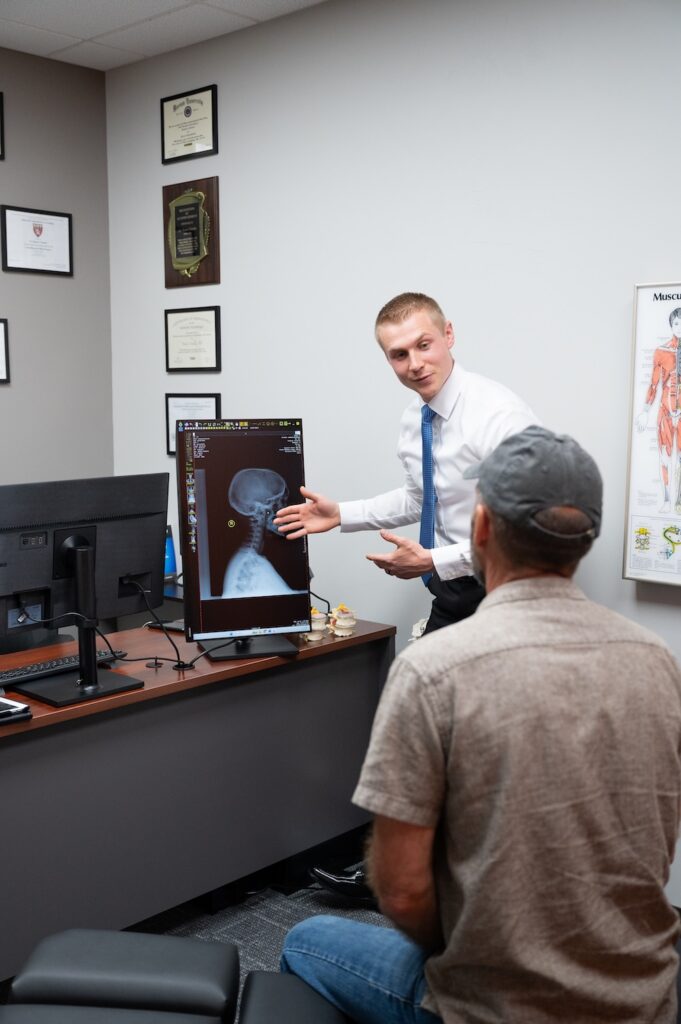

When it comes to finding relief from headaches, understanding the importance of body alignment is key. Many people may not realize that their spine and posture play a crucial role in their overall comfort. Everyday habits can lead to misalignments in your body, which can put unnecessary strain on your muscles and joints, ultimately increasing the frequency and intensity of headaches.
So, how can you identify and correct these alignment issues? One of the best steps you can take is to consider chiropractic care. Chiropractors specialize in assessing and realigning your spine, helping to alleviate the tension that may be contributing to your headaches. By restoring proper alignment, you can promote better overall health and wellness.
Here are some simple tips you can incorporate into your daily routine to support your spinal health and potentially reduce headache frequency:
- Maintain Good Posture: Be mindful of your posture, especially when sitting at a desk or using your phone. Keep your shoulders back, and your head aligned over your spine to avoid unnecessary strain.
- Stay Active: Regular physical activity can help strengthen your muscles and improve your overall body alignment. Simple exercises like stretching or walking can make a big difference.
- Ergonomic Workspace: If you work at a desk, ensure your workspace is ergonomically friendly. Your computer screen should be at eye level, and your chair should support your lower back.
- Stay Hydrated: Dehydration can contribute to headaches, so make sure you drink plenty of water throughout the day.
- Visit Your Chiropractor: Regular adjustments can help keep your spine aligned and improve your body’s function. A chiropractor can provide personalized recommendations and treatments tailored to your specific needs.
By taking these steps and considering chiropractic care as part of your wellness journey, you can work towards achieving optimal health and minimizing headaches naturally. Remember, your body deserves the best care, and chiropractic care offers a holistic approach to pain relief and overall wellness.
Key Takeaways
- Proper spinal alignment is key for reducing tension, which in turn helps to decrease the frequency and intensity of headaches often triggered by muscle tightness and misalignments. By prioritizing your spinal health, you can experience relief from these discomforts.
- Misalignments in the cervical spine can contribute to tension headaches and migraines. This occurs because nerve pressure and muscle strain can build up when your spine is not aligned properly. Chiropractic care can address these issues effectively, helping you feel your best.
- Regular chiropractic adjustments are an excellent way to correct misalignments. These gentle, targeted treatments promote natural healing in your body, helping to alleviate headache symptoms and restore balance.
- To prevent misalignments and reduce the risk of headaches, practicing good posture and ergonomic habits is essential. Simple adjustments in your daily routine, like sitting up straight at your desk or adjusting your computer screen to eye level, can make a significant difference.
- Strengthening your core and back muscles through regular exercises provides added support to your spine. This not only reduces discomfort but also helps in preventing headaches linked to misalignment issues. Consider incorporating activities like yoga or pilates into your routine for a holistic approach to spinal health.
By embracing chiropractic care and these simple lifestyle changes, you can take proactive steps towards a healthier, pain-free life. Remember, your spine is crucial to your overall well-being, and caring for it is an investment in your health.
Understanding Body Alignment
Understanding body alignment is crucial for preventing headaches and enhancing your overall well-being. When your body is properly aligned, it supports your muscles, joints, and spine, allowing you to function at your best. You’ll notice that maintaining good posture can significantly reduce tension in your neck and shoulders, which often contribute to headaches. By paying attention to how you sit, stand, and move, you can lay the groundwork for a healthier lifestyle.
One of the best ways to achieve better alignment is by engaging your core muscles and keeping your spine straight. This is where chiropractic care can be incredibly beneficial. A chiropractor can help you understand your body’s unique alignment and provide tailored adjustments to ensure your spine is in optimal condition. Regular visits can lead to lasting improvements in posture and comfort.
Incorporating regular stretching and strengthening exercises into your routine is also essential for maintaining proper posture. Simple exercises like shoulder rolls or gentle neck stretches can make a big difference. Additionally, take a moment to evaluate your workspace; an ergonomic setup can alleviate strain and support your alignment.
Common Types of Misalignments
Many people experience headaches due to common misalignments in their bodies, which can often be addressed with chiropractic care. Misalignments, such as cervical spine issues, pelvic tilt problems, and upper back imbalances, can significantly contribute to your discomfort. By understanding these factors, you can take steps toward finding effective relief and improving your overall wellness.
Chiropractic care focuses on aligning your spine and ensuring your body functions optimally. A well-aligned spine can alleviate tension in your muscles, reduce headaches, and promote better health. Regular chiropractic adjustments can help correct misalignments, offering a natural and holistic approach to pain relief.
Here are some general tips you can implement in your daily life to support your spinal health:
- Maintain Good Posture: Whether sitting at a desk or standing, keeping your spine straight can help prevent misalignments. Use ergonomic furniture when possible.
- Stay Active: Regular physical activity can strengthen your muscles and support your spine. Simple activities like walking, stretching, or yoga can make a big difference.
- Mind Your Sleep Position: Sleeping on your back or side with proper neck support can help maintain spinal alignment throughout the night.
- Stay Hydrated: Drinking plenty of water helps keep your discs hydrated and supports overall bodily function.
- Visit Your Chiropractor Regularly: Regular check-ups can help catch and correct misalignments before they lead to discomfort.
Cervical Spine Misalignments
When your cervical spine is misaligned, it can lead to various headaches that disrupt your daily life. Misalignments can arise from poor posture, injuries, or even stress. By understanding the common types of misalignments, you can better identify the source of your discomfort and take actionable steps towards relief.
| Type of Misalignment | Symptoms | Causes |
|---|---|---|
| Forward Head Posture | Tension headaches | Slouching, excessive screen time |
| Whiplash | Migraines | Car accidents, falls |
| Cervical Lordosis | Neck pain, stiffness | Poor ergonomics, sleeping positions |
Recognizing these misalignments is the first step toward effective treatment through chiropractic care. Our approach focuses on realigning the spine to alleviate headaches and promote overall wellness. Here are some tips you can incorporate into your daily routine to support your cervical spine health:
- Practice Good Posture: Be mindful of your posture, especially when sitting at a desk or using your phone. Keep your head aligned over your spine and shoulders relaxed.
- Take Breaks: If you spend long hours in front of a screen, take regular breaks to stretch and move around. This can help reduce tension and prevent misalignments.
- Sleep Smart: Ensure you’re using a supportive pillow that keeps your neck in a neutral position while you sleep. This can help avoid stiffness and discomfort.
- Stay Active: Regular exercise can strengthen the muscles around your neck and spine, helping to maintain proper alignment and reduce the risk of headaches.
- Visit Your Chiropractor: Regular chiropractic adjustments can help correct misalignments and improve your overall spinal health. Your chiropractor can provide personalized care tailored to your specific needs.
Pelvic Tilt Issues
Dealing with pelvic tilt issues can significantly affect your overall alignment and lead to discomfort, such as lower back pain and tension headaches. As a local chiropractor, I want to help you understand how to address these issues naturally and effectively.
There are two common types of pelvic tilt: anterior and posterior. Anterior pelvic tilt occurs when your pelvis tilts forward, often causing an exaggerated curve in your lower back. This position can tighten your hip flexors and overstretch your glutes, leading to pain and discomfort. Conversely, posterior pelvic tilt happens when your pelvis tilts backward, flattening the lower back curve, which can result in tight hamstrings and weakened hip flexors.
Recognizing these imbalances is crucial for promoting better alignment. Chiropractic care plays a vital role in helping you achieve optimal pelvic alignment. By addressing the underlying issues through gentle adjustments and personalized treatment plans, we can work together to alleviate your pain and improve your overall wellness.
In addition to chiropractic adjustments, here are some general tips you can incorporate into your daily routine:
- Stay Active: Engage in low-impact exercises like walking, swimming, or cycling to maintain mobility and flexibility.
- Stretch Regularly: Incorporate stretches for your hip flexors, hamstrings, and glutes to help relieve tightness and improve balance.
- Strengthen Core Muscles: Focus on exercises that strengthen your core, as a strong core can support proper pelvic alignment.
- Mind Your Posture: Be mindful of your posture while sitting, standing, and moving. Keeping your spine aligned can make a significant difference in how you feel.
- Seek Chiropractic Care: Regular visits to your chiropractor can help address any imbalances and provide you with tailored exercises and advice for your specific needs.
Upper Back Imbalance
Upper back imbalances can often lead to discomfort, impacting not just your posture but your overall health as well. These misalignments may result from factors such as poor ergonomics, a sedentary lifestyle, or repetitive motions. As a chiropractor, I often see patients experiencing tightness, pain, or even headaches due to these issues.
Here’s a helpful breakdown of common types of upper back imbalances and their associated symptoms:
| Misalignment Type | Symptoms |
|---|---|
| Rounded Shoulders | Neck pain, shoulder stiffness |
| Forward Head Posture | Tension headaches, upper back pain |
| Scoliosis | Uneven shoulders, back pain |
Recognizing these imbalances is the first step toward taking action. Chiropractic care is an excellent option for addressing these issues, as it focuses on restoring proper alignment and function to your spine. Here are some tips to enhance your well-being and alleviate discomfort:
- Posture Awareness: Be mindful of your posture throughout the day. Sit up straight, keep your shoulders back, and align your head over your spine.
- Stretching: Incorporate gentle stretches into your daily routine to relieve tightness and improve flexibility. Simple neck and shoulder stretches can work wonders.
- Chiropractic Adjustments: Regular chiropractic visits can help correct misalignments and reduce pain, allowing your body to function better.
- Ergonomic Improvements: Make adjustments to your workspace to promote better posture. Ensure your chair supports your lower back, and your computer screen is at eye level.
- Stay Active: Engage in regular physical activity to strengthen your back muscles and improve your overall posture.
The Science Behind Headaches
Understanding the science behind headaches is crucial for finding effective relief, and chiropractic care can play a significant role in that process. Different types of headaches can arise from various causes, including misalignments in your spine and body. By addressing these misalignments through chiropractic adjustments, you can tackle the root of your discomfort and promote overall wellness.
When you visit a chiropractor, they’ll assess your spinal health and identify any areas that may be contributing to your headaches. By realigning your spine, you can reduce tension, improve circulation, and restore proper nerve function, leading to a decrease in headache frequency and intensity.
Here are some general tips to help you manage headaches and promote a healthier lifestyle:
- Stay Hydrated: Dehydration can lead to headaches. Make sure you’re drinking enough water throughout the day.
- Maintain Good Posture: Poor posture can strain your neck and back, leading to headaches. Be mindful of your posture, especially if you spend long hours sitting.
- Take Breaks: If you work on a computer or engage in activities requiring focus, take regular breaks to rest your eyes and stretch your body.
- Manage Stress: Stress is a common headache trigger. Incorporate relaxation techniques such as deep breathing, yoga, or meditation into your daily routine.
- Get Enough Sleep: Lack of sleep or poor sleep quality can contribute to headaches. Aim for a consistent sleep schedule and create a restful environment.
Types of Headaches
Headaches can be a real challenge, but understanding the different types can help you manage them effectively and find natural relief. As a chiropractor, I want to emphasize that chiropractic care can play a key role in alleviating headache pain and enhancing your overall wellness.
Tension headaches are the most common type. They often arise from stress or tight muscles in your neck and shoulders. You might feel a dull, aching pain and a sense of tightness around your forehead. Regular chiropractic adjustments can help relieve muscle tension and improve spinal alignment, which may reduce the frequency and intensity of tension headaches.
Migraines, while less common, can be quite debilitating. They often bring intense, throbbing pain, along with nausea and sensitivity to light or sound. Chiropractic care can help by addressing any underlying spinal issues that may contribute to migraine triggers. Additionally, techniques like gentle adjustments and soft tissue therapies can promote relaxation and reduce stress, which are significant factors in migraine management.
Cluster headaches are another type, known for their extreme pain, typically occurring in cycles. While they may be less frequent, the severity can be overwhelming. Chiropractic adjustments can help promote better blood flow and relieve nerve pressure, providing some comfort during these episodes.
Sinus headaches are usually linked to sinus pressure and often accompany nasal congestion. Maintaining proper spinal alignment can support your body’s overall function, including sinus drainage. Techniques such as spinal adjustments and gentle neck stretches can help alleviate pressure in the sinus area.
To help manage headaches naturally, consider incorporating these general tips:
- Stay hydrated: Dehydration can lead to headaches, so drink plenty of water throughout the day.
- Practice good posture: Poor posture can contribute to tension headaches. Be mindful of your sitting and standing positions, especially if you work at a desk.
- Incorporate relaxation techniques: Deep breathing, yoga, or meditation can help reduce stress and tension in your body.
- Get regular chiropractic care: Regular adjustments can help maintain spinal alignment and overall wellness, potentially reducing headache frequency and severity.
Causes of Misalignments
Misalignments in your spine can lead to a range of issues that may contribute to headaches, and understanding these causes is key to finding relief. One of the most common culprits is poor posture. Whether you’re sitting at a desk for extended periods or slouching while using your phone, these habits can throw your spine out of alignment.
Injuries from accidents or sports activities can also lead to misalignments, putting pressure on nerves and causing discomfort. Stress is another significant factor; when you’re feeling tense, your muscles can tighten, which may lead to misalignment in the cervical spine. Additionally, repetitive movements—like typing on a keyboard or lifting objects incorrectly—can further aggravate these issues.
By recognizing these causes, you can take proactive steps to maintain proper spinal alignment and reduce the frequency and severity of your headaches. Here are some simple tips to help you:
- Maintain Good Posture: Be mindful of how you sit and stand. Use ergonomic furniture and take regular breaks to stretch and move around.
- Manage Stress: Incorporate relaxation techniques, such as deep breathing, yoga, or meditation, into your daily routine to help reduce muscle tension.
- Stay Active: Engage in regular physical activity to strengthen your muscles and support your spine. Activities like walking, swimming, or yoga can be very beneficial.
- Practice Safe Lifting: When lifting objects, bend at your knees and keep the object close to your body to avoid straining your back.
- Visit Your Chiropractor: Regular chiropractic care can help keep your spine in alignment, relieve tension, and promote overall wellness.
How Misalignments Contribute to Headaches
When your spine or neck joints are misaligned, it can lead to tension and pain that often results in headaches. These misalignments can put pressure on your nerves and muscles, causing discomfort that radiates throughout your head. You might notice yourself clenching your jaw or tensing your shoulders, which only adds to the stress and intensifies the headache.
Poor posture, a common issue arising from misalignments, can also strain your neck and upper back, worsening your headache symptoms. As your body tries to adjust to these misalignments, it can lead to muscle fatigue and inflammation, making it tougher for you to find relief.
Understanding how misalignments impact your body is key to tackling the root causes of your headaches. Chiropractic care focuses on correcting these misalignments, helping to ease tension and pain. By restoring proper alignment, you can pave the way for a more comfortable, headache-free life.
Here are a few tips to help you maintain alignment and reduce the risk of headaches:
- Practice Good Posture: Be mindful of your posture while sitting, standing, or using your phone. Keep your shoulders back and your spine straight.
- Take Breaks: If you work at a desk, take regular breaks to stretch and move around, which can help alleviate tension.
- Stay Hydrated: Dehydration can contribute to headaches, so drink plenty of water throughout the day.
- Incorporate Gentle Exercises: Activities like yoga or gentle stretching can help support spinal health and relieve tension.
- Schedule Regular Chiropractic Adjustments: Regular visits to a chiropractor can help maintain spinal alignment and prevent headaches from becoming a recurring issue.
Identifying Your Body’s Alignment
Understanding your body’s alignment is a crucial step toward preventing headaches and enhancing your overall well-being. As a chiropractor, I encourage you to start by paying close attention to your posture throughout the day. Are your shoulders slumped or is your head protruding forward? Take a moment to notice how your body feels when you sit or stand—do you sense any tension or discomfort?
Next, observe your movements. Are there any restrictions or pain when you bend, twist, or lift? These sensations can be indicators of misalignments in your spine. A simple way to check your alignment is to look in a mirror; ideally, your ears, shoulders, and hips should align in a straight line.
Don’t forget to consider your sleeping posture as well. A misaligned sleeping position can lead to stiffness and headaches upon waking. By tuning into these signs, you can start to identify areas that may need attention.
Listening to your body is essential, as it often provides important clues about alignment issues that could be contributing to your headaches. Chiropractic care focuses on restoring proper alignment to your spine, which can help alleviate pain and promote natural healing.
To support your journey toward better alignment and wellness, here are some general tips:
- Practice Good Posture: Make a conscious effort to sit and stand tall, keeping your shoulders back and your head aligned over your spine.
- Incorporate Stretching: Regular stretching can help maintain flexibility and reduce tension in your muscles.
- Evaluate Your Workspace: If you spend long hours at a desk, ensure your chair and desk are ergonomically set up to support a healthy posture.
- Stay Active: Engage in regular physical activity to strengthen your core and back muscles, which can help support your spine.
- Seek Chiropractic Care: Regular visits to your chiropractor can help identify and correct misalignments, providing you with pain relief and a path to improved health.
Techniques for Improving Alignment
To enhance your body’s alignment and overall health, integrating specific techniques into your daily routine can make a remarkable difference.
First and foremost, practicing good posture is key. Whether you’re sitting, standing, or walking, remember to keep your spine straight and shoulders relaxed. This simple adjustment can have a lasting impact on your spinal health.
Incorporating regular stretching into your day is also vital. Just a few minutes spent lengthening tight muscles can significantly improve your flexibility and help prevent discomfort. Additionally, consider adding strength training exercises that focus on your core, as a strong core supports proper alignment and stability in your spine.
Mindfulness and body awareness are essential components of maintaining alignment. Take a moment to notice how your body feels during various activities and make adjustments to your posture as necessary. This conscious approach can help you avoid tension and strain.
Chiropractic care is an excellent way to support your alignment and overall well-being. Regular chiropractic adjustments can help keep your spine properly aligned and alleviate discomfort before it turns into a bigger issue. By focusing on natural healing methods, chiropractic care addresses the root cause of pain rather than just masking symptoms.
Combining these techniques with chiropractic care not only enhances your alignment but can also reduce the frequency and intensity of headaches and other discomforts.
Integrating Alignment Practices Into Daily Life
Incorporating alignment practices into your daily routine can significantly boost your overall well-being and help you achieve optimal health. As a chiropractor, I want to share some simple yet effective strategies that can enhance your spinal health and promote natural healing.
Start your day with gentle stretches and be mindful of your posture throughout the day. If you work at a desk, ensure your feet are flat on the ground and your back is straight. This simple adjustment can alleviate unnecessary strain on your spine. Setting reminders to take short breaks is also essential.
During these breaks, stand up, stretch, and allow your body to reset, which helps in releasing built-up tension.
Consider adding yoga or tai chi to your weekly routine. These practices not only support physical alignment but also foster mindfulness and relaxation. Be conscious of your breathing; taking deep, intentional breaths can help minimize stress and further improve your alignment.
When it comes to carrying bags or lifting objects, always use proper techniques. Bend at the knees and keep the object close to your body to avoid straining your back. Additionally, fueling your body with a balanced diet supports muscle health and overall wellness.
Conclusion
To sum up, maintaining proper body alignment is key to reducing the frequency and intensity of headaches. By being mindful of your posture throughout the day, making simple ergonomic adjustments to your workspace, and incorporating gentle stretches and core-strengthening exercises into your routine, you can significantly improve your alignment. Regular chiropractic care is a cornerstone of this process, helping to keep your spine aligned and your nervous system functioning optimally.
Take charge of your body’s alignment today! A few tips to get started include:
- Posture Check: Sit up straight and keep your shoulders back. Imagine a string gently pulling the top of your head towards the ceiling.
- Ergonomic Workspace: Adjust your chair and computer screen so that your elbows are at a 90-degree angle and your screen is at eye level. This reduces neck strain.
- Stretch it Out: Incorporate neck and shoulder stretches into your daily routine to release tension.
- Strengthen Your Core: Engage in exercises that strengthen your abdominal muscles, as a strong core supports better posture.
By prioritizing your alignment and integrating these practices into your daily life, you can find relief from headaches and enhance your overall well-being. Remember, chiropractic care is here to support you on your journey to optimal health—naturally! Enjoy life to the fullest, free from the burden of headaches.