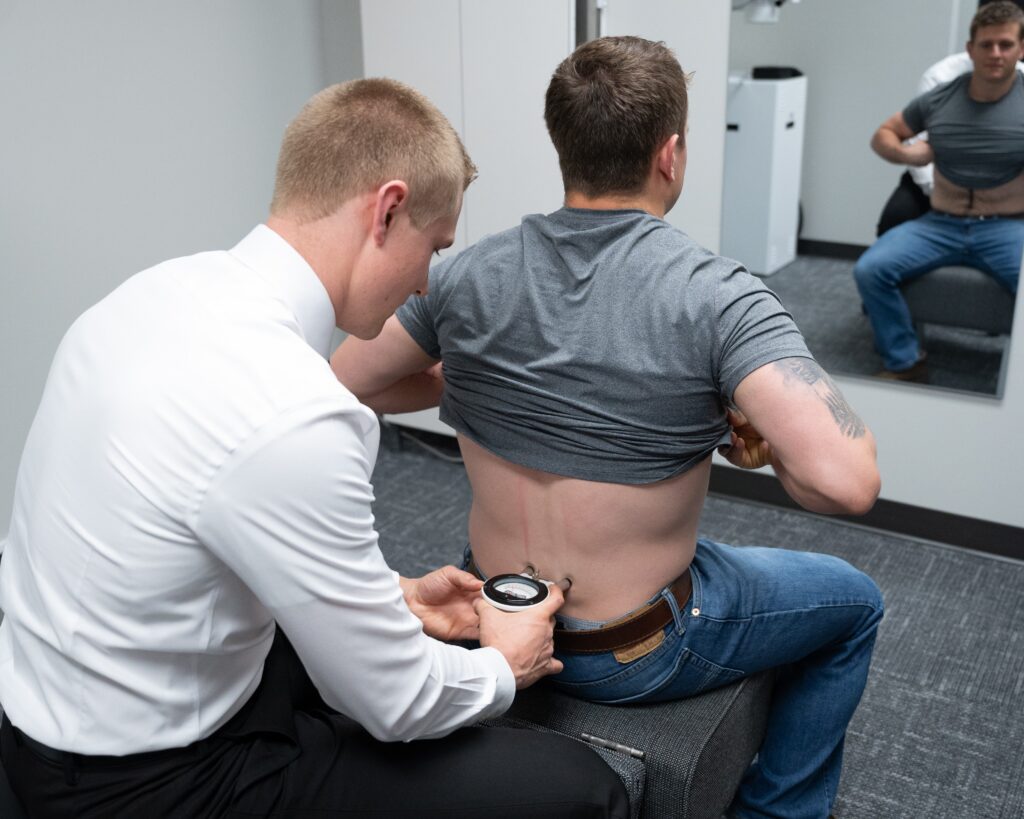
If you’ve experienced whiplash, neck pain can be a lingering challenge that disrupts your daily routine and overall well-being. As a local chiropractor, I want to emphasize the importance of finding effective strategies to manage that discomfort naturally. While there are many approaches to consider, chiropractic care stands out as a powerful method for relieving pain and promoting healing. Let’s delve into some practical tips that can help you alleviate your neck pain and support your recovery journey, all while prioritizing your natural wellness.
- Consult a Chiropractor: One of the best steps you can take is to schedule an appointment with a chiropractor. We specialize in spinal health and can provide personalized adjustments to relieve tension and realign your spine, which is crucial for your recovery from whiplash.
- Gentle Stretching: Incorporate gentle neck stretches into your daily routine. Simple movements can help improve flexibility and reduce stiffness. Just remember to move slowly and listen to your body.
- Heat Therapy: Applying heat to your neck can promote blood flow and ease muscle tension. Use a warm compress or a heating pad for about 15-20 minutes to help soothe discomfort.
- Cold Therapy: In the initial days after your injury, consider using ice packs to reduce inflammation. Apply ice wrapped in a cloth for 10-15 minutes at a time to help minimize swelling.
- Posture Awareness: Pay attention to your posture throughout the day, especially if you work at a desk. Maintaining a neutral spine can help alleviate pressure on your neck and prevent further pain.
- Stay Active: Engage in light activities that encourage movement but avoid strenuous exercises that may exacerbate your pain. Activities such as walking can help keep your body moving without straining your neck.
- Ergonomic Adjustments: Make ergonomic changes to your workspace or home environment. This can include adjusting your chair height, using a supportive pillow, or positioning your computer screen at eye level to reduce neck strain.
- Hydration and Nutrition: Staying hydrated and consuming a balanced diet can support your body’s healing process. Nutrients like omega-3 fatty acids and antioxidants can help reduce inflammation.
- Mindfulness and Relaxation Techniques: Incorporate mindfulness practices, such as deep breathing or meditation, to manage stress. Reducing stress can help ease tension in your neck and promote overall relaxation.
- Follow-Up Care: Regular follow-up visits to your chiropractor can ensure you stay on track with your recovery. Ongoing adjustments and care can help maintain your spinal health and prevent future issues.
By prioritizing chiropractic care and these natural tips, you can take significant steps toward alleviating your neck pain and enhancing your overall well-being. Remember, everyone’s recovery journey is unique, so it’s important to discover what works best for you. Your path to comfort and health starts with informed choices and supportive care.
Key Takeaways
- Start by applying ice to your neck for the first 48 hours after your whiplash injury. This will help reduce inflammation. After that initial period, switch to heat therapy to encourage blood flow and relaxation of the muscles.
- Gentle neck stretches and low-impact exercises like walking or swimming can greatly improve your mobility and help prevent stiffness. Remember, movement is key to recovery!
- Pay attention to your sleep environment. Choose a pillow that keeps your head and neck aligned with your spine, and try to sleep in a position that minimizes strain on your neck.
- Incorporate mindfulness and relaxation techniques into your routine. Deep breathing exercises and guided imagery can help reduce stress, which is essential for healing.
- As a chiropractor, I recommend consulting with a professional for personalized care. Chiropractic adjustments can help realign your spine and provide guidance on effective pain management, ensuring you’re on the path to optimal health.
Remember, your body has an incredible ability to heal naturally, and with the right support, you can recover from whiplash and enhance your overall well-being.
Understand Your Injury
When you experience whiplash, it’s crucial to understand your injury, as it can significantly influence your recovery journey. Whiplash usually happens after a sudden jerking motion of the head, commonly from a car accident. This quick movement puts strain on the muscles and ligaments in your neck, which can result in pain, stiffness, and sometimes headaches. By recognizing the symptoms early on, you can take steps to manage them effectively.
It’s important to remember that whiplash injuries can range in severity. While some may only feel mild discomfort, others could deal with chronic pain. Pay attention to how your body responds, and if you notice your symptoms worsening, it’s wise to consult with a chiropractor. Understanding your injury better equips you to make informed choices about your treatment options.
Chiropractic care is a natural and effective way to address whiplash injuries. Chiropractors focus on restoring proper alignment and function to the spine and neck, which can aid in relieving pain and promoting healing.
Here are some general tips to consider:
- Stay Active: Gentle movement can help maintain flexibility in your neck and prevent stiffness. Simple neck stretches can be beneficial.
- Apply Ice: In the first few days after your injury, applying ice to the affected area can help reduce swelling and numb the pain.
- Practice Good Posture: Being mindful of your posture while sitting or standing can alleviate additional strain on your neck.
- Consider Chiropractic Adjustments: Regular adjustments can help realign your spine and neck, providing relief and enhancing your body’s healing process.
- Communicate: Keep an open line of communication with your chiropractor about your symptoms and how they change over time.
Apply Ice and Heat
To effectively manage pain and promote healing after a whiplash injury, applying ice and heat can be essential tools in your recovery journey. As a chiropractor, I encourage you to prioritize natural healing methods, and using ice and heat is a great start.
Begin with ice therapy, especially within the first 48 hours post-injury. Ice is fantastic for reducing inflammation and numbing the area, which can help alleviate pain. Simply wrap some ice in a cloth and gently apply it to your neck for about 15-20 minutes at a time, several times a day. This method works wonders for managing discomfort in the initial stages of healing.
Once the initial swelling begins to reduce, it’s time to switch to heat therapy. Heat promotes blood flow and relaxes tight muscles, providing soothing relief. You can use a warm towel or a heating pad, applying it to your neck for about 15-20 minutes at a time. This transition helps to further enhance your recovery.
Always listen to your body; if either ice or heat seems to aggravate your pain, it’s important to adjust your approach. By alternating between these two methods, you can support your healing process and regain comfort more effectively.
Remember, while ice and heat are beneficial, chiropractic care is an excellent complement to these methods. Regular adjustments help align your spine, improve mobility, and reduce pain naturally.
Embracing chiropractic care not only aids in recovery after a whiplash injury but also supports your overall health and wellness. Prioritize your body’s ability to heal itself through natural techniques, and don’t hesitate to consult with a chiropractor for personalized advice tailored to your needs. Your journey to optimal health starts with thoughtful, natural choices!
Practice Gentle Stretching
While your neck heals from a whiplash injury, practicing gentle stretching can significantly support your recovery. Stretching not only enhances flexibility but also reduces stiffness and promotes blood flow to the affected area, which is essential for healing.
Begin with simple neck movements, such as slowly tilting your head from side to side or gently rotating it. These motions help improve mobility without putting stress on your muscles.
Shoulder rolls are another great way to relieve tension in your upper body. As you incorporate these stretches, listen to your body and avoid any movements that cause pain. Aim to hold each stretch for 15 to 30 seconds and repeat them several times throughout the day.
Remember to breathe deeply; this helps your muscles relax and can make the stretches more effective. Integrating gentle stretches into your daily routine not only encourages healing but also helps you regain strength and flexibility over time.
Chiropractic care can further enhance your recovery by aligning your spine and addressing any underlying issues that may be contributing to your discomfort.
If you ever notice an increase in pain or discomfort while stretching, it’s always wise to consult with a chiropractor. They can provide personalized guidance and create a treatment plan tailored to your needs, ensuring you’re on the path to optimal health.
Embracing natural healing methods like chiropractic care and gentle stretching can be your best choice for long-lasting relief and improved wellness.
Maintain Good Posture
Maintaining good posture is crucial for your neck’s alignment and overall health, and as your local chiropractor, I’m here to help you understand why. By creating an ergonomic workstation and incorporating simple stretching and strengthening exercises into your daily routine, you can significantly reduce discomfort and promote a healthier spine.
First, let’s talk about your workstation. Make sure your chair supports your lower back, and your computer screen is at eye level. This way, your neck can stay in a neutral position, reducing strain.
Remember to take regular breaks to stand up, stretch, and move around. This simple action can prevent stiffness and keep your spine healthy.
In addition to an ergonomic setup, consider adding some easy exercises to your day. Stretching your neck gently and strengthening your upper back can do wonders for your posture. A few minutes of these exercises can help keep your spine aligned and alleviate any neck pain you may be experiencing.
Remember, chiropractic care offers a natural, effective way to address postural issues and relieve pain. Regular visits to your chiropractor can help keep your spine in optimal alignment, providing you with the balance and wellness your body needs.
Take these tips to heart, and you’ll be well on your way to achieving better posture and a healthier you!
Importance of Alignment
Good posture is crucial for alleviating neck pain, particularly after an injury like whiplash. By maintaining proper alignment, you can significantly reduce strain on your neck muscles and joints, encouraging natural healing.
As a chiropractor, I believe that chiropractic care is one of the best ways to achieve optimal health and wellness, and it starts with understanding the importance of alignment. Here are some simple yet effective tips to help you improve your posture and support your healing process:
- Keep your ears aligned with your shoulders. This alignment helps distribute weight evenly and reduces tension in the neck.
- Avoid slouching or leaning forward while sitting or standing. Instead, strive for an upright position that supports your spine’s natural curves.
- Invest in a supportive chair designed to promote good posture. This can make a significant difference in your comfort throughout the day.
- Position your computer screen at eye level. This adjustment prevents unnecessary strain on your neck, making it easier to maintain a healthy posture while working.
- Remember to take regular breaks. Stand up, stretch, and reset your posture every so often. This simple habit can work wonders for relieving tension.
By focusing on these alignment tips, you can enhance your overall wellness and support your body’s natural healing processes.
If you’re dealing with neck pain, visiting your local chiropractor can provide personalized care and guidance to help you on your journey to recovery. Embracing chiropractic care is a natural and effective way to achieve lasting pain relief and promote a healthier lifestyle.
Ergonomic Workstation Setup
Creating an ergonomic workstation setup is vital for preventing neck pain and supporting better posture, especially if you’ve experienced whiplash. As a chiropractor, I understand the importance of maintaining a healthy spine.
Let’s explore how you can adjust your workspace to promote natural healing and overall wellness.
- Chair Height: Adjust your chair so that your feet rest flat on the floor, with your knees at a 90-degree angle. This position helps maintain proper spinal alignment and reduces strain on your back.
- Monitor Position: Your monitor should be at eye level and about an arm’s length away. This placement minimizes neck strain and encourages a comfortable head position, which is essential for spinal health.
- Keyboard/Mouse Height: Ensure that your elbows are at a 90-degree angle and that your keyboard and mouse are close to your body. This reduces shoulder tension and supports a relaxed posture.
In addition to these adjustments, remember to take regular breaks. Stand up, stretch, and move around to keep your body relaxed and invigorated.
Incorporating these practices into your daily routine can significantly support your spine’s health and enhance your overall well-being.
As a chiropractor, I encourage you to prioritize your spinal health through these ergonomic strategies. By doing so, you’re taking an essential step towards natural wellness and pain relief.
Stretching and Strengthening Exercises
Incorporating stretching and strengthening exercises into your daily routine can be a game changer for your posture and overall neck health. As a chiropractor, I often emphasize the importance of these exercises in conjunction with regular chiropractic care to achieve optimal health.
By focusing on these exercises, you can enhance flexibility, reduce tension, and build strength in your neck and upper back, all of which can complement the benefits of chiropractic adjustments. Here are some effective exercises you can easily integrate into your day:
- Neck stretches: Gently tilt your head side to side to release tension. This simple movement can help alleviate discomfort and improve mobility.
- Chin tucks: Pull your chin back to align your neck with your spine. This exercise not only helps with posture but also strengthens the muscles that support your neck.
- Shoulder shrugs: Raise and lower your shoulders to ease tightness. This can help relieve stress and improve circulation in the upper back.
- Wall angels: Stand against a wall and slide your arms up and down to improve posture. This exercise encourages proper alignment and strengthens the muscles that keep you upright.
- Resistance band rows: Strengthen your upper back by pulling a band towards you. This can counteract the effects of slouching and promote a healthier spine.
Making these exercises a daily habit can lead to noticeable improvements in your neck health.
Use a Supportive Pillow
Choosing the right pillow is crucial for alleviating neck pain, especially after experiencing whiplash. As a chiropractor, I emphasize the importance of proper spinal alignment for overall wellness. When selecting a pillow, consider its height, materials, and your preferred sleep position to ensure it meets your individual needs.
A supportive pillow plays a vital role in maintaining proper alignment of your spine, which can enhance your comfort and aid in your recovery. Look for pillows that provide adequate support for your neck while allowing your head to rest in a neutral position. This alignment can help reduce strain and tension in your neck muscles, making it easier for your body to heal naturally.
Here are some tips to keep in mind when choosing a pillow:
- Assess Your Sleep Position: If you sleep on your back, a thinner pillow may be best to keep your neck in alignment. Side sleepers might benefit from a firmer, thicker pillow that fills the gap between the shoulder and head.
- Material Matters: Consider pillows made of memory foam or latex, as they provide excellent support and contouring to the natural curves of your neck.
- Experiment with Heights: Don’t be afraid to try different pillow heights to find what feels most comfortable for you. Your pillow should support your head without causing your neck to bend unnaturally.
- Regular Replacement: Over time, pillows can lose their shape and support. Regularly replacing your pillow every 1-2 years can help maintain optimal support for your neck.
By focusing on these aspects, you can choose a pillow that not only supports your neck but also complements the benefits of chiropractic care.
Pillow Height Matters
How can the right pillow support your recovery from whiplash? The height of your pillow is crucial for maintaining proper neck alignment during sleep. If your pillow is too high or too low, it can place unnecessary strain on your neck, leading to prolonged discomfort.
Here are some important factors to consider when selecting the right pillow height:
- Spinal Alignment: A properly sized pillow helps keep your neck in a neutral position, which is vital for spinal health. This alignment can help ease tension and promote healing.
- Shoulder Comfort: The right pillow height can reduce pressure on your shoulders, allowing for a more restful sleep and minimizing discomfort.
- Sleep Position: Different sleeping positions require different pillow heights. For instance, side sleepers may benefit from a thicker pillow, while back sleepers might need a flatter option to maintain proper alignment.
- Personal Preference: Your comfort level is essential for a good night’s sleep. Choose a pillow that feels right for you, as this can significantly impact your overall health and wellness.
- Adjustability: Some pillows offer adjustable heights, allowing you to customize the support to suit your needs. This can be particularly helpful as your recovery progresses.
Remember, finding the right pillow height can greatly aid your recovery process from whiplash.
As a chiropractor, I encourage you to pay attention to these factors and make adjustments as needed. A well-chosen pillow, combined with chiropractic care, can enhance your healing journey and promote better health overall.
Prioritize comfort and alignment to support your recovery and enjoy the benefits of a good night’s sleep!
Material Options Available
When choosing a supportive pillow for whiplash recovery, the right material can significantly impact your comfort and healing journey. As a chiropractor, I understand the importance of support in maintaining spinal health, especially after an injury. Here’s a straightforward overview of popular pillow materials to consider:
| Material | Benefits | Considerations |
|---|---|---|
| Memory Foam | Molds to your unique shape, providing personalized support for your neck | Can retain heat, so consider a cooling cover if you tend to get warm at night |
| Latex | Offers great support and durability, helping to maintain proper spinal alignment | Might feel a bit too firm for some, but it’s excellent for those who prefer a more supportive feel |
| Buckwheat Hulls | Adjustable firmness, allowing you to customize the height and support to your liking | Can be noisy when shifting positions, but many find the natural materials appealing |
| Gel Infused Foam | Provides a cooling effect, which can be soothing for inflamed areas | May feel softer than traditional foam, so ensure it still provides adequate support |
| Polyester Fiber | Budget-friendly and soft, making it comfortable for many | Tends to offer less support, so it may not be ideal for those needing significant neck support during recovery |
When selecting a pillow, consider what feels comfortable for you and how well it supports your neck during healing. Remember, a good pillow can help alleviate pain and promote better sleep, important components of your recovery process.
In addition to choosing the right pillow, make sure to incorporate gentle neck exercises as guided by your chiropractor. This can enhance your healing and help restore mobility. Always listen to your body and seek professional advice if you’re unsure about any aspect of your recovery. Your chiropractic care team is here to support you every step of the way toward optimal health and wellness!
Sleep Position Considerations
When it comes to recovering from whiplash, the position in which you sleep is just as important as choosing the right pillow. Proper alignment of your neck and spine can greatly reduce discomfort and promote healing. Here are some simple tips to help you find the best sleep positions for recovery:
- Back sleeping: Opt for a pillow that supports the natural curve of your neck. This will help keep your spine aligned and ease any tension in your muscles.
- Side sleeping: A thicker pillow can help fill the gap between your neck and shoulder, providing the necessary support to maintain proper alignment. This can prevent strain on your neck, allowing for a more restful sleep.
- Avoid stomach sleeping: This position can place undue strain on your neck and worsen any pain you may be experiencing. Sticking to your back or side can be much more beneficial for your recovery.
- Pillow height: Choose a pillow that keeps your head level with your spine without forcing your neck into an uncomfortable position. This will help minimize pain and promote healing.
- Consider body pillows: These can offer additional support and help keep you from rolling during the night. A body pillow can be especially helpful for side sleepers, as it can provide extra support for your hips and legs, promoting overall spinal alignment.
By implementing these simple adjustments, you can enhance your comfort and support your body’s natural healing processes.
Stay Active With Low-Impact Exercises
Staying active is vital for your recovery after experiencing whiplash, and incorporating low-impact exercises into your daily routine can make a significant difference. These exercises not only enhance your flexibility, strength, and circulation but also do so without adding unnecessary strain to your neck. By engaging in regular movement, you can ease discomfort and support the natural healing process.
Here are some effective low-impact exercises to consider:
| Exercise | Duration | Benefits |
|---|---|---|
| Walking | 20-30 minutes | Increases blood flow |
| Gentle Stretching | 10-15 minutes | Enhances flexibility |
| Swimming | 30 minutes | Reduces joint stress |
| Yoga | 30 minutes | Improves posture |
| Stationary Cycling | 15-20 minutes | Builds endurance |
As a chiropractor, I encourage you to introduce these exercises gradually into your routine. Pay attention to how your body responds, and remember that listening to your body is key to recovery. Before embarking on any new exercise program, it’s always a good idea to consult with a healthcare professional, such as your chiropractor, to ensure you’re on the right track toward safe and effective healing.
Chiropractic care plays a crucial role in your recovery journey. By focusing on spinal health and alignment, chiropractic adjustments can help alleviate pain and restore function, allowing you to engage more fully in these beneficial exercises. Embracing a holistic approach to your health through natural healing methods like chiropractic can lead to lasting wellness and improved quality of life. Remember, your path to recovery is a partnership—let’s work together for your optimal health!
Explore Physical Therapy
Incorporating chiropractic care into your recovery plan can greatly enhance the benefits of low-impact exercises. A skilled chiropractor will assess your condition and create a personalized plan to address your specific needs. This tailored approach can help you regain strength, flexibility, and range of motion in your neck, making daily activities easier and more comfortable.
Here are some key aspects of chiropractic care for whiplash recovery:
- Spinal adjustments: Gentle spinal manipulations can relieve tension, improve alignment, and promote better blood flow.
- Customized exercise programs: Your chiropractor can recommend specific strengthening and stretching exercises to help restore function and mobility.
- Posture education: Learning and maintaining proper posture is essential for preventing future injuries and supporting overall spinal health.
- Natural pain relief techniques: Chiropractors can teach you effective methods for managing discomfort without the use of medications.
- Regular progress check-ins: Frequent evaluations ensure that you’re making progress and staying on track with your recovery.
Embracing chiropractic care can significantly contribute to your journey of neck pain relief after whiplash.
Consider Over-the-Counter Pain Relief
If you’re dealing with neck pain from a whiplash injury, it’s important to consider a holistic approach to healing. While many people turn to over-the-counter medications like ibuprofen or acetaminophen for relief, I want to highlight the benefits of chiropractic care as a natural and effective option for pain relief and overall wellness.
Chiropractic adjustments can help realign your spine and reduce tension in the muscles surrounding your neck, addressing the root cause of your pain rather than just masking the symptoms. This form of care not only alleviates discomfort but also promotes better spinal health and improved mobility.
In addition to chiropractic treatments, there are several natural strategies you can incorporate into your daily routine to support your recovery. Gentle stretches and exercises tailored for neck pain can enhance flexibility and strength.
Remember to maintain good posture throughout the day, especially if you spend long hours sitting or working at a computer.
Consider incorporating heat or cold therapy to soothe sore areas. Applying a warm compress can help relax tight muscles, while cold packs can reduce inflammation.
Additionally, stay hydrated and focus on a balanced diet rich in anti-inflammatory foods to support your healing process.
Lastly, always consult with a healthcare professional before making any changes to your health regimen, especially if you have pre-existing conditions.
But remember, chiropractic care is a powerful tool for achieving optimal health and wellness in a natural way. Embrace this holistic approach, and give your body the chance to heal properly.
Incorporate Mindfulness and Relaxation Techniques
If you’re dealing with neck pain from whiplash, integrating mindfulness and relaxation techniques can significantly support your healing process.
These practices not only help to alleviate stress but also foster both physical and emotional well-being, making them a great complement to chiropractic care.
Here are some simple techniques you can easily weave into your daily life:
- Deep Breathing: Practice taking slow, deep breaths. This helps calm your mind and relax your muscles, which is especially beneficial for easing tension in your neck.
- Guided Imagery: Picture yourself in a peaceful setting, like a quiet beach or a serene forest. This visualization can help take your mind off the pain and encourage relaxation.
- Progressive Muscle Relaxation: Start from your toes and work your way up to your neck, tensing each muscle group for a few seconds before letting go. This technique can help you become more aware of muscle tension and promote overall relaxation.
- Meditation: Spend a few minutes each day sitting quietly. Focus on your breath and observe any thoughts that come to mind without judgment. This practice can help clear your mind and reduce stress, which may contribute to neck pain.
- Gentle Yoga: Incorporate gentle stretches that emphasize neck mobility and relaxation. This not only promotes flexibility but also encourages mindfulness in your movements.
Remember, chiropractic care is an excellent way to address the root causes of neck pain while also enhancing your overall wellness.
By combining these mindfulness and relaxation techniques with regular chiropractic adjustments, you can support your body’s natural healing processes and work towards optimal health.
Prioritizing these practices can lead to a more balanced and pain-free life.
Consult With a Healthcare Professional
If you’re experiencing neck pain from whiplash, consulting with a chiropractor can be a game-changer for your recovery. Chiropractors specialize in assessing your spinal health and can create a personalized treatment plan that focuses on relieving your pain and restoring mobility naturally.
By aligning your spine and addressing muscle tension, chiropractic care can help you get back to feeling your best without relying on medications or invasive procedures.
It’s important not to overlook ongoing discomfort. A chiropractor will work with you to uncover the root causes of your pain and may recommend natural therapies like spinal adjustments, massage, and targeted exercises to promote healing.
They can also provide valuable tips on posture and ergonomics to prevent future issues.
Here are some general tips to help you manage neck pain at home:
- Stay Active: Gentle stretching and movement can help keep your neck flexible. Simple exercises, like neck rotations or shoulder shrugs, can relieve tension.
- Use Heat or Cold: Applying a warm compress or an ice pack to the affected area can reduce inflammation and soothe pain.
- Maintain Good Posture: Be mindful of your posture, especially when sitting for long periods. Make sure your workspace is ergonomically friendly to reduce strain on your neck.
- Stay Hydrated: Drinking plenty of water supports overall health and can help keep your spinal discs well-hydrated.
- Get Quality Sleep: Ensure your pillow supports your neck properly and allows for a restful night’s sleep.
By choosing chiropractic care, you’re taking a proactive step toward a healthier, pain-free life.
Conclusion
To summarize, managing neck pain after whiplash can be effectively achieved through chiropractic care combined with self-care strategies. Understanding your injury is crucial, and incorporating tips such as applying ice and heat, practicing gentle stretching, and maintaining good posture can significantly aid your recovery. Chiropractic adjustments can help realign your spine, reduce pain, and improve mobility. Additionally, consider incorporating mindfulness techniques to support your healing journey. Always consult with a chiropractor to ensure you’re receiving the best care tailored to your needs, empowering you to feel better and regain your normal activities naturally. Remember, the path to wellness is within reach with the right approach!