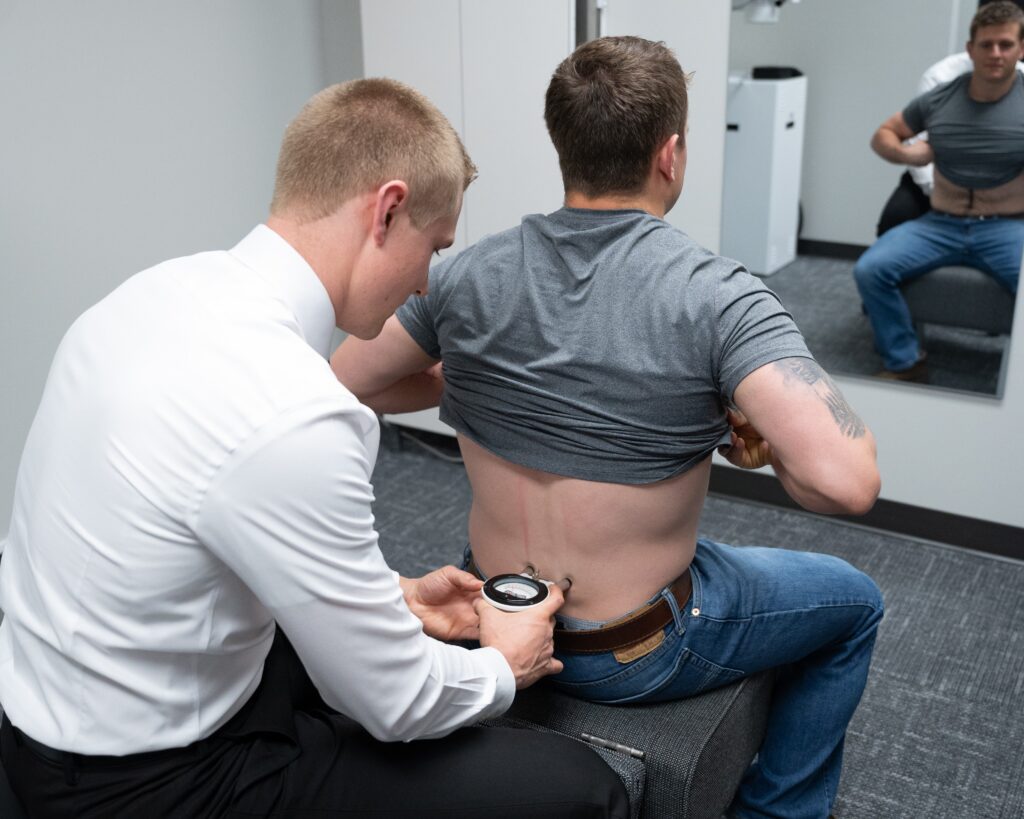

You may not realize how significantly your posture impacts your overall health and well-being. Poor posture can lead to discomfort and long-term issues if not addressed. Thankfully, there are effective techniques to improve your posture that can easily be incorporated into your daily routine.
As a chiropractor, I want to emphasize that chiropractic care is one of the best ways to achieve optimal health and alleviate pain naturally. By focusing on spinal alignment, we can help you achieve better posture and enhance your overall comfort and performance.
Here are some simple techniques to help you improve your posture:
- Chiropractic Adjustments: Regular visits to your chiropractor can help correct spinal misalignments, which are often the root cause of poor posture. Adjustments can relieve tension and improve your body’s ability to maintain proper posture.
- Ergonomic Workspaces: Make sure your workspace is set up to support good posture. Your chair should support your lower back, and your computer screen should be at eye level. This reduces strain on your neck and back.
- Strengthening Exercises: Incorporate exercises that strengthen your core muscles, as a strong core supports proper spinal alignment. Simple exercises like planks, bridges, and abdominal crunches can make a big difference.
- Stretching: Regular stretching can help alleviate tension in tight muscles that contribute to poor posture. Focus on stretching your chest, shoulders, and hip flexors to improve your overall alignment.
- Mindfulness: Being aware of your posture throughout the day can help you make conscious adjustments. Try setting reminders on your phone to check in on your posture, especially if you spend long periods sitting.
- Posture Breaks: Take short breaks throughout the day to stand, stretch, and walk. This helps reset your posture and reduces the risk of discomfort from prolonged sitting.
By incorporating these tips and considering chiropractic care as an essential part of your health routine, you can enhance your posture and overall well-being. Remember, maintaining good posture is not just about looking good; it’s about feeling your best and promoting a healthier lifestyle. If you have any concerns about your posture or back health, don’t hesitate to reach out for a consultation. Your path to better health starts with a well-aligned spine!
Key Takeaways
- To support your spinal health, start by optimizing your workspace. Adjust your desk height and ensure your chair has good lumbar support. Position your armrests so that your arms can hang naturally, helping to maintain the natural alignment of your body.
- Engaging in strengthening exercises like planks and rows is essential for enhancing core and upper back stability. These exercises can significantly support better posture and reduce discomfort, allowing you to enjoy a more active lifestyle.
- Incorporating dynamic stretching and yoga into your routine can improve your flexibility and help you become more aware of your body’s alignment. This awareness is crucial for maintaining good posture throughout your daily activities.
- Remember to take regular breaks from sitting. Stand up, stretch, and move around to alleviate the strain from prolonged periods of inactivity. This simple habit promotes better blood flow and helps prevent discomfort.
- Mindfulness practices, such as breathing exercises, can enhance your body awareness and encourage proper posture. By focusing on your breath, you can help your body relax and align naturally, which is key to achieving optimal health and wellness.
By focusing on these techniques and considering chiropractic care, you can effectively improve your posture, relieve pain, and promote overall wellness naturally.
Understanding the Importance of Good Posture
Good posture isn’t just about standing up straight; it’s a crucial foundation for your overall health and well-being. As a chiropractor, I emphasize the importance of maintaining proper alignment. When your body is aligned correctly, it supports its natural curves, reducing unnecessary strain on your muscles and ligaments. This helps prevent fatigue, allowing you to feel energized and active throughout your day.
One key aspect of good posture is its impact on your breathing. By keeping your chest open and your shoulders back, you allow your lungs to expand fully, which enhances oxygen intake. This can lead to improved focus and clarity. You may be surprised to learn that your posture also influences your self-confidence; standing tall can make you feel more assertive and engaged in social situations.
Moreover, good posture can significantly benefit your digestive health. Proper alignment ensures that your organs can function effectively, which can reduce discomfort and promote better digestion.
As you work to improve your posture, consider incorporating these tips:
- Be Mindful: Regularly check in with your body throughout the day. Are you slouching? Adjust your position to maintain alignment.
- Strengthen Your Core: A strong core supports your spine, helping you maintain good posture effortlessly. Incorporate exercises like planks or bridges into your routine.
- Set Up Your Workspace: If you sit for long periods, ensure your desk and chair promote good posture. Your screen should be at eye level, and your feet should rest flat on the ground.
- Take Breaks: Stand up and stretch every hour to relieve tension and reset your posture.
By prioritizing good posture and seeking chiropractic care, you’re investing in your physical and mental health. Chiropractic adjustments can help you achieve optimal alignment and provide natural pain relief, leading to a more vibrant and active lifestyle.
Common Causes of Poor Posture
You mightn’t realize it, but a sedentary lifestyle can have a significant impact on your posture over time. Spending long hours sitting can lead to slouching and discomfort, which can be harmful to your spine and overall well-being.
Additionally, using poorly designed ergonomic equipment can exacerbate these issues, making it even more difficult to maintain a healthy posture.
As a chiropractor, I want to emphasize the importance of being mindful of your posture and taking proactive steps to improve it. Here are some simple tips you can incorporate into your daily routine:
- Take Frequent Breaks: If you work at a desk, make it a habit to stand up and stretch every 30 minutes. This helps relieve tension in your muscles and encourages better posture.
- Set Up Your Workspace Ergonomically: Ensure your chair and desk are set to the right height. Your feet should be flat on the ground, and your computer screen should be at eye level to prevent leaning forward.
- Strengthen Your Core: Engaging in exercises that strengthen your core muscles can provide better support for your spine. Activities like yoga and pilates can be great for improving posture and overall spinal health.
- Practice Good Posture: Be conscious of how you sit and stand. Keep your shoulders back, and your chin tucked in. Imagine a string pulling the top of your head towards the ceiling.
- Chiropractic Care: Regular chiropractic adjustments can help align your spine, relieve discomfort, and enhance your overall well-being. Chiropractic care is a natural and effective way to address posture-related issues and promote a healthier lifestyle.
By incorporating these tips and seeking chiropractic care, you can take significant steps toward improving your posture and enhancing your quality of life.
Sedentary Lifestyle Impact
As many individuals find themselves spending hours hunched over screens, the effects of a sedentary lifestyle on posture become increasingly clear. Prolonged sitting can lead to muscle imbalances, particularly in the back and neck, which can result in discomfort and misalignment.
When you sit for extended periods, your muscles may weaken, and your spine can lose its natural curvature, making it difficult to maintain proper posture. This slouching habit can become second nature, making it challenging to correct without conscious effort.
Furthermore, a lack of movement can tighten your hip flexors and chest muscles, further worsening your posture. As a chiropractor, I want to emphasize the importance of maintaining a healthy spine and overall well-being.
To combat the adverse effects of a sedentary lifestyle, consider incorporating the following tips into your daily routine:
- Take Regular Breaks: Set a timer to remind yourself to stand up and move every 30-60 minutes. Short walks or simple stretching can work wonders for your posture.
- Practice Good Ergonomics: Ensure that your workspace is set up to support your posture. Your computer screen should be at eye level, and your chair should provide proper lumbar support.
- Incorporate Stretching: Gentle stretches for your neck, back, and hips can help relieve tension and improve flexibility. Consider adding these stretches to your daily routine.
- Stay Active: Engage in regular physical activity that strengthens your core and back muscles, such as yoga or Pilates. These practices promote better posture and spinal health.
- Consider Chiropractic Care: Regular chiropractic adjustments can help realign your spine, alleviate discomfort, and promote better posture. A chiropractor can provide personalized care to address your specific needs.
Ergonomic Equipment Deficiency
While many people overlook the importance of ergonomic equipment in supporting good posture, the reality is that using the wrong tools can lead to discomfort and spinal misalignment. If your chair doesn’t provide adequate lumbar support or if your desk height doesn’t match your body’s needs, you’re likely to find yourself slouching or leaning in ways that can strain your back.
Additionally, using a keyboard or mouse that isn’t designed with ergonomics in mind can cause unnecessary tension in your wrists and shoulders. This is where chiropractic care comes into play. By addressing these issues through proper alignment and regular adjustments, we can help alleviate discomfort and improve your overall well-being.
It’s vital to routinely assess your workspace and make necessary adjustments. Investing in adjustable furniture and supportive accessories can make a significant difference in how you feel throughout the day.
Remember, your equipment should enhance your health, not hinder it.
Incorporate simple habits into your daily routine, such as taking short breaks to stretch, maintaining a neutral spine while sitting, and ensuring that your workspace is set up to support your body’s natural alignment.
By being proactive about your ergonomic environment, you’re not only promoting better posture but also paving the way for a healthier lifestyle.
And if you ever experience pain, remember that chiropractic care is a natural and effective option for restoring balance and encouraging healing in your body.
Posture Assessment Techniques
How can you effectively assess your posture to identify areas that need improvement? Start by standing against a wall with your heels, buttocks, and shoulders touching it. Check if your head also makes contact; if not, this could indicate forward head posture, a common issue that can lead to discomfort.
Next, take a side view in front of a mirror. Ensure your ear aligns with your shoulder and hip; any significant deviation could suggest poor posture, which is important to address for overall spinal health.
You can also perform a seated assessment. Sit up straight in a chair with your feet flat on the ground. Pay attention to your shoulders—are they relaxed and aligned with your hips? If you notice your back rounding or your shoulders hunching, these are signs that your posture needs attention.
Remember, maintaining proper posture is crucial for spinal alignment and can help reduce the risk of pain and discomfort.
Finally, consider taking photos from different angles. Comparing these images can provide a clearer picture of your posture, making it easier to spot areas for improvement. Regularly assessing your posture won’t only help you become more aware of your body but will also guide you in making adjustments that promote better spinal health.
Chiropractic care can be a fantastic resource for enhancing your posture and overall wellness. By addressing any misalignments in your spine, your chiropractor can help you achieve optimal health and alleviate any discomfort you might be experiencing.
Ergonomic Adjustments for Workspaces
To enhance your posture at work and support your spinal health, it’s crucial to optimize your desk height and select a chair that provides adequate support for your back. Proper ergonomic adjustments can significantly alleviate discomfort and help you maintain focus throughout the day. As a chiropractor, I believe that these simple changes can be foundational in promoting overall wellness and preventing pain.
Start by adjusting your desk so that your elbows are at a 90-degree angle when you type. Your feet should rest flat on the floor, or on a footrest if needed. This setup helps to keep your spine aligned and reduces strain on your neck and back.
Choosing a chair with lumbar support is vital. Look for a chair that encourages a natural curve in your lower back. This not only helps improve your posture but also reduces the risk of developing chronic pain.
In addition to these adjustments, consider taking regular breaks to stand, stretch, and move around. Gentle stretching can help relieve tension in your muscles and improve circulation. Incorporating these habits into your daily routine can make a significant difference in your comfort levels at work.
Remember, chiropractic care plays a crucial role in maintaining your spinal health. Regular visits can help address any misalignments and provide the support your body needs for optimal function.
Desk Height Optimization
Optimizing your desk height is crucial for your comfort and overall well-being, especially during long hours of work. As a chiropractor, I emphasize the importance of maintaining a healthy posture to prevent strain on your spine and promote natural healing.
To adjust your desk correctly, aim for your elbows to be at a 90-degree angle while typing. This helps reduce tension in your shoulders and neck. Your wrists should be straight—avoid bending them up or down as this can lead to discomfort and even nerve issues over time.
It’s also important that your feet rest flat on the floor or on a footrest; this not only supports your legs but also contributes to overall spinal alignment.
When it comes to your monitor, ensure the top of the screen is at or just below eye level. This allows you to maintain a neutral neck position, reducing the risk of strain. If you’re using a laptop, consider employing a laptop stand or an external keyboard to achieve this ergonomic setup.
Remember, regularly reassessing your workspace is key. As your body changes over time, adjustments may be necessary to keep your posture healthy.
Maintaining an ergonomic workspace not only enhances productivity but also supports your journey to optimal health. If you’re experiencing discomfort, chiropractic care can provide natural pain relief and support your wellness goals.
Prioritize your spine—it’s the foundation of your overall health!
Chair Support Features
As a local chiropractor, I want to emphasize how crucial chair support features are for maintaining good posture during long work hours. When your chair has proper lumbar support, it cradles your lower back, which helps prevent slouching and promotes a healthy spine. This simple adjustment can make a significant difference in how you feel throughout the day.
Adjustable seat height is another essential feature; it ensures that your feet rest flat on the floor, providing stability and comfort. This alignment helps reduce strain on your back and legs, allowing for better circulation and overall well-being.
Armrests can also play a vital role in reducing shoulder strain. However, it’s important to position them correctly. If they’re too high or low, they can lead to hunching, which can contribute to discomfort and pain.
Consider a chair with seat depth adjustment too. This feature allows your back to fully touch the backrest while keeping a few inches of space between your knees and the front edge of the seat. This small detail can help maintain the natural curve of your spine, reducing the risk of discomfort.
Lastly, look for a chair that swivels effortlessly. This can help you reach different areas of your workspace without straining your back or neck, further promoting a healthy posture.
Investing in the right chair support features not only enhances your comfort but also supports your spinal health. Remember, taking care of your spine is key to achieving optimal health, and chiropractic care can be an excellent way to address any discomfort and maintain your well-being.
Strengthening Exercises for Posture Improvement
As a chiropractor dedicated to your health and wellness, I want to share how vital strengthening exercises are for improving your posture. A well-aligned spine is essential for your overall comfort, and incorporating specific exercises can help you achieve that. By strengthening your core, back, and shoulder muscles, you create a stable foundation that supports your spine’s natural alignment.
Here are some beneficial exercises you can easily integrate into your routine:
| Exercise | Benefit |
|---|---|
| Planks | Strengthens core stability, which helps support your spine. |
| Rows | Improves upper back strength, aiding in better posture. |
| Shoulder Presses | Enhances shoulder alignment, promoting overall upper body health. |
In addition to these exercises, consider maintaining a regular chiropractic care routine. Chiropractic adjustments can enhance your body’s natural ability to heal and align itself, complementing your strengthening journey. Remember to pay attention to your posture throughout the day—whether you’re sitting, standing, or moving. Small adjustments in your daily habits can lead to significant improvements over time.
Stretching Techniques to Alleviate Tension
While strengthening exercises are crucial for improving posture, incorporating stretching techniques is just as vital for relieving tension and enhancing overall well-being. As a chiropractor, I often emphasize the importance of these stretches as part of a holistic approach to health.
Start with the neck stretch: gently tilt your head to one side, holding for 15-30 seconds, then switch sides. This simple movement can help release tension that often builds up in the neck, which is common among those who sit for long periods.
Next, try the chest opener. Clasp your hands behind your back and gently pull your shoulders back and down, holding for 20-30 seconds. This stretch not only helps to alleviate tightness in your chest and shoulders but also promotes better posture—an essential element for maintaining spinal health.
Don’t overlook the seated forward bend. While sitting, reach for your toes, allowing your upper body to relax. This stretch is excellent for your lower back and hamstrings, helping to ease discomfort and tension in those areas.
Finally, incorporate the cat-cow stretch while on all fours. Alternate between arching your back and sinking it down, flowing through this movement for about a minute. This dynamic stretch helps to mobilize the spine and can be a great way to start or end your day.
Regularly practicing these stretches can help you release tension and support your chiropractic care efforts.
Mindfulness and Body Awareness Practices
Mindfulness and body awareness practices are essential tools for enhancing your overall posture and well-being, especially when it comes to spinal health. As a chiropractor, I encourage you to tune into your body and become more aware of your alignment and any areas of tension that may be impacting your posture.
Start with simple breathing exercises. As you take deep breaths, visualize yourself relaxing any tight areas. This can help your body naturally release tension, which is crucial for maintaining a healthy spine.
Incorporate gentle body scans into your routine. Focus on each part of your body, especially your neck and back, and notice any discomfort or misalignment. This practice can help you identify areas that might benefit from chiropractic care, leading to better posture over time.
You can also practice mindfulness during everyday activities like walking or sitting. Pay attention to how your body feels and make adjustments if you notice slouching or discomfort. This awareness can help you develop habits that support spinal alignment.
Additionally, consider incorporating yoga or tai chi into your life. These practices not only improve body awareness but also enhance flexibility and strength—both of which are vital for good posture.
By integrating these mindful practices with chiropractic care, you can cultivate a stronger connection to your body and promote healthier posture habits.
Incorporating Posture Correction Into Daily Routines
Becoming aware of your body’s posture is just the first step; incorporating posture correction into your daily routine is where the real transformation occurs. As a chiropractor, I want to emphasize that maintaining good posture is essential for your spinal health and overall well-being.
Start by setting reminders on your phone or placing sticky notes around your workspace to regularly check in on your posture. When sitting, ensure your back is straight and your feet are flat on the floor. If you spend a lot of time at a desk, consider investing in ergonomic furniture that promotes healthy spinal alignment.
During breaks, take a moment to stretch and realign your body. Simple exercises like shoulder rolls and neck stretches can significantly benefit your spinal health and alleviate tension. Incorporate posture-friendly habits into your daily activities—stand tall while waiting in line, and practice good posture while walking to support your spine.
Additionally, integrating posture exercises into your fitness routine, such as yoga or Pilates, can help strengthen your core and enhance your overall alignment. These activities not only promote better posture but also contribute to long-term spinal health.
Remember, small, consistent changes in your daily habits can lead to lasting results. Chiropractic care is an excellent way to support your journey toward optimal health and wellness. Regular adjustments can help maintain proper alignment and relieve any discomfort you may experience.
Prioritize your spine, and you’ll feel the benefits in all aspects of your life!
Seeking Professional Help for Posture Issues
How can you tell when it’s time to seek professional help for posture issues? If you’re experiencing persistent discomfort or pain, it might be time to consult a chiropractor. Ignoring these signals can lead to more serious complications down the line.
Here are some clear signs that indicate it’s time to reach out for professional advice:
- You frequently experience neck, back, or shoulder pain.
- You notice a significant difference in the alignment of your spine or shoulders.
- Your posture impacts your daily activities or exercise routines.
- You’ve tried self-correction techniques without any improvement.
- You experience numbness or tingling in your limbs.
Chiropractic care is a natural and effective way to address these issues. A chiropractor can assess your condition, identify any underlying problems, and develop a customized plan to help you achieve better posture and overall well-being.
We focus on spinal health, which is crucial for maintaining proper posture and preventing pain.
In addition to seeking professional help, here are some general tips to improve your posture on your own:
- Be mindful of your sitting position—keep your feet flat on the ground and your back supported.
- Take regular breaks from sitting or standing in one position for too long—movement is key!
- Strengthen your core muscles through gentle exercises, as a strong core supports better posture.
- Practice good lifting techniques—bend at your knees and keep the object close to your body.
Don’t hesitate to seek chiropractic care—your body will thank you for it! Remember, a healthy spine is the foundation of a healthy life.
Conclusion
Improving your posture is crucial for your overall well-being, and as a chiropractor, I believe that chiropractic care is one of the best ways to achieve optimal health. By focusing on spinal alignment and body awareness, we can help you feel more comfortable and confident in your body.
To start, incorporating strengthening exercises and stretching routines into your daily life can make a significant difference. Think of simple activities like wall angels or shoulder blade squeezes to strengthen your upper back. Stretching your neck and chest can also help release tension and promote better alignment.
Mindfulness practices, such as being aware of your posture throughout the day, can enhance your body awareness. Regularly check in with how you’re standing or sitting, and make adjustments as needed. This self-awareness is key to developing healthier habits.
Ergonomic adjustments to your workspace can provide additional support. Make sure your chair supports your lower back, and that your computer screen is at eye level to reduce strain on your neck.
Of course, regular chiropractic adjustments can be a game-changer for maintaining proper alignment and relieving pain. A chiropractor can assess your posture, identify misalignments, and provide personalized care to help you achieve your wellness goals.
Remember, if you’re ever unsure about your posture or experience discomfort, seeking professional help is always a wise choice. With commitment and the right techniques, including chiropractic care, you can lead a healthier lifestyle and enjoy pain-free living.