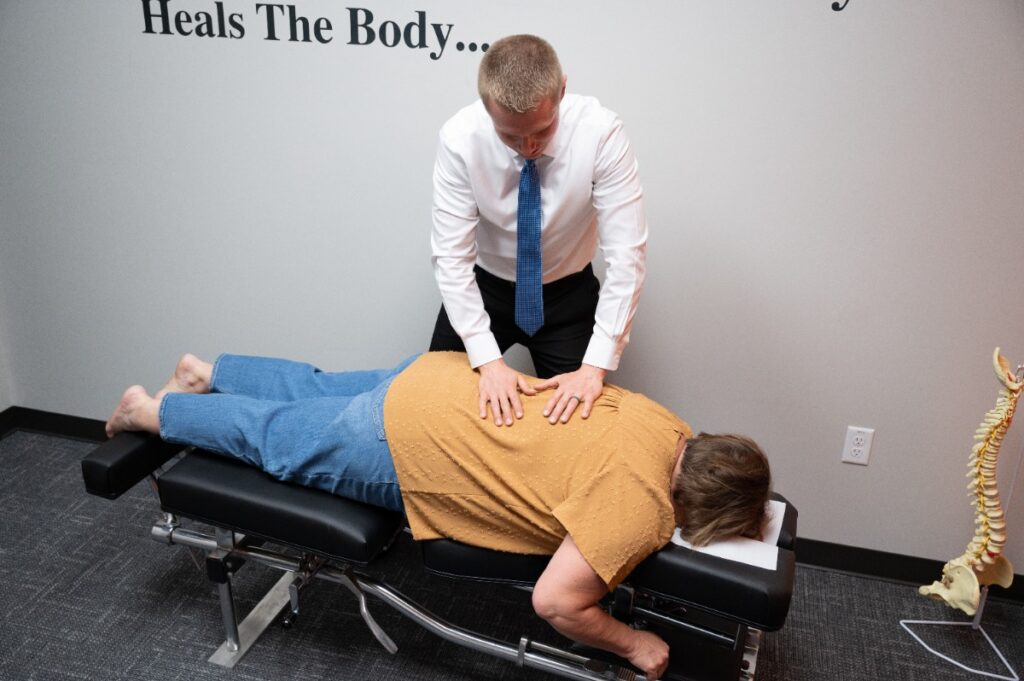

In 2025, managing migraines is set to become more personalized, allowing you to discover effective relief in a way that aligns with your body’s unique needs. As a chiropractor, I believe that this transformation will focus on holistic care, emphasizing natural healing methods and the importance of spinal health. By incorporating real-time symptom tracking and tailored lifestyle modifications, you can take an active role in managing your migraines.
Chiropractic care plays a vital role in this journey. By addressing spinal misalignments that may contribute to migraine triggers, chiropractic adjustments can help restore balance to your nervous system and improve overall body function. This natural approach not only alleviates pain but also promotes long-term wellness.
Here are some simple tips to help you manage migraines effectively:
- Stay Hydrated: Dehydration can trigger migraines, so ensure you drink plenty of water throughout the day.
- Maintain a Regular Sleep Schedule: Sleep is crucial for overall health. Try to go to bed and wake up at the same time every day, even on weekends.
- Practice Stress Management: Techniques such as deep breathing, yoga, and meditation can help reduce stress, which is a common migraine trigger.
- Monitor Your Diet: Keep track of foods that may trigger your headaches. Common culprits include aged cheeses, processed meats, and alcohol.
- Incorporate Regular Exercise: Engaging in regular physical activity can help reduce the frequency and severity of migraines. Aim for activities that you enjoy, like walking, swimming, or yoga.
- Consider Chiropractic Care: Regular visits to a chiropractor can help ensure your spine is aligned, which may reduce migraine frequency and intensity.
By understanding the connection between your spine and overall health, you can empower yourself to take control of your migraines. As we continue to explore the evolving landscape of migraine management, remember that natural, holistic approaches, like chiropractic care, offer a path to optimal health and wellness without the need for medications or invasive procedures.
Key Takeaways
As we look ahead to 2025, personalized treatment plans focusing on individual triggers and lifestyle factors will significantly improve how we manage migraines. One effective approach is to incorporate chiropractic care, which can help address underlying spinal issues that may contribute to headache pain. By working with a chiropractor, you can develop a tailored plan that takes into account your unique triggers and lifestyle, promoting overall wellness and reducing migraine frequency.
Advancements in technology, such as migraine tracking apps and wearable devices, will also play a supportive role in managing your symptoms. These tools can help you monitor your headaches and identify patterns, making it easier to discuss your findings with your chiropractor for a comprehensive approach to care.
Telemedicine is becoming a vital resource, offering convenient access to healthcare professionals, including chiropractors. This ensures you receive timely advice and support, empowering you to take control of your migraine management without the need for invasive procedures or medications.
In addition to chiropractic care, incorporating stress management techniques into your routine can be incredibly beneficial. Practices like mindfulness and regular physical activity not only promote relaxation but also contribute to spinal health, which can help reduce the frequency of migraines.
Finally, consider joining community support networks where you can share experiences and solutions with others who understand what you’re going through. These connections foster resilience and advocacy for natural relief methods, reinforcing the idea that chiropractic care is a valuable option for those seeking to manage migraines effectively and naturally.
Remember, achieving optimal health is possible through a holistic approach that focuses on your body’s natural healing abilities. By prioritizing chiropractic care and making small lifestyle changes, you can pave the way for a healthier, more vibrant life free from the burden of migraines.
The Rise of Personalized Medicine in Migraine Treatment
As you explore the changing world of migraine treatment, it’s important to recognize the growing emphasis on personalized care. This approach considers your unique body and lifestyle, focusing on what specific factors may be triggering your migraines. Instead of following a generic treatment plan, it’s all about finding what works best for you.
Chiropractic care plays a vital role in this personalized approach. By addressing spinal alignment and tension, chiropractors help alleviate headache symptoms and reduce the frequency of migraines. Gentle adjustments can relieve pressure on nerves and improve blood flow, leading to better overall health and wellness.
To support your journey towards relief, consider incorporating some simple practices into your daily routine. Staying hydrated, maintaining a balanced diet rich in fruits and vegetables, and keeping a regular sleep schedule can greatly impact how you feel.
Additionally, managing stress through techniques like deep breathing, yoga, or meditation can also help reduce the intensity and occurrence of migraines.
Your chiropractor will work closely with you to monitor your progress, making adjustments to your treatment plan as necessary. This tailored approach enhances your well-being and minimizes discomfort, leading to a better quality of life.
By focusing on natural healing methods and embracing chiropractic care, you’re taking a proactive step towards effective migraine management that aligns with your individual needs.
Innovative Therapies: Breakthroughs on the Horizon
While traditional treatments have long been part of migraine management, there’s an exciting shift towards natural and holistic approaches that promote overall wellness.
As a chiropractor, I believe that the body has an incredible ability to heal itself, and that includes finding effective ways to manage migraines without relying on medications or invasive procedures.
One innovative strategy to consider is spinal adjustments. Aligning the spine can relieve tension in the nervous system, which may help reduce the frequency and intensity of migraine attacks. Regular chiropractic care not only addresses the symptoms but also targets the underlying causes of migraines, promoting better overall health.
In addition to chiropractic adjustments, incorporating practices such as stress management techniques, proper hydration, and a balanced diet can be beneficial. Keeping a migraine journal to track potential triggers—like certain foods, lack of sleep, or stress—can also empower you to make informed choices about your health.
Furthermore, gentle exercises and stretches can improve blood flow and reduce tension in the neck and shoulders, areas that are often linked to migraine pain. Techniques such as yoga or mindful breathing can also support relaxation and enhance your body’s natural healing abilities.
As you explore ways to manage your migraines, consider how chiropractic care can be a vital part of your journey towards optimal health.
The Role of Technology in Migraine Management
With the rapid advancement of technology, managing migraines has become more accessible and personalized than ever before. As a chiropractor, I want to emphasize that while technology can assist in tracking and understanding your symptoms, the best path to pain relief and wellness often lies in natural methods, particularly through chiropractic care.
Here are some ways you can harness technology alongside natural healing strategies for effective migraine management:
- Migraine Tracking Apps: Use these apps to log your triggers, symptoms, and daily activities. By identifying patterns, you can work with your chiropractor to address the root causes of your migraines through spinal adjustments and lifestyle changes.
- Wearable Devices: While these gadgets can monitor physiological changes and alert you before a migraine strikes, remember that regular chiropractic check-ups can help maintain proper spinal alignment, which is crucial for overall nervous system health and may reduce the frequency of migraines.
- Telehealth Services: If you’re unable to visit your chiropractor in person, telehealth options can still provide valuable advice on maintaining your spinal health and wellness routines.
- Virtual Reality (VR) Therapy: While this technology offers immersive environments to reduce stress, consider incorporating relaxation techniques and mindfulness practices into your routine, which can be enhanced through chiropractic care that focuses on calming the nervous system.
Embracing these technologies can be beneficial, but don’t forget the importance of chiropractic care in achieving optimal health.
Regular spinal adjustments help ensure your body functions at its best, potentially reducing migraine occurrences and improving your overall well-being.
By combining these methods, you can lead a more fulfilling life, free from the constraints of migraines.
Always consult with your chiropractor to create a personalized plan that works for you!
Understanding the Migraine Brain: New Research Insights
Understanding the migraine brain is essential for effective management, and as your local chiropractor, I want to help you navigate this topic with a focus on natural healing and wellness.
Migraines can be linked to neurotransmitter imbalances, genetic factors, and changes in brain structure, but there’s good news! Chiropractic care can play a significant role in alleviating migraine symptoms and improving your overall quality of life.
When you visit a chiropractor, we focus on spinal health and alignment, which can have a profound impact on your nervous system. Proper spinal alignment can help reduce tension and improve blood flow, potentially decreasing the frequency and intensity of your migraines.
In addition, chiropractic adjustments can promote better communication between your brain and body, helping to restore balance and function.
Here are a few tips you can take away to help manage migraines naturally:
- Stay Hydrated: Dehydration is a common trigger for migraines. Make sure to drink plenty of water throughout the day.
- Maintain a Regular Sleep Schedule: Aim for consistent sleep patterns to help reduce stress on your body, which can trigger migraines.
- Practice Relaxation Techniques: Stress management is crucial. Consider incorporating practices such as deep breathing, yoga, or meditation into your daily routine.
- Monitor Your Diet: Some foods can trigger migraines. Keep a food diary to identify any patterns and eliminate potential triggers from your diet.
- Regular Chiropractic Visits: Consistent chiropractic care can help maintain spinal health and support your body’s natural ability to heal.
By understanding the factors that contribute to migraines and focusing on natural, holistic approaches, you can take control of your health and improve your quality of life.
Neurotransmitter Imbalances Explained
Recent studies highlight the significant impact that neurotransmitter imbalances can have on migraines, those painful headaches that many of us experience.
These neurotransmitters are like chemical messengers in the brain, and when they get disrupted, they can lead to those debilitating headaches. By understanding how these imbalances work, you can take steps towards managing your migraines more effectively—especially through chiropractic care.
Here are some key neurotransmitters involved in migraine development:
- Serotonin: Low levels can trigger migraines. Chiropractic adjustments can help improve your overall nervous system function, potentially supporting serotonin levels.
- Dopamine: Changes in this neurotransmitter can affect how you perceive pain. Regular chiropractic care can help promote a balanced nervous system, which may improve your pain response.
- GABA: This neurotransmitter helps regulate excitability in the brain. Chiropractic adjustments can reduce stress and tension, possibly aiding in the regulation of GABA levels.
- Glutamate: Excess levels can lead to increased headache frequency. Maintaining a healthy spine can support proper brain function and potentially help manage glutamate levels.
In addition to chiropractic adjustments, here are some general tips for managing migraines naturally:
- Stay Hydrated: Dehydration can trigger migraines, so drink plenty of water throughout the day.
- Maintain a Regular Sleep Schedule: Consistent sleep patterns can help prevent the onset of migraines.
- Manage Stress: Incorporate relaxation techniques, such as deep breathing, yoga, or meditation, to help reduce stress levels.
- Healthy Diet: Eating a balanced diet rich in fruits, vegetables, and whole grains can support overall health and potentially reduce migraine frequency.
Remember, chiropractic care focuses on improving your body’s natural healing abilities.
Genetic Predisposition Factors
As we delve into the relationship between genetics and migraines, it’s important to understand how your body’s natural makeup can influence your experience with these intense headaches. Research shows that certain genes tied to how we manage pain and neurotransmitters can increase the likelihood of experiencing migraines, especially if there’s a family history.
If migraines run in your family, there might be genetic factors at play that can affect your pain perception and how your body reacts to various triggers in your environment. Recognizing these hereditary influences is just the first step. You have the power to take control of your health and well-being!
One of the best ways to support your body in managing migraines is through chiropractic care. Chiropractors focus on the spine and the nervous system, and adjustments can help improve your overall nervous system function, potentially easing migraine symptoms.
Here are some practical tips you can incorporate into your daily routine to help manage migraines naturally:
- Stay Hydrated: Dehydration can trigger migraines, so make sure you’re drinking plenty of water throughout the day.
- Maintain a Healthy Diet: Eating regular, balanced meals can help keep your blood sugar stable, which may reduce the likelihood of a migraine.
- Get Regular Exercise: Engaging in physical activity can boost your mood and overall health, which may help in reducing migraine frequency.
- Manage Stress: Consider incorporating relaxation techniques such as deep breathing, yoga, or meditation into your routine to help manage stress, a common migraine trigger.
- Prioritize Sleep: Ensuring you get adequate rest is crucial; a consistent sleep schedule can help prevent migraines.
- Chiropractic Adjustments: Regular visits to your chiropractor can help align your spine and relieve tension in your body, potentially reducing your migraine episodes.
By understanding your body and leveraging natural methods like chiropractic care, you can take proactive steps toward managing migraines effectively.
Brain Structure Changes
As a local chiropractor, I believe it’s important to understand how migraines can affect your brain and overall health. New research indicates that migraines can lead to changes in brain structures over time, which can impact your well-being. Here are some insights that can help you manage your migraines naturally and effectively:
- Cortical Thickness: Migraine sufferers may experience a decrease in cortical thickness, which can affect how your brain processes pain. Chiropractic care can help improve your overall spinal alignment and potentially reduce the frequency of migraines.
- White Matter Changes: Increased white matter lesions are linked to cognitive function issues. Maintaining a healthy spine through chiropractic adjustments can enhance your nervous system function, promoting clearer thinking and better cognitive health.
- Subcortical Structures: Alterations in areas like the basal ganglia and thalamus may play a role in migraine symptoms. Regular chiropractic care can help support the nervous system, potentially alleviating some of these symptoms.
- Neuroplasticity: Your brain’s ability to adapt can be impacted by migraines. Chiropractic care focuses on optimizing your nervous system, which may enhance your brain’s adaptability and improve how you manage pain.
By recognizing these changes, you can work with your chiropractor to create a personalized management plan that addresses the root causes of your migraines.
Here are some general tips to support your journey to wellness:
- Stay Hydrated: Drinking plenty of water can help prevent dehydration, a common migraine trigger.
- Practice Good Posture: Maintaining proper posture can reduce tension in your neck and back, which may help decrease migraine occurrences.
- Regular Exercise: Engaging in regular physical activity can improve blood flow and reduce stress, both of which are beneficial for migraine sufferers.
- Mindfulness and Relaxation: Techniques such as deep breathing or yoga can help manage stress, a known trigger for migraines.
Chiropractic care is a natural and holistic approach to health that focuses on your body’s ability to heal itself. By nurturing your spine and nervous system, you’re taking an important step towards achieving optimal health and reducing migraine symptoms.
Lifestyle Modifications: A Holistic Approach to Relief
Making simple lifestyle changes can significantly enhance your ability to manage migraines, and chiropractic care plays a vital role in this process. By focusing on your diet, nutrition, and incorporating stress management techniques, you can create a more balanced approach to relief that supports your overall well-being.
Let’s explore some lifestyle modifications and how they can complement chiropractic care for optimal health.
1. Diet and Nutrition: Certain foods can trigger migraines for some individuals. Keeping a food diary can help you identify these triggers.
Consider incorporating more whole foods, such as fruits, vegetables, whole grains, and lean proteins into your diet. Staying hydrated is also crucial; aim for plenty of water throughout the day.
2. Chiropractic Adjustments: Regular chiropractic adjustments can help alleviate tension in the spine, reduce stress levels, and improve overall body function.
By ensuring your spine is properly aligned, you may experience fewer headaches and improved quality of life.
3. Stress Management Techniques: Incorporating stress-relief practices can greatly reduce the frequency of migraines.
Techniques such as deep breathing exercises, yoga, or meditation can help calm your mind and body. These practices work well alongside chiropractic care to promote relaxation and healing.
4. Physical Activity: Engaging in regular physical activity can help reduce stress and improve your overall health.
Activities like walking, swimming, or cycling can be beneficial. Be sure to consult with your chiropractor about the best exercise routine for your specific needs.
5. Sleep Hygiene: Ensuring you get a good night’s sleep is essential for managing migraines.
Establishing a consistent sleep schedule and creating a relaxing bedtime routine can help improve your sleep quality.
By integrating these lifestyle modifications with chiropractic care, you can enhance your body’s natural ability to heal, reduce migraine occurrences, and promote a healthier, happier life.
Diet and Nutrition Adjustments
Headaches can be a real nuisance, often appearing out of nowhere. However, did you know that your diet and nutrition play a significant role in managing migraines? In fact, what you eat can greatly influence how often you experience migraines and how intense they are. By making some simple dietary changes, you can take control of your symptoms and support your overall wellness.
Here are some easy tips to consider:
- Stay Hydrated: Drinking plenty of water is essential, as dehydration is a common trigger for migraines. Make it a habit to drink water throughout the day.
- Avoid Common Triggers: Certain foods, like aged cheeses and processed meats, may provoke migraines in some people. Pay attention to what you eat and try to identify and avoid your personal triggers.
- Focus on Magnesium-Rich Foods: Foods such as nuts, seeds, and leafy greens are great sources of magnesium, which may help reduce the frequency of migraines. Incorporating these into your meals can be beneficial.
- Keep Regular Meal Times: Skipping meals or irregular eating can lead to fluctuations in blood sugar levels, which may trigger headaches. Aim to eat at consistent times each day to maintain stable energy levels.
Remember, while diet and nutrition are important, chiropractic care can also play a crucial role in achieving optimal health and alleviating migraine pain.
By aligning your spine and improving your overall body function, chiropractic adjustments can help reduce tension and stress, ultimately leading to fewer headaches.
If you’re struggling with migraines, consider visiting your local chiropractor for a natural approach to your health and wellness. Together, we can work towards a pain-free life!
Stress Management Techniques
Managing stress effectively is crucial not only for overall well-being but also for reducing the frequency and intensity of migraines. As a local chiropractor, I encourage you to explore natural ways to support your health and wellness. One excellent approach is to incorporate mindfulness practices like meditation or deep breathing into your daily routine. Just a few minutes each day can help ground you, relieve tension, and promote relaxation.
Regular physical activity is another important component of stress management. Aim for at least 30 minutes of moderate exercise most days. This doesn’t have to be intense; even a brisk walk can do wonders for your physical and mental health.
Remember, chiropractic care can also enhance your physical activity by ensuring your spine is aligned, which can lead to better movement and less discomfort.
Don’t underestimate the power of sleep—it’s your body’s natural way of healing and recharging. Prioritize a consistent sleep schedule to help your body recover and manage stress more effectively. If you’re struggling with sleep, a chiropractor can provide guidance on how to improve your sleep posture and overall spinal health, which can lead to better rest.
Consider journaling as a way to express your thoughts and feelings. It can provide clarity and help reduce anxiety. Writing down what’s on your mind can often lead to significant relief and insights about your stressors.
Lastly, connecting with supportive friends or family is invaluable. Social interactions can enhance emotional well-being and provide a strong support system. Surround yourself with positive influences to help you navigate life’s challenges.
By adopting these stress management techniques and considering chiropractic care, you can create a more balanced lifestyle that promotes natural healing and potentially eases your migraine symptoms.
The Impact of Telemedicine on Migraine Care
As telemedicine continues to evolve, it’s changing the way you receive care for migraines, and it’s important to understand how this can complement the natural healing benefits of chiropractic care.
While virtual appointments allow you to connect with specialists from the comfort of your home, incorporating chiropractic adjustments can provide additional relief and support your overall wellness journey.
Here are some key benefits of utilizing telemedicine alongside chiropractic care:
- Convenience: You can schedule appointments that fit your busy lifestyle without the need for travel, making it easier to include chiropractic care in your routine.
- Access to Specialists: With telemedicine, you can connect with a variety of healthcare professionals, but remember that your local chiropractor is a key player in managing migraine pain through natural methods.
- Real-time Monitoring: While you manage your symptoms through telemedicine, your chiropractor can help track the physical aspects of your condition, ensuring a holistic approach to treatment.
- Cost-Effective: By reducing travel and time away from work, telemedicine can help lower overall healthcare expenses, allowing you to invest more in regular chiropractic visits that promote wellness.
By embracing both telemedicine and chiropractic care, you can take a more active role in managing your migraines.
Chiropractic adjustments can help alleviate tension in your spine and surrounding muscles, which may contribute to your migraine episodes.
Additionally, practicing good posture, staying hydrated, and incorporating relaxation techniques can further enhance your results.
Ultimately, prioritizing chiropractic care as part of your migraine management strategy not only simplifies your overall approach to health but also empowers you to make informed decisions about your well-being.
Emerging Pharmacological Options: What’s New?
With ongoing research into migraine treatments, it’s essential to consider natural approaches that prioritize overall wellness. One of the best alternatives for managing migraines is chiropractic care, which focuses on the spine and nervous system to promote optimal health.
Chiropractic adjustments can help relieve tension and improve spinal alignment, which may alleviate headache symptoms. By addressing the root causes of migraines through spinal health, you can experience relief without relying on medications or invasive procedures.
In addition to chiropractic care, there are simple lifestyle changes you can make to support your overall well-being. Staying hydrated, managing stress through relaxation techniques, and ensuring you get enough sleep can significantly impact the frequency and severity of migraines.
Regular exercise, even light activities like walking or stretching, can also be beneficial in reducing tension and improving your mood.
Patient Advocacy and the Future of Migraine Awareness
While many people endure the challenges of migraines in silence, it’s important to understand that patient advocacy can play a crucial role in raising awareness and fostering a better understanding of this debilitating condition.
As a chiropractor, I believe that sharing your experiences and educating others not only increases awareness but can also help in managing migraine symptoms naturally.
Here are some key aspects of advocating for migraine awareness, focusing on natural wellness and chiropractic care:
- Sharing Personal Stories: Your journey with migraines can resonate deeply with others. By openly discussing your experiences, you can help break the stigma and encourage those around you to seek natural solutions, like chiropractic care.
- Educating Communities: Providing information about migraines and how chiropractic adjustments can relieve tension in the spine and neck can dispel myths and promote a better understanding of natural healing. Many people may not realize that chiropractic care can play a significant role in managing migraine symptoms.
- Promoting Natural Wellness: By advocating for natural approaches to health, like regular chiropractic adjustments, stretching, and maintaining proper hydration, you can help others understand that there are effective, drug-free ways to manage their health and well-being.
- Connecting with Healthcare Professionals: Building relationships with chiropractors and other natural health practitioners ensures that you receive care tailored to your unique needs. A chiropractor can provide personalized treatment plans that focus on spinal health and overall wellness, which may alleviate migraine symptoms.
Your advocacy efforts can lead to a future where those who suffer from migraines receive the understanding and natural care they deserve.
Together, we can create a more informed community that recognizes the importance of chiropractic care in managing migraines and promoting healthier living.
Building a Supportive Community for Migraine Sufferers
Creating a supportive community for migraine sufferers can significantly improve their journey toward managing this condition while embracing natural healing methods. Connecting with others who understand your struggles offers a sense of belonging that can reduce feelings of isolation. Sharing experiences and coping strategies empowers both you and others to manage symptoms more effectively.
Consider joining online forums or local support groups where you can discuss triggers, treatments, and lifestyle adjustments. These platforms not only provide valuable insights and resources but also foster friendships that can enhance your well-being. Don’t hesitate to share your story; your experiences might encourage someone else on their path to healing.
As a chiropractor, I emphasize the importance of spinal health in overall wellness, which can play a crucial role in managing migraines. Regular chiropractic adjustments can help alleviate tension in the spine and improve nervous system function, potentially reducing the frequency and severity of migraine episodes.
Additionally, engaging with your community to raise awareness about the benefits of chiropractic care can help promote understanding and acceptance of natural pain relief methods. By educating others and working alongside healthcare professionals, you can advocate for better treatment options that focus on holistic approaches.
Remember, you’re not alone in this journey. Together, we can build a network that encourages resilience and hope, making the challenge of living with migraines easier to navigate.
Embrace healthier living through natural methods, prioritize spinal health, and consider chiropractic care as a valuable part of your wellness routine for optimal pain relief.
Conclusion
As we enter 2025, finding effective ways to manage migraines is more important than ever, and chiropractic care stands out as a natural and holistic approach to achieving optimal health. By focusing on spinal health and overall wellness, you can take significant steps toward reducing the frequency and intensity of your migraines.
Chiropractic adjustments can help relieve tension in the neck and spine, which are often contributors to migraine headaches. Regular visits to your chiropractor can help align your spine, improve nerve function, and reduce stress on the body, promoting a healthier lifestyle.
Moreover, understanding your unique triggers is essential. Keeping a journal to track what you eat, your stress levels, and your daily activities can help you identify patterns that lead to migraines. Once you know your triggers, you can work with your chiropractor to develop a personalized care plan that includes lifestyle changes to minimize them.
Incorporating stretching and strengthening exercises into your routine can also be beneficial. Simple neck stretches, yoga, and proper posture can alleviate tension and promote better spinal health. Additionally, staying hydrated and maintaining a balanced diet rich in whole foods can support your overall well-being.
Telehealth options make it easier than ever to access chiropractic care. You can consult with your chiropractor from the comfort of your home, ensuring you stay on track with your wellness goals.
Finally, don’t underestimate the power of community support. Engaging with others who share similar experiences can provide encouragement and resilience. Together, we can navigate the journey toward a more vibrant, migraine-free life.
By embracing chiropractic care and prioritizing your spinal health, you are taking a proactive approach to managing migraines and achieving natural wellness. Remember, the path to relief doesn’t have to involve medications or invasive procedures—there are natural, effective solutions available to you.