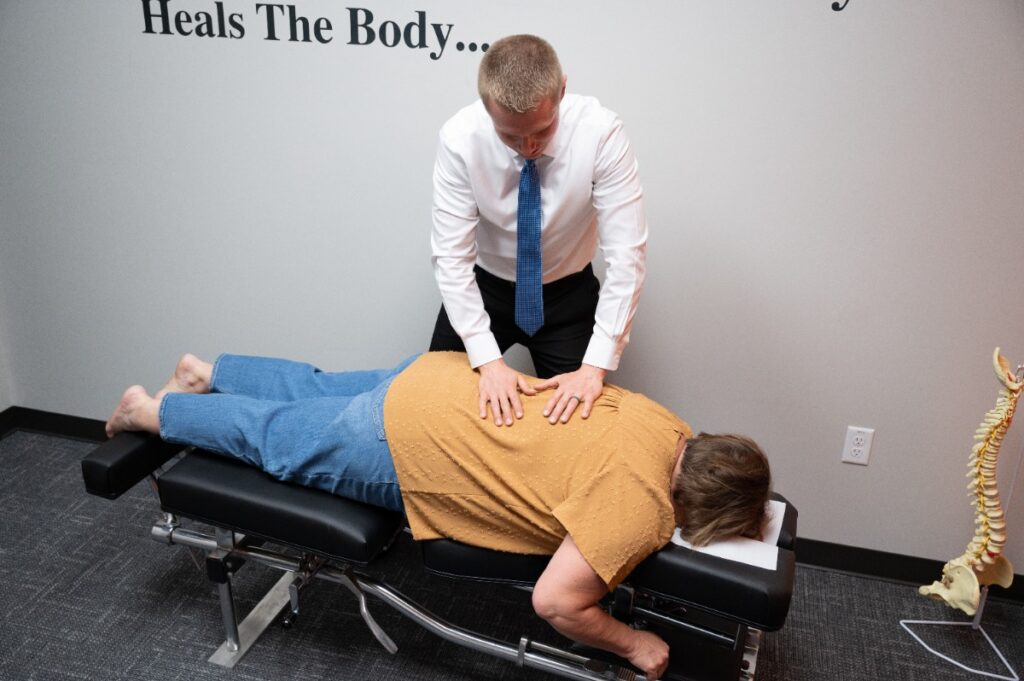
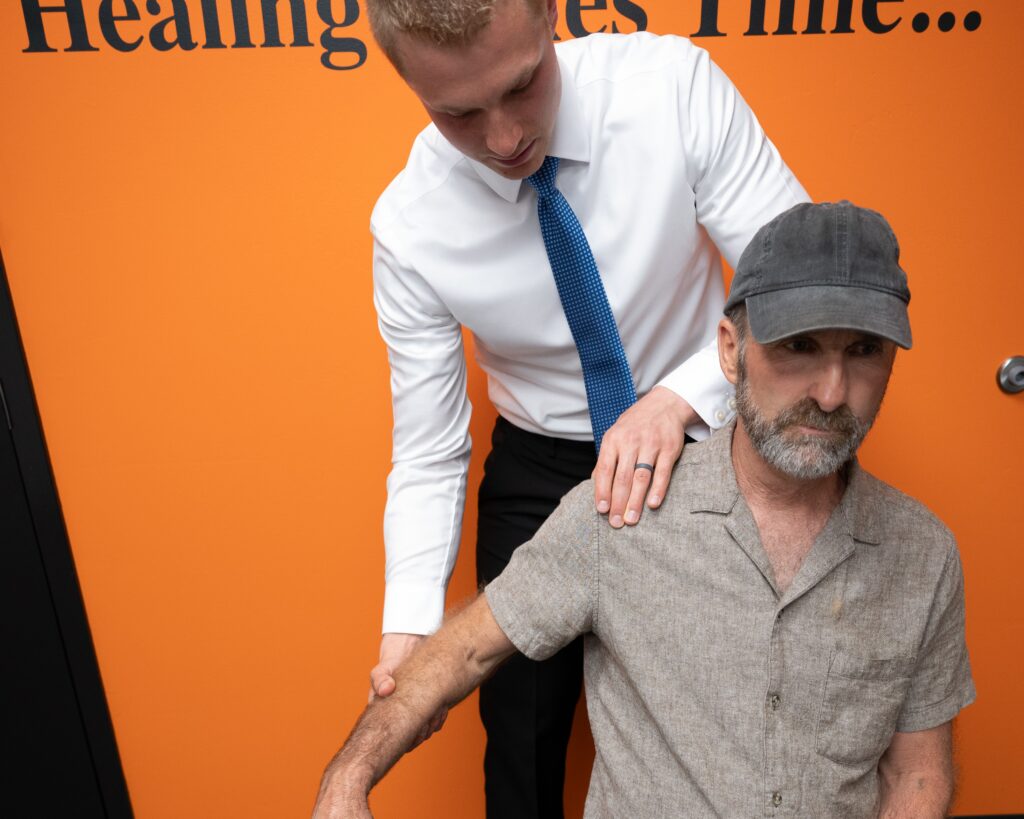
As a local chiropractor, I often see patients struggling with back pain, a common concern that many people experience. However, it’s important to know that back pain doesn’t have to be a part of your life. By incorporating some essential exercises into your routine, you can significantly lower your chances of discomfort and enhance your overall well-being.
One of the key elements to consider is the importance of core strength, flexibility, and maintaining good posture. These factors play a crucial role in supporting your spine and reducing the strain on your back. Let’s take a closer look at specific exercises and techniques that can truly make a difference in your everyday life.
By focusing on strengthening your core muscles, you can provide better support for your spine, while flexibility exercises can help maintain a healthy range of motion. Additionally, practicing good posture can alleviate unnecessary pressure on your back. Together, these approaches can lead to a more active and pain-free lifestyle.
I encourage you to explore these exercises and consider how they can fit into your daily routine. Remember, taking proactive steps toward a healthier back can lead to a significant improvement in your quality of life. If you have any questions or need guidance on how to get started, feel free to reach out. Your journey to a healthier back begins with understanding and action!
Understanding the Importance of Core Strength
As a local chiropractor, I want to emphasize the vital role that core strength plays in your overall health, particularly when it comes to preventing and alleviating back pain.
Many people may not think about their core muscles, but they’re crucial for providing stability and support to your spine. When your core is strong, it helps reduce the strain on your back during everyday activities.
Think about it: every time you walk, lift, or even sit, your core muscles are engaged to some degree. If these muscles are weak, it can lead to poor posture and increased pressure on your back, making you more vulnerable to discomfort and pain.
By focusing on strengthening your core, you can significantly improve your spinal health and reduce the risk of experiencing back issues.
Incorporating core-strengthening exercises into your routine can be a natural way to support your body and enhance your overall well-being.
If you have any questions about how to get started or how chiropractic care can assist you in this journey, I’m here to help!
Key Stretching Exercises for Flexibility
As a local chiropractor, I’m here to help you understand how key stretching exercises can significantly improve your flexibility and alleviate back pain.
One of the most effective ways to relieve tension in your lower back is through hamstring stretches. These stretches can help release tightness and improve your overall comfort.
Additionally, hip flexor stretches are crucial for enhancing mobility and supporting your posture, which is vital for your spinal health.
By incorporating these simple yet effective techniques into your daily routine, you can achieve lasting relief and enjoy a greater ease of movement.
Hamstring Stretch Techniques
As a local chiropractor, I want to emphasize the importance of hamstring stretches for your overall flexibility and back health. Many people don’t realize that tight hamstrings can exert pressure on your pelvis, potentially leading to discomfort or pain in your lower back.
One of the simplest yet effective techniques is the standing hamstring stretch. To perform this stretch, stand tall and place one foot on a low surface, like a chair or a step. Then, gently lean forward while keeping your back straight. This position allows you to feel the stretch in your hamstring. Hold this position for 15 to 30 seconds, and then switch to the other leg.
Another beneficial stretch is the seated hamstring stretch. For this, sit on the floor with your legs fully extended in front of you. Reach for your toes while maintaining a straight back. This stretch not only targets your hamstrings but also promotes good posture. Again, hold for 15 to 30 seconds.
Incorporating these stretches into your daily routine can significantly improve your flexibility and reduce tension in your back. By taking care of your hamstrings, you can enhance your overall comfort and ease in everyday activities.
Hip Flexor Stretch Benefits
As a local chiropractor, I’d like to emphasize the importance of stretching your hip flexors for maintaining flexibility and preventing back pain, particularly for those who spend extended periods sitting.
When your hip flexors become tight, they can pull your pelvis forward, leading to an imbalance in your posture that may result in discomfort and pain. By incorporating hip flexor stretches into your daily routine, you can effectively alleviate tension, improve your range of motion, and enhance your overall mobility.
This practice not only helps to reduce strain on your back but also supports better alignment throughout your entire body.
Additionally, regular stretching can improve your athletic performance, making it easier for you to participate in various physical activities without experiencing discomfort.
I encourage you to take a few moments each day to stretch those hip flexors. By doing so, you can enjoy the benefits of a more flexible, pain-free back and overall improved well-being.
Strengthening the Lower Back Muscles
As your local chiropractor, I want to emphasize the importance of strengthening your lower back muscles for overall spinal health. Many individuals tend to prioritize flexibility and mobility, but building strength in your lower back is crucial for alleviating pain and preventing future issues.
A robust lower back not only supports proper posture but also minimizes strain on your spine, helping you to maintain a healthy lifestyle.
Incorporating specific exercises into your routine can significantly benefit your lower back. For instance, the bird-dog exercise is an excellent way to engage your core and back muscles. To perform it, start on all fours, extend one arm and the opposite leg, and make sure to keep your core tight. Hold this position for a few seconds before switching sides.
Another effective exercise is the superman. This involves lying face down and simultaneously lifting your arms and legs off the ground while engaging your lower back. It’s a great way to strengthen those often-neglected muscles.
Lastly, I recommend the bridge exercise. Lie on your back with your knees bent and feet flat on the floor. Lift your hips towards the ceiling while squeezing your glutes. This movement not only strengthens your lower back but also engages your entire posterior chain.
Aim to perform these exercises a few times a week, gradually increasing the repetitions as your strength improves. Remember, consistency is essential for achieving lasting results.
Core Stability Exercises to Enhance Support
As a chiropractor, I want to emphasize the importance of strengthening your lower back, but it’s essential to look beyond that alone. To truly support your back and enhance your overall health, incorporating core stability exercises is crucial. These exercises engage not just your abdominal muscles, but also your obliques and pelvic floor, creating a strong foundation for your spine.
One of the best exercises to start with is the plank. This exercise involves holding your body in a straight line and maintaining tension in your core, which helps stabilize your spine. Side planks are also beneficial; they challenge your stability further and specifically strengthen your obliques.
Another effective exercise is the bird-dog. This move involves extending one arm and the opposite leg while on all fours, which promotes coordination and balance—key components in supporting your back.
Additionally, the bridge exercise is excellent; while lying on your back with your knees bent, you lift your hips while engaging your glutes and core.
By integrating these exercises into your regular routine, you’ll significantly enhance your core stability, which can help reduce the risk of back pain and improve your overall strength.
I encourage you to make these exercises a consistent part of your fitness regimen for better spinal health and well-being!
Posture Correction Techniques
As a local chiropractor, I want to emphasize the importance of good posture for both preventing back pain and enhancing your overall spinal health. Many people may not realize how crucial body alignment is in our daily lives. To start improving your posture, I encourage you to become more aware of how you hold your body throughout the day.
When you’re sitting, ensure that your feet are flat on the floor and your knees are level with your hips. It’s helpful to keep your back pressed against the chair; using a lumbar support cushion can provide additional comfort and alignment.
If you find yourself standing, try to distribute your weight evenly across both feet. Engaging your core muscles can offer extra support for your spine.
One effective exercise I recommend is called wall angels. To perform this, stand with your back against a wall, raise your arms to shoulder height, and gently slide them up and down while ensuring your elbows and wrists stay in contact with the wall. This exercise helps to strengthen the muscles responsible for good posture.
In addition to strengthening exercises, incorporating stretches such as chest openers and upper back stretches can be incredibly beneficial in countering the effects of slumping.
Remember, building good posture takes practice, so the more consistently you work on these techniques, the more natural it will feel. This proactive approach can significantly reduce your risk of developing back pain and promote long-term spinal health.
If you have any questions or need personalized guidance, feel free to reach out during your next visit!
Incorporating Balance Exercises Into Your Routine
As a local chiropractor, I want to emphasize the importance of incorporating balance exercises into your routine. These exercises are vital for enhancing your stability and overall body awareness, which play a crucial role in preventing injuries and supporting your back health.
To get started, I recommend simple exercises such as standing on one leg or using a balance board. These activities not only improve your core strength but also help stabilize your spine, which is essential for maintaining good posture and preventing discomfort.
In addition to these exercises, consider exploring yoga or tai chi. Both practices focus on controlled movements and balance, which can further promote flexibility and build strength throughout your body.
Aim to incorporate balance exercises into your routine at least two to three times a week. You can set aside just 10-15 minutes for these activities, gradually increasing the difficulty as you gain confidence and improve your skills.
While performing these movements, remember to focus on your breathing and engage your core. Over time, you’ll likely notice a significant boost in your confidence regarding your stability, which can greatly reduce the risk of falls and back strain.
Prioritizing balance isn’t just about stability; it’s a key component of achieving better overall back health and enhancing your quality of life.
Daily Habits for a Healthy Spine
As a local chiropractor, I want to emphasize the importance of maintaining a healthy spine, which begins with being mindful of your posture. Many people are unaware of how their daily habits can impact their spinal health.
One effective way to support your back is by creating an ergonomic workspace. This simple adjustment can significantly improve how your back feels throughout your day.
In my practice, I often share techniques that can help you maintain a strong and pain-free spine. Understanding how to sit, stand, and move properly is crucial for preventing discomfort and injury.
By incorporating these practices into your routine, you can enhance your overall well-being and promote natural healing.
Let’s work together to ensure your spine stays healthy and resilient!
Posture Awareness Techniques
As a local chiropractor, I want to emphasize the importance of maintaining good posture for your spinal health. It may seem like a minor adjustment, but it can have a profound impact on how you feel both now and in the long run.
Start by becoming more aware of your posture throughout your daily activities. When you’re sitting, ensure that your back is straight, your shoulders are relaxed, and your feet are flat on the floor.
To help you remember to check in with your posture, consider using reminders such as sticky notes around your workspace or smartphone alerts. When standing, make sure to distribute your weight evenly across both feet while engaging your core muscles to support your spine. If you notice yourself slouching, take a moment to realign your spine.
Incorporating short breaks into your routine is also crucial. Use this time to stretch and reset your posture, which can help alleviate tension and discomfort.
Ergonomic Workspace Setup
As a chiropractor dedicated to your well-being, I want to emphasize the importance of creating an ergonomic workspace to support a healthy spine. Many people don’t realize that the way we set up our work environment can significantly impact our back health, especially during those long hours of sitting.
Start by ensuring your chair is adjusted so that your feet rest flat on the floor, with your knees bent at a comfortable 90-degree angle. This position helps to alleviate undue pressure on your spine.
It’s also crucial that your desk is at elbow height, allowing your arms to rest comfortably without straining. Your computer monitor should be at eye level and positioned about an arm’s length away. This setup is vital to prevent neck strain, which often accompanies poor screen positioning.
Additionally, consider using a lumbar support cushion; it can help maintain the natural curve of your lower back, providing extra support during your workday.
Don’t forget the importance of taking regular breaks! Stand up, stretch, and move around to keep your body active and reduce stiffness.
Tips for Staying Active and Preventing Injury
As a local chiropractor, I want to emphasize the importance of staying active for maintaining a healthy back and preventing injury, especially if you experience discomfort.
It’s vital to integrate regular movement into your daily life; even taking a short walk every hour can make a significant difference. Prior to and following any activities, I recommend stretching to keep your muscles flexible and alleviate tension.
Incorporating strength training into your routine is also beneficial, particularly focusing on your core. A strong core plays a crucial role in supporting your spine and maintaining overall spinal health.
It’s important to listen to your body. If you sense something isn’t right, don’t hesitate to stop and evaluate the situation. I advise steering clear of high-impact activities that can strain your back. Instead, consider low-impact exercises like swimming or cycling, which are gentler on your spine.
When lifting heavy objects, remember to use proper techniques: bend at your knees and keep the load close to your body to minimize strain.
Additionally, practices like yoga or Pilates can greatly enhance your balance and posture.
By taking a proactive approach to your physical activity, you can significantly lower your risk of back pain and injury.
As your chiropractor, I’m here to support you in your journey towards better health and wellness through natural healing.
Conclusion
As a local chiropractor, I want to emphasize the importance of incorporating essential exercises into your daily routine to help prevent back pain. Focusing on core strength, flexibility, and maintaining good posture is crucial for building a resilient spine and enhancing your overall well-being.
It’s important to stay active and listen to your body’s signals, as this can help you avoid injuries. By making these exercises a part of your lifestyle, you’re not only supporting your back health but also improving your quality of life.
I encourage you to start today—your back will thank you for it! If you have any questions or need guidance on specific exercises, feel free to reach out. Together, we can work towards a healthier, pain-free back.